
50+ języków

 Budapeszt · Węgry
 Audioprzewodniki po Budapeszt
Odkryj Budapeszt z samodzielnymi pieszymi audioprzewodnikami
headphones
3 tras
pin_drop
20 zabytków
translate
Najważniejsze zabytki
Budapeszt, które każdy zna.
Zabytki z każdego przewodnika — i trasy, które powiedzą Ci to, czego przewodniki nie mówią.
Kilka słów o Budapeszt
Thermal springs, ruin bars, and 150 years of Ottoman baths.
Budapest was three cities before it was one. Buda, on the hilly west bank of the Danube, and Pest, on the flat east bank, merged with the ancient settlement of Obuda in 1873 to form a capital that immediately set about building at imperial scale. The Hungarian Parliament Building was completed in 1904 as the third-largest parliament in the world. Andrassy Avenue, a UNESCO World Heritage Site, runs from the center to Heroes' Square, and beneath it runs the M1 line, Europe's first underground railway, opened in 1896 and still operating on the original tracks with period carriages.
What makes Budapest physically unusual is its geology.
The Buda hills sit on 125 thermal springs producing 70 million liters of geothermal water daily, some reaching 58 degrees Celsius. The Ottomans, who occupied the city for 150 years from 1541, built bathhouses over these springs that still operate: Rudas Baths and Kiraly Baths have been running since the 16th century. Romans established Aquincum on the same geology in the first century AD. The baths are not a tourist attraction grafted onto the city; they are genuinely how people spend Sunday mornings here.
Budapeszt
Budapeszt FAQ
Before you walk.
Każda trasa po Budapeszt, w Twoim języku.
Wszystkie 50+ języków w cenie każdej rezerwacji.
🇬🇧 English🇫🇷 Français🇪🇸 Español🇩🇪 Deutsch🇮🇹 Italiano🇯🇵 日本語🇨🇳 中文🇰🇷 한국어+ 41 więcej
star AudaTours Unlimited
Odwiedzasz więcej niż jedno miasto? Subskrybuj.
Odblokuj wszystkie trasy w Budapeszt — i tysiące więcej na całym świecie. Anuluj w dowolnym momencie.
$4.99/tydzień · Anuluj w dowolnym momencie

Więcej w Węgry
Odkryj Węgry arrow_forwardInne miasta do zwiedzenia w Węgry.


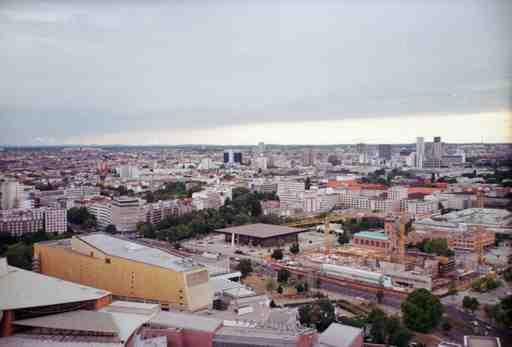
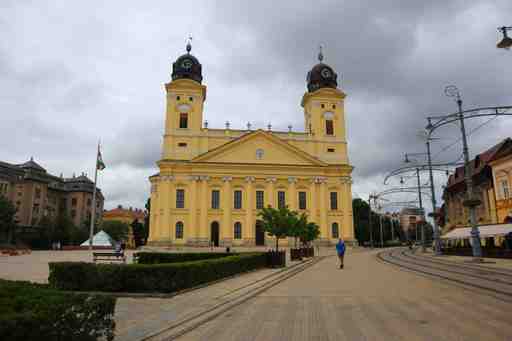

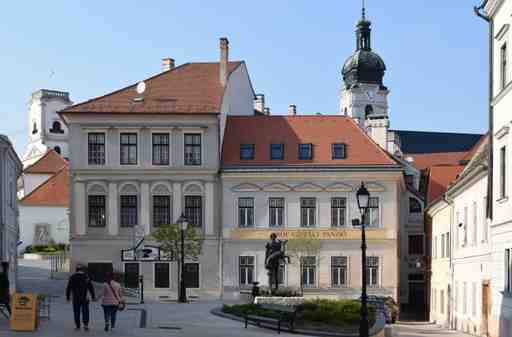
Uwielbiany przez podróżników na całym świecieTysiące rozpoczętych tras.
Tysiące rozpoczętych tras.
Mnóstwo opinii.
4.8 w App Store i Google Play. Oto kilka, do których wracamy.
starstarstarstarstar
Ta trasa była świetnym sposobem na poznanie miasta. Historie były ciekawe, bez przesadnego scenariusza, i uwielbiałam możliwość zwiedzania we własnym tempie.

Jess
Trasa po Tbilisistarstarstarstarstar
To był solidny sposób na poznanie Brighton bez poczucia bycia turystą. Narracja miała głębię i kontekst, ale nie przesadzała.

Christoph
Trasa po Brightonstarstarstarstarstar
Zacząłem tę trasę z croissantem w jednej ręce i zerowymi oczekiwaniami. Aplikacja po prostu idzie z Tobą, bez presji, tylko Ty, Twoje słuchawki i fajne historie.

download Pobierz aplikację Słuchawki w uszach.


Słuchawki w uszach.
Wyjdź na zewnątrz.
Darmowe pobieranie. Trasy w każdym mieście. Zacznij w 60 sekund — bez konta, bez karty.

headphones
~ 4 min do startu pierwszej trasy
public
1000+ miast na świecie
all_inclusive
AudaTours
Unlimited
Każda trasa. Każde miasto. Jedna subskrypcja.
3096 tras2272 miast138 krajów50+ języków
$39 /rok
all_inclusive Odkryj Bez Limitu