
50+ talen

 Olsztyn · Polen
 Olsztyn audiotours
Ontdek Olsztyn met audiowandeltours met eigen gids
headphones
1 tours
pin_drop
20 bezienswaardigheden
translate
Topbezienswaardigheden
Het Olsztyn dat iedereen kent.
De bezienswaardigheden in elke reisgids – en de tours die je vertellen wat reisgidsen weglaten.
Een paar woorden over Olsztyn
Copernicus Lived Here and Left His Equations on the Wall
From 1516 to 1521, Nicolaus Copernicus administered the castle at Olsztyn for the Warmia cathedral chapter, and when Teutonic Knights besieged the city in 1520 he organized its defense successfully. During those years, working out the details of what would eventually become his heliocentric theory, Copernicus scratched an astronomical table directly into the plaster of the castle cloister wall. It is the only surviving astronomical instrument he made with his own hands, and it remains there today in the same corridor where he worked.
The city was founded by the Teutonic Knights in 1348 as Allenstein, and after the Partitions of Poland in 1772 it became thoroughly German, returning to Poland only in 1945 after World War II.
The transition was violent and complete: the German population fled or was expelled, and Polish settlers, many displaced from Lwow and Wilno in the east, moved into a city they had to rebuild and make their own. The result is a place with medieval Teutonic architecture, a Polish identity formed within living memory, and a castle courtyard bearing the actual handwriting of the astronomer who moved the Earth.
Olsztyn
Olsztyn FAQ
Before you walk.
Elke Olsztyn-tour, in jouw taal.
Alle 50+ talen, inbegrepen bij elke boeking.
🇬🇧 English🇫🇷 Français🇪🇸 Español🇩🇪 Deutsch🇮🇹 Italiano🇯🇵 日本語🇨🇳 中文🇰🇷 한국어+ 41 meer
star AudaTours Unlimited
Bezoek je meer dan één stad? Abonneer je.
Ontgrendel alle Olsztyn-tours – plus duizenden meer wereldwijd. Op elk moment opzeggen.
$4.99/week · Op elk moment opzeggen

Meer in Polen
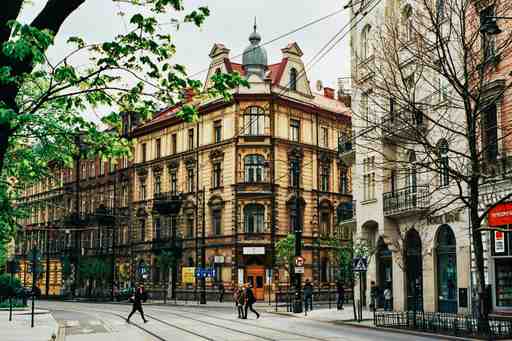
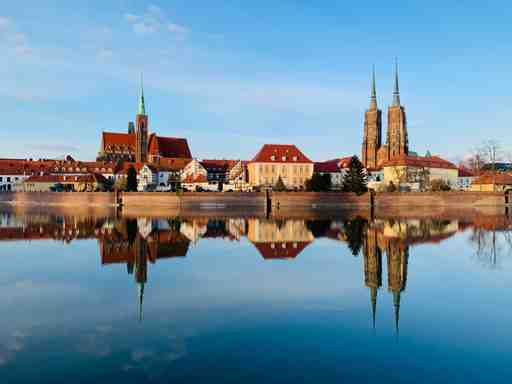
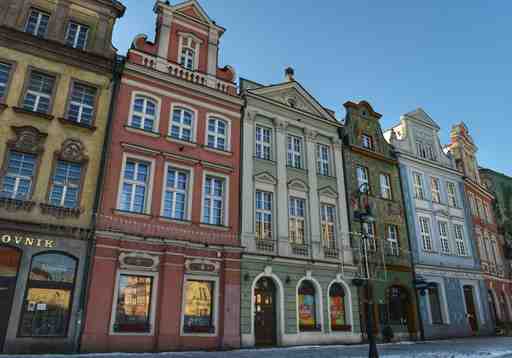
Ontdek Polen arrow_forwardAndere steden om doorheen te lopen in Polen.



Geliefd bij reizigers wereldwijdDuizenden tours gestart.
Duizenden tours gestart.
Genoeg meningen.
4.8 in de App Store en Google Play. Hier zijn er een paar die we blijven teruglezen.
starstarstarstarstar
Deze tour was een geweldige manier om de stad te zien. De verhalen waren interessant zonder te gekunsteld aan te voelen, en ik vond het heerlijk om op mijn eigen tempo te verkennen.

Jess
Tbilisi-tourstarstarstarstarstar
Dit was een prima manier om Brighton te leren kennen zonder je als toerist te voelen. De vertelling had diepgang en context, maar overdreef het niet.

Christoph
Brighton-tourstarstarstarstarstar
Begon deze tour met een croissant in de ene hand en nul verwachtingen. De app gaat gewoon mee met je, geen druk, gewoon jij, je koptelefoon en gave verhalen.

John
Marseille-tourdownload Download de app Koptelefoon in.


Koptelefoon in.
Stap naar buiten.
Gratis te downloaden. Tours in elke stad. Start in 60 seconden – geen account, geen creditcard.

headphones
~ 4 min tot je eerste tour begint
public
1.000+ steden wereldwijd
all_inclusive
AudaTours
Unlimited
Elke tour. Elke stad. Eén abonnement.
3096 tours2272 steden138 landen50+ talen
$39 /jaar
all_inclusive Onbeperkt verkennen