

Supreme Commander for the Allied Powers | Tokyo, Japan
Introduction to the Supreme Commander for the Allied Powers
The Supreme Commander for the Allied Powers (SCAP), known in Japanese as 連合国軍最高司令官総司令部 (GHQ), was established in Tokyo during the aftermath of World War II. This historic landmark not only symbolizes Japan's defeat but also marks the beginning of a profound transformation in Japanese society, governance, and international relations. As a key site in Tokyo, it is a must-visit for travelers interested in historical landmarks and cultural sites.
A Brief History
Following Japan's surrender on September 2, 1945, after the Potsdam Declaration, SCAP was tasked with overseeing the occupation and reconstruction of Japan. The American General Douglas MacArthur was appointed as the head of SCAP, and with this came enormous responsibility as the de facto ruler of Japan until the peace treaty was signed in 1951.
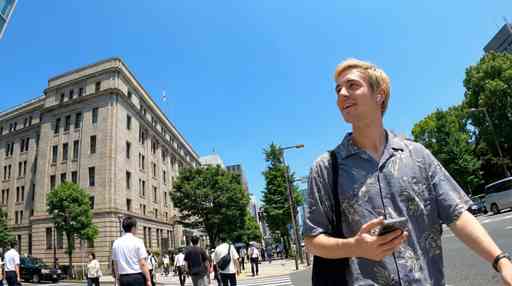
Initially set up in a building that housed the Pacific Army Command in Yokohama, the headquarters later moved to the iconic First Life Insurance Building in Marunouchi, situated between the Imperial Palace and Tokyo Station, which remains a vibrant part of Tokyo's architecture.
Significance of the Location
The choice of the headquarters' location was deliberate; its proximity to the Imperial Palace underscored the new power dynamics in Japan. The building, a key example of modern architecture in Tokyo, was utilized not only for administrative purposes but also as a site for implementing democratic reforms. The presence of SCAP in this area represents a profound shift in Japan's governance structure, effectively from imperial rule to a more democratic and internationally oriented government.
Reforms Implemented by SCAP
Under SCAP’s directive, Japan underwent extensive reforms affecting various aspects of society, including:
- Military Demilitarization: SCAP took immediate steps to disband the Imperial Japanese Army and Navy.
- Political Reforms: The introduction of democratic processes aimed at establishing a government accountable to the people.
- Economic Reforms: Significant changes were made, including the dissolution of large business conglomerates (zaibatsu) and land reforms that redistributed land from large landowners to farmers.
- Social Reforms: Changes in social laws included the introduction of civil rights protections, women's voting rights, and labor rights.
These reforms were critical in laying the foundation for Japan's post-war recovery and transformation into a democratic nation.
Visiting the SCAP Headquarters Today
Today, the site of the SCAP headquarters serves not only as a historical landmark but as a reminder of the resilience of Japan and its journey towards democracy. Visitors can explore the surrounding Marunouchi district, which blends modern skyscrapers with historical sites, making it an ideal area for city exploration.
Engaging in self-guided tours using the AudaTours app can enhance your experience in this area, providing insightful audio commentary on historical Civil War events and societal shifts. Travelers can learn more about the significance of other local tourist attractions by accessing specialized tours tailored to history enthusiasts.
The Echoes of History: The Iconic Yūrakuchō Experience
For those deeply interested in Japan's transformative history, participating in the Echoes of History: The Iconic Yūrakuchō Experience tour can provide further insights. This GPS-guided audio tour takes you through historical landmarks in Tokyo, including SCAP's headquarters, allowing you to delve deeper into Japan's post-war narrative at your own pace.
Conclusion
The Supreme Commander for the Allied Powers is more than just a historical site; it represents a crucial chapter in Japan's evolution and is a testament to the complex interplay of power during a pivotal time in world history. Exploring this landmark offers travelers a glimpse into the past and a better understanding of Japan's cultural heritage. Don't miss the chance to enhance your visit to Tokyo by integrating it with audio tours that highlight the stories behind these fascinating locations.
To learn more about exploring the rich history of Tokyo and its cultural monuments, download the AudaTours app available on iOS and Android, and access various historical tours today!
Featured Tour
Experience this landmark yourself with our audio guide:
Chiyoda-ku Audio Tour: Stage, Culture, and Power Walking Tour
A war room once throbbed with secrets in the heart of modern Tokyo, where glass towers cast shadows over half-forgotten corridors of power. Just beyond the neon lies a city mapped by intrigue, scandal, and silent revolution. This is your self-guided audio tour through Chiyoda-ku. Wander streets most tourists overlook and uncover the stories hidden between headquarters, broadcasters, and back alleys. Who risked everything in a single night that changed Japan’s destiny forever? What unsolved mystery echoes behind Toho’s famous facade? Which Supreme Command decision still shapes every hour you walk these sidewalks? Follow shifting currents of politics, rebellion, and entertainment as they sweep from clandestine negotiations to on-air breakthroughs. Feel history’s pressure under each step while the city reveals new faces and buried tension with every block you cross. The keys to old Tokyo’s mysteries are just ahead—unlock them and see what stirs beneath the surface.




