
데이비스 오디오 투어: 예술, 아이콘 & 수목원 모험
100년 된 참나무 아래를 거닐고, 오렌지 꽃 향기를 맡으며, 반짝이는 유리벽 뒤에 숨겨진 비밀을 찾을 수 있는 곳이 또 어디 있을까요? 이 모든 것을 단 한 번의 오후에 말이죠. 데이비스는 단순한 대학 도시 그 이상입니다. 이곳은 예술, 자연, 그리고 눈에 띄지 않게 숨겨진 급진적인 아이디어의 태피스트리입니다. 이 셀프 가이드 오디오 투어는 데이비스의 고요한 길과 활기찬 광장 아래 숨겨진 이야기들을 풀어냅니다. UC 데이비스의 심장부와 그 수수께끼 같은 주변 환경을 형성한 사람들과 열정을 발견하세요. 지하 활동의 폭발적인 움직임이 수목원의 풍경에 왜 지속적인 흔적을 남겼을까요? 어떤 숨겨진 논란이 몬다비 센터에서 세계적으로 유명한 공연자를 거의 침묵시킬 뻔했을까요? 마네티 슈렘 갤러리 벽에 있는 신비로운 패턴의 진짜 이유는 무엇일까요? 잎이 무성한 길에서 예술적 반란으로 활기 넘치는 갤러리로 이동하며 여정을 시작하세요. 매 순간 놀라움과 발명, 그리고 속삭이는 드라마가 있는 곳으로서 데이비스를 경험하세요. 여행을 시작하세요. 데이비스가 그 야성적인 면모를 보여주게 하세요.
투어 미리보기
이 투어에 대하여
- schedule소요 시간 40–60 mins나만의 속도로 이동
- straighten4.3 km 도보 경로안내 경로 따라가기
- location_on
- wifi_off오프라인 작동한 번 다운로드, 어디서든 사용
- all_inclusive평생 이용언제든지 다시 재생 가능
- location_on드레스바흐-헌트-보이어 하우스에서 시작
이 투어의 정류장
To spot the Dresbach-Hunt-Boyer House, look for a cream-colored, two-story home with tall, narrow windows, wood siding, decorative brackets under the roof, and a fancy balustrade…더 보기간략히 보기
To spot the Dresbach-Hunt-Boyer House, look for a cream-colored, two-story home with tall, narrow windows, wood siding, decorative brackets under the roof, and a fancy balustrade above its welcoming front porch at 604 2nd Street. Now, take in this scene and let your mind wander back to the early 1870s, when Davis was still dust and dreams, and a successful merchant named William Dresbach decided to build a house that would make all his neighbors jealous. Just picture the swish of those long dresses and the sharp snap of wool suits as men and women strolled past this proud Italianate beauty-the only one of its kind still standing in Davis. The wood siding feels almost warm in the sunlight, and those ornate brackets peeking out from under the roofline seem almost as fancy as a Victorian mustache wax! Dresbach was more than just a dapper dresser; he served as the town’s very first postmaster, though luck didn’t always follow him-he lost this home to bankruptcy by 1879. The story only gets twistier as the house exchanged hands, landing firmly with the Hunt family at the turn of the century, where it picked up stories and secrets with each new resident. Mary Boyer, Frank Hunt’s niece, held onto the house well into the groovy 1970s, making sure its legacy never faded. By the way, this stately spot has been on the National Register of Historic Places since 1976. Not bad for a home that’s witnessed over a century of hopes, hiccups, and history-without ever losing its sense of style!
전용 페이지 열기 →
9개 정류장 더 보기정류장 적게 보기expand_moreexpand_less
To spot George Hart Hall, just look for a large, pinkish-beige U-shaped building with a bold sign over the front entrance, right at the edge of the Quad. Imagine you’re back in…더 보기간략히 보기
To spot George Hart Hall, just look for a large, pinkish-beige U-shaped building with a bold sign over the front entrance, right at the edge of the Quad. Imagine you’re back in 1928-students and professors bustling around a brand-new building, the air filled with excitement and maybe the occasional “moo!” from the Animal Science department. This place was the original powerhouse for animal research at UC Davis, thanks to Dr. George H. Hart, who insisted that if cows and chickens were going to revolutionize farming, they needed room to work. Designed in elegant Spanish Revival style, George Hart Hall stood out then and still does now, with its pinkish-beige walls that seem to blush under the sun. Through the decades, this building has seen debates, discoveries, and even a tug-of-war over whether it deserved a spot on the National Register of Historic Places. Spoiler alert: It won, despite the chancellor’s protests! After an $8.9 million makeover, it transformed from an animal hub to a home for the arts and humanities, and even sheltered the Gorman Museum of Native American Art until 2023. So if these walls could talk, I bet they’d have stories that would make both cows and poets proud!
전용 페이지 열기 →To spot the Shields Library, look for a large, grey, and modern rectangular building with plenty of glass, right in front of you beyond the broad concrete steps and a striking…더 보기간략히 보기
To spot the Shields Library, look for a large, grey, and modern rectangular building with plenty of glass, right in front of you beyond the broad concrete steps and a striking curved bay window at the entry. Now, imagine stepping up to a library so packed with stories, you could probably hear the whispers of 3.2 million books calling you inside-if you listen closely enough! Shields Library is the grand study kingdom of UC Davis, a place built in pieces, just like (some students joke) their term papers. Way back in 1940, the first chunk was built, and students would walk in facing the Quad. But then came World War II: suddenly, the crackle of radios filled the reading room as the Army Signal Corps trained right here-if you stood inside, you might have heard marching boots. In the swinging sixties, the building stretched and wrapped around to the south and east. Even the doors couldn't sit still: first they faced north, then east, and finally-like a satisfied cat-they settled on the west after a big expansion in 1990. Inside, there’s art tucked in corners, computers humming, and all kinds of students finding their favorite study spot. Whether you’re after rare treasures in the Special Collections or just craving a quiet place with good Wi-Fi, Shields is where past and present meet to swap stories-even if the books are a bit dusty!
전용 페이지 열기 →To spot the Manetti Shrem Museum of Art, look for a striking white building just across the street, topped with a sweeping, wave-like canopy of metal beams that casts artistic…더 보기간략히 보기
To spot the Manetti Shrem Museum of Art, look for a striking white building just across the street, topped with a sweeping, wave-like canopy of metal beams that casts artistic shadows on the ground beneath-a true standout in the landscape. Welcome to the Manetti Shrem Museum of Art, where creativity stretches farther than the eye can see! Can you feel the buzz in the air? That grand canopy over your head-almost like a giant art installation itself-was inspired by the flow and geometry of the nearby fields surrounding Davis, designed to play with light and shadow in the most delightful ways. Step closer and imagine walking into a place where, in the 1960s and ‘70s, adventurous artists broke all the old rules and invented new ones-right here in little ol’ Davis! UC Davis’s art department, led by Richard Nelson, drew in a famous cast: Wayne Thiebaud, known for his scrumptious paintings of pies and cakes; Robert Arneson, the leader of something called “defiant provincialism”-which sounds like a punk rock band, but was really a wild, homegrown style of art; and a host of others who shaped entirely new genres of conceptual, performance, and video art. This dream museum didn’t just appear overnight. For nearly 60 years, professors and artists whispered and planned, longing for a space to show off their crazy, ground-breaking work. And then, with help from some very generous supporters-Margrit Mondavi (of Napa wine fame), Jan Shrem, and Maria Manetti Shrem-the vision came to life. They poured millions into the project, ensuring Davis would have a true temple for artistic adventure. Architects from Brooklyn and a local team thought way outside the box for the building’s design. Do you notice those sweeping glass curves and the huge versatile spaces inside? Christopher Hawthorne from the LA Times called it gorgeous and inviting-and who are we to argue? This is a place where anybody-students, families, curious wanderers-can wander from lobby to gallery, maybe even stumbling on Wayne Thiebaud’s vibrant jams or a surreal Bruce Nauman sculpture. There are nearly 6,000 works here, with gifts from Thiebaud, Shrem, and other art world legends. You’re not just looking at a museum. You’re standing at a creative crossroads where a radical bunch dared to bring world-class art to a small-town setting. And, just maybe, you’re part of its next great story. Wondering about the background, design or the collection? Feel free to discuss it further in the chat section below.
전용 페이지 열기 →To spot the Bohart Museum of Entomology, look for the building with bold white columns that form geometric shapes in front and a tall, round red cylinder on the right side - you…더 보기간략히 보기
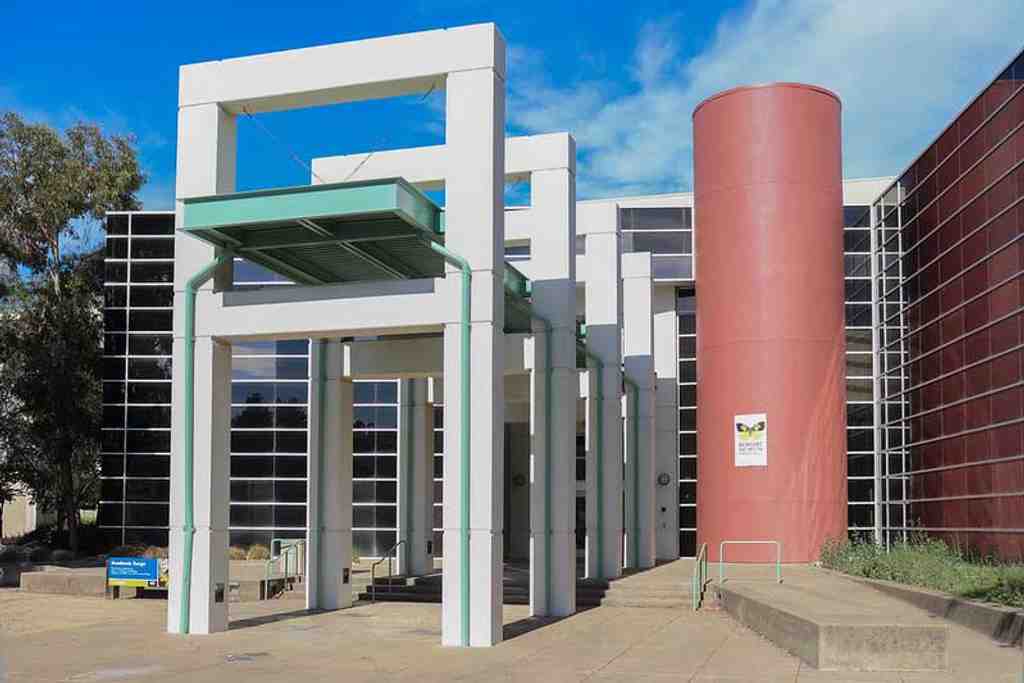
To spot the Bohart Museum of Entomology, look for the building with bold white columns that form geometric shapes in front and a tall, round red cylinder on the right side - you can't miss it, it almost looks like a modern sculpture that decided to turn into a museum. Now, imagine opening a secret vault, but instead of gold and jewels, you find more than seven million insects, each one with its own story to tell! This is the magic of the Bohart Museum of Entomology, founded all the way back in 1946 by Professor Richard M. Bohart - a man so fascinated by bugs that he turned collecting them into a life’s work. If you ever wondered where the bugs have their own library, this is it! Today, this museum is the seventh largest insect collection in North America. From the buzzing beetles of California to rare butterflies from Indonesia and even mysterious critters from Australasia, this place is a global bug bonanza. But it’s not just a dusty hall full of pinned insects - oh no! This museum is buzzing with scientists and students from the Entomology Department at UC Davis, who use these specimens for research, detective work, and even college classes. Just think: every year, 30,000 new insect guests arrive here - some found on wild adventures, some donated by enthusiastic bug lovers, and some sent by scientists from far and wide. Each visitor to the museum, whether an undergrad looking for answers to a homework question or a child wide-eyed with wonder, adds to the energy here. And with Director Lynn Kimsey at the helm since 1989, the excitement keeps growing. Don’t let those tiny insects fool you - this place is an epicenter of curiosity, research, and stories with more legs than you can count. If you listen closely, maybe you’ll even hear the whispering wings of history all around you!
전용 페이지 열기 →Directly in front of you, you’ll spot a shimmering creek with lush green trees arching overhead and soft grasses trailing along the banks-just follow the winding water to find the…더 보기간략히 보기
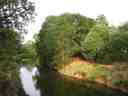
Directly in front of you, you’ll spot a shimmering creek with lush green trees arching overhead and soft grasses trailing along the banks-just follow the winding water to find the lush heart of the Arboretum! Welcome to the University of California, Davis Arboretum, where the spirit of adventure grows right alongside the 22,000 plants and trees! Imagine it’s 1936, the world is bustling and UC Davis decides it needs a green, peaceful hideaway-so it plants the seeds for this 100-acre living museum. As you stand here now, you’re standing along the old north channel of Putah Creek, once a wild, meandering stream, now a peaceful haven where you might just spot a duck or two gliding across the water. Picture the sun dancing through Valley oaks that have stood here for two centuries, their branches arching over winding paths that stretch for 3.5 miles-perfect for walkers, joggers, cyclists, and the occasional squirrel marathon. You can almost hear the quiet buzz of horticulturists puzzling over rare Mediterranean herbs, or see curious students examining the feathery leaves of acacias, each specimen carefully tracked in the Arboretum’s huge online database-talk about plant-ternet! The Arboretum is like a world tour in one stroll. Over here, eucalyptus and kangaroo paws from Australia wave in the breeze. Around the bend, hardy desert cacti from South America soak in the sun. Sneak a peek into the Ruth Risdon Storer Garden to find perennials that laugh in the face of drought-who knew plants had a sense of humor? Wander a little further to the medieval-inspired moon-viewing garden, where you’ll almost expect to find a wise old wizard gazing into the night sky. Scientists and students from every field use this place as an outdoor classroom, getting hands-on with everything from towering redwoods-one of the largest collections outside their native range-to tiny, spicy bush flowers that make the whole garden smell like a secret recipe. All of this is free to visit, day or night, so you might even catch a moonlit walk. And with 17 different themed gardens, you just might find yourself lost in a plot twist of petals or swept away by a mysterious new fragrance. So take your time, breathe deep, explore at your own pace-here, every leaf has a story, and you’re part of the Arboretum’s next chapter!
전용 페이지 열기 →


자주 묻는 질문
투어는 어떻게 시작하나요?
구매 후 AudaTours 앱을 다운로드하고 교환 코드를 입력하세요. 투어를 바로 시작할 수 있습니다 - 재생을 탭하고 GPS 안내 경로를 따라가시면 됩니다.
투어 중 인터넷이 필요한가요?
아닙니다! 시작 전에 투어를 다운로드하면 완전히 오프라인으로 즐길 수 있습니다. 채팅 기능만 인터넷이 필요합니다. 모바일 데이터 절약을 위해 WiFi에서 다운로드하시는 것을 권장합니다.
이것은 가이드가 안내하는 단체 투어인가요?
아닙니다 - 이것은 셀프 가이드 오디오 투어입니다. 폰을 통해 오디오 나레이션을 들으며 나만의 속도로 독립적으로 탐험합니다. 투어 가이드도, 단체도, 일정도 없습니다.
투어는 얼마나 걸리나요?
대부분의 투어는 60-90분이 소요되지만, 속도는 전적으로 본인이 조절합니다. 원할 때 언제든지 일시정지하거나, 정류장을 건너뛰거나, 휴식을 취하세요.
오늘 투어를 끝낼 수 없으면 어떻게 하나요?
괜찮습니다! 투어는 평생 이용이 가능합니다. 원할 때 언제든지 일시정지하고 다시 시작하세요 - 내일, 다음 주, 또는 내년에도. 진행 상황이 저장됩니다.
어떤 언어를 이용할 수 있나요?
모든 투어는 50개 이상의 언어로 이용 가능합니다. 코드를 교환할 때 원하는 언어를 선택하세요. 참고: 투어 생성 후에는 언어를 변경할 수 없습니다.
구매 후 투어는 어디에서 이용하나요?
App Store 또는 Google Play에서 무료 AudaTours 앱을 다운로드하세요. 교환 코드(이메일로 전송됨)를 입력하면 라이브러리에 투어가 나타나며, 다운로드하여 시작할 수 있습니다.
투어가 마음에 들지 않으시면 환불해 드립니다. 문의: [email protected]
안전한 결제 


