AudaTours logoAudaTours

애플턴 오디오 투어: 칼리지 애비뉴를 따라 펼쳐지는 예술, 신앙, 그리고 전설

오디오 가이드10 정류장

한 세기 된 종소리가 한때 매일 밤 애플턴 전역에 울려 퍼지며 시간을 알리는 것 이상으로, 각 종소리는 숨겨진 골목과 번화한 광장을 통해 비밀을 실어 날랐습니다. 이 셀프 가이드 오디오 투어는 도시의 겹겹이 쌓인 역사를 벗겨내어 대부분의 방문객이 결코 볼 수 없는 드라마와 흥미로운 이야기를 드러냅니다. 올 세인츠 성공회 교회 계단에서 벌어져 지역 정치를 영원히 바꾼 긴장감 넘치는 대결은 무엇이었을까요? 애플턴 트랜짓 센터 근처 그림자 속으로 사라진 후 흔적도 없이 사라진 사람은 누구일까요? 성모 마리아 교구의 스테인드글라스 바로 아래에서 한때 터져 나와 몇 달 동안 교구민들을 당황하게 했던 요리 스캔들은 무엇이었을까요? 변화하는 거리를 거닐며, 신성한 공간에서 교통 중심지를 넘어, 반란, 미스터리, 그리고 조용한 혁명의 이야기를 쫓아보세요. 어디를 봐야 할지 안다면 애플턴의 심장이 모든 구석에서 뛰고 있습니다. 종소리가 다시 울립니다. 여정을 시작하고 애플턴의 숨겨진 과거가 살아나는 것을 들어보세요.

투어 미리보기

map

이 투어에 대하여

  • schedule
    소요 시간 30–50 mins나만의 속도로 이동
  • straighten
    3.1 km 도보 경로안내 경로 따라가기
  • location_on
  • wifi_off
    오프라인 작동한 번 다운로드, 어디서든 사용
  • all_inclusive
    평생 이용언제든지 다시 재생 가능
  • location_on
    성모 마리아 교구에서 시작

이 투어의 정류장

  1. Take a good look at St. Mary’s Parish-Appleton’s original Catholic outpost. Picture yourself standing here in 1859, when the air tingled with excitement and a little bit of holy…더 보기간략히 보기

    Take a good look at St. Mary’s Parish-Appleton’s original Catholic outpost. Picture yourself standing here in 1859, when the air tingled with excitement and a little bit of holy nervousness. Irish Catholic families, tired but hopeful, gathered together to build their first-ever place of worship in the wilds of Wisconsin. By 1860, they finished the church-a modest wooden building, dedicated to Mary under the brave title “St. Mary of the Seven Dolors.” That’s old-school Catholic for “Mary of the Seven Sorrows,” in case you’re counting along at home-seven sorrows, one whole lot of faith. You’re also standing near the resting place of one of America’s most controversial senators-Joseph McCarthy. He’s buried right here in the parish cemetery. Wonder if anyone tries to debate politics with him now? And if you’ve ever heard of John Tracy, local Wisconsin legend and State Assemblyman, he and his family spent many Sundays right here, singing hymns and probably hoping the sermons wouldn’t run long. So next time you walk past, imagine a bustling crowd in their Sunday best, bells ringing in the crisp Wisconsin air, and maybe some whispered prayers for good weather-or at the very least, for the sermon to finish before lunch.

    전용 페이지 열기 →
  2. To spot the Fox Cities Performing Arts Center, look for the striking, rounded silver facade with lots of glass windows and a big oval skylight above the bold entrance-it’s right…더 보기간략히 보기

    To spot the Fox Cities Performing Arts Center, look for the striking, rounded silver facade with lots of glass windows and a big oval skylight above the bold entrance-it’s right on the corner, impossible to miss! Welcome to the Fox Cities Performing Arts Center, or as the locals call it, the PAC! Just imagine, you’re standing in front of the same impressive building where Broadway magic has taken the stage, and even a U.S. president once addressed a crowd. Back in 1999, this corner buzzed with excitement and hope as Thrivent, then known as Aid Association for Lutherans, gifted a whopping $10 million-the largest local donation anyone had ever seen-to realize the community’s dream of a state-of-the-art cultural hub. But that was only the beginning: over 2,700 generous souls, from small business owners to families, chipped in, raising $45 million in private gifts. You could practically hear the *clinking of coins and the rustling of checks* as the region united for the arts. The building you see was shaped by the Zeidler Partnership from Toronto, with acoustic wizards from Artec, Inc. ensuring every note is perfect, whether it’s a grand Broadway number or the sweet sound of the Fox Valley Symphony warming up. By November 2002, less than three years after the first shovel hit the ground, the doors swung open. Just think: this ultra-modern venue holds the second largest stage in Wisconsin, with not a single seat farther than 108 feet from the action-perfect for catching every jazz hand and confetti cannon! *Imagine the thunder of applause* from the 2,100-seat Thrivent Hall after ‘Hamilton’ or ‘The Lion King.’ There's even a smaller Kimberly-Clark Theater for cozy concerts and secretive meetings in the Founders Room (I hear you need to know a secret handshake…okay, not really). And with President George W. Bush once stopping here for a speech, who knows, maybe one day you’ll see your own face on stage-or at least win a standing ovation in the lobby café! Now, ready to chase a little more art and history?

    전용 페이지 열기 →
  3. You’ll know you’re at the Trout Museum of Art when you spot the bright orange-and-tan brick building with tall windows, gold letters across the front, and a giant origami-style…더 보기간략히 보기

    You’ll know you’re at the Trout Museum of Art when you spot the bright orange-and-tan brick building with tall windows, gold letters across the front, and a giant origami-style crane perched above the entrance. Picture this: in the heart of downtown Appleton, a building that once held furniture now bursts with creativity-and, I might add, with a pretty spectacular papery bird on its face! The Trout Museum of Art started life back in 1960, and by 1972, it was tucked away on North Morrison Street before moving into this art-filled fortress, once destined for couches and coffee tables. In 2010, the Trout family made a splash-donating their entire art collection and setting up a million-dollar trust, earning the place its quirky fishy name. Around then, the Boldt Company built that glowing glassy atrium you see. But the museum’s journey hasn’t always been smooth sailing-recent plans for a flashy new home by the river met with more drama than a stage play, thanks to worried locals and some questionable soil. Never fear: a new chapter is coming, with plans to team up with Lawrence University! Before you go, catch the annual TMA Contemporary, where Wisconsin’s dreams go on display, or any of the dozen-plus exhibits that spin through each year. Creativity has definitely found its happy habitat here!

    전용 페이지 열기 →
7개 정류장 더 보기정류장 적게 보기expand_moreexpand_less
  1. Right in front of you, the College Avenue Historic District stands out as a bustling street lined with impressive historic buildings-just keep your eyes peeled for the tall, gray…더 보기간략히 보기

    Right in front of you, the College Avenue Historic District stands out as a bustling street lined with impressive historic buildings-just keep your eyes peeled for the tall, gray granite Zuelke Building towering twelve stories above the rest, and you know you’re in the right spot! Welcome to the lively heart of Appleton’s past-where every step along College Avenue is a trip through time. Imagine the early 20th century, streets buzzing with laughter from tavern-goers and shopkeepers calling out their wares beneath the ornate rooftop lions’ heads of the Bissing Building. Pause for a moment and listen: maybe you can almost hear the rumble of a vintage car pulling up to Gibson’s Auto Exchange, its bold Art Deco curves gleaming in the sun. The crown jewel here, the Zuelke Building, rises skyward with its elegant gray granite-if these walls could talk, they’d tell tales of Appleton’s rapid growth and the timeless style hidden within its original, untouched interiors. And don’t miss the solemn Soldiers Square Civil War Monument, quietly standing guard over memories and sacrifices. Today, the street draws you in with its mix of old charm and modern day buzz. So keep looking up-you never know when you might spot a stone lion’s head winking at you from above!

    전용 페이지 열기 →
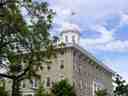
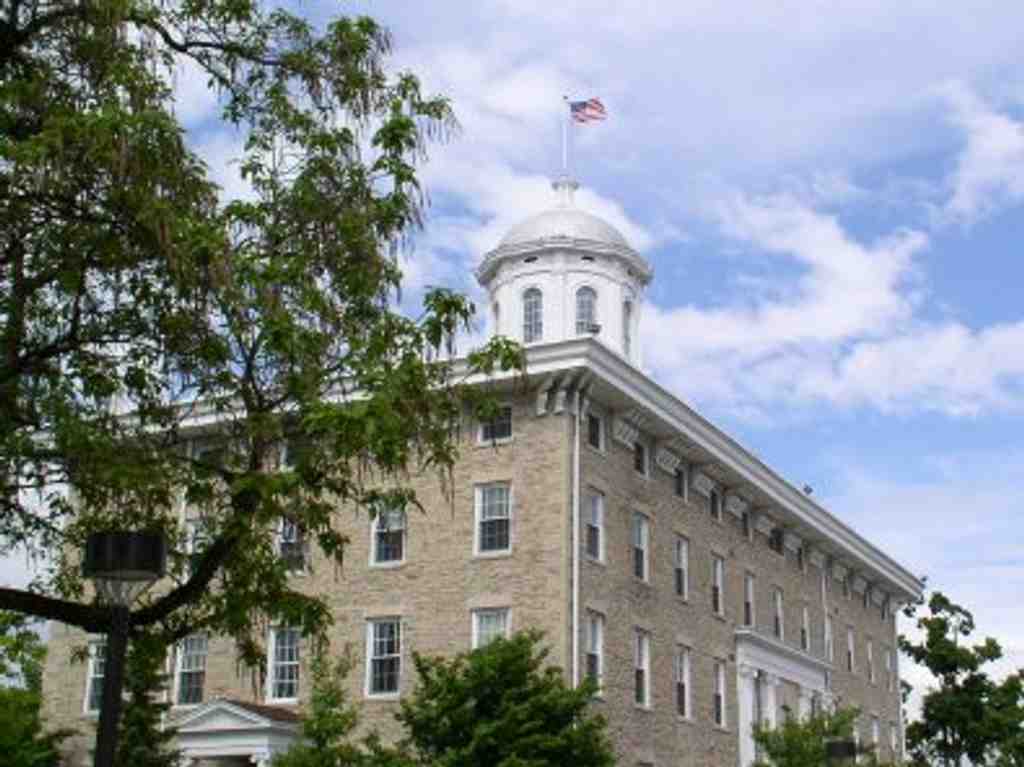
  2. Look up and just ahead-you’ll see a grand, stone building topped with a bright white dome and an American flag waving proudly; that’s Main Hall, standing tall through the…더 보기간략히 보기

    Look up and just ahead-you’ll see a grand, stone building topped with a bright white dome and an American flag waving proudly; that’s Main Hall, standing tall through the trees. Now, let’s step back to 1853; imagine the clang of hammers ringing across campus as Main Hall rises, built from local limestone, its beams shaped by hand at nearby sawmills. This impressive structure started thanks to some pretty clever fundraising: folks snapped up $100 “perpetual scholarships” to help this place come to life. Main Hall was once the center of everything-imagine it buzzing with the smell of musty books in the library, hymns drifting from the chapel, and students dashing between classrooms (maybe even sneaking back to their dorm rooms, which were upstairs!). Over the years, the building’s been through more makeovers than a reality TV star-remodeled in 1938, 1941, and again in the '70s and '90s. There’s even a bit of mystery at the back: a sundial brought here from Milwaukee-Downer College when it joined Lawrence in 1964. These days, Main Hall is still lively, filled with students of classics, languages, history, and philosophy, plus a cozy student commons and lounges for professors to swap stories. If only those limestone walls could talk, right? I bet they’d have some fantastic tales-and maybe a few campus secrets!

    전용 페이지 열기 →
  3. To spot the History Museum at the Castle, look for a large, castle-like stone building with a tall square turret and arched wooden doors, just across from Lawrence University. As…더 보기간략히 보기

    To spot the History Museum at the Castle, look for a large, castle-like stone building with a tall square turret and arched wooden doors, just across from Lawrence University. As you stand here, imagine the grand stone walls rising above you, built in 1923, when lodge members in tuxedos would sweep up these steps on mysterious Masonic business. Now, the secrets hidden within belong to the museum-home to some of the Fox River Valley’s greatest treasures. Inside, you’d find more drama than a detective novel: Appleton’s own Harry Houdini, the master escape artist, lent not just his name but his picks, locks, and even worn handcuffs to the collection. Can you picture the rattling keys and tinkling locks Houdini used as he astounded crowds? Right next to his magical tools, the museum shelves hold stories from Senator Joe McCarthy’s fiery politics and Edna Ferber’s literary journeys. Remarkably, the walls hold over 35,000 photographs-think of all those faces, frozen from 1857 onwards, who once strolled where you stand now. In 2018, this very place was awarded the top national honor for museums-no rabbit in a hat, just years of hard work and a bit of historical magic! And who knows? Maybe a ghost or two is hiding behind those ancient stone corridors, still practicing their disappearing tricks…

    전용 페이지 열기 →
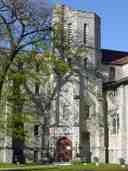
  4. To spot All Saints Episcopal Church, look for a sturdy stone building with a square Norman-style tower rising above a grassy stretch, just off the sidewalk-its distinct light-gray…더 보기간략히 보기

    To spot All Saints Episcopal Church, look for a sturdy stone building with a square Norman-style tower rising above a grassy stretch, just off the sidewalk-its distinct light-gray masonry and historic charm set it apart from the neighboring streets. As you stand before All Saints, picture yourself in Appleton back in the mid-1800s. The town is fresh and growing, and a small group gathers eagerly-perhaps over tea and a few nervous laughs-to hold the very first Episcopal service here, led by none other than pioneering Bishop Jackson Kemper. By 1856, they boldly decide, "Let’s make this official!" and organize their parish, then called Grace Episcopal Church. Their journey began with a humble wooden building, just down the way at Appleton and Edwards. I can almost hear the creak of those early wooden boards underfoot as folks shuffled in for Sunday service. Now, fast-forward to the dramatic year of 1905. By then, this determined congregation had dragged their little church across town, twice! But now they aim higher-right here, with fanfare, 1,500 people cheer as the cornerstone for the grand stone church you see is set in place. Designed by the acclaimed architects Shepley, Rutan & Coolidge, the tower was modeled after an ancient church in Yorkshire, England. Appleton’s own taste of English countryside, minus the rainy weather. Stir in a little suspense, because in the quiet dark of November 1949, disaster struck-a fire! Picture the sudden chaos as smoke billows from the basement, flames licking up through the floor until the altar itself crashes down below. Treasured stained glass, a brand-new organ, and intricate choir stalls are lost. But hope springs up fast. In less than a year, the community comes alive-paintbrushes in hand, fixing, painting, restoring Justin Bieber-style enthusiasm (minus the hair flips). They rejoice together again by All Saints Sunday, 1952, as a new organ fills the air with music. This church has long been about much more than stone and wood: it’s been a hub for caring-supporting shelters, outreach, youth games, and music. Presidents, pastors, and playwrights have all been part of its story. With each passing decade, it’s rebuilt and reimagined, a little like Appleton itself-always surprising, always resilient, and, if you ask me, never boring!

    전용 페이지 열기 →
  5. To spot the Appleton Transit Center, look for a long, red-brick building with a sloped gray roof and multiple entryways, right at the intersection of Washington Street and Oneida…더 보기간략히 보기

    To spot the Appleton Transit Center, look for a long, red-brick building with a sloped gray roof and multiple entryways, right at the intersection of Washington Street and Oneida Street-just across from the bigger parking garage. Welcome to the buzzing heart of Appleton’s public transportation scene! Picture yourself in the late 1980s: the city’s leaders are scratching their heads about how to give people a smarter, smoother way to travel. The first idea? Top the center with a rooftop parking lot-now, wouldn’t that have been a sight! But by 1989, city planners decided on something a little more down to earth (and a lot less expensive): the stand-alone building you see before you. Not just any bus station-a convenience store inside doubled as extra “security!” Imagine the poor store clerk-“Would you like a soda... and should I call Valley Transit for you?” Construction kicked off in September 1989. By March 1, 1990, the place was humming, with buses rolling in and out, and locals marveling at these new climate-controlled waiting rooms. No more shivering in Wisconsin’s icy winds-unless you waited outside at the benches, that is. Oh, and if you ever wondered, there used to be Greyhound buses headed off to Green Bay and Milwaukee from the northwest corner here. But by 2018, those journeys became just another chapter in Appleton’s travel history. Need a washroom, a snack from a vending machine, or to phone Valley Transit directly (for free!)? It’s all right inside-unless you’re craving a cigarette, because the entire area is smoke-free. In the coming years, rumor has it this spot will get a major upgrade, maybe adding shops or apartments, just like Grand River Station in La Crosse. But, for now, it’s the home base for Valley Transit, shuttling folks all around town. Next time you hear the hiss of a bus door, just think: this was where Appleton’s modern transit adventure began. If you're keen on discovering more about the facilities, service or the gallery, head down to the chat section and engage with me.

    전용 페이지 열기 →
  6. Look for the church with striking twin spires, brown brickwork, and pointed arches, standing proudly right at the corner across from the traffic lights. Right in front of you…더 보기간략히 보기

    Look for the church with striking twin spires, brown brickwork, and pointed arches, standing proudly right at the corner across from the traffic lights. Right in front of you stands St. Paul Evangelical Lutheran Church, looking every bit like something straight out of a storybook with its impressive twin towers and tall windows watching over Appleton since 1907. Imagine what it felt like over a century ago: men in bowler hats and women in long dresses bustling around, all pausing for a moment as the church’s bells rang out over the street. This church was built when automobiles were rarities, and Appleton was still dreaming big. Its red brick walls have seen generations gather-feasts, weddings, heartfelt debates, and perhaps a few epic Lutheran potlucks. What’s the secret twist? St. Paul’s architectural beauty is such a stand-out example that it landed itself a spot on the National Register of Historic Places in 2008. So, while you’re admiring the towers, think of all the quiet prayers, loud hymns, and maybe a few slightly off-key choir notes that have filled this space for more than a hundred years. This church is living history, open to anyone who wants to admire, wonder, or just marvel at how many bricks it must have taken to build those spires!

    전용 페이지 열기 →
  7. Look ahead to spot the Appleton City Park Historic District: you’ll notice a stretch of grand old homes, some painted in bright colors, with wide porches, and a few even featuring…더 보기간략히 보기

    Look ahead to spot the Appleton City Park Historic District: you’ll notice a stretch of grand old homes, some painted in bright colors, with wide porches, and a few even featuring turrets that look like they belong in a fairy tale-just keep your eyes on the right side of the street near the bend. Now, you’re standing on the edge of time! Imagine you’re walking these peaceful, tree-lined streets back in the late 1800s: horse-drawn carriages roll by, echoing off the grand wooden porches, and kids dash between the looming Victorian homes, their laughter mixing with the smell of fresh-cut grass. Each of the 141 houses around you was built between 1867 and 1949, each one showing off the best style of its day-some with leafy gables, some with fancy, colorful trim, and even the occasional mysterious round turret that makes you wonder if a wizard once lived here. These aren’t just pretty houses-they’re survivors, having watched over generations of Appleton families, small-town drama, and big city dreams. When this neighborhood was added to the National Register of Historic Places in 2002, it was a high-five to its unique architecture-and maybe also a nod to all the stories these old walls have tucked away. Who knows what secrets lie behind those stained-glass windows? If you listen closely, you might just hear them whispering through the leaves.

    전용 페이지 열기 →

자주 묻는 질문

투어는 어떻게 시작하나요?

구매 후 AudaTours 앱을 다운로드하고 교환 코드를 입력하세요. 투어를 바로 시작할 수 있습니다 - 재생을 탭하고 GPS 안내 경로를 따라가시면 됩니다.

투어 중 인터넷이 필요한가요?

아닙니다! 시작 전에 투어를 다운로드하면 완전히 오프라인으로 즐길 수 있습니다. 채팅 기능만 인터넷이 필요합니다. 모바일 데이터 절약을 위해 WiFi에서 다운로드하시는 것을 권장합니다.

이것은 가이드가 안내하는 단체 투어인가요?

아닙니다 - 이것은 셀프 가이드 오디오 투어입니다. 폰을 통해 오디오 나레이션을 들으며 나만의 속도로 독립적으로 탐험합니다. 투어 가이드도, 단체도, 일정도 없습니다.

투어는 얼마나 걸리나요?

대부분의 투어는 60-90분이 소요되지만, 속도는 전적으로 본인이 조절합니다. 원할 때 언제든지 일시정지하거나, 정류장을 건너뛰거나, 휴식을 취하세요.

오늘 투어를 끝낼 수 없으면 어떻게 하나요?

괜찮습니다! 투어는 평생 이용이 가능합니다. 원할 때 언제든지 일시정지하고 다시 시작하세요 - 내일, 다음 주, 또는 내년에도. 진행 상황이 저장됩니다.

어떤 언어를 이용할 수 있나요?

모든 투어는 50개 이상의 언어로 이용 가능합니다. 코드를 교환할 때 원하는 언어를 선택하세요. 참고: 투어 생성 후에는 언어를 변경할 수 없습니다.

구매 후 투어는 어디에서 이용하나요?

App Store 또는 Google Play에서 무료 AudaTours 앱을 다운로드하세요. 교환 코드(이메일로 전송됨)를 입력하면 라이브러리에 투어가 나타나며, 다운로드하여 시작할 수 있습니다.

verified_user
만족 보장

투어가 마음에 들지 않으시면 환불해 드립니다. 문의: [email protected]

안전한 결제

Apple PayGoogle PayVisaMastercardPayPal

AudaTours: 오디오 투어

재미있고, 경제적이고, 자유로운 셀프 가이드 워킹 투어

앱 체험하기 arrow_forward

전 세계 여행자들에게 사랑받고 있습니다

format_quote 이 투어는 도시를 보는 정말 좋은 방법이었습니다. 이야기들이 너무 대본처럼 느껴지지 않으면서도 흥미로웠고, 나만의 속도로 탐험할 수 있어서 좋았습니다.
Jess
Jess
starstarstarstarstar
Tbilisi 투어 arrow_forward
format_quote 관광객처럼 느끼지 않으면서 Brighton을 알아가는 훌륭한 방법이었습니다. 내레이션에 깊이와 맥락이 있었지만 과하지 않았습니다.
Christoph
Christoph
starstarstarstarstar
Brighton 투어 arrow_forward
format_quote 크루아상을 한 손에 들고 아무 기대 없이 시작했습니다. 앱이 그냥 자연스럽게 함께해 주는 느낌이에요, 부담도 없고, 그냥 나와 이어폰과 멋진 이야기들.
John
John
starstarstarstarstar
Marseille 투어 arrow_forward

무제한 오디오 투어

전 세계 모든 투어의 잠금을 해제하세요

0 투어·0 도시·0 국가
all_inclusive 무제한 탐험