AudaTours logoAudaTours

콜롬보 오디오 투어: 역사의 보물 공개

오디오 가이드9 정류장

수백 년 된 벽에는 비밀스러운 상징들이 남아있고, 현대적인 고층 빌딩의 번쩍임은 콜롬보의 하늘을 꿰뚫습니다. 이곳은 번잡함 속에 비밀이 숨어있는 도시입니다. 대부분의 여행자들이 번잡함 속에서 놓치는 이야기와 장소들을 드러내기 위해 제작된 이 셀프 가이드 오디오 투어를 통해 자신만의 속도로 거닐어 보세요. 어떤 한밤중의 음모가 영국 연대들로 하여금 빅토리아 프리메이슨 사원에서 그들의 비밀스러운 로지를 해산하도록 강요했을까요? 누구의 유산이 슬레이브 아일랜드의 다문화 골목 미로에 울려 퍼지고 있을까요? 시나몬 라이프는 문을 열기도 전에 왜 엄청난 투기의 장이 되었을까요? 각 발걸음은 콜롬보의 특징을 형성한 정치적 격변, 숨겨진 반란, 스캔들 가득한 모임, 그리고 잊혀진 순간들을 통해 여러분을 휩쓸고 지나갑니다. 식민지 유적과 함께 새로운 경이로움이 솟아오르는 동안 극적인 이야기들이 그림자 속에서 깜빡이게 하세요. 이 길들을 따라가며 도시의 더 풍부하고 낯선 비전을 잠금 해제하세요. 콜롬보의 특별한 과거 속으로 상징들을 따라갈 준비가 되셨나요? 재생 버튼을 누르고 시작하세요.

투어 미리보기

map

이 투어에 대하여

  • schedule
    소요 시간 30–50 mins나만의 속도로 이동
  • straighten
    4.8 km 도보 경로안내 경로 따라가기
  • location_on
  • wifi_off
    오프라인 작동한 번 다운로드, 어디서든 사용
  • all_inclusive
    평생 이용언제든지 다시 재생 가능
  • location_on
    빅토리아 프리메이슨 사원에서 시작

이 투어의 정류장

  1. You see, the Freemasonry tradition was introduced by the Dutch in Sri Lanka way back in 1771. They established the Fidelity Lodge, followed by more lodges in Galle and Colombo.…더 보기간략히 보기

    You see, the Freemasonry tradition was introduced by the Dutch in Sri Lanka way back in 1771. They established the Fidelity Lodge, followed by more lodges in Galle and Colombo. But then, those crafty British folks took over the Dutch settlements and formed Ceylon as their own colony. In 1801, the officers of the 51st Regiment were granted a warrant by the Grand Lodge of Scotland to establish the Orange Lodge No. 274 in Colombo. Oh, but it was dissolved later. Another lodge was formed for the 6th Battalion in 1802, but that went poof too. And let's not forget the lodge for the 34th Regiment of Foot. Hmm, seems like their meetings might have been more like a game of hide-and-seek. Fast forward to 1838, and we see the birth of the oldest existing lodge in the country, St. John's Lodge of Colombo No. 454. It's still going strong, my friend! Then, in 1861, the Grand Lodge of Ireland decided to jump on the bandwagon and established Sphinx Lodge No. 107. They even formed a provincial Grand Lodge of Ceylon in 1878, but it went into snooze mode in 1890. Now, it's not until 1886 when the English lodge, Lodge of St. George No. 2170 EC, finally caught up and made its grand entrance in Colombo. They're still active today, my friend. But back then, the Masonic meetings used to take place in the De Soysa Building in Slave Island. Quite a different vibe, if you ask me! Finally, in 1900, after some land wrangling and fundraising, the cornerstone of this glorious temple was laid. The temple was designed by Edward Skinner, a Freemason himself and an associate of the Royal Institute of British Architects. The building showcases a splendid blend of neo-Georgian style with a touch of Eastern architecture. It's like a cultural cocktail! And, oh, did I mention the ground floor? It had a Recreation Club Hall that was open to all, not just the Masons. They even rented it out for concerts and dances. Talk about a happening place, right? They even made the floor extra dance-friendly, perfect for shaking your groove thang! Alright, my friend, that's the story of the Victoria Masonic Temple. Ready for the next stop on our adventure? Let's go to Cinnamon Life Colombo, the grand entertainment hub of the city! Prepare to be dazzled!

    전용 페이지 열기 →
  2. Designed by the talented Sri Lankan-British architect Cecil Balmond, this resort is a masterpiece. And let's not forget about Hyundai Engineering & Construction, the main…더 보기간략히 보기

    Designed by the talented Sri Lankan-British architect Cecil Balmond, this resort is a masterpiece. And let's not forget about Hyundai Engineering & Construction, the main contractor who brought Balmond's vision to life. Construction began in 2014, and all the buildings were completed and topped off in May 2019. Although there were a few delays along the way (because, you know, even architects and builders need some extra time now and then), it's finally here and ready to amaze you. The project is absolutely massive, covering a whopping 4.5 million square feet of total floor area. That's like having a million square cinnamon buns. Yum! Anyway, the resort will consist of 427 luxurious apartments, a grand hotel with 800 rooms, and a shopping mall that will connect to the hotel. Can you imagine all the shopping and eating adventures you can have here? It's like a dream come true! Now, get this, my friend. Cinnamon Life will also be a hub for meetings, incentives, conferencing, and exhibitions. Have you ever been to a MICE event? No, I'm not talking about talking mice in fancy clothes attending conferences. It stands for Meetings, Incentives, Conferencing, and Exhibitions. It's a fancy way of saying that this place will be perfect for all kinds of business and social gatherings. Oh, and here's a fun fact for you. The residential tower of the resort has already sold over 50 percent of its floor area, even before it was completed. Talk about high demand! People can't wait to get their hands on these stunning apartments. And don't worry, my friend, if you're interested, there are still plenty of units available. The starting price was $400,000, so you might need to start saving those pennies. So, get ready to be dazzled by the grandeur and luxury of Cinnamon Life Colombo. With its stunning architecture, beautiful accommodations, and a shopping experience you won't forget, this place is a true gem in the heart of Sri Lanka. Plus, keep an eye out for potential casinos in the future. Who knows, maybe you'll strike it lucky and win big while you're here! Now, let's move on to our next stop, shall we? We have plenty more exciting places to explore in Colombo. Hop on my tour train, and let's keep this adventure rolling!

    전용 페이지 열기 →
  3. Now, let me share an interesting tidbit with you. The name "Slave Island" originates from its history during British colonial rule. Back in the days, this island was used as a…더 보기간략히 보기

    Now, let me share an interesting tidbit with you. The name "Slave Island" originates from its history during British colonial rule. Back in the days, this island was used as a holding area for African slaves, mostly from the Swahili coast and Portuguese East Africa. They were kept here before being sent off to other destinations. However, most of these slaves eventually returned to Africa. Nowadays, there is a small community of African descendants scattered throughout Sri Lanka, known as the Sri Lankan Kaffirs. But fear not! The area has transformed into a bustling commercial district, known for its multicultural vibe and especially its Malay heritage. You'll find a wide range of hotels, shopping centers, and delicious street food stalls here. It's a melting pot of Malay, Sinhalese, and Tamil cultures. Oh, and did I mention we have a beautiful lake called Beira Lake? It's a popular spot for recreation. Now, keep your eyes peeled for the Company Roads Railway Station. This Victorian-era architectural gem is a treat for the eyes. With its stylish arches, intricate woodwork, and metal installations, it truly captures the essence of the Victorian era. Unfortunately, not all the historic buildings in this area have been well-maintained. But hey, let's focus on the positives and enjoy the rich cultural diversity that Company Roads has to offer! Alright, my friend, buckle up as we head to our next stop, the Old Colombo Dutch Hospital. It's going to be a blast from the past!

    전용 페이지 열기 →
6개 정류장 더 보기정류장 적게 보기expand_moreexpand_less
  1. Located at Galbokka Point, south of the Port of Colombo, it stands tall and proud along the marine drive in the Colombo fort area. Standing at a height of 29 meters (95 ft), it…더 보기간략히 보기

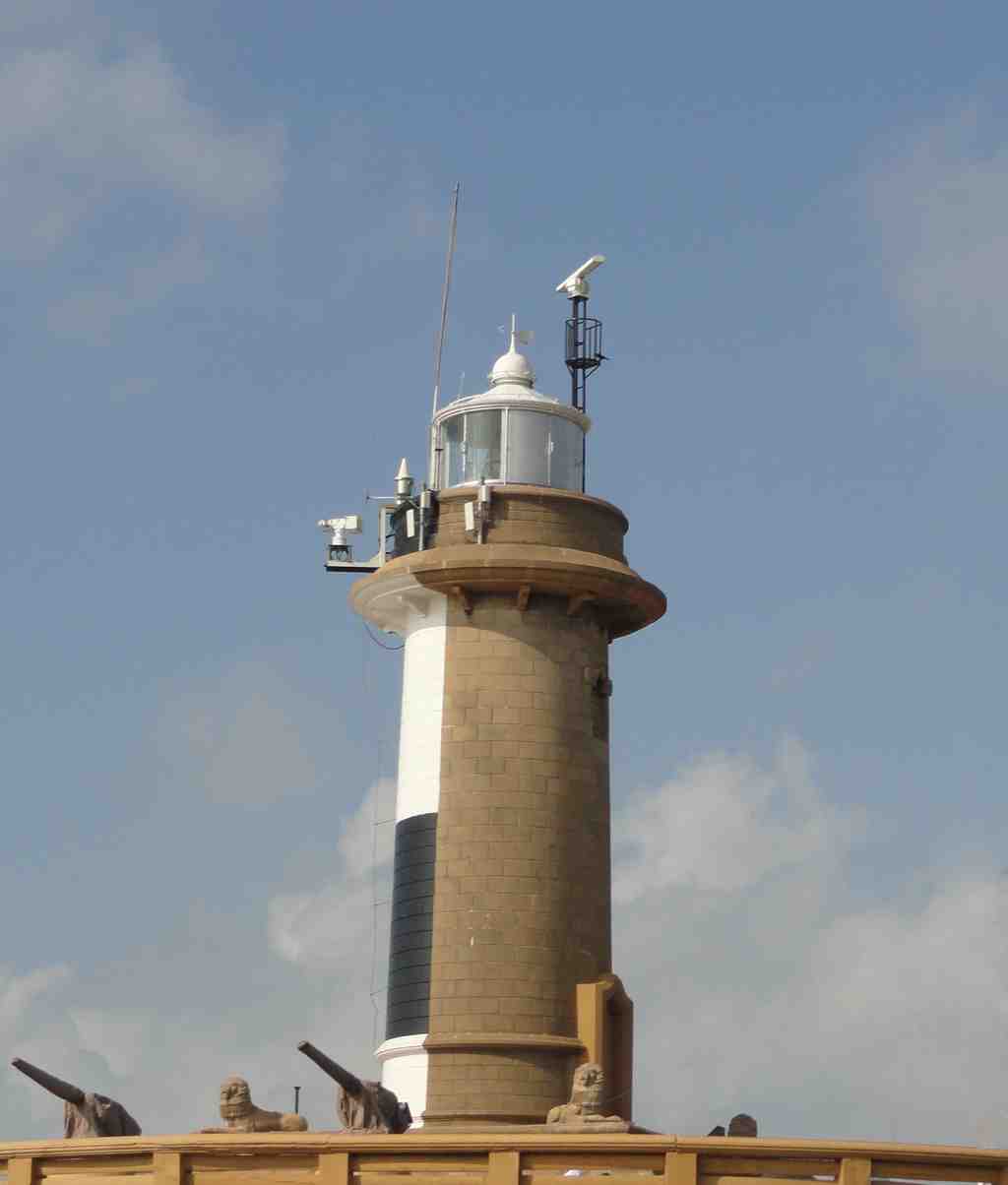
    Located at Galbokka Point, south of the Port of Colombo, it stands tall and proud along the marine drive in the Colombo fort area. Standing at a height of 29 meters (95 ft), it was built in 1952 to replace the old lighthouse, which sadly had its light obscured by nearby buildings. Talk about being overshadowed! When they built this beauty, they made sure it had a solid foundation. Standing on a towering concrete base that's 12 meters (39 ft) high, it's like a lighthouse on stilts! And to add some extra flair, there are four majestic lion statues guarding the entrance. Talk about a roar deal! Now, because of its strategic location near the Naval Headquarters and the Port of Colombo, public access to the lighthouse is restricted. I guess they didn't want any rogue pirates trying to take over the city, right? But fear not, as there's a naval gun battery located at the base of the lighthouse. And guess what? It's not just for show! The Sri Lanka Navy uses it for traditional gun salutes. Speaking of gun salutes, did you know that on Sri Lanka's National Day, which falls on 4th February, the Navy gives a whopping 25-gun salute? It's a way of saying, "Hey, we're proud of our nation!" This tradition started back in 1948 when the sailors of the Ceylon Royal Naval Volunteer Reserve fired a 15-gun salute at Galle Face Green. Over the years, the number of guns increased, reaching 25 in 1951. That's one loud celebration! In the year 2000, the naval guns were moved to the lighthouse, where they continue to fire the gun salute. But here's a fun fact: in 2021, the independence day gun salute was fired from the SLNS Samudura naval ship. Why? Well, the Colombo Lighthouse became landlocked after the construction of the Colombo Port City. Land or sea, the celebrations continue! So, next time you pass by the Colombo Lighthouse, remember its important role in the city's history and the hidden firepower it holds. It's not just a pretty landmark - it's a ship-shape reminder of Colombo's maritime heritage!

    전용 페이지 열기 →
  2. Well, welcome to the grand and mighty President's House in Colombo! This is where the President of Sri Lanka lives and gets all their important work done. But did you know that…더 보기간략히 보기

    Well, welcome to the grand and mighty President's House in Colombo! This is where the President of Sri Lanka lives and gets all their important work done. But did you know that this place has a long and interesting history? Back in the day, all the way back to 1804, it used to be the fancy residence of the British Governors and Governors-General. They called it the "King's House" or the "Queen's House" because, you guessed it, it was fit for royalty! I guess they really liked feeling regal and important. Now, here's a fun fact: a total of 29 Governors lived here before it became the President's House. And you know what? It's even been occupied by six Presidents! The most recent one to stay here was Gotabaya Rajapaksa, the President of Sri Lanka. He used this place for all his important state functions. But hey, let's not forget about the Presidential Secretariat! It's like the President's Office, where all the hard-working presidential staff do their thing. I bet they have some pretty important meetings in there! Oh, and here's another interesting tidbit: the site where the President's House stands today used to have a church on it. The last Dutch Governor decided to build this magnificent two-story residence after St Francis's Church was demolished. Talk about an upgrade! Throughout history, this place has seen some significant moments. When Sri Lanka became independent in 1948, the house became the official residence of the Governor General of Ceylon. But you know what's really cool? In 1954, Queen Elizabeth II herself stayed here during her visit to Ceylon! I bet she loved the grandeur of this place. After many changes and twists, this house eventually became the President's House when Sri Lanka became a republic in 1972. It got a makeover in the 1980s and 1990s, thanks to the talented architect Geoffrey Bawa. Gotta keep the place looking spiffy, right? So, as you can see, the President's House has quite a storied past. It's been home to governors, monarchs, and now the Presidents of Sri Lanka. History sure leaves its mark, doesn't it? Alright, time to move on to our next exciting stop. Follow me as we continue exploring the wonders of Colombo! But don't worry, I've got plenty more fun facts and jokes up my sleeve to keep the tour entertaining. Let's go!

    전용 페이지 열기 →
  3. Ah, the Colombo Central Bank bombing. Quite a serious and unfortunate event, but let me shed some light on it for you, my dear visitor. Back in 1996, during the height of the…더 보기간략히 보기

    Ah, the Colombo Central Bank bombing. Quite a serious and unfortunate event, but let me shed some light on it for you, my dear visitor. Back in 1996, during the height of the separatist civil war between the government and the Tamil Tigers, something quite explosive happened here in Colombo. Picture this: a lorry filled to the brim with about 440 pounds of high explosives decided to crash through the main gate of the Central Bank of Sri Lanka. Now, I know we love a good entrance, but this one was a little too extravagant, don't you think? As if that wasn't enough, we had some armed gunmen trading fire with security guards, all while a suicide bomber in the lorry detonated the massive bomb. Boom! The blast tore through the bank, damaging eight other buildings nearby. It was quite a chaotic scene, my friend. Unfortunately, this horrific incident claimed the lives of at least 91 innocent people, with over 1,400 others injured. And get this, at least 100 people lost their eyesight. Absolutely devastating. Now, don't worry, justice did prevail to some extent. The suicide bomber, known as Raju, died immediately. But two other members of the Liberation Tigers of Tamil Eelam (LTTE), Subramanium Vigneswaram alias Kittu and Sivasamy Dharmendra alias Raju, were apprehended by law enforcement with the help of the public. Kudos to everyone involved in cracking down on these criminals! It's important to note that this attack caused quite a stir, with tourism taking a nosedive of 40% in Sri Lanka. Can you imagine that? But we're bouncing back, and we're stronger than ever! So, my dear visitor, let's remember this event as a reminder of the courage and resilience of the people of Sri Lanka. We rise above adversity and continue to thrive. Now, shall we move on to our next stop?

    전용 페이지 열기 →
  4. Back in 1911, the construction of this grand building began, and let me tell you, it was a big deal! When it finally opened its doors in 1914, it was the tallest building in the…더 보기간략히 보기

    Back in 1911, the construction of this grand building began, and let me tell you, it was a big deal! When it finally opened its doors in 1914, it was the tallest building in the whole city! Talk about making a statement. The architects went for a Greco-Roman style, with fancy Corinthian columns at the entrance. And get this, there's a circular glass dome on top with an atrium that lets natural light flood into the seven floors. Imagine the sunlight bathing you while you're learning about money history. Ah, bliss! Now, let's fast-forward to the not-so-joyful part. In 1996, this building took a bit of a beating when the Liberation Tigers of Tamil Eelam attacked the Colombo Central Bank. But fear not, because the Central Bank of Sri Lanka swooped in, acquired the building in 2011, and gave it a well-deserved makeover to house this wonderful museum. And speaking of the museum, it officially opened its doors in 2013 to the delight of all curious minds. Inside, you'll find an impressive collection of currency dating all the way back to the 3rd century BC. We're talking about coins from the Anuradhapura era, from the time of kingdoms like Polonnaruwa and Kotte, and even from the Portuguese, Dutch, and British colonial era. They've got it all covered! But wait, there's more! Not only do they have regular coins and notes, but they also showcase commemorative coins and notes. Talk about money with a touch of art! And just to let you in on a little secret, other banks like National Savings Bank, Bank of Ceylon, People's Bank, and Hatton National Bank have their own tiny museums in Colombo too. But believe me, this Currency Museum takes the cake with its wealth of information. So, my friend, get ready to immerse yourself in the captivating world of money history. It's time to explore the Economic History Museum and discover the hidden stories behind those shiny coins and crisp banknotes. Let's go! But before we move on, here's a little joke for you: Why don't skeletons ever use currency? Because they don't have the guts! Now let's continue our adventure.

    전용 페이지 열기 →
  5. Ah, the Old Colombo Dutch Hospital, or as we like to call it, The Dutch Hospital! It's like stepping back in time to the Dutch colonial era in Sri Lanka. This magnificent building…더 보기간략히 보기

    Ah, the Old Colombo Dutch Hospital, or as we like to call it, The Dutch Hospital! It's like stepping back in time to the Dutch colonial era in Sri Lanka. This magnificent building is considered to be the oldest in the Colombo Fort area, dating all the way back to 1681. Can you believe it? Originally, it was built as a hospital by the Dutch to take care of their officers and staff. Just imagine the Dutch seafarers arriving at the nearby harbor and being treated right here. They even imported clothing for the patients from India, specifically from Tuticorin. Fancy, right? Now, what's fascinating about this building is that it has served various purposes throughout history. It was a hospital, then it became the Colombo Fort Police Station, and even housed the Colombo Apothecaries. Talk about a multitasking building! Unfortunately, it suffered heavy damage during an attack in 1996, but fear not, it has been lovingly restored and transformed into a shopping and dining precinct since 2011. You'll find it brimming with delightful eateries and unique shops. And the historic Dutch architecture has been carefully preserved, so it's like taking a stroll through history. The building has these beautiful courtyards, with the most incredible seventeenth-century Dutch colonial architecture. The walls are a whopping 50 cm thick! Can you imagine trying to penetrate those walls? No way! They knew how to keep out the heat and humidity back then. Smart cookies, those Dutch. And the upper floor, it's like a time capsule. You can access it using a wooden staircase and, guess what? It has a wooden floor! Fancy walking on a piece of history, right? There's also a glorious long veranda along each wing, perfect for taking in the views and enjoying a cup of tea. If you want a glimpse of what the hospital looked like back in the day, there are preserved paintings from 1771 by a Dutch artist named Johannes Rach. They're like windows to the past, showing us how little the building has changed. So, my friend, take a moment to bask in the history and beauty of The Dutch Hospital. It truly is a heritage gem in our lovely city of Colombo. Shall we move on to our next stop? Keep your walking shoes on, there's more to explore!

    전용 페이지 열기 →
  6. And now, ladies and gentlemen, we have arrived at our final stop on this delightful tour - St. Peter's Church, Colombo! This magnificent church is brimming with history and charm.…더 보기간략히 보기

    And now, ladies and gentlemen, we have arrived at our final stop on this delightful tour - St. Peter's Church, Colombo! This magnificent church is brimming with history and charm. In fact, it is one of the oldest continuously functioning churches in Colombo, dating all the way back to the Portuguese occupation of Sri Lanka. Once upon a time, there was a Dominican monastery and a charity hall called the Chapel of Misericordia on this very spot. But then, the Dutch came along and decided to convert the building into the official residence for the Governor. Talk about fancy real estate, right? But don't worry, folks, they eventually realized it would make a much better church! And so, in 1821, the first Bishop of Calcutta, Thomas Middleton, did the honors and consecrated this marvelous place. Since then, St. Peter's Church has been a symbol of faith and devotion for the people of Colombo. Now, I must warn you, during the Sri Lankan Civil War, getting access to this beauty was no easy task. Its strategic location opposite the Colombo Harbour and right next to the Sri Lanka Police Headquarters meant tight security measures were in place. But fear not, as peace has returned to this land, and we can admire this architectural gem freely. As we explore the church and its cemetery, you'll notice a whole array of commemorative monuments, plaques, and tombs. It's like a historical treasure trove! From William Tolfrey, who translated the Bible into Pali and Sinhalese, to George Steuart, the founder of George Steuarts, and even the soldiers from the Worcestershire Regiment, we can honor the memories of those who left their mark on this island. So, my dear travelers, take a moment to absorb the grandeur of St. Peter's Church, and let its history inspire you. And remember, if you ever feel like dancing down the aisle, just be sure to ask permission first. I hear the spirit of the church is very understanding but might have a sense of musical taste! Well, that concludes our tour of Colombo, my friends. I hope you've enjoyed this adventure through time and space. If there's anything else I can assist you with or any more jokes you'd like to hear, just let me know. Have a wonderful day!

    전용 페이지 열기 →

자주 묻는 질문

투어는 어떻게 시작하나요?

구매 후 AudaTours 앱을 다운로드하고 교환 코드를 입력하세요. 투어를 바로 시작할 수 있습니다 - 재생을 탭하고 GPS 안내 경로를 따라가시면 됩니다.

투어 중 인터넷이 필요한가요?

아닙니다! 시작 전에 투어를 다운로드하면 완전히 오프라인으로 즐길 수 있습니다. 채팅 기능만 인터넷이 필요합니다. 모바일 데이터 절약을 위해 WiFi에서 다운로드하시는 것을 권장합니다.

이것은 가이드가 안내하는 단체 투어인가요?

아닙니다 - 이것은 셀프 가이드 오디오 투어입니다. 폰을 통해 오디오 나레이션을 들으며 나만의 속도로 독립적으로 탐험합니다. 투어 가이드도, 단체도, 일정도 없습니다.

투어는 얼마나 걸리나요?

대부분의 투어는 60-90분이 소요되지만, 속도는 전적으로 본인이 조절합니다. 원할 때 언제든지 일시정지하거나, 정류장을 건너뛰거나, 휴식을 취하세요.

오늘 투어를 끝낼 수 없으면 어떻게 하나요?

괜찮습니다! 투어는 평생 이용이 가능합니다. 원할 때 언제든지 일시정지하고 다시 시작하세요 - 내일, 다음 주, 또는 내년에도. 진행 상황이 저장됩니다.

어떤 언어를 이용할 수 있나요?

모든 투어는 50개 이상의 언어로 이용 가능합니다. 코드를 교환할 때 원하는 언어를 선택하세요. 참고: 투어 생성 후에는 언어를 변경할 수 없습니다.

구매 후 투어는 어디에서 이용하나요?

App Store 또는 Google Play에서 무료 AudaTours 앱을 다운로드하세요. 교환 코드(이메일로 전송됨)를 입력하면 라이브러리에 투어가 나타나며, 다운로드하여 시작할 수 있습니다.

verified_user
만족 보장

투어가 마음에 들지 않으시면 환불해 드립니다. 문의: [email protected]

안전한 결제

Apple PayGoogle PayVisaMastercardPayPal

AudaTours: 오디오 투어

재미있고, 경제적이고, 자유로운 셀프 가이드 워킹 투어

앱 체험하기 arrow_forward

전 세계 여행자들에게 사랑받고 있습니다

format_quote 이 투어는 도시를 보는 정말 좋은 방법이었습니다. 이야기들이 너무 대본처럼 느껴지지 않으면서도 흥미로웠고, 나만의 속도로 탐험할 수 있어서 좋았습니다.
Jess
Jess
starstarstarstarstar
Tbilisi 투어 arrow_forward
format_quote 관광객처럼 느끼지 않으면서 Brighton을 알아가는 훌륭한 방법이었습니다. 내레이션에 깊이와 맥락이 있었지만 과하지 않았습니다.
Christoph
Christoph
starstarstarstarstar
Brighton 투어 arrow_forward
format_quote 크루아상을 한 손에 들고 아무 기대 없이 시작했습니다. 앱이 그냥 자연스럽게 함께해 주는 느낌이에요, 부담도 없고, 그냥 나와 이어폰과 멋진 이야기들.
John
John
starstarstarstarstar
Marseille 투어 arrow_forward

무제한 오디오 투어

전 세계 모든 투어의 잠금을 해제하세요

0 투어·0 도시·0 국가
all_inclusive 무제한 탐험