AudaTours logoAudaTours

부르고스 오디오 투어: 남부 지구의 문화적 보물

오디오 가이드15 정류장

부르고스는 중세 석조물 뒤에 비밀을 간직하고 있습니다. 고대인의 손에 의해 조각되고 고요한 대성당을 통해 울려 퍼지는 비밀들입니다. 일부 사람들은 도시의 박물관들이 드러내는 것만큼 많은 것을 숨기고 있다고 말합니다. 그 유물들은 잃어버린 왕국들과 인류 역사를 다시 쓴 발견들에 대해 속삭입니다. 이 셀프 가이드 오디오 투어는 구불구불한 길과 잊혀진 구석을 따라 여러분을 안내하며, 표면 아래 숨겨진 이야기들을 풀어냅니다. 서두르는 인파가 놓쳤던 생생한 에피소드들을 탐험하고, 발밑에서 수세기의 무게가 움직이는 것을 느껴보세요. 누가 부르고스 박물관 벽 안에 금지된 유물을 숨기기 위해 모든 것을 걸었을까요? 국립 인류 진화 연구 센터의 뼈 속에는 어떤 수수께끼 같은 단서들이 숨겨져 있을까요? 모든 것이 평화로워 보였을 때, 성 코스메와 다미안 교회는 왜 예상치 못한 스캔들로 흔들렸을까요? 반역자들과 선구자들의 발자취를 따라가 보세요. 음모가 싹트던 광장을 가로지르고, 기억으로 가득 찬 아치 아래를 걸으며, 드라마로 가득 찬 도시를 발견하세요. 부르고스는 다시는 예전과 같지 않을 것입니다. 부르고스의 그림자 속에 무엇이 기다리고 있는지 밝혀내세요—재생 버튼을 눌러 시작하세요.

투어 미리보기

map

이 투어에 대하여

  • schedule
    소요 시간 40–60 mins나만의 속도로 이동
  • straighten
    3.7 km 도보 경로안내 경로 따라가기
  • location_on
  • wifi_off
    오프라인 작동한 번 다운로드, 어디서든 사용
  • all_inclusive
    평생 이용언제든지 다시 재생 가능
  • location_on
    카르멘 교회, 부르고스에서 시작

이 투어의 정류장

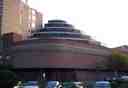
  1. To spot the Iglesia del Carmen, look for a modern, layered brick building with a stepped, pyramid-like roof topped by a gleaming cross-right at the busy intersection near the…더 보기간략히 보기

    To spot the Iglesia del Carmen, look for a modern, layered brick building with a stepped, pyramid-like roof topped by a gleaming cross-right at the busy intersection near the river and the railway. Welcome! You’re standing at the crossroads of history-and, conveniently, the intersection of Paseo del Empecinado and Calle del Carmen. In front of you stands the Iglesia del Carmen, a church with a dramatic past and a bold, modern look. Imagine the year is 1966. The scent of dust fills the air as the old baroque church-once covered in ornate carvings-is demolished, making way for something new. People from the neighborhood watch, some shaking their heads, others cheering for progress. Fast-forward to 1968, and here rises this striking red-brick structure. Its stepped silhouette almost looks like someone was stacking hats and decided not to stop! It’s very different from the curly flourishes of the old baroque style, but this building was designed to stand out in a new era-modern, sturdy, and reaching for the skies. Can you picture the crowd gathering for its grand opening on July 7th, 1968? The doors swing open, sunlight pours into the layered windows, and the community enters, eager to see what their new parish holds. Behind its unique look is a story of transformation, survival, and faith-proof that even amidst changing times and city landscapes, the spirit of the community finds a new home. So, ready to discover more of Burgos’ secrets? Let’s keep going-our journey is just getting started!

    전용 페이지 열기 →
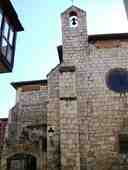
  2. To spot the Convento de Santa Dorotea, look for the sturdy stone facade with its small arched bell tower and a round stained glass window set high above-you’ll find it just ahead…더 보기간략히 보기

    To spot the Convento de Santa Dorotea, look for the sturdy stone facade with its small arched bell tower and a round stained glass window set high above-you’ll find it just ahead on your right, peeking out between the neighboring buildings. Now close your eyes for a moment and imagine it’s the year 1387. The scent of old stone fills the cool air, and a hush falls over the street as you step near the convent walls. Here, Dorotea Rodriguez Valderrama and a group of determined women gather, their voices blending in whispered prayers. They’re not just nuns, but pioneers-forming a community at the old church of Santa Maria la Blanca, searching for a place to call their own. Fast-forward to 1429 and picture Bishop Pablo de Santamaría cheerfully announcing, “You’ll now follow the rule of St. Augustine!” One can only wonder if the nuns gave a polite clap or just quietly groaned. The convent hopped around Burgos like a game of medieval musical chairs-after a stop at the church of San Andrés in 1457, it found its forever home right here in 1470. Kings got involved too-imagine King John II of Castile slipping gold coins under the convent’s door, like an early Santa Claus. And within these walls lie the grand tombs of Alonso de Ortega and Bishop Juan de Ortega, their stone faces forever watching over the nuns’ peaceful haven. If you listen closely, you can almost hear the bell ring out to signal the end of another quiet Burgos day.

    전용 페이지 열기 →
  3. To spot the Castilla y León Library, just look for the modern building with large glass windows on your left, set against the distinct reddish-brown sign of the Monasterio de San…더 보기간략히 보기

    To spot the Castilla y León Library, just look for the modern building with large glass windows on your left, set against the distinct reddish-brown sign of the Monasterio de San Agustín. Welcome to a place where history, art, and a splash of literary drama all unite - this is not just a library, it’s a true treasure chest! Imagine yourself standing where monks once walked in deep silence, in the beautifully restored San Agustín Monastery. If you listen closely, you might even hear the rustle of 30,000 books whispering stories of Burgos, Castilla y León, and their neighbors. The library wasn’t always this grand. It actually began as a small gathering of books from the Auxiliary Library of the Provincial Archive and blossomed thanks to a generous gift from Andrés Ortega del Álamo: talk about knowing how to pick a good birthday present! And brace yourself: hidden within these walls are the first editions by Manuel Machado himself, with secret inscriptions for his wife - love notes, 1920s style. That’s not all, you’ll also find a quirky collection of over 3,000 old schoolbooks; you might say this is the only place where homework from the 1800s is actually interesting. In 1998, the building got a major glow-up thanks to architect Marina Escribano Negueruela, mixing medieval vibes and contemporary style. So while you’re here, breathe it in - the scent of ancient parchment and modern coffee, the hum of history meeting today, and who knows, maybe a ghostly monk or two checking out the poetry section.

    전용 페이지 열기 →
12개 정류장 더 보기정류장 적게 보기expand_moreexpand_less
  1. To spot San Julián Obispo, just look for a strikingly modern, low concrete building with a wide, sloped metal roof and the words "Parroquia San Julián" gleaming above its…더 보기간략히 보기

    To spot San Julián Obispo, just look for a strikingly modern, low concrete building with a wide, sloped metal roof and the words "Parroquia San Julián" gleaming above its entrance, standing right across from a row of tall brick apartment blocks. Now, imagine you’ve stepped into Burgos, but not the medieval city of stone cathedrals and echoing cloisters-no, this time you’re whisked into the cool energy of the late 1970s. The city’s growing, new neighborhoods are rising, and right here, the local community needed a heart, a new place to gather, hope, and celebrate. The answer? San Julián Obispo, a church shaped by modern hands rather than ancient monks. Designed by architects Pedro Gutiérrez Ruiz and Pedro Silleras Alonso Celada, it was built between 1975 and 1977-a period when disco was king, but these guys preferred concrete and brick! Standing outside, notice how the central nave rises like a gentle hill, bigger and brighter than its neighbors. Inside, sunlight pours through that stunning stained glass window, throwing colored rays over everything and turning the simplest day into something special. The mix of reinforced concrete, sturdy solid brick, and sharp aluminum makes the building almost futuristic for its time-like a spaceship landed between city blocks. Imagine the first mass here as the echo of new voices, the warmth of the lights, and a burst of color through the windows. This is a church with its heart in the present, built for Burgos’ future. So, ready to step forward in time before we travel back again on our next stop?

    전용 페이지 열기 →
  2. To spot the Convento de Santa Clara, look for a sturdy stone building with rough, weathered walls and small arched windows, sitting quietly on the corner of the street like a…더 보기간략히 보기

    To spot the Convento de Santa Clara, look for a sturdy stone building with rough, weathered walls and small arched windows, sitting quietly on the corner of the street like a medieval secret waiting to be discovered. Now, picture yourself here in the thirteenth century-Burgos is alive with the clatter of wooden carts and the distant ringing of church bells. In 1234, at this very site, the Convento de Santa Clara rose up as a peaceful haven, its thick Gothic walls sheltering the devoted nuns who walked these halls. Back then, this place was part of the much larger and powerful Monasterio de Santa María la Real de Las Huelgas-think of it like being the little cousin to a royal palace. The air would have smelled of aged stone and candle wax, and there would have been a quiet hum of whispered prayers and the occasional giggle as nuns hurried between their daily tasks. The convent sits right at the crossroads of Calle de Covarrubias, del Progreso, and Santa Clara, anchoring the corner like a wise old storyteller. Imagine the stories these stones could tell-of pious devotion, but perhaps also the mischievous plotting of nuns sneaking a treat or two from the kitchen! This corner has witnessed centuries pass by, from the Middle Ages to the busy modern world, and each day the Convento still stands, watching history unfold.

    전용 페이지 열기 →
  3. To spot the National Center for Research on Human Evolution, just look for a modern, glass-fronted building with sleek lines and a touch of red on the side, standing out clearly…더 보기간략히 보기

    To spot the National Center for Research on Human Evolution, just look for a modern, glass-fronted building with sleek lines and a touch of red on the side, standing out clearly from the more traditional apartment blocks along the street. Now that you’re here, welcome to one of Burgos’ most futuristic gems! This striking building you’re gazing at isn’t just a pretty face-it’s the beating heart of our quest to unravel human origins. Let your imagination wander back to 2004, when a big idea began to take shape: to create an international hub where the mysteries of our past would be unearthed using cutting-edge science and tech. With the Spanish state and Castilla y León both throwing their weight behind the project, it was finally opened in 2011, Queen Sofía herself was here for the big ribbon-cutting. So, if you feel a regal presence or hear a faint royal trumpet…don’t worry, it’s just the history echoing around! This isn’t just any research building-it’s part of the mighty Human Evolution Complex in Burgos, closely tied to the legendary Atapuerca archaeological system. You’re basically at science’s control tower for understanding who we are and where we came from. Pop inside and you’ll find a hive of activity: four floors housing sophisticated laboratories, communal spaces, meeting rooms filled with jittery scientists and, if you listen close enough…maybe even the ghostly mumblings of ancient hominids debating whether to make a stone axe or grab a berry. Let’s talk about what goes on in there-it might sound like science fiction, but it’s all real! Three main quests drive this place: Archaeology, hunting for clues about ancient behaviors and culture; Geochronology and Geology, figuring out time itself with rocks and sediment; and Paleobiology, the grand adventure of studying long-lost life. They’re not just staring at dusty bones-they use everything from super microscopes and lasers to computers that can 3D map the tiniest scratches left by prehistoric tools. Ever wonder how old a rock is, or what a Neanderthal snack tasted like? Someone at CENIEH is probably figuring it out right now. Hidden within are laboratories as wild as their names: Experimental Archaeology and Taphonomy, where things are broken, burned, and buried to try to mimic what happened 20,000 years ago; labs for Archaeomagnetism, literally measuring the memory of ancient dirt; rooms gently glowing with red lights for Luminescence Dating, so precise you feel they might accidentally date your grandmother’s cookies if you left them unattended. Add advanced rooms for Archaemetry, Conservation, Uranium Series dating, and even micro-CT scanning-CENIEH is a treasure chest of scientific tools. You’d think scientists might be stingy with their fossils and tools, but not here. Inside, you’ll find three main collections. The Osteological Comparative Anatomy Collection-say that three times fast-has both real and replica bones, from cave bears to modern mammals, so scientists have something for everyone. There’s the LITHO and CET collections: rows of stone tools and experimental objects made and used just like Stone Age people would’ve, offering a hands-on look at how people survived and thrived. And don’t overlook the Archaeopalentological Collection, stacked with relics fresh from the Atapuerca dig sites: fossilized bones, ancient animal teeth, stone knives-the whole Pleistocene party! All of this is overseen by a unique consortium, half Spanish government, half Castilla y León government, teaming up like a scientific “Dynamic Duo.” Inside, about fifty people roam the corridors: not just researchers, but support staff and administrators, all working to bridge the gap from the Ice Age to your mobile app. But the story doesn’t stop at these walls. CENIEH is a core part of trans-European networks, working with other museums and labs from Paris to Berlin to share knowledge. They’re also crucial to local culture, helping bring findings back to schoolkids and families-so don’t be surprised if, right now, there’s a kid inside being blown away by a digital Neanderthal showing off his latest spear. And through it all, whether you’re a scientist, a schoolchild, or just a curious visitor with a thirst for time travel, CENIEH’s doors are open-ready to make a bit of ancient history part of your modern day. So, take a deep breath, look up at that sparkling glass facade-because you’re standing at the crossroads of yesterday and tomorrow! Ready to delve deeper into the institution, research or the infrastructure? Join me in the chat section for an enriching discussion.

    전용 페이지 열기 →
  4. To spot the Evolution Forum, look for the sleek, modern glass building right in front of you, its reflective panels catching the light as you walk along the riverbank. Now,…더 보기간략히 보기

    To spot the Evolution Forum, look for the sleek, modern glass building right in front of you, its reflective panels catching the light as you walk along the riverbank. Now, welcome to the Evolution Forum-Burgos’ cutting-edge palace of glass and possibility! Imagine standing here along the Arlanzón River, where the sunset bounces off those dazzling mirrored walls, and you can almost see the past and the future shaking hands. This impressive structure, dreamed up by the Spanish architect Juan Navarro Baldeweg, rose from the city’s soil back in 2005 and flung open its doors in 2012. You might think of it as Burgos flexing its futuristic muscles, saying, “Hey, world! We’re ready for your biggest ideas, your flashiest concerts, and, yes, even those wild theater performances that have everyone talking!” Step closer and listen: -inside these 31,000 square meters you’ll find a massive auditorium with 1,425 seats-big enough for epic symphonies or the kind of conferences where international experts peek over their glasses and everyone pretends to understand the PowerPoint. There’s even a smaller congress hall here, with almost 500 seats, featuring a huge glass window on one side that lets the sunlight pour in. You’ll also discover a rooftop lit-by-the-skies exhibition space, offices, and a maze of 21 multipurpose rooms where ideas are bouncing off the walls faster than you can say “Evolution Forum.” Down below, the space is ready for an invasion-with parking for 1,400 cars, it’s one of the biggest in Castilla y León! Oh, and if you ever wondered who keeps the ship running smoothly, since 2016 it’s been steered by director Juan José Pastor-so if you see someone running around looking very official, that’s probably him. Let your imagination run wild-musicians tuning up, spotlights flickering, or maybe a hairy caveman from the evolution museum next door sneaking in for a show. If the walls could talk, they’d say, “Welcome, the future is already here-and we’ve got coffee and WiFi!”

    전용 페이지 열기 →
  5. You’re looking for a sturdy, three-story palace with red brick above, pale stone below, and a grand arched entrance just below two flags-a building that stands out on the corner…더 보기간략히 보기

    You’re looking for a sturdy, three-story palace with red brick above, pale stone below, and a grand arched entrance just below two flags-a building that stands out on the corner between Calera and Miranda streets. Welcome to the Museum of Burgos-where the stories of the city come alive across centuries, and where, if these walls could talk, they’d probably ask you to mind your manners! Picture yourself stepping through that thick arched doorway, as generations before you have, maybe hearing the faint echo of footsteps on stone floors. What you see before you is not just one, but two glorious 16th-century palaces: Casa de Miranda and Casa de Íñigo Angulo, mighty reminders of the city’s Renaissance heyday. Now, rewind your imagination to the year 1846. The museum wasn’t always nestled here; it began life almost like a traveling circus-minus the elephants, plus a lot more treasure. The early collections were rescued from churches and monasteries after the big asset grab of 1835. Picture well-intentioned officials racing from church to church, arms full of paintings and statues, hoping nobody asked, “Hey, what’s that under your coat?” The valuables moved more than an indecisive tourist-San Jerónimo Seminary, the Institute of San Nicolás, a Carthusian monastery, schools, consulates, even the iconic Arco de Santa María-until the 1950s, when the collection finally settled into the elegant embrace of Casa de Miranda. Imagine the canons, the aristocrats, the buzzing city life outside as the palaces went up in the Renaissance, perhaps with stonemasons grumbling about their lunch while carving elaborate columns and capstones. They couldn’t have known this palace would one day become a time capsule of Burgos history, officially crowned a National Monument in 1962. If you could walk through its rooms, you’d climb sculpted staircases radiating out from a grand, sunny courtyard. Upstairs, you’re instantly ages away-one minute handling flint tools from Atapuerca’s earliest cave-dwellers, the next staring at gold torques from Iron Age chiefs, or peering at the mischievous faces of Roman gods on marble busts. There are treasures from all corners of the province: warrior jewelry, funeral urns, and the famous mosaic of Atalanta and Meleager hunting a wild boar-hundreds of tiny tiles, each loaded with drama and action, originally the size of a full squash court! If you hear any ancient battle cries, it’s probably just your imagination-unless you got a good audio guide. And don’t forget the works of art, stacked across centuries in Casa de Íñigo Angulo. You’ll find glowing golden icons, painted panels from medieval altars, curiosities like the mysterious “Virgen de las Batallas,” a legendary sculpture linked (a bit inaccurately) to the city’s favorite hero, El Cid. There are tomb sculptures so lifelike you might wonder if they’ll sit up at midnight and ask for a mug of hot chocolate. The halls echo with stories of grand funerals, secret artisans, and even a former palace owner who nearly sold the museum’s gorgeous Renaissance patio to-you guessed it-a Hollywood tycoon. Thankfully, Spanish laws stepped in, and the patio stayed put. Skip forward to the modern era, and you’ll see how the museum keeps growing-taking in new buildings, uncovering new treasures, restoring old masterpieces. Inside, amid all these riches, lies the sword Tizona, said to belong to El Cid himself. Is it real? Is it legend? Well, in this town, sometimes the answer is “yes” to both. So, while you listen here, picture all those layers-prehistoric hunters, Roman settlers, medieval knights, and curious modern visitors, each leaving a mark. If you feel a little shiver, don’t worry; it’s probably just history brushing past you on the street, eager to show you its secrets. There’s nothing like the adventure of the Museum of Burgos-a place where every artifact is waiting to tell its tale, and every room is a new chapter in the city’s long and winding story. Exploring the realm of the fine arts (house of íñigo angulo), parts selection or the image gallery? Feel free to consult the chat section for additional information.

    전용 페이지 열기 →
  6. To spot the Hospital de la Concepción, look for a sturdy, cream-colored stone building on the corner with a grand arched doorway and a statue set above the entrance, framed by two…더 보기간략히 보기

    To spot the Hospital de la Concepción, look for a sturdy, cream-colored stone building on the corner with a grand arched doorway and a statue set above the entrance, framed by two elegant columns. Picture yourself here in the 16th century-dusty travelers stumbling down the old streets, led by the promise of rest and healing. The Hospital de la Concepción, nicknamed the “Hospitalillo,” was founded by the merchant Diego de Bernuy. Step closer and imagine the sound of wooden wheels on cobblestones as pilgrims arrived, grateful for a meal and a bed. Men and women had separate wards, and the building you see boasts a facade so luxurious, it almost feels like arriving at a palace instead of a hospital. This place has played many roles through time: in 1799, it became the city’s Faculty of Medicine, buzzing with students’ debates and the occasional shriek from a surprise anatomy lesson. By 1813, the rhythm changed, as French troops stomped in, turning it into a barracks during the Napoleonic wars-imagine soldiers’ boots echoing in these very hallways. In our century, the hospital was painstakingly restored, and now is shared by the University of Burgos and the Provincial Archives. And don’t blink-soon, it’ll get a brand new annex, thanks to a whopping investment of over 30 million euros! If these stones could talk, they’d have tales of saints, scholars, soldiers, and students-one historic hospital, endless stories.

    전용 페이지 열기 →
  7. To spot the Church of Saints Cosme and Damian, look for a striking, sturdy stone structure with a massive, classicist baroque tower and a richly decorated entrance framed by…더 보기간략히 보기

    To spot the Church of Saints Cosme and Damian, look for a striking, sturdy stone structure with a massive, classicist baroque tower and a richly decorated entrance framed by medallions and statues, usually set just beyond the buzzing city walls on the southern bank of the Arlanzón River. Now, let’s dive into the vibrant past and treasures of this marvelous place together! Imagine yourself stepping back in time-the thirteenth century to be precise. The streets are winding, the river’s flowing gently nearby, and the air is tinged with stories, almost as if the stones themselves are whispering secrets. This church first appeared in the records in 1295, and rumor has it, San Julián himself-later Bishop of Cuenca-was baptized here back in 1128. Not a bad start for local legend: a spiritual launch pad before you could even use hashtags. Originally shaped by the same architect who created the famed Gothic cathedral, this church grew alongside the blossoming Vega neighborhood. Its structure started medieval, but by the sixteenth century, whispers of Renaissance and Gothic grandeur breathed new life into its stones. Juan Vallejo, a big name in Spanish architecture, rebuilt the north entry in 1552. Picture expert stonemasons carving ornate medallions of saints, while, just above you, the elegant Calvary scene crowns the entrance, guarded by the noble figures of Cosme and Damian themselves. Inside, three soaring naves are separated by pointed arches and lit by sunlight filtering through high windows. The main nave rises slightly higher than the others, while the deep, polygonal apse pulls your eye forward. At the heart of it all is a spectacular high altar-a riot of gilded swirls and painted saints, all crafted between 1663 and 1675. It's no exaggeration to say it’s more golden than a pirate’s treasure chest and almost twice as mysterious! Here, you’ll find Saints Cosme and Damian holding their martyr’s palms and medicine tools, sharing the spotlight with St. Peter, St. Paul, radiant angels, and an assembly of musicians frozen in time. In the uppermost part, a dramatic Assumption takes place, supervised by a choir so lively you half expect to hear a little trumpet fanfare anytime now. But even the grandest altarpiece needs its backstage mechanisms-enter the famous Manifestador, crafted in 1944 by a genius local artist. This isn’t just any old altar; it’s got moving parts! On special days, the baldaquino slides open with a secret, mechanical flourish, revealing the Holy Sacrament-a real crowd-pleaser long before anyone thought of theatre curtains. Centuries of stories linger in every chapel. Over in the nave of the Gospel, check out the modest yet moving funerary monument for Cristóbal de Andino, the superstar ironworker, and his wife. If you listen closely, perhaps you’ll hear the clink of imaginary swords, since Cristóbal’s artistry once shaped the city’s gates! Nearby rest other luminaries: Juan de Vallejo, and painters whose brushes colored Burgos’s very soul. History has a funny way of leaving traces, and nowhere is this clearer than in the side chapels. Here stands the revered “Christ of Health,” a haunting figure who once processed through Burgos’s night, accompanied by rows of somber cofradía members cloaked like old-school monks. Today, his procession during Holy Week still stirs crowds, and the echo of prayers-thankful, hopeful, and heavy with memory-fills the church each year. You’ll also spot a rare Renaissance baptismal font and painted panels, one recalling Christ’s descent from the Cross. If you peek into the nave of the Epistle, you’ll see a gleaming processional statue: Jesus bearing his cross-a true celebrity of Burgos’s Semana Santa processions. People gather each year for the dramatic “Encounter” on Holy Thursday, as the Chamarilero and Our Lady meet in a sea of candlelight and song, framed by the shadow of the great cathedral just across town. So, while you stand outside this church-on ground trodden for 700 years-imagine all the moments this sacred house has sheltered. Births, baptisms, funerals, whispers of popes and newspapers, contracts, and mystery. It’s not just a church; it’s a living, breathing scrapbook of Burgos. And next time you hear the bells, maybe, just maybe, that’s Saints Cosme and Damian giving you a cheerful nod from the past. Interested in a deeper dive into the description, furniture or the image gallery? Join me in the chat section for an insightful conversation.

    전용 페이지 열기 →
  8. To spot La Merced, just look ahead for a striking stone facade with a tall, pointy bell tower and a round rose window, nestled between more plain and weathered old buildings-it's…더 보기간략히 보기

    To spot La Merced, just look ahead for a striking stone facade with a tall, pointy bell tower and a round rose window, nestled between more plain and weathered old buildings-it's got an air of both grandeur and mystery. Now, close your eyes for a moment and picture this street over 500 years ago. The sound of chisels echoing through the chilly morning air, the scent of fresh stone dust swirling as master architect Pedro del Barrio Riaño shouted instructions and laid out the Gothic vision of La Merced. It was 1498, and Burgos was bustling, with rumors flying about this new church rising tall by the river. Imagine the swirl of cloaks as Mercedarian friars hustled between the arches, their whispers mixing with the clang of horseshoes nearby. And here’s a twist-the echoes of prayers haven’t left these walls, because despite all the centuries, the church is still used today by the Jesuit parish. There’s a certain romance knowing that for over 300 years, hidden behind these weathered stones, friars lived, laughed, and maybe even told secrets after curfew. Bit of a plot twist: the old convent spaces, once so sacred, now host parties and events-imagine Friar Juan catching a whiff of today’s catering! So as you stand here, let yourself feel the mix of solemn history and the sparkle of modern Burgos, all wrapped up in the sturdy embrace of La Merced’s golden stone.

    전용 페이지 열기 →
  9. Right in front of you is the Besson Bridge-a sturdy walkway with broad stone pillars rising from the river, topped by a classic iron railing-just follow the sound of rushing water…더 보기간략히 보기

    Right in front of you is the Besson Bridge-a sturdy walkway with broad stone pillars rising from the river, topped by a classic iron railing-just follow the sound of rushing water and look for the elegant, purple-metalwork stretching across the Arlanzón with tall trees and city buildings on either end. Now, close your eyes for just a moment-well, not too long, or you might walk right into the river! Imagine it's the mid-1800s and you’re a student or professor in Burgos, clutching your books, the wind biting at your cheeks, and the old road to the institute is a muddy mess, especially if it's been raining or snowing. You glance longingly across the river to your school or the grand Palacio de Justicia, but there’s just no easy way to get across. People are starting to grumble, especially when they arrive late with soaked shoes and ruined trousers. That’s when a remarkable man steps up-Eduardo Augusto de Bessón, a local hero who probably never expected a bridge to bear his name. Bessón wasn’t just anyone. Born in Madrid in 1822, he journeyed into law and landed right here in Burgos, becoming not only a respected lawyer but a passionate educator. He was a jack-of-all-trades: a logic professor, a secretary, later even the director of the institute. He wasn’t one to just sit by and watch his students and fellow professors slog through the mud. So, he took a bold step. In 1856, he formally asked the city council to build a much-needed bridge right here, defending his idea with the sort of determination you’d expect from a man who tackled both legal code and student complaints! At first, funds were tight-so tight you could almost hear the city’s purse squeak. But Bessón didn’t just talk. He dipped into his own wallet and loaned the money for wood, with the promise they’d pay him back someday. You see, the first version of the bridge wasn’t the sturdy iron structure you see now, but a humble wooden crossing, built atop stone footings. Picture it: wooden V-shaped buttresses, a simple timber platform, and balustrades. It did the job, but Bessón and everyone else knew the river Arlanzón had a temper, especially in winter, and that wooden structure couldn’t stand forever. Indeed, storms battered the bridge. Whenever the river swelled, everyone held their breath, hoping it would survive. Just imagine the suspense! More than once, the city needed to mend it, sometimes swapping out wood for stone, and sometimes fixing up what little they could. In 1864, a new plan arrived, thanks to the architect Severiano Sainz de la Lastra. No more rickety crossings-the bridge got a stone pier in the center and iron sheets on top. Fancier, yes, but not without its own headaches. As technology advanced, more patches and repairs were made. New lanterns went up in 1866 to keep night travelers from plunging into the dark water-a much-appreciated improvement, unless you fancied a surprise swim. Over the decades, better materials replaced older ones. By 1901, the iron balustrade you see today formed the model for many other bridges in Burgos. No longer just a crossing for teachers and anxious students hurrying to class, it became sturdy enough even for carriages to clatter across, iron echoing against the stone. Bessón’s perseverance not only helped everyone get to school or court with dry feet but shaped the very way this city grew and connected. He was a tireless advocate for Burgos, even stepping in as mayor for a time, pushing the city to advance culturally and economically. Sometimes the bridge groaned and needed repair, but Bessón’s legacy was like the bridge itself-dependable, resilient, and always bringing people together. So, as you stand here, listen to the river flow beneath those iron rails and think about all those footsteps-scholars, judges, ordinary folks-crossing this span for over a century. Not bad for a little bridge with a big backstory, right? And if your own feet are dry right now, you know who to thank: the man who quite literally bridged the gap in Burgos.

    전용 페이지 열기 →
  10. Look for a sturdy, stone church with a simple arched doorway, just up a small set of steps-keep your eyes to the left as you move along the street, and you’ll spot Santa Gadea’s…더 보기간략히 보기

    Look for a sturdy, stone church with a simple arched doorway, just up a small set of steps-keep your eyes to the left as you move along the street, and you’ll spot Santa Gadea’s historic facade. Now, as you stand before this ancient church, close your eyes and imagine medieval Burgos bustling with life, the air filled with whispers and the clattering of armored boots on cobblestones. It was here, at Santa Gadea, that the legendary El Cid, Rodrigo Díaz de Vivar, took center stage in a real-life medieval drama. King Alfonso VI was in trouble-everyone suspected him of having a much too convenient role in the death of his brother, King Sancho, during the siege of Zamora. So, the Castilian nobles dragged him right here, insisting that, before the eyes of God and all of Spain, he swear he was innocent. Imagine the tension-you could almost hear the nervous breathing, the anxious shuffles, and, no doubt, someone trying not to sneeze at the worst possible moment. El Cid, fearless as ever, stood tall and demanded the king speak the truth. With the townspeople holding their breath, King Alfonso took the legendary oath on this very spot, the drama later immortalized in one of Spain’s greatest medieval romances. Don’t be fooled by the quiet stone today-the church isn’t quite the same as in El Cid’s time, but if you look beside the door, you’ll see a plaque marking where history thundered through Burgos. So, ready for your own legendary tale? Just maybe pick a less dramatic way to settle sibling squabbles!

    전용 페이지 열기 →
  11. To spot the Burgos Interpretation and Tourist Reception Centre, just look ahead for a modern beige-and-white building with sharp lines and a bright yellow sign that reads “Oficina…더 보기간략히 보기

    To spot the Burgos Interpretation and Tourist Reception Centre, just look ahead for a modern beige-and-white building with sharp lines and a bright yellow sign that reads “Oficina de Turismo” right by the entrance, tucked between older structures. As you stand here, close to the busy heart of Burgos, imagine the echo of footsteps on the pedestrian street as travelers from all over the world approach this very spot. The Centre, which opened its doors in 2011, quickly became the city’s front desk, greeting everyone just a stone's throw from the grand Cathedral and the Arco de Santa María. It might look modern and simple on the outside, but inside it holds the pulse of Burgos tourism-over 82,000 curious visitors walked in during just one year! Some days it feels like every tourist in Madrid, France, and Germany drops by, hoping to unlock the city's secrets. On the main floor, you’ll find the helpful staff ready to rescue lost wanderers or send you off on the best local adventure. Sneak downstairs and you’ll travel through time with displays that piece together Burgos’ history-a giant model even lets you peek at the whole historic district at once, like a giant’s game of “Where’s Waldo?” Upstairs, it’s all quiet offices, where the magic of making tourism happen takes place. And if you prefer wheels to walking, you’ll notice “Bicibur,” the city’s free bike-loan service, waiting right across the way. Whether you pop by in the frosty winter mornings or on long summer days, the Centre is always ready to welcome you and share the wonders of Burgos!

    전용 페이지 열기 →
  12. In front of you, you’ll see a wide, lively boulevard lined with rows of twisted, leafless trees whose branches stretch out over the walkway, while elegant stone buildings and…더 보기간략히 보기

    In front of you, you’ll see a wide, lively boulevard lined with rows of twisted, leafless trees whose branches stretch out over the walkway, while elegant stone buildings and open-air cafés run along the right side-just step forward and take in the Paseo del Espolón. Welcome to the beloved Paseo del Espolón, the green heart of Burgos and the city’s grand open-air lounge! Imagine, if you will, stepping back more than two centuries, when this bustling promenade wasn’t a chic urban stroll but a soggy, flood-prone patch along the edge of the Arlanzón River. If you listen closely, you might almost hear the gentle behind you-because these very grounds were once regularly invaded by the river’s rising waters. To outsmart the river, the people of Burgos lifted and reinforced the land with sturdy buttresses, turning a watery nuisance into a centerpiece of the city. The name ‘Espolón’ comes from this cheeky feat of engineering, a reference to the ‘spur’ of land they created. By the late 1700s, Burgos was ready for a little glamour. They brought in architect Fernando González de Lara, who designed the grand gardens we see today, stretching a whopping 1,100 feet between two historic bridges-the Arco de Santa María and San Pablo. Back then, the promenade was so fashionable that even the carriages wanted to join the party, traveling the Bayona-to-Madrid route right down the central avenue, while the locals would promenade and watch the passing diligences-think of it as Burgos’ answer to the catwalk. Don't be shy, look around at the buildings lining the paseo: these harmonious façades sit atop the city’s old medieval walls. You’ll find the regal House of the Gaitero, the architect Lampérez’s striking corner house, and the landmark Consulate of the Sea building designed by Manuel de Eraso. These elegant survivors have seen everything-parades, protests, and more than a few extravagant coffee dates. Now, for a twist even Hollywood couldn’t write: In 1808, the French army, fresh from victory at Gamonal, marched into Burgos. Picture the boots of Napoleon’s troops echoing under the canopy of newly planted trees. The general himself stayed right here on the paseo, in the Consulate building. When he heard the tomb of El Cid-the legendary hero-had been raided and his bones scattered, he didn’t just send a strongly worded letter. No, he ordered that the remains be brought to Burgos and placed beneath a great circular ring of Italian poplars, right here on the Espolón, with solemn processions and plenty of drama. If you’d visited in the early 1800s, you’d have strolled three grand parallel roads, with noisy carriages and neat iron fences atop stone pillars acting as makeshift benches. Over time, though, the focus shifted: the city banned carriages, widened the walkways, added dazzling fountains (thank you, Queen Isabella II!), and replaced those acacias with grand oriental plane trees. There’s still a patchwork of greenery-a blend of acacias, soforas, and those famous planes-offering shade as the intertwined crowns overhead filter sunlight, perfect for people-watching or escaping the summer sun. The Espolón hasn’t just charmed royalty-though kings and queens did stroll here, and the widowed Marquesa de la Vilueña even built her own gardens, which welcomed the royal family in 1825. The city’s famous cafés sprang up in the 19th century-the Suizo, Candela, Montañés, and Iris-filling the air with laughter, gossip, and the clink of coffee cups. (The central stretch was even jokingly dubbed “the Swiss sidewalk”!). Even the statues here have stories: the four kings, placed in a neat square in 1795, guarded by stone balls atop iron railings; later, statues of Teodorico I, Alfonso VI, Juan II, and Saint Millán were added. And there’s more: in 1870, a grateful city placed a stone plaque on the river wall, giving eternal credit to Carlos III and Isabel II for their beautification efforts. As the 20th century rolled in, the Espolón adapted again, its greenery reimagined, its central walkways re-paved, and the bust of painter Marceliano Santamaría joining the crew in 1947, a nod to Burgos’ artistic spirit. So as you walk here, in the filtered light among the chatter of people and clatter of café chairs, imagine it all-carriages and soldiers, kings and queens, coffeehouse chatter and lost treasures, all spinning their stories along this proud, leafy avenue. Quite a place to finish our journey, don’t you think? If only these trees could talk… but then, they’d probably complain about all the pigeon gossip!

    전용 페이지 열기 →

자주 묻는 질문

투어는 어떻게 시작하나요?

구매 후 AudaTours 앱을 다운로드하고 교환 코드를 입력하세요. 투어를 바로 시작할 수 있습니다 - 재생을 탭하고 GPS 안내 경로를 따라가시면 됩니다.

투어 중 인터넷이 필요한가요?

아닙니다! 시작 전에 투어를 다운로드하면 완전히 오프라인으로 즐길 수 있습니다. 채팅 기능만 인터넷이 필요합니다. 모바일 데이터 절약을 위해 WiFi에서 다운로드하시는 것을 권장합니다.

이것은 가이드가 안내하는 단체 투어인가요?

아닙니다 - 이것은 셀프 가이드 오디오 투어입니다. 폰을 통해 오디오 나레이션을 들으며 나만의 속도로 독립적으로 탐험합니다. 투어 가이드도, 단체도, 일정도 없습니다.

투어는 얼마나 걸리나요?

대부분의 투어는 60-90분이 소요되지만, 속도는 전적으로 본인이 조절합니다. 원할 때 언제든지 일시정지하거나, 정류장을 건너뛰거나, 휴식을 취하세요.

오늘 투어를 끝낼 수 없으면 어떻게 하나요?

괜찮습니다! 투어는 평생 이용이 가능합니다. 원할 때 언제든지 일시정지하고 다시 시작하세요 - 내일, 다음 주, 또는 내년에도. 진행 상황이 저장됩니다.

어떤 언어를 이용할 수 있나요?

모든 투어는 50개 이상의 언어로 이용 가능합니다. 코드를 교환할 때 원하는 언어를 선택하세요. 참고: 투어 생성 후에는 언어를 변경할 수 없습니다.

구매 후 투어는 어디에서 이용하나요?

App Store 또는 Google Play에서 무료 AudaTours 앱을 다운로드하세요. 교환 코드(이메일로 전송됨)를 입력하면 라이브러리에 투어가 나타나며, 다운로드하여 시작할 수 있습니다.

verified_user
만족 보장

투어가 마음에 들지 않으시면 환불해 드립니다. 문의: [email protected]

안전한 결제

Apple PayGoogle PayVisaMastercardPayPal

AudaTours: 오디오 투어

재미있고, 경제적이고, 자유로운 셀프 가이드 워킹 투어

앱 체험하기 arrow_forward

전 세계 여행자들에게 사랑받고 있습니다

format_quote 이 투어는 도시를 보는 정말 좋은 방법이었습니다. 이야기들이 너무 대본처럼 느껴지지 않으면서도 흥미로웠고, 나만의 속도로 탐험할 수 있어서 좋았습니다.
Jess
Jess
starstarstarstarstar
Tbilisi 투어 arrow_forward
format_quote 관광객처럼 느끼지 않으면서 Brighton을 알아가는 훌륭한 방법이었습니다. 내레이션에 깊이와 맥락이 있었지만 과하지 않았습니다.
Christoph
Christoph
starstarstarstarstar
Brighton 투어 arrow_forward
format_quote 크루아상을 한 손에 들고 아무 기대 없이 시작했습니다. 앱이 그냥 자연스럽게 함께해 주는 느낌이에요, 부담도 없고, 그냥 나와 이어폰과 멋진 이야기들.
John
John
starstarstarstarstar
Marseille 투어 arrow_forward

무제한 오디오 투어

전 세계 모든 투어의 잠금을 해제하세요

0 투어·0 도시·0 국가
all_inclusive 무제한 탐험