
포르투 오디오 투어: 역사, 녹지, 문화 속으로의 여정
포르투의 고대 스카이라인 아래, 푸른 정원 위로 돔이 반짝이며, 여러 세대에 걸친 장관과 혁명을 숨기고 있습니다. 이 셀프 가이드 오디오 투어에 참여하여 도시의 가장 대담한 경기장, 숨겨진 예배당, 그리고 책으로 가득한 성소에 엮인 비밀스러운 이야기들을 발견해 보세요. 대부분의 방문객들은 결코 짐작하지 못할 이야기들입니다. 어떤 스캔들이 수정궁을 산산조각 내고 건축적인 UFO를 위한 길을 열었을까요? 망명한 왕의 마지막 숨결은 왜 야자수 그림자와 돌 항아리 사이에서 울려 퍼졌을까요? 어떤 시인의 유산이 도시의 현대적인 책의 전당 안에서 여전히 논쟁과 가끔 우산 사고를 형성하고 있을까요? 울려 퍼지는 경기장 바닥에서 왕실의 꿈으로 가득 찬 기념 예배당까지 구불구불한 길을 따라가 보세요. 드라마와 속삭임으로 가득한 공간을 거닐며, 매번 돌아서는 길마다 포르투의 잊혀진 전투, 사랑, 그리고 호기심을 눈부신 햇살 속으로 불러냅니다. 가까이 다가오세요. 모든 파사드 뒤에 숨겨진 이야기가 펼쳐지려 합니다. 포르투의 숨겨진 깊이를 탐험하는 여정이 지금 시작됩니다.
투어 미리보기
이 투어에 대하여
- schedule소요 시간 30–50 mins나만의 속도로 이동
- straighten2.9 km 도보 경로안내 경로 따라가기
- location_on
- wifi_off오프라인 작동한 번 다운로드, 어디서든 사용
- all_inclusive평생 이용언제든지 다시 재생 가능
- location_on수퍼 복 아레나에서 시작
이 투어의 정류장
To spot the Super Bock Arena, just look around for a huge, dome-shaped building that almost looks like a giant space helmet landed in the middle of a garden. Its roof is low and…더 보기간략히 보기
To spot the Super Bock Arena, just look around for a huge, dome-shaped building that almost looks like a giant space helmet landed in the middle of a garden. Its roof is low and round, with dozens of little circular windows dotting the surface, shimmering in the daylight. You’ll see it rising above the surrounding trees, right at the heart of the green gardens. If you see something that looks like a massive UFO has parked itself in Porto, you’ve found it! Take a deep breath here-the fresh grass and flowers all around are a welcome treat for your senses. Now, picture this: Once upon a time, this spot held the grand Palácio de Cristal, inspired by London’s own Crystal Palace. Imagine 1800s gentlemen and ladies parading around with umbrellas, hoping their hats stayed on in the Porto breeze! But in 1951, the Crystal Palace was torn down, and up sprang this bold beauty, a dome dreamed up by architect José Carlos Loureiro. At first, it was called the Pavilhão dos Desportos, and even before the roof was done, the world roller hockey championship was held inside. You can almost hear the cheer of a thousand fans as Portugal clinched victory on skates. Since then, every kind of slipper, sneaker, and circus shoe has hit this arena's floor-for basketball, volleyball, judo, ice shows, and rock concerts that made the roof vibrate from bass. In 1991, it got a new name, honoring Rosa Mota, Porto’s own marathon champion. Don’t be fooled by that retro look-this place is now a cutting-edge arena for up to 8,000 folks at a time, ready for anything: from book fairs to wild concerts, even a crash course in da Vinci’s inventions that pulled tens of thousands of curious minds through those doors. So while you stand here, take a moment to imagine the echoes of decades-sports shouts, music thrumming, and the odd elephant from back when the circus came to town. Not bad for a building that, from the outside, looks like a friendly green turtle, right? If only these walls could talk-or maybe sing a fado or two!
전용 페이지 열기 →Ahead of you stands the Carlos Alberto Chapel. It’s not your average chapel-look for a small but stately stone building nestled among tall palm trees and evergreens. Its face…더 보기간략히 보기
Ahead of you stands the Carlos Alberto Chapel. It’s not your average chapel-look for a small but stately stone building nestled among tall palm trees and evergreens. Its face almost resembles a secret tucked into nature, with a perfectly round window above the door, flanked by sturdy columns and two decorative urns on either side. The chapel’s light stone color really stands out in the shade of the gardens-if you’re approaching from the path, it’s framed by greenery and almost looks like it just popped up out of a storybook. Now that you’re right in front, take a breath and imagine the year is 1849. Europe is buzzing with dreams and drama-kings falling, revolutions swirling, people everywhere talking about freedom and unity. This very chapel is all about those big ideas. It’s here because of a king named Carlos Alberto, who rather dramatically lost his throne after fighting for a united Italy and ended up exiled right here in Porto. Imagine him: heavy cloak, tired eyes, walking among these trees far from his homeland, plotting and hoping, but also missing family, his royal dinners, and probably Italian pasta. His half-sister, Princess Augusta, wanted to honor him in a way no one could forget. So, she had this grand cenotaph built-basically, a kind of memorial that’s really a chapel. Some call it the biggest romantic cenotaph in all Portugal. This is a place that remembers dreams that never quite came true-Carlos Alberto died here, far from his kingdom, but his story didn’t end with him. After he passed away, he was taken back to Italy, but this spot stays as a tribute. If you could peek inside, you’d see three statues brought from Paris and imagine the first Christmas mass here, the candles flickering in the winter chill of 1861. The chapel was later passed down to royalty, changed hands many times, and now serves the local Lutheran community. If walls could talk, these ones would whisper about exiled kings, royal heartbreak, and the distant sound of Italian marches. So, as you stand here surrounded by gardens and sunlight, think of Carlos Alberto-fighting for a country that didn’t yet exist, remembered here among Porto’s trees. And don’t worry, there’s no history exam at the end of the tour-unless you count spotting your next stop as a victory. Ready to continue?
전용 페이지 열기 →You’re now right in front of the Almeida Garrett Library. As you walk up, look for a modern, quite striking building with wide horizontal lines running the whole length of its…더 보기간략히 보기
You’re now right in front of the Almeida Garrett Library. As you walk up, look for a modern, quite striking building with wide horizontal lines running the whole length of its facade-almost like the building itself is made of endless rows of books, just waiting to be opened. There’s a broad open area in front of it, perfect for taking in the view or just pausing to daydream about all the stories waiting inside. Here we are, at one of Porto’s most beloved cultural hubs! The Almeida Garrett Library doesn’t look like your classic, crumbling old library with towers and gargoyles-oh no, this one’s a sleek, modern fortress of knowledge. Imagine the gentle sound of leaves whispering in the Palácio de Cristal gardens just behind you, mixed with the excited chatter of visitors eager to dive into tales from Portugal and far beyond. Inside, it’s not just rows of books. This place is like a living, breathing stage for culture. Named after Almeida Garrett-a Porto-born writer who probably would’ve enjoyed all this attention-the library is a meeting ground for everyone who loves stories, art, or just a cozy place to catch up on some reading. There’s a massive gallery across two floors, where you might wander into an art exhibit or even a science expo. Once, back in 2001, a whopping twenty groups from all over Europe landed here for the city’s big year as European Capital of Culture. Talk about a full house! If these walls could talk, they’d have a few good stories about art, poetry, and the occasional mix-up involving someone’s lost umbrella. And over to your left-the auditorium, with seats for nearly 200 people, high-tech lights, and, let’s be honest, probably the best spot in Porto if you want to watch a film surrounded by the scent of fresh-cut grass from the gardens next door. There’s always something happening here: theatre, film, conferences, book launches, even poetry sessions where someone might suddenly burst out in rhyme. It’s the perfect place to stop, duck in for a moment, and soak up the city’s creative pulse. If you feel a sudden urge to recite poetry, don’t worry-you’re just catching the spirit of Almeida Garrett himself! Shall we wander on to our next adventure?
전용 페이지 열기 →

8개 정류장 더 보기정류장 적게 보기expand_moreexpand_less
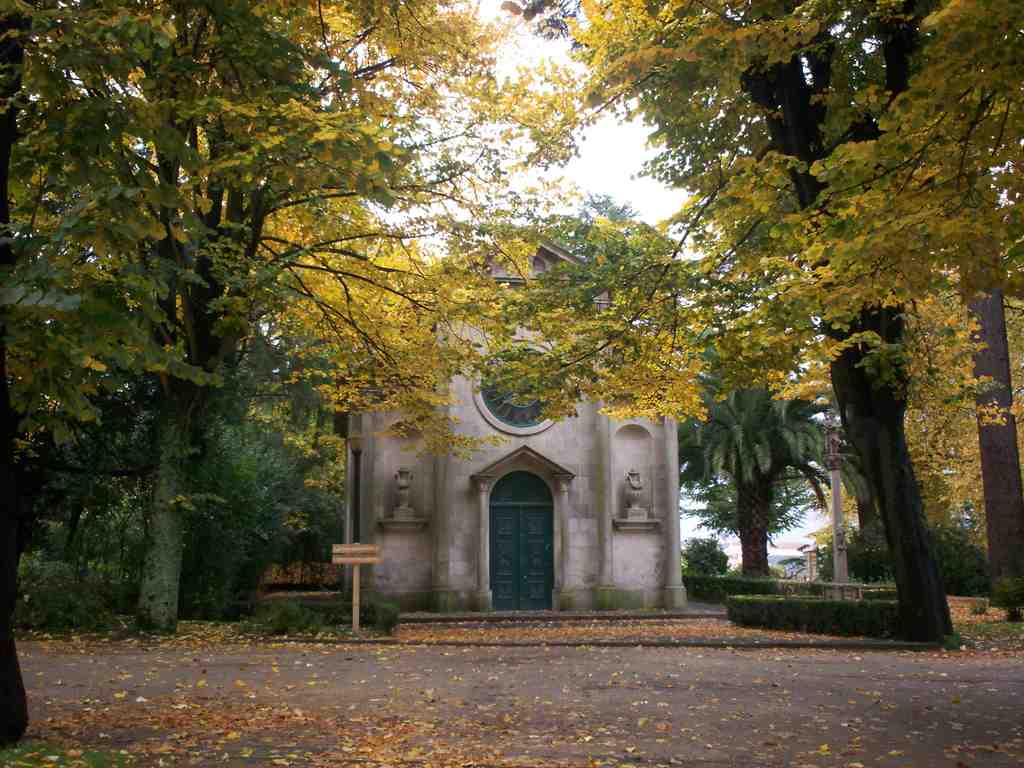
Right in front of you, you’ll see the Crystal Palace Gardens come alive. The entrance is tucked behind a guard of tall trees, with a small, charming chapel peeking through the…더 보기간략히 보기
Right in front of you, you’ll see the Crystal Palace Gardens come alive. The entrance is tucked behind a guard of tall trees, with a small, charming chapel peeking through the golden and green leaves. To spot it, just look for the old stone building at the end of the tree-lined path, its round window and a green wooden door framed by elegant statues. Fallen leaves scatter over the path, giving everything a touch of autumn magic - even in spring, it feels like time slows down here. Welcome to the Crystal Palace Gardens! Imagine you’re stepping into the city’s secret treasure chest. These gardens have been Porto’s outdoor living room since the 1860s, where people have come to relax, walk, and swap a few juicy stories - the kind you wouldn’t hear at home. If you listen closely, you might even catch an echo of leaves rustling as the wind slips between the branches overhead. Designed by Émile David, a German landscape wizard, these gardens were originally created to surround a glass palace. That original palace is long gone, replaced by the grand Rose Mota Pavilion, but the romantic spirit lingers. As you walk through, you’ll pass fountains and statues celebrating the seasons - imagine Winter grumbling next to a joyful Spring! There are rows of rhododendrons, camellias, even a few palm trees that seem to think this is California. Don’t forget to wander down the Avenue of Lindens, flanked by the city’s main library and a lovely outdoor music shell. Somewhere nearby is a restaurant with a terrace so close to the lake you can almost reach out and tickle a duck. My favorite part? The strategic viewpoints scattered around, offering jaw-dropping views of the Douro River snaking all the way to the sea. On sunny days, you may feel like the entire city is just laid out for you, waiting to be discovered. And tucked away in corners are themed gardens, from medicinal plants to the mysterious Garden of Feelings - don’t worry, nobody will quiz you on your emotions there! These grounds have seen their share of drama too, including heroic citizens banding together to save the gardens from demolition in 2009. Spoiler alert: the gardens won! Now, the only battle you’ll face is deciding between a peaceful stroll or a peek into the next adventure. So take a deep breath, enjoy the colors and scents, and get ready - the best view is just around the next hedge.
전용 페이지 열기 →As you’re walking down the gentle slope, look just to your right. Standing tall and unmistakable, the Tower of Pedro-Sem looks like it’s been on sentry duty for centuries. It’s a…더 보기간략히 보기
As you’re walking down the gentle slope, look just to your right. Standing tall and unmistakable, the Tower of Pedro-Sem looks like it’s been on sentry duty for centuries. It’s a big, square fortress made from chunky stone blocks, with spiky battlements all along the top. Its walls are peppered with small windows and an arched doorway at ground level. It rises up behind the lower, modern buildings like a medieval VIP, looming with quiet confidence. If you’re ever unsure-just look for the tallest, meanest-looking stone building on the street. Okay, time for a story-get ready to travel back to medieval Porto! Imagine you’re standing here hundreds of years ago, and all you hear is the echo of horse hooves on cobblestones and the distant clang of blacksmiths. Right in front of you is the famous Tower of Pedro-Sem. It’s more than just a fortress-this was Porto’s VIP lounge. It all began in the 1300s, with Pedro de Sem, the king’s right-hand man. His job? Keeping Porto safe from invaders and, let’s be honest, maybe protecting his own stash of secret snacks. Back then, this tower was part of a wall that hugged the city, keeping out troublemakers and giving the king somewhere to show off his royal style. Just picture knights in armor shuffling by and the air filled with suspense-was that a friend or a foe at the gate? The tower changed hands a few times, moving from one noble family to another-each one hoping the tower’s good luck would rub off on them. By the 18th and 19th centuries, there was even a fancy palace attached-clearly, these folks weren’t shy about their sense of style. And as Porto grew, this sleepy corner turned from quiet fields to city bustle. But the tower remained, like a time capsule with secrets stashed in its stones. Over the years, it’s been a palace, a bishop’s pad, and even a Catholic cultural center-if these walls could talk, you’d hear gossip from every century! So here it stands: a blocky, rugged monument to Porto’s medieval heyday, bristling with battlements and brimming with stories. Don’t be surprised if you feel a chill up your spine-it’s just the tower, keeping its ancient watch. Ready to carry on and see what’s next? Let’s go!
전용 페이지 열기 →As you approach, look out for a tall, dark wooden gate set into sturdy stone walls. Just above eye level you’ll spot a small plaque that reads “British Church of St. James.” If…더 보기간략히 보기
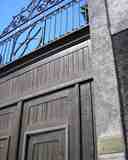
As you approach, look out for a tall, dark wooden gate set into sturdy stone walls. Just above eye level you’ll spot a small plaque that reads “British Church of St. James.” If you tilt your head up, you’ll see black ironwork curling and looping at the top, complete with a cross and a large round pattern-almost as if someone doodled with iron on a sunny day! This entrance looks solid and secretive, like the door to a quiet story waiting inside. Welcome to St James' Church-a place that whispers with British history right here in Porto. Imagine the rustle of merchant coats and the clink of wine bottles as British traders gathered here hundreds of years ago. This church has always felt like an English island in the middle of Portugal, ever since British merchants set up shop in Porto back in the 1300s. But it wasn’t always as peaceful as it looks today. The first chaplains here had a rather bumpy ride. Back in the 1600s, ministers like John Brawlerd and Dr. Samuel Barton risked the fierce gaze of the Portuguese Inquisition. If you’d been here then, you might have seen secret services moved from house to house each week, trying not to attract attention-no loud bells, just whispers behind closed doors and maybe a squeaky floorboard giving away a sermon in progress. Finally, by 1815, the very first stones of this church were laid-strangely enough, the day after the Battle of Waterloo! Picture the architect, probably still dizzy with the news from Europe, sketching away, making sure this building looked like a regular house so as not to spark local complaints. The inside was decorated with elegant stucco and had a triple-decker pulpit-yes, three decks, as if the preacher wanted to be sure everyone heard him, even those who dozed off in the back! And here’s a bit of a mystery for you-some of the pews inside were once marked with family names, like invisible “Reserved” signs that lasted right up till the late 1900s. I wonder if they ever argued over who got the comfiest seat on a chilly Sunday morning. Today, the church shines with beautiful stained glass windows that glow bright when the sun is out, each one telling its own story from St. James to St. George. So while it might look calm from the outside, remember, standing here, you’re touching centuries of secrets, struggles, and faith. Maybe you can even imagine the ghostly echo of an English hymn drifting through the streets of Massarelos. Onward to the next spot! Eager to learn more about the origins, church building or the churchyard? Simply drop your inquiries in the chat section and I'll provide the details you need.
전용 페이지 열기 →You’re almost at the Port Wine Museum! As you walk down this narrow cobblestone street, keep your eyes to the left. You’re looking for a sturdy stone building with big, dark green…더 보기간략히 보기
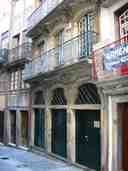
You’re almost at the Port Wine Museum! As you walk down this narrow cobblestone street, keep your eyes to the left. You’re looking for a sturdy stone building with big, dark green doors and metal latticework over the windows. There’s an old-fashioned charm to it-solid stone arches frame the doors, and above them are two classic balconies with curving, wrought-iron railings. It looks like it’s been standing here forever, quietly holding secrets of Porto’s most famous treasure: port wine. Now, take a deep breath-can you imagine the heavy scent of wine barrels that once filled this very street? This was no ordinary building. Back in the 1700s, it was a warehouse for the Companhia Geral da Agricultura das Vinhas do Alto Douro, storing barrels upon barrels of port wine, waiting to be shipped down the Douro River. Picture horse-drawn carts creaking up to these big doors, workers in flat caps hurrying to load casks, and maybe, just maybe, a stray cork rolling onto the cobblestones. The museum was opened in 2004 to share Porto’s delicious story with the world. And you know what? In 2019, it packed its (wine) bags and moved just up the way to Rua Reboleira 37-but even though those barrels have rolled onward, this building is still steeped in history. Here, every stone and every echo seems to whisper about the sweet, ruby liquid that helped put Porto on the map. Imagine how many glasses have been clinked in celebration, how many secrets have been swapped over a tumbler of port. If only the walls could talk-they’d probably say, “Cheers!” Or at least give you a friendly wink along with a glass.
전용 페이지 열기 →As you walk along the river and the breeze from the Douro hits your face, you’ll spot a grand, salmon-pink and white building right across the road-just look for the giant S.T.C.P…더 보기간략히 보기
As you walk along the river and the breeze from the Douro hits your face, you’ll spot a grand, salmon-pink and white building right across the road-just look for the giant S.T.C.P letters right up at the top. The Porto Tram Museum has a proud, stately feel, with old arched windows and a touch of industrial history. If you peer to the right, just behind some trees, you might catch a glimpse of a tram quietly waiting inside a large, dark shed. Now, here you are, face-to-face with Porto’s rolling time machines! The Porto Tram Museum stands in what used to be a humming power plant, its brick walls once buzzing with the sound of electricity pumping life into the city trams. Imagine giant boilers and tall engines hard at work, making the whole of Porto hop and whir with energy. Step inside and you’ll wander through a world where trams ruled the streets. Rows of vintage electric cars and trailers stand gleaming and silent, as if waiting for a signal to set off down old cobbled lanes once more. Close your eyes and you can almost hear the rattle and clack of wheels, the clang of the conductor’s bell, and maybe even a passenger grumbling about the weather! Each tram here has its own wild tale. There’s old Trailer Car 8, born in England and once drawn by a horse through Porto’s hills-talk about horsepower! Or how about Trailer Car 18, cheekily nicknamed “the smoker”-in summer, its windows came out so people could puff away as they rode, surrounded by lively chatter and clouds of smoke. Don’t miss the proud Electric Car 100, rebuilt to replace its fiery predecessor who fell victim to a dramatic blaze in 1928. Some of these trams still get to stretch their wheels each year for the museum’s annual parade. If you’re really lucky, you might even hear the real trams setting off, metal wheels squealing, ready to conquer the city again. It’s a place where every rivet and window tells a story, and if you listen closely, you just might hear the friendly ghost of an old tram driver, ringing a bell to greet you from another era. So, take a deep breath-doesn’t the air here smell just a little bit of electricity, oil, and excitement?
전용 페이지 열기 →To spot the Cold Stores of Massarelos, look for a bold building with strong, brown and yellow concrete shapes right in front of you. Notice the rounded corners, big glass block…더 보기간략히 보기
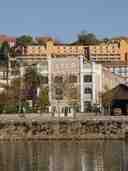
To spot the Cold Stores of Massarelos, look for a bold building with strong, brown and yellow concrete shapes right in front of you. Notice the rounded corners, big glass block windows, and long balconies with little pots-almost like the building itself is peering over the street to see who’s passing by. Its unique, boxy, and somewhat weathered look will surely catch your attention, like something pulled straight from 1930s modernist dreams. Alright, you’ve made it to your last stop-welcome to the Cold Stores of Massarelos. Imagine yourself about eighty years ago, right here by the Douro River. The air was thick with the smell of fresh fish, and big trucks and handcarts bustled up to this concrete giant. This building isn’t just another block of stone and glass. Designed by the clever Januário Godinho, its thick reinforced concrete kept things chilly enough for mountains of fish-so don’t be surprised if you get a shiver just thinking about it! Back then, the great hall inside was like an icy cathedral, echoing with the banter of fish sellers. You might hear a voice ring out, “The freshest catch in Porto!” and the answer from someone haggling hard, “I’ll only take it if it swims!” Maybe even a fish slipped and flopped around, trying to make its own getaway! The building isn’t just a leftover from a fishy past. No, this is one of Porto’s modernist icons-a true architectural superhero from the 1930s. It’s now protected as a Public Interest Property, and today, the slick Hotel Vincci Porto has moved in, giving the old walls a new lease on life. Peek up at those big round balconies-can you picture workers in the 1930s leaning over, shouting down to the dock workers below? Or maybe they were just sneaking a quick break, catching a breeze off the Douro. It’s a little mysterious, isn’t it? So many stories frozen inside, just like the fish once were. And now, as Porto changes all around it, the Cold Stores of Massarelos stand tough and proud-showing the city’s creative spirit, straight from the riverbank. Congratulations, intrepid explorer! You’ve reached the end of our tour, but Porto’s stories are far from over. Who knows what you’ll discover next time, or what secrets these walls still hold? If you listen carefully, maybe you’ll still hear the echo of a fishmonger’s call, bouncing down the street.
전용 페이지 열기 →


자주 묻는 질문
투어는 어떻게 시작하나요?
구매 후 AudaTours 앱을 다운로드하고 교환 코드를 입력하세요. 투어를 바로 시작할 수 있습니다 - 재생을 탭하고 GPS 안내 경로를 따라가시면 됩니다.
투어 중 인터넷이 필요한가요?
아닙니다! 시작 전에 투어를 다운로드하면 완전히 오프라인으로 즐길 수 있습니다. 채팅 기능만 인터넷이 필요합니다. 모바일 데이터 절약을 위해 WiFi에서 다운로드하시는 것을 권장합니다.
이것은 가이드가 안내하는 단체 투어인가요?
아닙니다 - 이것은 셀프 가이드 오디오 투어입니다. 폰을 통해 오디오 나레이션을 들으며 나만의 속도로 독립적으로 탐험합니다. 투어 가이드도, 단체도, 일정도 없습니다.
투어는 얼마나 걸리나요?
대부분의 투어는 60-90분이 소요되지만, 속도는 전적으로 본인이 조절합니다. 원할 때 언제든지 일시정지하거나, 정류장을 건너뛰거나, 휴식을 취하세요.
오늘 투어를 끝낼 수 없으면 어떻게 하나요?
괜찮습니다! 투어는 평생 이용이 가능합니다. 원할 때 언제든지 일시정지하고 다시 시작하세요 - 내일, 다음 주, 또는 내년에도. 진행 상황이 저장됩니다.
어떤 언어를 이용할 수 있나요?
모든 투어는 50개 이상의 언어로 이용 가능합니다. 코드를 교환할 때 원하는 언어를 선택하세요. 참고: 투어 생성 후에는 언어를 변경할 수 없습니다.
구매 후 투어는 어디에서 이용하나요?
App Store 또는 Google Play에서 무료 AudaTours 앱을 다운로드하세요. 교환 코드(이메일로 전송됨)를 입력하면 라이브러리에 투어가 나타나며, 다운로드하여 시작할 수 있습니다.
투어가 마음에 들지 않으시면 환불해 드립니다. 문의: [email protected]
안전한 결제 


