AudaTours logoAudaTours

탐페레 오디오 투어: 역사와 예술을 통한 오디오 여행

오디오 가이드11 정류장

청동 날개가 탐페레의 하늘을 가르고, 그 아래 돌기둥들은 예술, 권력, 그리고 고집스러운 선구자들의 전투를 상기시킵니다. 이 도시의 거리에는 비 오는 오후에 스쳐 지나가는 것보다 훨씬 더 많은 이야기가 있습니다. 이 셀프 가이드 오디오 투어는 관광객의 발길이 닿지 않는 곳에서 숨겨진 드라마, 조용히 묻힌 스캔들, 그리고 지역 역사를 다시 쓴 순간들을 드러냅니다. 라이쿠 내부에서 격렬한 시의회 고성방가를 촉발시킨 비밀은 무엇이었을까요? 두 청동 백조의 공개가 왜 성대한 상이 아닌 묘지에 대한 이야기로 끝날 뻔했을까요? 그리고 벨벳 커튼이 마침내 내려진 자정 이후, 탐페레 극장 날개에서는 누구의 발자국이 여전히 울려 퍼질까요? 반란과 예술의 메아리로 가득 찬 공원과 광장을 거닐어 보세요. 야망, 불운, 그리고 변화의 이야기가 거리로 쏟아져 나오면서 익숙한 랜드마크들이 눈앞에서 변하는 것을 지켜보세요. 이 이야기들이 날개처럼 여러분을 탐페레의 숨겨진 심장으로 이끌게 하세요—지금 재생을 누르고 탐험을 시작하세요.

투어 미리보기

map

이 투어에 대하여

  • schedule
    소요 시간 30–50 mins나만의 속도로 이동
  • straighten
    1.5 km 도보 경로안내 경로 따라가기
  • location_on
  • wifi_off
    오프라인 작동한 번 다운로드, 어디서든 사용
  • all_inclusive
    평생 이용언제든지 다시 재생 가능
  • location_on
    백조에서 시작

이 투어의 정류장

  1. To spot the Swans, look for a tall bronze sculpture on a granite base in the park, showing two dramatic, upward-stretching swans with their wings reaching for the sky. You’ve…더 보기간략히 보기

    To spot the Swans, look for a tall bronze sculpture on a granite base in the park, showing two dramatic, upward-stretching swans with their wings reaching for the sky. You’ve found the Swans! Right now, you’re standing in Kirjastonpuisto, and in front of you are two elegant bronze birds reaching so high, you might wonder if they’re about to take off-or maybe just showing off for the local ducks. Picture Tampere in 1938: the river mist rising behind you, and the city buzzing with excitement as this very sculpture is revealed at the riverside. Jussi Mäntynen, the artist, spent nearly 30 years surrounded by real animals at the University of Helsinki’s museum. No wonder his swans look ready to flap away! But here’s a twist: this isn’t the only set of Mäntynen’s swans. The first one was made in 1936 for a grave in Turku, and an extra copy landed there again in 1963, but only after Mäntynen and his wife decided a public park was more fun than a cemetery. Their graceful movement and posture captured so many hearts that small copies were handed out as prizes for decades, almost like Tampere’s fanciest souvenir trophies. As you stand here, imagine the swans soaring to Paris, too-this sculpture even won the Grand Prix at the World’s Fair! So, be sure to take in their determined poise. The birds may look still, but you can almost sense the air shivering around their wings, ready to lift them toward the clouds.

    전용 페이지 열기 →
  2. To spot Laikku House of Culture, look ahead for a grand pale yellow building with tall, white columns and a wide staircase right in front-it stands out just off the edge of the…더 보기간략히 보기

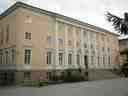
    To spot Laikku House of Culture, look ahead for a grand pale yellow building with tall, white columns and a wide staircase right in front-it stands out just off the edge of the Central Square. Alright, pause here for a second and take it in! You’re standing in front of a building that’s seen more drama than a soap opera marathon-Laikku House of Culture. Fun fact: once upon a time, this was actually Tampere’s main library, but now it’s a hub where art, music, and lively events are always around the next corner! Let’s set the scene: the year is 1925, the city’s buzzing, and on these very steps, townsfolk in their finest hats marvel at this brand new, modern wonder. At that time, Tampere had wrestled with different ideas over where to put the new library for years. It took a shoe factory owner-yes, you heard that right, a shoe magnate named Emil Aaltonen-to finally light a fire under everyone with a huge donation. People argued for ages about the location, and the city council meetings must have sounded like a family dinner with too many cooks. Eventually, they picked this scenic spot near the Old Church park, and the brothers Jussi and Toivo Paatela designed the final four-story, rectangular building you see here. Originally, Laikku wasn’t just for books-imagine passing through these doors and hearing the echoes of city council debates, art exhibitions, and lectures filling the halls. Back then, it was the most modern library in the country, and cost a jaw-dropping 3.5 million marks. Even after the library moved out and the new Metso library was built elsewhere, this building found a second life. In the eighties, it was transformed into offices and cultural spaces, embracing everything from city education to art galleries and kid’s puppet theaters. Speaking of second acts, a huge renovation finished in 2018 gave Laikku its latest makeover-turning it into a vibrant cultural center with gallerias, meeting rooms, a cozy café, and a music hall with a massive Tampere fresco. With its stately steps and monumental columns, Laikku stands as a classic symbol of 1920s architecture-simple but grand, welcoming anyone who loves art, culture, or just a good cup of coffee. So if these walls could talk, they’d probably invite you in for a gallery tour…and maybe share a library joke or two-like, what’s a book’s favorite snack? Page chips!

    전용 페이지 열기 →
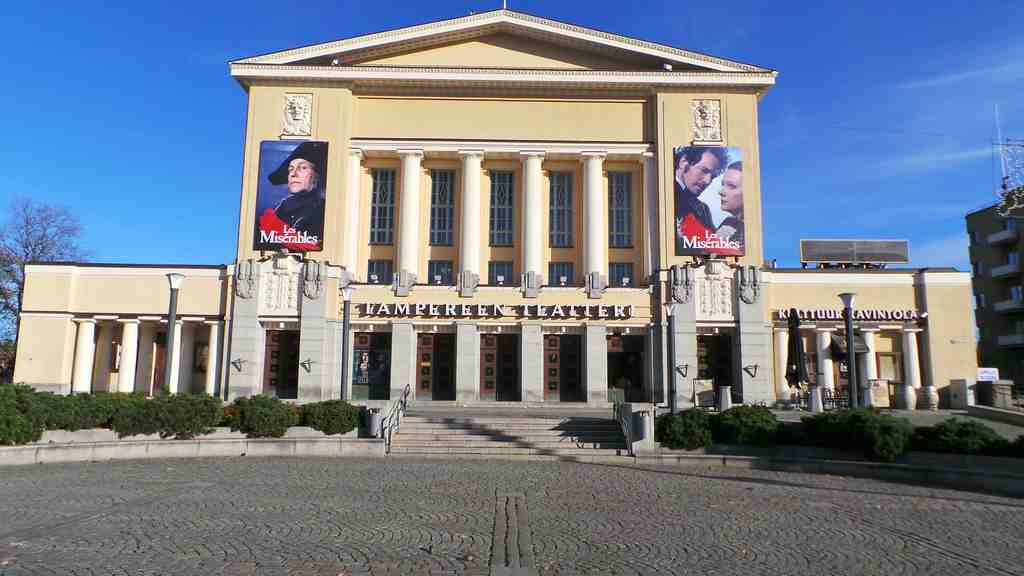
  3. To spot the Tampere Theatre, look straight ahead for a grand, cream-colored building crowned with tall, white columns and banners showing dramatic scenes-right in the heart of the…더 보기간략히 보기

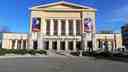
    To spot the Tampere Theatre, look straight ahead for a grand, cream-colored building crowned with tall, white columns and banners showing dramatic scenes-right in the heart of the city opposite the municipality hall. Now, as you stand here in front of the Tampere Theatre, imagine yourself stepping back in time over a hundred years. The year is 1913: carriages rattle by, hats and coats flutter in the breeze off the nearby Tammerkoski rapids, and there's an electric buzz in the air. This beautiful building, built in the style of National Romantic architecture, has just opened its doors. People from across Tampere gather outside, craning their necks to see who will walk up those stately steps first. Will it be the star of tonight’s play, or maybe a mysterious guest who likes to cause a bit of drama themselves? The theatre was a dream come true for the city, after nearly a decade of careful planning-it started in 1904 but took years of anticipation and, let's be honest, probably a few cups of strong Finnish coffee. Today, the theatre still stands as a beacon of culture, laughter, and maybe the occasional bad audition (even the best theatres have them, trust me!). There’s even a second spot nearby-the Frenckell Hall-tucked into an old brick mill, where more intimate plays bring the riverside to life at night. If these walls could talk, who knows what backstage secrets they’d whisper to you?

    전용 페이지 열기 →
8개 정류장 더 보기정류장 적게 보기expand_moreexpand_less
  1. To spot the Old Church of Tampere, just look for the charming pale wooden building with a classic clock tower and a welcoming dome roof, right next to the big square-if you see…더 보기간략히 보기

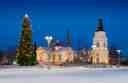
    To spot the Old Church of Tampere, just look for the charming pale wooden building with a classic clock tower and a welcoming dome roof, right next to the big square-if you see the towering, lit Christmas tree nearby, you're in the right place! Welcome to a spot filled with whispers from Tampere’s earliest days! The Old Church, in front of you, has stood here since 1825-though if you could smell time, you’d catch just a whiff of sawdust and old pine, as this is the oldest surviving building in central Tampere. Picture it: before this church, Tampere folks bounced between distant chapels and even an old vodka distillery for worship-yes, nothing like a little spirit before a sermon! Imagine carriages rolling up over crunching gravel, people wrapped in heavy coats, and the bell’s echo through the frosty air. The land for the church was planned way back in 1779, but nothing happened for ages-like waiting for your toast to pop up, but for almost 50 years! When they finally started building, arguments flew about whether the church should be made of wood or stone. Wood won, and thanks to architect Charles Bassi, in 1824 the doors finally opened for Advent Sunday. Later, Carl Ludvig Engel (the same guy who helped shape Helsinki!) designed the clock tower right behind you. Now, here’s a twist: the church’s first bell tower was just a temporary wooden thing on stilts, but a generous grant from Emperor Alexander I led to the mighty steeple you see today, along with a shiny bell from Stockholm. Over the years, the church survived wars, slow fundraisers, and even some heated renovations, the most dramatic one in the 1950s that brought it back to its original glory. Even today, you might hear echoes of past prayers or the sound of the old organ pipes filling the air. So, as you stand here, surrounded by history, just imagine all the weddings, funerals, and life stories this little wooden church has seen-isn’t it amazing what one building can witness over 200 years?

    전용 페이지 열기 →
  2. Look for a long row of striking red-brick buildings right by the river, with an impressive octagonal tower and tall brick chimney-once you spot those classic factory windows and…더 보기간략히 보기

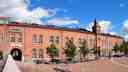
    Look for a long row of striking red-brick buildings right by the river, with an impressive octagonal tower and tall brick chimney-once you spot those classic factory windows and the bridge leading up to it, you've found the Frenckell Paper Mill. Welcome to the beating heart of old industrial Tampere! Imagine you’re standing here in the 1800s: the air is thick with the scent of wet paper and wood, and the steady hum of machinery rolls from the windows. This site has a secret claim to fame. While it might just look like another sturdy red-brick building, it was here in 1842 that Finland’s very first continuous paper machine, an invention called the fourdrinier, started rolling out sheets faster than you can fold a paper airplane. But hold on-let’s rewind even further. It’s the late 1700s. Abraham Häggman, a copper smith from Ostrobothnia, starts Tampere’s first paper factory right on this spot. Back then, paper was made by hand, one wet, pulpy sheet at a time, with rags as the main ingredient. It took a lot of muscle and a bit of magic (well, skill and sweat). Fast forward to the 1860s: not only did the Frenckell family take over with their fancy new machines, they got so ambitious that by the 1870s, they needed a chimney taller than anything in Finland. Did Finns build it? Nope, they had to bring in Russian bricklayers. There just weren’t enough daredevil builders in town-imagine those workers, bracing against the wind, stacking bricks without scaffolding! By the 1900s, this place was a sprawling, stylish industrial palace, thanks to architect Birger Federley. It boomed until the 1920s, churning out newsprint and even power paper for export, before the machines finally fell silent and the city of Tampere took over. Today, where engines whirred and paper flew, actors now perform and offices buzz with quieter tasks. Take a deep breath, look up at that chimney, and let history sweep over you. You’re standing in a patch of living memory-protected, preserved, and thrumming with stories!

    전용 페이지 열기 →
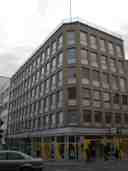
  3. Look for a tall, light-brown building with rows and rows of square windows set at a sharp corner right at the intersection of Satakunnankatu and Aleksis Kiven katu-the Textile…더 보기간략히 보기

    Look for a tall, light-brown building with rows and rows of square windows set at a sharp corner right at the intersection of Satakunnankatu and Aleksis Kiven katu-the Textile House is hard to miss! Now, let’s spin you a yarn (get it?) about the Textile House! Picture Tampere in the late 1950s: the streets hum with the clatter and whoosh of textile factories, everyone rushing off to work, collars crisp and scarves fluttering. Right on this spot, people used to talk about the old Frestadius house, where a little boy named J. K. Paasikivi-future president of Finland, no less-once played and dreamed. But in 1958, things changed. Architect Jaakko Tähtinen, no stranger to sharp lines and modern vibes, designed this very building where you’re standing now. The Textile House wasn’t just any apartment block. Oh no! This was the headquarters for textile titans-Finlayson and Tampella-who basically dressed half of Finland! The apartments went to their collar-and-tie crew, so you can bet there were some lively laundry days and plenty of factory gossip whispered behind those windows. If you listen closely, maybe, just maybe, you’ll catch an echo of a manager hurrying out the door, tie askew, or the satisfied sighs of workers returning home after a day of weaving and spinning. Today, Textile House stands as a monument to Tampere’s proud industrial past-imagine all the stories, dreams, and threads woven into its walls! Keep your eyes peeled; every window here has its own little secret.

    전용 페이지 열기 →
  4. To spot Sandberg House, look straight ahead at the corner of Kauppakatu and Aleksis Kiven katu for a large cream-colored, three-story building, marked by a shop sign that says…더 보기간략히 보기

    To spot Sandberg House, look straight ahead at the corner of Kauppakatu and Aleksis Kiven katu for a large cream-colored, three-story building, marked by a shop sign that says "Kekäle" above the entrance and large modern banners in the windows. Alright, time to take you back in time at Sandberg House! Imagine yourself here in the late 1800s. Instead of the rush of bicycles and window shoppers, you’d hear the clip-clop of horses and the whispers of business deals through open windows. The house was born in three stages, like a cake with extra layers-a grand idea from city architect F. L. Calonius, but brought to life by an ambitious pharmacist and city councillor, Thomas Wilhelm Clayhills. Finished with its newest slice in 1897, the building soon buzzed with excitement: not just because it looked fancy, but because it housed Tampere’s first-ever telephone exchange! Just picture a handful of people, very seriously connecting a tiny handful of calls, probably hoping for some good gossip between the apothecary and Pyynikki restaurant. And it didn’t stop there: Sandberg’s hardware store opened here in 1882, and stayed in business so long the whole house kept the name! There was a real mix-hardware, apothecaries, and later the Kekäle store you see today. Oh, and there’s a legend that the oldest stairwell inside looks almost exactly like it did over a century ago-ceiling paintings and all! So, next time you use your phone, give a little mental nod to this corner where Tampere’s first phone call once rang out. Who knew history could dial up such a story?

    전용 페이지 열기 →
  5. To spot Tampere Central Square, just look ahead for a wide, open cobblestone area surrounded by elegant stone buildings and, if it's the right season, a towering Christmas tree…더 보기간략히 보기

    To spot Tampere Central Square, just look ahead for a wide, open cobblestone area surrounded by elegant stone buildings and, if it's the right season, a towering Christmas tree right in the middle-it's hard to miss! Now that you’re standing in Tampere’s beating heart, imagine the air swirling with the scent of roasted nuts, the clatter of carriage wheels, and the sound of laughter echoing between grand old buildings. Long ago, this was called the Market Square, and from dawn until dusk, it buzzed like a beehive with farmers, fishmongers, and anyone with a clever bargain to make. It was so busy, if a potato fell to the ground, it might start its own adventure just rolling across the square. In 1936, the square was given its fancier name-Keskustori, the Central Square-maybe because nobody wanted their postal address to sound like a veggie stand. But this spot is more than just markets and meetings; it’s framed by some of Tampere’s most important buildings: the City Hall, the Old Church, the theatre, all watching quietly as history unfolds, from grand parades to summer festivals and even a winter ice-skating show or two. Picture yourself in the center, with city life whirling all around-the past, present, and maybe, if you listen closely, a whisper of a bargain echoing on the breeze. And hey, if you spot the Christmas tree sparkling here, just know this square hosts magic in December too!

    전용 페이지 열기 →
  6. To spot the House of Production, look for a large, light-grey, five-story building with rounded corners and big windows right on the busy corner of Hämeenkatu, above several…더 보기간략히 보기

    To spot the House of Production, look for a large, light-grey, five-story building with rounded corners and big windows right on the busy corner of Hämeenkatu, above several lively storefronts. You’re now standing in front of the House of Production, but don’t let its calm, functional style fool you-this building has seen more action than a soap opera marathon! Back in 1914, architect Birger Federley drew up this impressive place in what was then a fashionable late Jugend style. Just imagine bustling crowds, sharp-dressed locals, and the whirr of early telephones, since it was originally made for the Tampere Telephone Company. The place even hosted one of Finland’s earliest telephone centers, and believe it or not, when a fire broke out here in 1920, it melted a whole cable leading all the way to Pyynikki! That knocked out about 200 phones, and let’s just say, there were some very disconnected conversations that day. But this old box of drama wasn’t done-during the Winter War in 1940, bombs and fire tore through its top like a bad haircut, leaving scars that architect Bertel Strömmer later patched up with crisp, clean lines in a new functionalist style. There’s a certain poetry in how it went from elegant curves to sharp corners, don’t you think? If you had stepped inside in the roaring twenties, you would have found the famous Villensauna restaurant. Downstairs, folks enjoyed intimate meals, while upstairs, the big hall came alive with music, laughter, and cabaret singers. Picture an Italian conductor waving his violin, and the clinking of glasses as the crowd cheered on the nightly show. And here's one for all you radio lovers: in 1923, Finland’s very first public radio broadcasts started right inside these walls. Walk around the corner, and you’ll see a plaque marking the birth of broadcast history. So whether you’re picturing lost phone calls, secret cabaret nights, or crackling radio waves, just know this sturdy building has survived fire, war, and wild nights-and it’s still standing strong, ready for its next chapter.

    전용 페이지 열기 →
  7. Look for a tall, modern building where Kauppakatu and Hämeenpuisto meet-imagine a much grander house, once standing where the apartment block is today, with three elegant floors…더 보기간략히 보기

    Look for a tall, modern building where Kauppakatu and Hämeenpuisto meet-imagine a much grander house, once standing where the apartment block is today, with three elegant floors dressed up in Renaissance style. Alright, take a deep breath and let’s turn back the clock. You’re now standing at the lively corner of Kauppakatu and Hämeenpuisto, but if you’d been here a hundred years ago, you’d be gazing at a true Tampere legend: the Spirit Factory Building, or as locals called it, Brander’s House! Designed back in 1891 by F. L. Calonius-who, frankly, had a thing for Renaissance flair-it looked almost royal with its decorative windows and detailed stonework. But don’t let its grand looks fool you: behind this stately façade, secrets bubbled away! That’s right, tucked in its courtyard, Granberg’s distillery brewed up spirits that kept Tampere’s parties lively (and maybe helped a few people forget the long Finnish winters). As if it wasn’t already charming, the roaring twenties brought Brander’s Confectionery into the mix-imagine the sweet scents drifting out onto the street, tempting everyone nearby. Not enough excitement? Well, between 1928 and 1933, floors two and three transformed into Hotel Astoria (later, a private hospital-because apparently, after enough pastries and parties, you might need a doctor). In 1962, in the name of progress and profit, this beloved building was replaced by the modern apartment block you see now. Some say Tampere lost a jewel, and a famous local author even mourned its passing, calling it a masterpiece that absolutely should have been saved. If only these walls could talk-or pour a drink-they’d certainly have stories worth toasting!

    전용 페이지 열기 →
  8. To spot the Statue of Liberty here in Tampere, look ahead for a tall, reddish granite pedestal crowned by a striking bronze statue of a naked man with his right arm raised high,…더 보기간략히 보기

    To spot the Statue of Liberty here in Tampere, look ahead for a tall, reddish granite pedestal crowned by a striking bronze statue of a naked man with his right arm raised high, holding a sword straight toward the sky-trust me, you can’t miss it, he’s got more confidence than most people at a karaoke bar! Now, let’s take a deep breath and step back in time to the early 1920s, right here in Hämeenpuisto. You’re standing in the heart of Vapauden aukio-Liberty Square-an area humming with history and a splash of controversy. The statue in front of you, built in 1921, was created by sculptor Viktor Jansson with a bit of artistic inspiration from architect Wäinö Palmqvist. The model? Not your average neighbor, but a young theology student named Elias Simojoki. Jansson spotted him flexing his muscles in a Helsinki gym and thought, “Now there’s a fellow who looks heroic enough to stand here, exposed to the elements and the judgmental eyes of just about every passerby!” But what are you really seeing? At 4.2 meters tall and perched on nearly 6.5 meters of granite from the far-off town of Hanko, the bronze figure is bold as can be. He stands in a classic athlete’s pose, feet planted apart, left hand balled in a fist, sword pointing straight, and head turned toward the west-almost as if he’s keeping an eye out for historical troublemakers. The design, inspired by ancient Greek statues of victorious athletes, was meant to scream bravery and power. Nothing says “fearless hero” like facing Finnish winters in the nude, right? So, why all the drama around this bronze muscleman? The statue commemorates the dramatic capture of Tampere during the Finnish Civil War-a ferocious and tragic chapter in 1918 that saw White and Red factions clashing fiercely. The Whites claimed victory here, and this monument was their way of marking it. But, oh boy, did this boy with the sword spark some heated debates. The Blacksmiths of Politics quickly got their hammers out! Many from the working class-especially those at the Workers’ Hall right across Hämeenpuisto-were less than thrilled to see the statue’s sword pointing straight at their home base, like a not-so-subtle “I’ve got my eye on you” gesture. Over the decades, the statue earned some tongue-in-cheek nicknames, like “Rummin-Jussi,” after a notorious executioner from the White side. Talk about an awkward neighbor to have. The story behind this statue is as tangled as a fairy tale forest. In 1918, mere months after the Civil War’s bloodiest battle ended in Tampere, local politicians were already arguing about where to put the monument-and more importantly, what it should look like. Should it be a humble, kneeling soldier or a victorious, sword-wielding superstar? By 1919, a city-wide competition attracted 25 different proposals-no shortage of opinions here! Viktor Jansson and Wäinö Palmqvist’s design, titled “Victor” (which literally means “winner”-talk about on the nose), finally took the prize in a dramatic tiebreaker. Fast forward to the big reveal. April 3rd, 1921. Imagine bands playing, soldiers marching, and a grand unveiling, timed so carefully it landed on the anniversary of the Whites’ assault on Tampere’s center. The city’s notables arrived in their finest suits, as excited as if it were the Oscars. But not everyone was applauding. Political leaders bickered wildly about who should pay for it, whether it should even exist, and whether its sword was picking a fight it couldn’t finish. At one point, the city council voted to tear the statue down, only to be met with telegrams, protests, and a tug-of-war between conservatives and social democrats. It was as if the Civil War had never really ended-just moved from the city’s streets to its council rooms. And right here, in the years after that festive yet feverish unveiling, the statue became a battlefield of symbolism. Some claimed it celebrated freedom from Russian rule, others argued it was a case of “victory gloating.” Even art historians visiting from Italy mistook it for a fascist monument-awkward! Leftists kept a close watch on its sword, convinced the angle was no accident. Even today, every so often, vandals sneak up and paint their messages on its base, determined to have the last word. There’s never a quiet day for this dramatic gentleman of granite and bronze. So as you stand here now, picture Tampere a hundred years ago, streets pulsing with both pride and pain, citizens clashing in council meetings and in the avenues below. This statue is no ordinary monument. It’s a frozen conversation about history, heroes, and the tricky business of who gets to tell the story. And every day, it stands tall-sword raised, staring boldly into the future, just waiting to see what you make of it. And honestly, if statues could talk… he’d probably have some legendary stories to tell!

    전용 페이지 열기 →

자주 묻는 질문

투어는 어떻게 시작하나요?

구매 후 AudaTours 앱을 다운로드하고 교환 코드를 입력하세요. 투어를 바로 시작할 수 있습니다 - 재생을 탭하고 GPS 안내 경로를 따라가시면 됩니다.

투어 중 인터넷이 필요한가요?

아닙니다! 시작 전에 투어를 다운로드하면 완전히 오프라인으로 즐길 수 있습니다. 채팅 기능만 인터넷이 필요합니다. 모바일 데이터 절약을 위해 WiFi에서 다운로드하시는 것을 권장합니다.

이것은 가이드가 안내하는 단체 투어인가요?

아닙니다 - 이것은 셀프 가이드 오디오 투어입니다. 폰을 통해 오디오 나레이션을 들으며 나만의 속도로 독립적으로 탐험합니다. 투어 가이드도, 단체도, 일정도 없습니다.

투어는 얼마나 걸리나요?

대부분의 투어는 60-90분이 소요되지만, 속도는 전적으로 본인이 조절합니다. 원할 때 언제든지 일시정지하거나, 정류장을 건너뛰거나, 휴식을 취하세요.

오늘 투어를 끝낼 수 없으면 어떻게 하나요?

괜찮습니다! 투어는 평생 이용이 가능합니다. 원할 때 언제든지 일시정지하고 다시 시작하세요 - 내일, 다음 주, 또는 내년에도. 진행 상황이 저장됩니다.

어떤 언어를 이용할 수 있나요?

모든 투어는 50개 이상의 언어로 이용 가능합니다. 코드를 교환할 때 원하는 언어를 선택하세요. 참고: 투어 생성 후에는 언어를 변경할 수 없습니다.

구매 후 투어는 어디에서 이용하나요?

App Store 또는 Google Play에서 무료 AudaTours 앱을 다운로드하세요. 교환 코드(이메일로 전송됨)를 입력하면 라이브러리에 투어가 나타나며, 다운로드하여 시작할 수 있습니다.

verified_user
만족 보장

투어가 마음에 들지 않으시면 환불해 드립니다. 문의: [email protected]

안전한 결제

Apple PayGoogle PayVisaMastercardPayPal

AudaTours: 오디오 투어

재미있고, 경제적이고, 자유로운 셀프 가이드 워킹 투어

앱 체험하기 arrow_forward

전 세계 여행자들에게 사랑받고 있습니다

format_quote 이 투어는 도시를 보는 정말 좋은 방법이었습니다. 이야기들이 너무 대본처럼 느껴지지 않으면서도 흥미로웠고, 나만의 속도로 탐험할 수 있어서 좋았습니다.
Jess
Jess
starstarstarstarstar
Tbilisi 투어 arrow_forward
format_quote 관광객처럼 느끼지 않으면서 Brighton을 알아가는 훌륭한 방법이었습니다. 내레이션에 깊이와 맥락이 있었지만 과하지 않았습니다.
Christoph
Christoph
starstarstarstarstar
Brighton 투어 arrow_forward
format_quote 크루아상을 한 손에 들고 아무 기대 없이 시작했습니다. 앱이 그냥 자연스럽게 함께해 주는 느낌이에요, 부담도 없고, 그냥 나와 이어폰과 멋진 이야기들.
John
John
starstarstarstarstar
Marseille 투어 arrow_forward

무제한 오디오 투어

전 세계 모든 투어의 잠금을 해제하세요

0 투어·0 도시·0 국가
all_inclusive 무제한 탐험