AudaTours logoAudaTours

브리즈번 오디오 투어: 사우스 브리즈번의 문화적 심장부

오디오 가이드14 정류장

퀸즐랜드 하늘 아래 보라색으로 피어나는 강철 갈비뼈 정원. 그곳이 바로 사우스 뱅크 그랜드 아버입니다. 브리즈번의 심장이 숨겨진 역사와 다채로운 색상으로 박동하는 곳이죠. 사우스 브리즈번을 통과하는 이 셀프 가이드 오디오 투어를 통해 강바람과 부겐빌레아 그림자 사이로 스며드는 이야기들을 풀어보세요. 대부분의 방문객이 스쳐 지나가는 길 위와 아래에 숨겨진 비밀들을 발견하세요. 어떤 정치적 폭풍이 이 공원들을 영원히 지워버릴 뻔했을까요? 관람차는 왜 도시를 가로질러 강변에 왕좌를 차지했을까요? 아버의 구불구불한 길 아래 발밑에 산업용 골격이 여전히 숨어 있다는 것이 사실일까요? 반짝이는 강변 산책로에서 브리즈번 휠 꼭대기의 카니발 높이까지 걸어보세요. 엑스포의 광란, 완강한 대중의 반란, 그리고 모든 발걸음에 엮인 속삭이는 미스터리를 들어보세요. 브리즈번의 이야기들은 그저 기다리고 있는 것이 아닙니다. 마치 피어나는 덩굴처럼 당신에게 뻗어오고 있습니다. 걷기 시작하여 모든 모퉁이 뒤에서 무엇이 피어나는지 확인해보세요.

투어 미리보기

map

이 투어에 대하여

  • schedule
    소요 시간 40–60 mins나만의 속도로 이동
  • straighten
    2.0 km 도보 경로안내 경로 따라가기
  • location_on
  • wifi_off
    오프라인 작동한 번 다운로드, 어디서든 사용
  • all_inclusive
    평생 이용언제든지 다시 재생 가능
  • location_on
    사우스 뱅크 그랜드 아버에서 시작

이 투어의 정류장

  1. To spot the South Bank Grand Arbour, just look out for a long hallway of twisting steel arches covered overhead by swirling vines and bursts of purple flowers, stretching along…더 보기간략히 보기

    To spot the South Bank Grand Arbour, just look out for a long hallway of twisting steel arches covered overhead by swirling vines and bursts of purple flowers, stretching along the path like a tunnel from a storybook. Now, as you stand under these curling steel ribs and breathe in the sweet scent of bougainvillea, you’re walking through a slice of Brisbane magic. Picture this: it’s the year 2000, and South Bank wants something special, so a design team from Melbourne-Denton Corker Marshall-dreams up this enormous garden walkway. They use 443 steel tendrils, each one towering up to ten metres high, almost like a giant metal caterpillar stretching through the parkland. There’s a rumor that in those early days, when the structure had just gone up and all you could see was bare steel, people thought it looked more like a spaceship landing than a botanical masterpiece! There’s even a legendary Queensland boilermaker named Michael Gray involved, working away with sparks flying, turning raw steel into something beautiful. Some folks passing by would scratch their heads and say, “What on earth is that meant to be?” But patience paid off. The steel frames began to fill with green leaves and then-like magic-purple bougainvillea spilled over, making the whole thing bloom. Imagine the sunlight flickering through flowers above as you stroll along… you’re actually following the old Expo 88 boat canal, now hidden beneath your feet. Not bad for what started as a big steel skeleton, right? Just goes to show, sometimes you have to trust that beauty will grow in its own time!

    전용 페이지 열기 →
  2. Just ahead of you, look for a grand riverside parkland dotted with trees, lawns, and walkways, and keep an eye out for the giant Ferris wheel rising above the greenery-South Bank…더 보기간략히 보기

    Just ahead of you, look for a grand riverside parkland dotted with trees, lawns, and walkways, and keep an eye out for the giant Ferris wheel rising above the greenery-South Bank is unmistakable once you spot that wheel turning slowly against the skyline. Welcome to South Bank, the lively heart of Brisbane’s cultural playground! If you close your eyes for a second, you might almost hear the river that’s shaped this place whispering tales-of steamships, of Expo crowds, and maybe even the odd shouting pelican. But let’s start at the very beginning. In the 1840s, before South Bank became the bustling hub you see now, this was where Brisbane truly began to beat-a hub for hopeful immigrants stepping onto new soil, dreams packed alongside suitcases. By the 1850s, it was the place to be: the city’s main business district, alive with the sounds of deals, carts, and laughter. That is, until the mighty Brisbane River threw a curveball-the infamous 1893 flood, which swept through and sent the city’s business core packing over to the north side. Fast forward to the 1930s, and this area had swapped fancy suits for hard hats, with factories and warehouses lining the river. And there was a rhythm to it: the clanging of tools from industry, the echoing horn of a ship, maybe a stray cat plotting industrial sabotage (or just looking for fish). But South Bank’s next transformation came with an explosion of color, sound, and spectacle-World Expo 88! Imagine 18 million visitors here for six wild months, from acrobats to diplomats, food stalls to futuristic pavilions. When Expo tore down its last tent and the confetti settled, the government planned to sell the land. But Brisbanites-never ones to accept a dull outcome-lobbied loudly for public parklands instead. And like magic, in 1992, this whole area reopened as the South Bank Parklands. Now, what a place it’s become! Over 11 million people wander through every year-sunbathers at Streets Beach (yes, a real beach, with sand, in the middle of the city), foodies on Grey and Little Stanley Street, and folks staring up at the Wheel of Brisbane. Fun fact: the wheel went up in 2008 to celebrate Expo’s 20th anniversary and, after a brush with a rowdy river flood in 2011, is still taking visitors for a spin above the treetops. Nearby, you’ll find the tranquil Nepalese Peace Pagoda, art lovers drifting toward the Cultural Centre, and students buzzing around Griffith University’s campuses for music, film, and art. The best part? South Bank is brilliantly connected. Ferries float past on the river, trains rush by, and buses are never far off. It’s a crossroads for every kind of Brisbanite-and traveler. So as you stand here, feel the energy: every footstep echoes the fascinating journey from dockland to party-central to the leafy, lively wonderland you see today. Just watch out for those sunbathing koalas-oh wait, that's just another visitor relaxing by the river. Welcome to South Bank!

    전용 페이지 열기 →
  3. Look up and a little to your left-you’ll spot a gigantic, glowing white wheel with rows of suspended glass pods circling high into the night sky. Standing here in front of the…더 보기간략히 보기

    Look up and a little to your left-you’ll spot a gigantic, glowing white wheel with rows of suspended glass pods circling high into the night sky. Standing here in front of the Wheel of Brisbane, close your eyes for a second-just imagine the excitement in 2008, as crowds gathered right by the river to see this sparkling giant rise into the skyline. At 60 meters tall, this wasn’t just a wheel, it was Brisbane’s brand-new crown jewel, glittering with energy during the Riverfire festival and spinning as part of Queensland’s big 150th birthday celebration. But, believe it or not, this wheel actually started life by the sea in 2006-at Sea World! It took a road trip to South Bank two years later and has been calling Brisbane home ever since. Inside its 42 cool, air-conditioned capsules, families and friends get whisked up for truly dizzying 360-degree views. Some folks say the first time you reach the top, it feels like you’re soaring-while your stomach tries to remember if you’re still on earth! Each ride lasts about 12 minutes, just enough time to spot all the city landmarks and maybe plot your own world domination (or at least your next café stop). The Wheel’s even survived wild times-like the 2011 floods that threatened to wash her away, but nope, she held strong, and even got a sparkling makeover in 2015, with every pod removed and made new again. So, as you stand beneath her busy spokes tonight, just think-this isn’t just a ride, it’s a Brisbane adventure waiting to happen. Don’t look down unless you love a thrill!

    전용 페이지 열기 →
11개 정류장 더 보기정류장 적게 보기expand_moreexpand_less
  1. To spot the historic Cremorne Theatre, look for a large, boxy building with rough, textured exterior walls, broad windows, and bold old signage above an arched doorway-it's right…더 보기간략히 보기

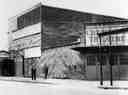
    To spot the historic Cremorne Theatre, look for a large, boxy building with rough, textured exterior walls, broad windows, and bold old signage above an arched doorway-it's right in front of you, on the river side of where Stanley Street once ran. Alright, step right up-well, actually, stand right where you are and let your imagination take center stage! You’re now standing where Brisbane’s famous Cremorne Theatre once proudly stood, though these days, not a single brick of its old self remains. But close your eyes for a moment, and picture this spot a century ago... the air buzzing with anticipation, the scent of fresh-cut grass drifting from nearby gardens, and a parade of lively characters in coats and hats bustling past the doors under flickering streetlights. Let’s rewind to 1911. The Cremorne Theatre sprang up right here, originally an open-air amphitheater welcoming Brisbane’s crowd with laughter, songs, and vaudeville acts. Its roots are even deeper-before the theatre itself, there were the Cremorne Gardens, a nod to the old pleasure gardens of London and cities across Australia. Back then, people flocked here for concerts, pantomimes, and even violin recitals among tropical foliage and glowing gaslights. To locals, the gardens and their modest stage were almost as popular as a chilled lemonade on a hot Queensland afternoon. The transformation from leafy garden to bustling theatre began when entrepreneur Edward Branscombe set his sights on bringing smiles to Brisbane. He opened the gates to the Cremorne on a lively August evening-guests delighted in “The Dandies,” a raucous variety show with music and sketches, and newspapers declared the atmosphere cheerful and inviting. But there was one problem the audience didn’t clap for: spitting rain from Brisbane’s subtropical skies! It turned out the only thing less waterproof than the theatre was a paper ticket, so not long after, they put up awnings to keep the downpours at bay. Soon, the theatre passed into the hands of showman John Neil McCallum, who had a real flair for the dramatic. His troupe expanded the space to fit 3,000 seats-imagine all those eager faces, the orchestra warming up, jokes bouncing between columns, and the booming applause rocking the wooden rafters! The Cremorne became the home of wild vaudeville shows, dance acts, and the occasional drama (with much more success when comedy was involved). Ever the showman, McCallum even named his own house “Cremorne,” a tradition that stuck around in the area. The theatre’s life, like any good stage play, had a few plot twists. In the late 1920s, the shine faded, and the building sat quietly except for the odd club meeting. Then came the cinema revolution-suddenly, the Cremorne flickered with the glow of films from Metro-Goldwyn-Mayer, though it lost much of its cavernous interior to the magic of the movies. But when World War II swept the world, the Cremorne Theatre roared back to life. It became the go-to venue for soldiers-Aussies and Americans alike-hungry for laughter and bright lights in dark times. Vaudeville reigned again, with everyone from comedians to dancers and even a slightly naughty ballet troupe giving their all to keep spirits high. If you listen closely, you might still hear a ghostly cheer from an audience of troops on shore leave. After peace returned, though, the curtain slowly fell. Opera companies and theatre guilds brought their productions here, including the first Australian operas by the legendary tenor Donald Smith, but by the early 1950s, the building faded into the background-more office than entertainment. The last act for the original Cremorne came in a dramatic blaze; in 1954, fire destroyed this iconic venue, and it was never rebuilt. Yet, as any good story demands, the Cremorne’s spirit lives on. Just around the corner, the Queensland Performing Arts Centre (QPAC) rose up in the mid-1980s, with a shiny new Cremorne Theatre hiding within-smaller, cozier, but always ready to host a new generation of storytellers and dreamers. So, as you stand by this site, surrounded by the modern pulse of Brisbane, you’re sharing the same ground where laughter, romance, song, and wild applause once echoed into the night. And if you walk by QPAC, give a wink to its smallest theatre-the new Cremorne-because every time another curtain rises, the old Cremorne takes a bow once more.

    전용 페이지 열기 →
  2. You’re looking for a series of bold, creamy-white concrete buildings rising like a modern fortress above green lawns at the corner of Melbourne Street and Grey Street-look for the…더 보기간략히 보기

    You’re looking for a series of bold, creamy-white concrete buildings rising like a modern fortress above green lawns at the corner of Melbourne Street and Grey Street-look for the striking blocks and geometric shapes that stand tall and unmistakable! Alright, step right up-don’t be shy! As you stand outside the Queensland Performing Arts Centre, or QPAC as the locals lovingly call it, you’re facing the vibrant beating heart of Brisbane’s creative scene-where more than just curtains rise and fall. Imagine the thrill: opening night in 1985, with crowds gathering, the building gleaming brand new under Queensland’s sun, and excitement thick as velvet as the Duke of Kent stepped up to open the Centre. The air buzzed with the promise of new stories, sparkling costumes, and grand performances. But QPAC wasn’t just a spur-of-the-moment dream. The story begins in the mid-1970s. Brisbane, growing fast and hungry for culture, looked around and said, “We need more! More art! More music! More theatre!” Visionary architect Robin Gibson put pen to paper, sketching out what would become this magnificent complex. At first, it was called the Queensland Performing Arts Complex, but let’s be honest: locals have a habit of doing things their own way. Over time, everyone just said “QPAC,” and in the end, that’s what the big, shiny signs ended up saying, too-which just goes to show, if enough people stubbornly call you by the wrong name, it might just become your real name! When QPAC first opened, there were three main stages inside-each one ready to amaze and dazzle: the grand Lyric Theatre with space for around 2,000 people and giant productions, the soaring Concert Hall with its famous pipe organ (more about that in a moment), and the flexible Cremorne Theatre named after Brisbane’s beloved vaudeville venue from years gone by. There’s also the Playhouse, built in the late 90s, which hosted its first show with none other than Oscar-winner Geoffrey Rush starring as Figaro-no pressure, right? Now, let your mind’s eye wander inside these cool concrete walls. The Lyric Theatre is where the big musicals and spectaculars light up the stage-think glittering lights, tap-dancing feet, and singing so powerful it vibrates through your bones. The Concert Hall is just next door, and here, listen closely… can you hear the low hum of anticipation? Up above, the 6,566-pipe Klais organ sits ready, waiting to fill the whole hall with thunderous sound. It’s astonishing to think: this isn’t just a place for music! The Concert Hall’s clever design means it can quickly transform for comedy nights, graduations, and even the occasional rock concert-who knew Bach and AC/DC could share the same stage? The smaller Playhouse is beloved for its intimacy, seating about 850, bringing operas, plays, and even the occasional surprise guest up close. And tucked away is the Cremorne Theatre, not just a stage but shape-shifter extraordinaire! It can morph into a cabaret scene, a cinema, or even a theatre-in-the-round-so you never really know what you’ll get, except it’ll be unforgettable. QPAC doesn’t just put on shows, it welcomes the world. Over the years, it’s hosted everything from Paris Opera Ballet’s pirouettes to the mighty Bolshoi Ballet, to homegrown festivals like Out of the Box for children and the Clancestry program, which honours the art and stories of Queensland’s First Nations peoples. Imagine more than 1.3 million people a year streaming through these doors: laughter, applause, standing ovations-and more dramatic intermissions for ice creams than you can count! Even as you stand here, QPAC keeps growing. By 2018, plans were underway for a huge fifth theatre, adding yet another jewel to the crown. This place isn’t just a landmark-it’s a living, breathing showcase for Queensland’s best and the world’s brightest. So next time you queue for tickets or see lights spilling onto Grey Street, remember: right here, tonight, history and magic are always waiting just beyond the doors.

    전용 페이지 열기 →
  3. Look ahead and slightly to your left-you’ll see a towering stone structure with an arched gateway and grand blockwork, perched up on a hefty stone podium right by the river,…더 보기간략히 보기

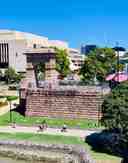
    Look ahead and slightly to your left-you’ll see a towering stone structure with an arched gateway and grand blockwork, perched up on a hefty stone podium right by the river, surrounded by a black metal fence. Now, imagine yourself in late 19th-century Brisbane: the air is thick with anticipation and the clang of ironwork as the Victoria Bridge rises out of the river. This stone abutment, the piece you’re staring at, is a survivor-a relic from 1896, designed by Alfred Barton Brady and built by Arthur Midson, carrying stories of ambition, disaster, and a little bit of mischief. If these walls could talk, I bet they’d have plenty to say…and maybe even a few old river secrets to keep. Back then, crossing the swirling Brisbane River wasn’t a walk in the park. The first bridge in 1865, made of timber, lasted just two years before hungry marine borers feasted on it. The next try, the first permanent Victoria Bridge, took a decade to finish, finally standing proud in 1874-and then, as luck would have it, swept away by the monstrous floods of 1893. Honestly, Brisbane must’ve wondered if the river gods just liked a bit of drama! But people don’t give up easily around here. So, in 1896, as the city still wiped silt from its boots, a new, iron-and-stone bridge began to span the banks, crowned by the majestic abutment in front of you. Imagine the sound of chisels and hammers echoing off the masonry as generations of Brisbanites nervously watched another mighty project take shape. And for its grand opening? Oh, the dignitaries just couldn’t agree which side should celebrate-so they had two separate ceremonies, north and south! They crossed over, ribbon-cutting in hand, and then made the journey right back again, all for a second round of pomp, speeches, and, no doubt, a good strong cup of tea. Not all the stories are so grand, though. There’s a deep sadness here, too. In 1918, as Brisbane cheered the end of World War I and welcomed soldiers home, eleven-year-old Hector Vasyli, a Greek-Australian boy, was struck and killed in the excitement. His memorial tablet stands right here-look closely for the Corinthian columns and the white marble, topped by a bronze relief of young Hector. Every Anzac Day since, the Greek community gathers with the city to remember him, their loss woven into the history of this place. And it’s not all floods and sorrow. There was a prank that would make any mischievous uni student proud. In the 1930s, a few cheeky souls snuck out early in the morning and stuck signs at both ends of the bridge reading CLOSED. Well, the police believed it, traffic was stopped for hours, and all of Brisbane’s commuters must’ve wondered if they’d traveled back in time to flood season. The bridge wasn’t really closed-just the city’s sense of humor temporarily opened, courtesy of some creative academics! Now, take a good look at the fine stonework. Notice the chunky, rusticated blocks and the grand arch that used to lead onto the bridge itself. It’s a stunning blend of styles-a little bit classical, a little bit Egyptian, all proudly Queenslander. The abutment once held gas lamps to guide travelers through the night, and, just beneath, you might spot the last hints of the old tramlines embedded in the road section above: the ghostly metal rails where trams once clattered across the river. This bridge and abutment were vital; they connected booming South Brisbane with the city heart, bringing people, goods, and electric trams whizzing over the water. Stanley Street just beside you transformed into a hive of commerce, bursting with new industry and stately homes for those who could afford a river view. But with only one river crossing until the 1930s, traffic sometimes piled up so badly that city planners had no choice but to dream bigger-bringing about more bridges for generations to come. The bridge was demolished in 1969, but no one could let this piece go-especially the Greek community, who made sure Hector’s memorial returned right here where it belonged. During World Expo 88, the stonework was finally restored, ensuring visitors could marvel at a true slice of Brisbane’s grit, grace, and, occasionally, its practical jokes. So, as you stand here now, imagine the thunder of horses’ hooves, the whistles of old trams, the hum of industry, and the quiet remembrance of young Hector-all part of the heartbeat of Brisbane. That’s your invitation to touch history… but please, don’t try any pranks, or you might have a few modern-day police after you too!

    전용 페이지 열기 →
  4. To spot the Cultural Centre busway station, just look for a wide, shaded platform area bustling with buses and people under a long white roof, with a pedestrian bridge stretching…더 보기간략히 보기

    To spot the Cultural Centre busway station, just look for a wide, shaded platform area bustling with buses and people under a long white roof, with a pedestrian bridge stretching overhead and buses pulling in and out right in front of you. You’re standing at the heart of Brisbane’s South Bank, right at the Cultural Centre busway station-where weekend adventures and weekday commutes all begin! If you close your eyes for a moment, you might hear a symphony of arrivals: the whoosh of bus doors opening and the buzz of passengers chatting about their next stop. This isn’t just any bus stop; you’re at a true crossroads of culture and convenience. Picture it: On October 23rd, 2000, travelers first stepped onto these platforms, just as the sun was rising on Brisbane’s brand-new South East Busway. Back then, the station had just one lane in each direction-imagine the traffic jams and bus drivers quietly grumbling to themselves! Realizing buses couldn’t pass each other, Brisbane sprang into action in 2003, rebuilding the platforms and adding passing lanes on both sides. They were so crafty with the construction that they even reused some materials over in Capalaba Bus Station. By 2004, everyone could breathe a sigh of relief-there was finally room for buses to zip by each other, and the daily grind moved a little smoother. There’s more to the story, though. From 2022 to 2025, the whole place began to hum with change again. Construction tape fluttered, and the air tasted slightly of fresh concrete as the station expanded to support a *whopping* 385 buses per peak hour. New platforms popped up, and bus routes danced around like performers at the nearby Queensland Performing Arts Centre. For a while, a massive 10-metre-long cicada sculpture perched here, looking a bit like a metal guardian of the busway. Sadly, for Brisbane Metro’s new upgrades, it had to be moved-no doubt it’s still buzzing somewhere else! Funny enough, there was once even talk of moving this entire station underground, but the council and state government couldn’t agree, so it stayed put, close to the sun. Now, you stand under the pedestrian bridge that connects some of Brisbane’s finest: the Performing Arts Centre, the Museum, and the Art Gallery-so if you’re ever torn between a bus ride and a dash of high culture, you’re in just the right spot! And whenever a crowd of buses swoops in, you’re witnessing one of Brisbane’s busiest, bustle-filled transport hubs-alive with the sound and energy of a city always on the move. Ready for your next stop, or do you fancy a quick escape into the world of museums and music?

    전용 페이지 열기 →
  5. You’re looking for a big, pale, boxy building with “MUSEUM” written in giant letters on glass windows-stand at the top of the wide steps, and you’ll see crowds gathering under…더 보기간략히 보기

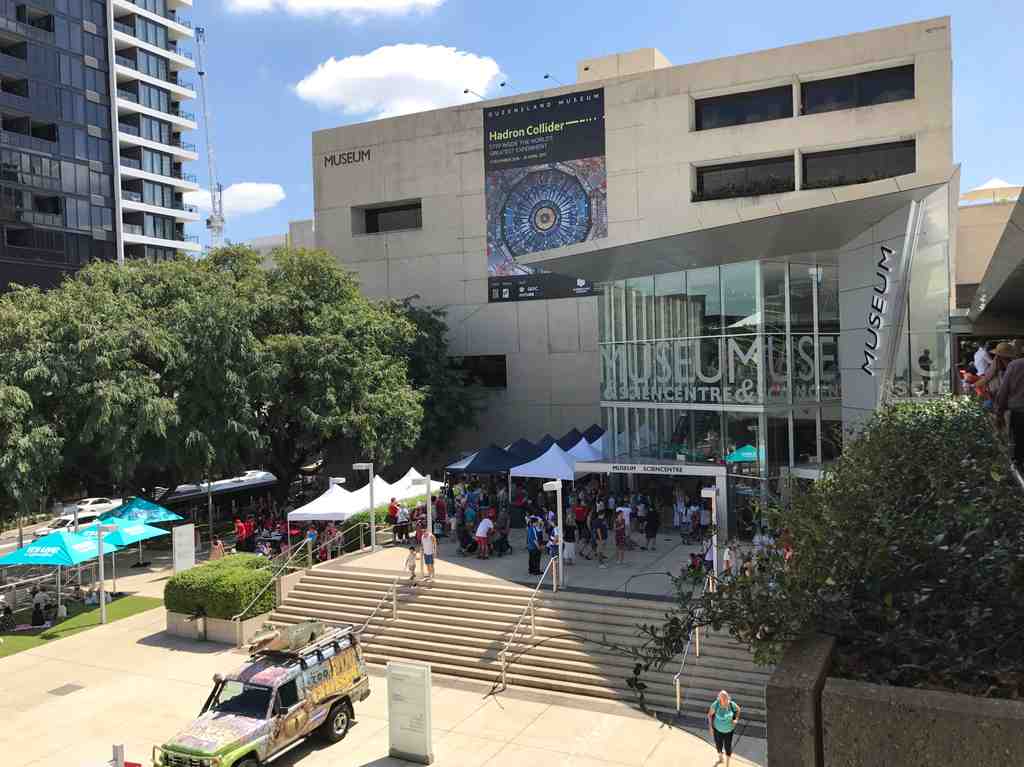
    You’re looking for a big, pale, boxy building with “MUSEUM” written in giant letters on glass windows-stand at the top of the wide steps, and you’ll see crowds gathering under white tents out front. Alright, time to dust off our imaginary explorer hats and step into the big story of the Queensland Museum Kurilpa! Imagine you’re standing outside this modern glass and concrete museum, sunlight bouncing off the windows. Behind those walls, a treasure trove of Queensland’s natural history, cultural wonders, and scientific secrets awaits-but before you go inside, let me tell you an epic tale, full of odd beginnings, eccentric characters, odd old buildings, and, yes, even a giant cicada (but more on that shortly)! Picture Brisbane in 1862: horse-drawn carts rattle along dusty roads, and the air rings with new possibilities. It’s in this lively scene that the Queensland Philosophical Society decides the city needs something more than just meetings and tea-how about a museum to collect the marvels of this wild land? Charles Coxen, a man with a mind full of curiosities, steps up to help found what will become the Queensland Museum. But in those early days, there’s no grand building-oh no! The collection starts out in The Old Windmill, perched up on Wickham Terrace, where the wind howled, and rumors say a skeleton or two might have rattled in the night. From there, the displays hop and skip across town: into Parliament House-where I imagine a few startled MPs dodged dinosaur bones-and then into the city’s General Post Office, with fossils perhaps sharing shelf space with the daily mail. Finally, in 1879, the government builds a proper home for the museum on William Street. For 20 years, this becomes a place where anyone can wander in, stare wide-eyed at shells, bones, and maybe mysterious mummified things from faraway lands. But as the collection grows, so does the need for space. So, in 1899, the whole lot is packed up and trundled across town to the grand Exhibition Hall in Bowen Hills. They call it “The Old Museum” now, but back then, it echoed with footsteps of curious families and scientists alike for a whopping 86 years. Each era had its quirky leaders-the first professional curator, Karl Staiger, and later Jack Tunstall Woods, who, legend has it, could tell a story about anything: lizards, meteorites, you name it. Finally, in 1986, the Queensland Museum moves to its spectacular new home here in the Queensland Cultural Centre at South Bank. Here it sits, right next to art galleries, theatres, and libraries-imagine a city’s entire culture gathered in one magical neighborhood. Walkways and tunnels link the museum to its neighbors-the city’s great minds no longer just swapping letters, but ideas at coffee breaks! But don’t think the stories stopped with the move. Oh no-this museum has hosted mummies from Egypt, gold from ancient Afghanistan, and the kind of science experiments that would’ve blown the top hats off those early curators. In fact, the museum holds over a million precious objects, from opals that sparkle like rainbows to the bones of creatures that once stomped across Jurassic Queensland. And remember the giant cicada? For years, a massive sculpture buzzed in front of the lifts-until 2022, when it had to make way for a brand-new rapid transport project (no word yet on whether the cicada just flew away or hitched a ride on a bus!). The Queensland Museum doesn’t just collect old bones and weathered stones. It leads the charge in science, hosting the World Science Festival Brisbane every March. On these grounds, you might spot robots, meet astronauts, or see school kids fizzing with excitement as they build volcanoes out of vinegar and baking soda. They’ve also made it their duty to return cultural treasures to Aboriginal and Torres Strait Islander families-an emotional journey of reconciliation and respect, as old ancestors’ remains come home after decades in storage. Over the years, the museum has celebrated its heroes with medals-science teachers, visionaries, even the late great Steve Irwin-and honored legends such as Sir David Attenborough. Every award, every object, every exhibition here unlocks a forgotten story. So as you look up at the facade and the buzz of families and school groups, just imagine: you’re part of a living adventure, one that began in a creaky windmill over 160 years ago, and is still spinning new tales every day. Ready to step inside and discover what Queensland’s holding for you? Intrigued by the world science festival brisbane, special exhibitions or the queensland museum medal? Make your way to the chat section and I'll be happy to provide further details.

    전용 페이지 열기 →
  6. To spot the Queensland Art Gallery, look straight ahead for a wide, modern concrete building with layered terraces and green plants lining each level, sitting just across a…더 보기간략히 보기

    To spot the Queensland Art Gallery, look straight ahead for a wide, modern concrete building with layered terraces and green plants lining each level, sitting just across a stretch of lawn and shaded by leafy trees. Alright, take a breath and look around-now you’re standing at the threshold of the Queensland Art Gallery, where art and architecture dance together under the Brisbane sun! Isn’t that exterior striking? Clean lines and those open terraces with lush greenery make it feel both futuristic and a little bit like a very stylish concrete layer cake. But don’t be fooled-this beautiful building has stories baked into every stone, and as you stand here under the rustle of the trees, let’s take a stroll through time. Picture yourself back in 1895. There’s excitement in the air-Queensland has decided it’s time for art to have a grand home. Back then, the gallery’s first paintings weren’t hung in a shiny building like this; instead, art hopped from one temporary spot to another, never quite settling down. In the 1960s, the museum even had to share space with the Queensland Museum! They probably had some interesting lunchroom conversations, don’t you think? But along came a visionary art lover named Sir Leon Trout-yes, with a name like that, you know he was determined to make big artistic splashes! He pictured a majestic centre for art and culture right on the South Bank, beside the busy Victoria Bridge. So, the government said, “Alright, let’s do it!” and work began on what would become this very spot. Now, this concrete marvel you see before you was designed by Robin Gibson and opened to applause in 1982, marking the Queensland Cultural Centre’s first building on the south side of the river. It set the standard for all the grand designs that came after-and if you listen closely, you might just imagine the echoes of excited footsteps and camera shutters from opening day. It later became one half of the mighty QAGOMA duo, with the Gallery of Modern Art just a quick stroll away. Inside, it’s easy to lose yourself. Thanks to clever design, the gallery flows like a river-walls appear and disappear, leading you through surprises around every corner. There’s the famous Watermall, a peaceful stretch of water that’s like a little personal oasis within the concrete maze. And whether you’re after Picasso’s graceful “La Belle Hollandaise,” Richard Godfrey Rivers’ beloved “Under the Jacaranda,” or something more curious-like Ressort, the massive snake skeleton sculpture that once snaked through the Watermall-there’s something here to stop everyone in their tracks. But what about a bit of drama? Well, the very first painting bought by the gallery in 1896 was called “Evicted.” It tugged at everyone’s heartstrings, a real tearjerker! Crowds loved it-until one day, in 1949, the new director decided it was just too sentimental. Off it went, retired to the storeroom, leaving visitors wondering where their favorite painting had disappeared to. The Queensland Art Gallery isn’t just a treasure chest for adults, though. It’s famous for making art fun and inspiring for children, too. Think colourful kids’ art programs, interactive displays, and the kind of learning that makes you forget you’re learning at all. They’ve hosted jaw-dropping triennials that turn the gallery into a festival of creativity, with masterpieces from the Asia-Pacific that spark imagination in all ages. And let’s not forget regional Queensland-the gallery makes sure that even folks far from the city get to see the magic, sending travelling exhibitions out to the corners of the state, like art on a grand adventure. These days, more than ten million visitors have explored QAG and its modern companion since 2006, and it’s officially joined the heritage ranks-preserved for generations to come. So whether you’re here just for the stories, or to soak up a bit of cool air and culture, the Queensland Art Gallery offers a doorway into Queensland’s artistic soul. And now you’re part of the story too, standing right outside, ready to step inside and make a little history of your own-or just maybe, find a new favorite painting that no one will dare hide in storage again! Intrigued by the design, collection or the exhibitions? Explore further by joining me in the chat section below.

    전용 페이지 열기 →
  7. Right in front of you is the Queensland Cultural Centre-just look for the bold, blocky white concrete building with big vertical windows and colorful banners draped across its…더 보기간략히 보기

    Right in front of you is the Queensland Cultural Centre-just look for the bold, blocky white concrete building with big vertical windows and colorful banners draped across its modern facade, standing tall above the plaza and the trees to your left. Welcome to the heart of Brisbane’s creative spirit: the Queensland Cultural Centre! Imagine, if you will, standing on this very spot a few centuries ago. There weren’t theatres or art galleries, but a lush riverbank called Kurilpa, a gathering place for the Yuggera and Jagera people. It echoed with stories, laughter, and the slap of paddles on water as people crossed the river at this very tip of the South Brisbane Peninsula. But fast forward: the soundscape changes. In the 1800s, the rush of shipbuilders’ hammers filled the air, as the South Bank transformed into a bustling port, warehouses climbing up from the river, and steam trains chugging from the newly built railway terminus. By the late 1960s, though, the place had quieted again-factories closed, docks empty, the neighbourhood longing for new life. It was the 1970s-everyone had bold shirts, flared pants, and big dreams. Brisbane was crying out for world-class culture, but the city’s art gallery lived in a cramped upstairs room, and the museum was always looking for a new home. Enter the Queensland government, determined to leave behind old failed plans: museums that never got built, grand halls that never made it off the blueprints, and an art gallery forever waiting for the right address. After a flood swept through in 1974, a remarkable opportunity appeared, and the government said: “Let’s give Queensland a palace of culture!” (Okay, maybe they didn’t use those exact words, but you get the idea.) So, in stepped architect Robin Gibson, whose superpower was turning empty city blocks into community magic. His vision? A bold, white, modernist complex stitched together by plazas, walkways, and lush subtropical gardens. The Queensland Cultural Centre would become the beating heart of the city-housing not only the Performing Arts Centre but also the Queensland Art Gallery, the Queensland Museum, the State Library, and later, the spectacular Gallery of Modern Art. All just a bridge-walk from the city. Can you picture thousands of workers, concrete mixers rumbling and hammers clanging, working for over a decade to finish this ambitious dream? Here’s a fun fact for you: this entire place was funded by the profits from the Golden Casket lottery. That’s right, people who bought lotto tickets to chase their dreams ended up building a dream for everyone! As the centre took shape in the 1980s, it became a showcase of ambitious architecture-look at those deep-set windows and elegant concrete ribs, designed both to be beautiful and keep things cool in the Queensland sun. The place opened just in time for the 1988 World’s Fair, shining like a beacon of modern design and local pride. From opening night, music and laughter poured from its many theatres-the Lyric, the Concert Hall, the Playhouse, and the Cremorne. The Deafening applause, shuffling feet, and orchestras tuning their strings quickly became the new soundscape. Famous performers, local legends, and curious families have all wandered these buzzing foyers. And speaking of drama-did you know there was once a grand vaudeville theatre called the Cremorne right here until it burned down in the 1950s? Today, the new Cremorne Theatre inside QPAC keeps the spirit of the old stage alive, with its own entrance and a feeling that anything could happen when the lights go down. The centre has grown and changed with Brisbane, its corridors now echoing with visiting schoolkids, late-night jazz, and quiet bookish conversations from the State Library. It’s bursting with art, science, theatre, and music, and yes-there are even giant pelican sculptures and fountains bubbling away if you look around. So, take a breath, listen for art in the air-somewhere, a violin is tuning, a children’s group is giggling on a school excursion, and maybe, just maybe, a ghost from the old vaudeville era is hanging around looking for the stage. You’re not just walking through a building; you’ve stepped into a living, breathing story written by generations of dreamers-welcome to the Queensland Cultural Centre! Eager to learn more about the description, awards or the heritage listing? Simply drop your inquiries in the chat section and I'll provide the details you need.

    전용 페이지 열기 →
  8. To spot the South Brisbane railway station, look for a long, two-storeyed red brick building right in front of you, with a striking central entrance, crowned by a pediment and…더 보기간략히 보기

    To spot the South Brisbane railway station, look for a long, two-storeyed red brick building right in front of you, with a striking central entrance, crowned by a pediment and flanked by decorative arched windows and cast-iron columns. Welcome to the South Brisbane railway station-the grand old storyteller of Queensland’s rails, standing proudly since the days when trains were the kings of transport and carriages clang-clanged through the night. Picture yourself on Grey Street in the late 1800s-the air buzzes with anticipation, and the hammering of workers echoes as bricks are stacked to form this impressive structure. The scent of fresh masonry drifts by, mingling with a distant promise of steam engines. Built between 1891 and 1918, this is Brisbane’s second oldest railway station in the centre of the city, with walls that have seen floods, festivals, and a few confused tourists wondering if they’re at the “Cultural Centre,” “Melbourne Street,” or perhaps even the “Interstate” station-yes, it’s had more names than a pop star on a comeback tour! Back in the late 19th century, this station wasn’t just a stop on your daily commute: it was a slice of the city’s beating heart. Imagine-when the first version was erected in 1884 on Melbourne and Grey Streets, Brisbane was taking its first brave steps towards becoming the vibrant metropolis you see today. Yet the station you’re facing now came quickly after, rising up on higher ground in 1891, intended as a temporary terminus until a river-crossing line could be built. Only two platforms, modest for such ambition-but talk about being thrust into the spotlight. The 1893 floods changed everything. With the Albert Bridge washed away, South Brisbane suddenly became the key terminal for all southern and western rail services. In that chaos, when telephone wires and bridges were submerged, this station (and a small band of other outposts) kept the city connected to the northern side by just a thread-imagine workers dashing through rising waters just to keep the lines open! Now, take a close look at the architecture around you-doesn’t it ooze character? The Renaissance style jumps out: arched windows, fancy molded window frames, pilasters with Corinthian capitals (that’s the leafy bit at the top), and that grand parapet crowning the facade. If you listen carefully when you walk under the awnings, you might even sense the stories of commuters bustling through, cast-iron seats creaking quietly, as they waited for trains home. Speaking of seats, many here are early originals, rescued from other stations and put here for Expo ‘88-a little furniture reunion, you might say. And let’s not forget the busy hum of train and bus connections! South Brisbane isn’t just about the rails; the Cultural Centre busway station hums right next door, shuttling people towards museums, art galleries, and the nearby Queensland Performing Arts Centre. The platforms out back (now level with the upper floor-quite the clever design for those high-water days) have seen everything from old bullnosed butterfly roofs to tank roofs on steel frames, with iron columns and decorative timber friezes to tie it all together. If your shoes are clicking on the Grey Street pavement, imagine for a moment the hustle of opening day-not that there was one! They started running trains before the station was even finished, skipping the ribbon cutting. But soon, the place was famous for its temperance refreshment rooms, serving up treats to passengers on South Coast, Cleveland, and Beaudesert line trains. In 1912, growing traffic meant the station needed expanding; by 1918 it was a busy hub with a mighty 40-foot turntable (you could spin a whole train around!), which later grew to 60 feet before being retired in the age of diesel. Over the years, South Brisbane railway station has had its platforms trimmed and stretched, its front park turned car park, its bricks freshly painted for Expo ‘88. Floods, festivals, the pounding of countless footsteps-this station has seen it all. Yet, step back and look at it now: the original grandeur still glows in the Queensland sun, right down to its ornate cast iron and dignified brickwork-a rarity, one of just three masonry railway stations built in Brisbane by 1901. So, as you stand here, imagine the thousands of journeys, the whispers of adventure, and maybe-just maybe-catch a hint of a steam whistle from Brisbane’s golden railway days drifting through the modern city air! Intrigued by the adjacent attractions, description or the heritage listing? Explore further by joining me in the chat section below.

    전용 페이지 열기 →
  9. To spot the Queensland National Bank, look for a solid, two-story, cream-colored building right on the corner, decorated with tall, elegant columns and bold BANK lettering up…더 보기간략히 보기

    To spot the Queensland National Bank, look for a solid, two-story, cream-colored building right on the corner, decorated with tall, elegant columns and bold BANK lettering up along the roofline-hard to miss as it proudly wraps around the junction of Melbourne and Grey Streets. Alright, adventurer, as you stand in front of this striking corner building, close your eyes for a second and imagine it's 1929-flappers might be passing by with their cloche hats, men tip their hats as trams clang and rattle down the street, and the air buzzes with the energy of a city hinting at greatness. This isn’t just another brick-and-mortar relic; this is the Queensland National Bank, built in the roaring ‘20s when optimism soared as high as the cost of real estate during the land boom. Back in those days, the suburb of South Brisbane was alive with promise, and this very piece of land had already played host to many chapters of city drama. The original lot-one of thirty snapped up during Brisbane’s feverish land rush of 1854-changed hands more than a well-worn deck of cards. From the hands of William John Loudon to Patrick Maunsell, then passing into the care of the Pikes, the ground beneath your feet has seen the wild gamble of dreams and investments for generations. But by 1927, the Queensland National Bank, known for having the ambition of a border collie chasing a ball, saw opportunity gleaming on this corner. They snapped up the “gem” of the street, determined to win over every importer, merchant, and savvy investor who trundled through South Brisbane. As you look up at the giant pilasters-those hefty, decorative columns breaking up the walls-you can still feel that spirit. Legend has it, the place was built to shout, “Trust your savings with us; we’re not going anywhere!” And that was no empty boast. For decades, this corner survived every twist of fate: floods in the 1890s that had locals rowing boats instead of riding trams, the hustle and bustle of growing shopping strips, the expansion of tram and railway lines that made this area pulse with pedestrian life. Baynard’s Corner, right here, became a crossroads of commerce-a place so busy that even if you were in a rush, the aroma of fresh bread from nearby bakeries or the clang of the tram bell would make you slow down, just to take it all in. When the bank building opened its doors in 1929, behind its opulent copper doors, things were not all strict business. I like to imagine stern-faced tellers with waxed mustaches passing secret jokes about the competing Commonwealth Bank just next door. The two banks, separated only by a thin wall but joined by fierce rivalry, watched each other like chess masters-even racing to greet the same merchant clients as the tram doors hissed open outside. In truth, the Queensland National Bank wasn’t just following the money-they were trying to outdo their rivals at every turn. But South Brisbane was always shifting. Before the bank, there were boarding houses on this ground, buzzing with travelers and workers, filling the streets with laughter (and, probably, the odd snore so loud it rattled the windows). Later, state offices moved in, including the powerful Chief Protector of Aboriginals and people sorting water supply mysteries-adding a touch of government drama to the daily life here. The same walls that once sheltered thick-walled strong rooms, fiercely guarded by staff with keys jingling on their belts, would later house an accountancy firm, Roger Ng & Co. Even after the last notes and coins were counted out from the bank’s tills, the building refused to fade into history. Instead, as people criss-crossed Melbourne and Grey, it became a signpost of days gone by and better yet, a survivor. So, as you stand here, take in the building’s pale render, the way its corners angle gracefully, how the named frieze runs like a crown along the top. Imagine the echo of footsteps, secret shuffles behind those sash windows, and the click of heavy ledgers opening to record someone’s fortune-or misfortune. The Queensland National Bank didn’t just witness South Brisbane’s rise; it banked on it. And if these walls could talk, I bet they’d whisper about booms, busts, and the odd mischievous prank played between neighboring banks! Almost a century later, the building remains, holding the stories and secrets of South Brisbane’s endless evolution, a true testament to resilience and the occasional lucky gamble.

    전용 페이지 열기 →
  10. To spot the Brisbane Trades Hall, just look for a sturdy, elegant, cream- and brick-coloured building with grand pillars and big arched windows right at the front, standing…더 보기간략히 보기

    To spot the Brisbane Trades Hall, just look for a sturdy, elegant, cream- and brick-coloured building with grand pillars and big arched windows right at the front, standing proudly at the top of a slope with a statue on horseback nearby. Now, as you stand here where many feet have marched and many voices have been raised, let me take you back to the early days of the Brisbane Trades Hall. Imagine it’s the late 19th century-horse-drawn carts are clattering on cobbles, and the air is stiff with the expectation of change. On April 4th, 1891, a crowd of hopeful unionists surged through the streets, banners waving and boots pounding from Ann Street, up Queen Street and then up, up, up Edward Street to lay the foundation stone of their brand-new Trades Hall. What a party it must have been, with cheers echoing off all those solid stone buildings-no microphones needed! As the city grew and unions gained strength-two-thirds of the workforce, can you believe it?-a bigger, grander hall was needed, thanks in part to a cheeky little problem: the weight of their old hall was pressing down on the tunnel underneath it! Talk about too much union muscle. So, in 1920, Queensland’s Lieutenant-Governor, William Lennon, laid the foundation stone for the second building, right here, in a spot overlooking Edward Street, perfectly placed for everyone to spot flashes of protest signs or catch the rhythm of a rally. For decades, this hall buzzed with meetings and ideas, the air thick with debate, laughter, and maybe a few heated arguments over tea and biscuits. It was more than politics; it was about friends and families, learning, and fighting for a fair go. In the 1960s, it even turned a little groovy, housing the FOCO club and a bookshop to feed all those hungry minds. But all stories turn a page. In the 1980s, the building was sold, and the Trades and Labour Council moved across to Peel Street, needing another new home. Today, the original building is gone, replaced by a modern high-rise, but if you listen really closely, you might just hear the distant stomp of determined boots and a faint echo of union songs rising where the old hall once stood.

    전용 페이지 열기 →
  11. In front of you, spanning the wide, chocolate-brown Brisbane River, is a pale, cream-coloured bridge with three tall, elegant steel arches rising up through the middle of the…더 보기간략히 보기

    In front of you, spanning the wide, chocolate-brown Brisbane River, is a pale, cream-coloured bridge with three tall, elegant steel arches rising up through the middle of the roadway-just look ahead and spot the graceful arches leaping over the water! Now, take a breath and imagine yourself in the early 1930s-Brisbane was buzzing with excitement and a touch of desperation. The Great Depression had cast a gloom over the city. Jobs were scarce, but there was one massive project promising hope, progress, and maybe even a little pride: the bridge you’re standing before now. Back then, it was known simply as the Grey Street Bridge, but the city folk must have thought “Grey” was far too dull a name for something that looked like a trio of rainbows frozen in the sky. When the city bosses decided to build this bridge, traffic was already a tangle on the old Victoria Bridge farther downstream. Brisbane desperately needed another crossing-a way for people and goods to leap the river and connect north and south without endless jams. Engineer Harding Frew led the design, choosing the striking “rainbow arch” style, which was the first of its kind in Australia. Just think: before this, nothing like it had ever graced an Aussie river. The steel skeleton inside those arches was wrapped in concrete, sculpted to look like light-coloured porphyry-a stone locals would recognize from Queensland’s hills. Construction was no walk in the park. The riverbed here is tricky, with bedrock hiding deep beneath muddy water. How do you build something huge, strong, and stylish with that kind of challenge? The answer came at three o’clock one morning, if you can believe it. Manuel Hornibrook, the man overseeing the build, had an idea: sand islands! Workers drove steel sheets into the riverbed, filled them with sand to make little islands, then dug down to set the bridge’s feet deep on solid rock. It was tough work, as you can imagine-men slogging away under pressure, sometimes so deep underground they needed airlocks, just in case. Brisbane wasn’t just growing bridges; it was a real boomtown in those days. Factories lined the river, trams rattled through the streets, and locals dreamed of shining modernity. Even the bridge’s Art Deco towers, which frame both ends and look a bit like little Olympic podiums, were there partly to hold up wires for trams-but, in the end, the trams never came. Instead, people strolled and bicycled across, joining the endless parade of cars, trucks, and even the odd horse in the early days. Curiously, before European settlement, this point on the peninsula was known to local Aboriginal people as Kurilpa-the “place of rats”-named for the bush rats that scurried through the lush riverside undergrowth. Ferries crossed here long before the arches, and a sandy beach on the South Bank side was a major meeting and crossing place. Then, after the Moreton Bay Penal Colony ceased in 1842, the riverbank quickly filled with farms, timber trades, and new families, all eager for a better way to get to the other side. Imagine the crowds gathered for the bridge’s grand opening in March 1932: a sea of hats and excitement, the new arches gleaming against the sky, the riverbank buzzing with the hopes of a city. It wasn’t until 1955 that the bridge got its current name, honoring William Jolly, Brisbane’s very first Lord Mayor and a chap who wasn’t afraid to move mountains-or, at least, rivers-for progress. By then, the bridge was such a vital artery that it carried nearly half the city’s cross-river traffic. Its light colour wasn’t just for looks: after a round with the paintbrush in the 1970s, it was given its creamy tone to mimic fresh concrete, even after decades of sun and rain. Today, the William Jolly Bridge is a lively thoroughfare with cars, bikes, and people passing every hour. At peak times, it’s a chorus of horns, rumbling engines, and hurried footsteps-quite a change from the creaking ferries it replaced! And if you keep your eyes peeled up at night, the arches are floodlit, lighting up the skyline just as they did for generations before you. So stroll across, take in the river view, and remember: whether you’re a history buff or just looking for a great selfie spot, you’re walking along the same arches that have carried Brisbane’s hopes for nearly a century. And hey, watch out for any ghosts of old trams-they may still be waiting to cross! Exploring the realm of the description, traffic use or the in popular culture? Feel free to consult the chat section for additional information.

    전용 페이지 열기 →

자주 묻는 질문

투어는 어떻게 시작하나요?

구매 후 AudaTours 앱을 다운로드하고 교환 코드를 입력하세요. 투어를 바로 시작할 수 있습니다 - 재생을 탭하고 GPS 안내 경로를 따라가시면 됩니다.

투어 중 인터넷이 필요한가요?

아닙니다! 시작 전에 투어를 다운로드하면 완전히 오프라인으로 즐길 수 있습니다. 채팅 기능만 인터넷이 필요합니다. 모바일 데이터 절약을 위해 WiFi에서 다운로드하시는 것을 권장합니다.

이것은 가이드가 안내하는 단체 투어인가요?

아닙니다 - 이것은 셀프 가이드 오디오 투어입니다. 폰을 통해 오디오 나레이션을 들으며 나만의 속도로 독립적으로 탐험합니다. 투어 가이드도, 단체도, 일정도 없습니다.

투어는 얼마나 걸리나요?

대부분의 투어는 60-90분이 소요되지만, 속도는 전적으로 본인이 조절합니다. 원할 때 언제든지 일시정지하거나, 정류장을 건너뛰거나, 휴식을 취하세요.

오늘 투어를 끝낼 수 없으면 어떻게 하나요?

괜찮습니다! 투어는 평생 이용이 가능합니다. 원할 때 언제든지 일시정지하고 다시 시작하세요 - 내일, 다음 주, 또는 내년에도. 진행 상황이 저장됩니다.

어떤 언어를 이용할 수 있나요?

모든 투어는 50개 이상의 언어로 이용 가능합니다. 코드를 교환할 때 원하는 언어를 선택하세요. 참고: 투어 생성 후에는 언어를 변경할 수 없습니다.

구매 후 투어는 어디에서 이용하나요?

App Store 또는 Google Play에서 무료 AudaTours 앱을 다운로드하세요. 교환 코드(이메일로 전송됨)를 입력하면 라이브러리에 투어가 나타나며, 다운로드하여 시작할 수 있습니다.

verified_user
만족 보장

투어가 마음에 들지 않으시면 환불해 드립니다. 문의: [email protected]

안전한 결제

Apple PayGoogle PayVisaMastercardPayPal

AudaTours: 오디오 투어

재미있고, 경제적이고, 자유로운 셀프 가이드 워킹 투어

앱 체험하기 arrow_forward

전 세계 여행자들에게 사랑받고 있습니다

format_quote 이 투어는 도시를 보는 정말 좋은 방법이었습니다. 이야기들이 너무 대본처럼 느껴지지 않으면서도 흥미로웠고, 나만의 속도로 탐험할 수 있어서 좋았습니다.
Jess
Jess
starstarstarstarstar
Tbilisi 투어 arrow_forward
format_quote 관광객처럼 느끼지 않으면서 Brighton을 알아가는 훌륭한 방법이었습니다. 내레이션에 깊이와 맥락이 있었지만 과하지 않았습니다.
Christoph
Christoph
starstarstarstarstar
Brighton 투어 arrow_forward
format_quote 크루아상을 한 손에 들고 아무 기대 없이 시작했습니다. 앱이 그냥 자연스럽게 함께해 주는 느낌이에요, 부담도 없고, 그냥 나와 이어폰과 멋진 이야기들.
John
John
starstarstarstarstar
Marseille 투어 arrow_forward

무제한 오디오 투어

전 세계 모든 투어의 잠금을 해제하세요

0 투어·0 도시·0 국가
all_inclusive 무제한 탐험