AudaTours logoAudaTours

グロスター・オーディオツアー:ランドマークと遺産を巡る時代を超えた旅

オーディオガイド15 か所

天高くそびえる尖塔と影に隠された秘密に彩られた都市、グロスター。その心臓は、耳を傾ける場所を知っていれば、あなたの足元で脈打っています。このセルフガイド・オーディオツアーでは、キングスホルムとその先を散策しながら、壮大な大聖堂から生まれ変わった市街広場まで、目の前に隠されたドラマを発見できます。 グロスター大聖堂で行われた9歳の少年の戴冠式は、なぜ何世紀にもわたる王室の陰謀に響き渡ったのでしょうか?なぜ司教たちは陰謀を企て、姿を消し、時には自転車に乗って現代のニュースの見出しに直行したのでしょうか?失われた噴水やキングス・スクエアの古い映画館が、忘れ去られた都市のスキャンダルの鍵となるのでしょうか? 柱、市場、大理石のホールが並ぶ曲がりくねった道をたどってください。反乱のささやき、幽霊のような修道士、そして群衆がまさにここで歴史が展開するのを見守った日々の声を聞いてください。これまでになく、間近で、鮮やかに、予測不可能なグロスターを体験してください。 今すぐ再生ボタンを押して、一歩ごとにグロスターの隠された鼓動を明らかにしましょう。

ツアーのプレビュー

map

このツアーについて

  • schedule
    所要時間 40–60 mins自分のペースで進める
  • straighten
    ウォーキングルート 3.0kmガイド付きパスに沿って進む
  • location_on
  • wifi_off
    オフライン対応一度のダウンロードでどこでも使える
  • all_inclusive
    無期限アクセスいつでも、ずっと再生可能
  • location_on
    グロスター大聖堂から開始

このツアーのスポット

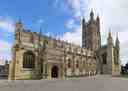
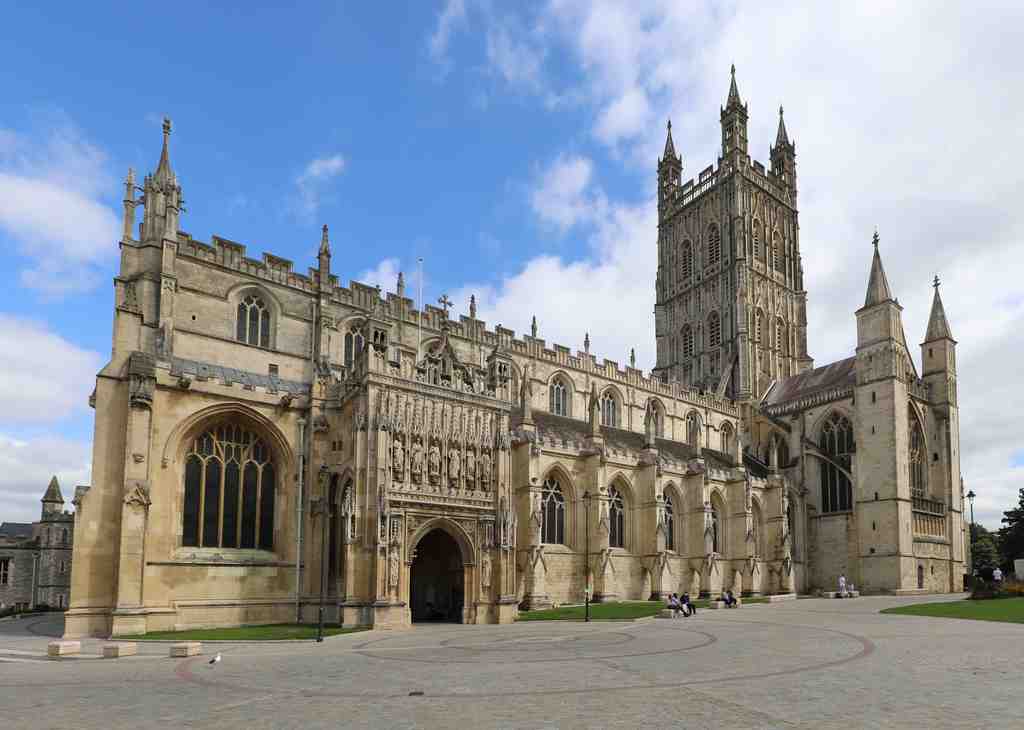
  1. Look for a grand, creamy stone building with an elaborate front entrance and a soaring tower topped with four pointy pinnacles-just ahead, its tall, ornate shape stands out…もっと読む折りたたむ

    Look for a grand, creamy stone building with an elaborate front entrance and a soaring tower topped with four pointy pinnacles-just ahead, its tall, ornate shape stands out sharply against the sky! Welcome to Gloucester Cathedral! Imagine standing on this spot over 1,300 years ago, with the wind off the River Severn rustling your cloak and the scent of woodsmoke in the air. This mighty structure actually began with humble origins-it was just a small minster, a kind of early monastery, founded around the year 679 by Osric, King of the Hwicce. Back then, it was quiet-no grand bells, no towering walls, just a few buildings and a dream that one day something remarkable would rise here. But hang on to your hat, because this quiet place had a bumpy ride. Fires roared through it-imagine the crackle and collapse of burning timbers -and at times there were only a couple of monks rattling around, trying to keep the place going. The real hero of the story arrived in 1072: Abbot Serlo. Now Serlo didn’t just wear a habit-he rolled up his sleeves, organized the rebuild after a terrible fire in 1088, and oversaw construction that turned the abbey into a powerhouse. William the Conqueror himself thought the place worthy enough to hold his Christmas Court here in 1085. In that very chapter house, he ordered the making of the Domesday Book-think of medieval nobles in lavish robes, consulting fat old ledgers by torchlight as the drafts of history were recorded. If that’s not royal enough for you, how about this: in 1216, a nine-year-old boy called Henry III became king here, with his mother’s bracelet standing in for a lost crown. For a cathedral, it seems losing your jewelry wasn’t a big problem! No wonder monarchs paid attention to Gloucester-later, the murdered King Edward II was laid to rest here in a blingy shrine, bringing in pilgrims (and their wallets). Some say this very tomb funded a new wave of construction. The next time you look at the glittering medieval windows or step around the intricate cloisters, remember: a dead king’s burial made it possible. Now, the cathedral wasn’t always as serene as it looks today. There were more disasters-a devastating fire in 1222, and the tension of the English Civil War. At one point, there were even plans to demolish the whole thing! Thankfully, they came to their senses before anyone brought in the wrecking balls. Step closer and gaze up at that massive central tower-at 225 feet high, it’s like the medieval version of a skyscraper. The nave and crypt go back almost 1,000 years, and the stone under your feet was walked by monks, monarchs, and maybe the occasional confused tourist who turned left at the sheep fields. The cloisters here are said to be the very first-and grandest-fan-vaulted ceilings in the world; they’re so magical, even Harry Potter couldn’t resist filming a few spells here. If you hear a flutter of ghostly robes or the echo of footsteps through the stone corridors, you might not be the only one wandering! Fast forward-during the Second World War, the priceless Coronation Chair was hidden in the crypt and protected by sandbags, while stained glass windows as big as tennis courts were taken apart and stored away for safety. In more recent times, the old has been blended with the new: solar panels now glisten on the ancient roof, making Gloucester Cathedral the oldest cathedral in the UK to go green. Chances are, you’ll hear the great bells, including “Great Peter”, the biggest medieval bell in Britain, ringing out before services. The choir, established by none other than Henry VIII, still sings-sometimes adding a little drama right before tea. Today, not only does this place host movie sets and graduations, but it also stands as a treasure chest of stories, stained glass, and secrets. So, as you stand in the shadow of those spires, let your imagination travel-from torch-lit coronations, to the wind-whipped cloisters, and even a wizard or two hiding behind a column! Ready for the next stop? For further insights on the architecture, dean and chapter or the music, feel free to navigate to the chat section below and inquire.

    専用ページを開く →
  2. Back in 1541, just as England was breaking ties with Rome and everything was being shaken up, the Diocese of Gloucester was born from parts of Hereford and Worcester. Picture King…もっと読む折りたたむ

    Back in 1541, just as England was breaking ties with Rome and everything was being shaken up, the Diocese of Gloucester was born from parts of Hereford and Worcester. Picture King Henry VIII, who certainly knew a thing or two about “church shake-ups,” creating new diocese boundaries almost like he was rearranging his living room! But hold onto your hat-our diocese didn’t have the smoothest start. Only a decade after it was founded, it got dissolved and folded back into Worcester. For two years, everyone just shrugged and said, “Well, that was fun while it lasted!” But don’t worry, Gloucester’s story keeps going. When Queen Mary took the throne, she pulled out her shovel and divided things up again-Gloucester was back! Fast forward to the 1800s and you'd need a map and maybe a cup of tea to keep up. Bristol joined us in 1836, then went solo again by 1897, leaving Gloucester proudly on its own. Today, the Diocese of Gloucester isn’t just resting on its historic laurels. It’s connected all over the world-India, Sweden, America, and even Tanzania, where it’s helping build a brand-new high school. Who says ancient dioceses can’t have modern dreams? Inside the diocese, things run like a well-tuned choir (well, most days). There are two archdeaconries: Cheltenham in the east and Gloucester in the west. And yes, each has its own archdeacon, keeping an eye on everything from Stow-on-the-Wold to the Forest of Dean. If you think Bishops just wave incense and look serious, think again. Bishop Rachel Treweek leads as the first female diocesan bishop in the Church of England, assisted by the Bishop of Tewkesbury-talk about a dynamic duo! On top of that, there’s a small army of assistant bishops, scattered from Winchcombe to Charlton Kings, each with their own wisdom and quirks. Imagine them all gathering for a tea party-what stories they’d share! So, as you stand here, tune your ears-maybe you’ll catch a whisper of history, or even the ghostly footsteps of bishops past tiptoeing through the centuries. And if you see a bishop on a bicycle, don’t be startled-that’s just another day at the Diocese of Gloucester!

    専用ページを開く →
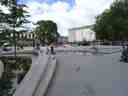
  3. See that wide, open stretch with curving pale stone benches, big trees, a flat square, and a shimmer from water in the middle? That’s Kings Square-just look ahead where a mix of…もっと読む折りたたむ

    See that wide, open stretch with curving pale stone benches, big trees, a flat square, and a shimmer from water in the middle? That’s Kings Square-just look ahead where a mix of pigeons, people, and playful kids surround a modern plaza! Now, let’s time travel through Kings Square’s past right here, where the city’s heart beats a little louder than most places. Imagine the 1920s-this spot was once a jumble of old shops and houses. When they knocked those buildings down, whole streets changed forever. Listen carefully, can you hear the distant clatter of demolition work from nearly a century ago? It was the end of an era for Kings Street and New Lane, but the beginning for something quite new-a wide city square where Gloucester could show off a bit. Back then, Kings Square was the stage for buses and cars, swerving in and out. Friendly bus drivers leaned from their windows as families hurried past-maybe off to drape themselves in the latest fashion from Bon Marché, the department store that stretched across the west, right where Debenhams later stood. The east glowed with electricity from showroom lights, and there was a real buzz as the Midlands Electricity store set up shop. Flash forward to the 1960s! Kings Square started getting a very groovy facelift. On the east and south, brand new stores popped up. But best of all? The center became a watery wonderland! Imagine children shrieking with delight, dads pretending not to be tempted by the stepping stones over sparkling fountains, and everyone sneaking a dip when the summer sun made the concrete shimmer. That was Kings Square in its ’70s heyday-fountains, shops, and a new kind of Gloucester magic. For a while, Kings Street was covered up and turned into Kings Walk Shopping Centre-where shoppers could chase bargains in all kinds of British weather. But time marches on, and soon the fountains got a little tired. In 2006, bulldozers flattened the area, smoothing it into concrete and setting out new benches, so you can rest your feet just like Gloucester’s shoppers before you! There was always something happening here. Once, on the north side, the thrilled murmur of an opening day: the Regal Cinema. Construction started before the Second World War, but the great conflict put a pause on the project. That meant 1956 was a real blockbuster year-at last, a gleaming cinema where you could catch a film or a live show. By the 1960s and ’70s, big stars like The Beatles, Cliff Richard, and even Morecambe and Wise trod the boards or wowed the crowds right here. Even when the cinema turned into a multi-screen movie house, the excitement never left. Now, with the building transformed into The Regal pub, you can raise a glass where folks once cheered for their favorite stars. Not to forget, just nearby, Gloucester’s grand post office opened in 1934-a stately building faced with Portland stone, heavy oak doors, and the sense that, even if you’d lost your way, your letters were always going somewhere vital. The post office replaced older sites and marked Kings Square as the place to send and receive all your news-momentous or mundane. Of course, Kings Square itself has just had a new lease of life-rebuilt in the shape of the mighty Severn Bore, with those wavy granite benches you see now. Over £5 million was spent making the square shine again, adding playful water features and colored lights for the nights when Gloucester won’t quite go to sleep just yet. Today, this space is alive with markets, chatter, and open-air life. Just think, all this concrete and laughter, all these trees and pigeons, hold stories from across the last 100 years. So, as you wander, imagine all the feet that have hurried across these stones-off to catch a bus, a bargain, a letter, or a show-and see if you can feel a little of that Gloucester spirit brushing past you!

    専用ページを開く →
さらに12件のスポットを表示表示するスポットを減らすexpand_moreexpand_less
  1. To spot Kings Walk Shopping Centre, just look ahead for a bright and airy glass entrance, topped with angular white beams crisscrossing above you and shops like Greggs and River…もっと読む折りたたむ

    To spot Kings Walk Shopping Centre, just look ahead for a bright and airy glass entrance, topped with angular white beams crisscrossing above you and shops like Greggs and River Island lining both sides-you can’t miss its modern, open vibe! Now, as you stand here at the entrance of Kings Walk Shopping Centre, just imagine the buzz of voices and the scent of warm pastries from Greggs floating through the air. There’s natural light pouring in above you through those glass panels, casting patterns of white against the floor-modern, fresh, and lively. But beneath your very feet, hidden by a simple trapdoor, there is a secret much older than all those shopfronts and coffee aromas: a slice of Roman history, nearly two thousand years old. Let’s wind the clock all the way back. Way before fashion boutiques and sausage rolls, this spot was known as Kings Street, an industrial hub busy with the whir of printing presses instead of shopping trolleys. The air here must have once smelled of ink and hot metal thanks to John Bellows’ printing factory, built back in 1873-a real game changer in its day. Over time, the area transformed. After the World Wars, the streets echoed with the crash and clang of demolition and rebuilding. Between the Roaring Twenties and Dirty Thirties, the north end of Kings Street made way for Kings Square and brand-new blocks of shops, while old lanes vanished beneath the relentless march of progress. By the swinging Sixties, Gloucester was ready for even more change. Shopping habits were shifting, and so, with spirit and plenty of construction dust, this very centre was born. From 1969 to 1972, shops sprouted up on both sides of what was once a bustling street, the whole strip then covered over to become the pedestrian-friendly indoor boulevard you see today. They even put a car park on the roof-because who doesn’t love parking with a view? For a while, a footbridge soared over Eastgate Street, joining Kings Walk to the neighbouring Eastgate Shopping Centre. It’s shut now, so you won’t be doing your best Mission Impossible impression across it, sadly. Now, while you might be thinking that’s enough history for one shopping centre, we’ve only just reached the good bit. Hidden underneath the hustle and bustle is the Kings Walk Bastion, the stony remains of a Roman wall and tower that once stood firm as soldiers in sandals and tunics patrolled the outskirts of the ancient city. Built around 60AD, when Romans first set up camp here, it started out as a wooden tower and a sandy rampart, ringed by a deep ditch-the ancient world’s answer to ‘No Trespassing’ signs. As the centuries rolled by, that tower got a Cotswold stone makeover, the Roman fortress turned into a grand city, and the wall stretched five metres high and three metres thick-now that’s a wall even your nosy neighbour couldn’t peek over! Later, in the 1200s, the medieval folks added their own twist, building a semi-circular stone tower out front, almost as if the city was getting an upgrade package. Archaeologists in the 1930s got the first peek down below and found the edge of the Roman city wall, tucked away like treasure. In the late 1960s, while this centre was being built, they unearthed more secrets: blocks of ancient stone, old scaffolding holes, and even hints at a long-lost gate-the mysterious Postern Gate-which, to this day, remains unfound, as if daring future explorers to come looking. Flooding sealed the site for years, but thanks to some clever plumbing and a bit of determination from the council, the bastion was brought back to light in 2016. If you ever want to add ‘touched a Roman wall’ to your shopping list, the site sometimes opens for visiting-though there’s still debate over where that ancient gate is hiding. So, as the crowds swirl around you and the tills ring out, remember: you’re standing on 1,900 years of history, from roaring Roman towers to factory floors, to the modern shops of today. Who knew that in the middle of a shopping spree, you could stumble straight into the past? Now, onwards to our next stop-though maybe check under your feet first. Never know when an ancient Roman might tap you on the shoulder!

    専用ページを開く →
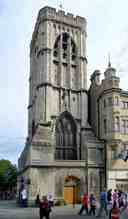
  2. Look up ahead for a tall, stone tower with big, arched windows and ornate, carved details-just where the busy crossroads meet! Welcome to St Michael’s Tower! Right now you’re…もっと読む折りたたむ

    Look up ahead for a tall, stone tower with big, arched windows and ornate, carved details-just where the busy crossroads meet! Welcome to St Michael’s Tower! Right now you’re standing at The Cross, the very highest spot in all of Gloucester, where the city’s four oldest streets crash together liked tangled spaghetti-except, you know, with more traffic lights. If you turn toward the corner of Eastgate and Southgate Streets, you’ll spot the tower looming proudly, as if it’s keeping an eye on everyone going about their day. Built back in 1465, this strong old giant replaced a much older church that had already stood here since the twelfth century-and if you think that’s ancient, imagine the Romans! Archaeologists found Roman remains hiding underneath, so you’re actually walking on layers and layers of history. Here’s a twist: the tower is all that’s left from its original church. In the 1840s, locals knocked down the rest and built a fancy new one. But fate-or stubborn builders-had other plans, and only the tower survived again, even when the church closed in 1940 and its replacement was demolished in 1956. Talk about refusing to leave the party! Over the years, St Michael’s Tower has played everything: a bell museum, a tourist information centre, even a fancy walkway between the city’s busiest streets. But not all adventures are glamorous. For a while, the building slipped into a snooze and became just a dusty storehouse, locked up tight. But, like any good hero, the tower had a comeback! In 2010, the people of Gloucester banded together, restoring it for over £300,000, cheering it back to life as the headquarters of the Gloucester Civic Trust-a true "tower of learning." Oh, and locals campaigned to bring the bell back. Want to guess how it felt to finally hear it ring again? So, take a moment to look up and imagine the sounds and sights of centuries. If these stones could talk… well, they’d probably ring a bell for you!

    専用ページを開く →
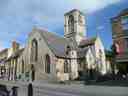
  3. To spot St Mary de Crypt Church, just look for a grand stone church with a tall, square tower and pointed arch windows set right beside the pedestrian walkway-it’s hard to miss on…もっと読む折りたたむ

    To spot St Mary de Crypt Church, just look for a grand stone church with a tall, square tower and pointed arch windows set right beside the pedestrian walkway-it’s hard to miss on Southgate Street. Now, take a slow breath and let me sweep you back in time. Imagine the buzz of Southgate Street nearly 900 years ago-horses clopping, market sellers shouting, and the grand stone walls of St Mary de Crypt already standing watch. First recorded in 1140 as The Church of the Blessed Mary within Southgate, this church has seen more drama than your average soap opera! It’s worn the names Christ Church and St Mary in the South along its journey-and can you believe you’re standing in front of a building so old that knights in shining armor once walked its shadow? Step a bit closer and picture artisans in the 12th century carefully carving the stone over the west door. There, you’ll find a special sculpture: the lamb and flag, or “agnus dei,” a symbol of hope and resurrection. The church grew and stretched its walls through the 14th, 15th, and 16th centuries, and the crypt at the western end still whispers stories from centuries past. If you hear a chilly draft, don’t blame the British weather-some say even the stones are haunted by memories! Next door, in 1539, Joan Cooke used her fortune to found the Crypt School. Imagine schoolchildren shuffling into class, trying not to giggle, a little nervous they might bump into a ghostly visitor. The classroom still stands, though these days the students have moved to bigger digs. Both Joan and her husband John rest within the church, honored with shiny brass memorials in the north transept. In 1643, cannons boomed across the city during the Siege of Gloucester, and this very church hid a secret-it served as an ammunition factory and store, with powder kegs stacked high where prayers once echoed. Most churches ask for quiet, but I bet it was anything but peaceful then. Spin the clock forward again: in 1736, a young George Whitefield (who would become one of Methodism’s founding legends) took a deep breath and delivered his first-ever sermon right here. Not to be outdone, Robert Raikes, founder of Sunday Schools-yes, the guy who made kids go to school on Sundays-was baptized and later buried beneath the South Chapel. Across the centuries, St Mary de Crypt has witnessed civil war, joyful weddings, tearful farewells, and even the stingy antics of Jemmy Wood, the Gloucester Miser, who’s buried here too. By 2019, after a major facelift funded by the National Lottery Heritage Fund, the church bounced back as both a place of worship and a lively community center-a sort of time machine you can walk into. So as you stand here, take it all in. You’re not just looking at old stones. You’re nose-to-nose with centuries of secrets, stories, and Gloucester’s lively, sometimes quirky, heartbeat. So, ready for our next adventure, or do you fancy checking the crypt for hidden treasure first?

    専用ページを開く →
  4. Straight ahead, you’ll spot a sturdy stone building with steep roofs, right next to the glimmering river-just look for the structure that dominates the water’s edge, thick with…もっと読む折りたたむ

    Straight ahead, you’ll spot a sturdy stone building with steep roofs, right next to the glimmering river-just look for the structure that dominates the water’s edge, thick with history and mystery. Now, let me whisk you back nearly a thousand years, when the ground beneath your feet thundered with hoofbeats, boots, and the heavy steps of Norman builders! Imagine the city of Gloucester right after the Norman Conquest-out of the dust, Roger de Pitres, the first Sheriff of Gloucestershire, decided he needed a nice castle, so he built a mighty motte and bailey castle here. Not everyone was happy though; he actually flattened sixteen houses of the townsfolk to make room! Soon, King William II rode in, full of ambition, and knocked down eight more houses to make the castle even bigger. These walls saw dynasties rise and fall: Walter of Gloucester, the next Sheriff, replaced his dad and expanded the fortress, building it right over an old abbey garden with a grand view across the river Severn. It’s almost as if he wanted the monks from the abbey next door to keep an eye on his new home… and maybe trade gardening tips! Through the centuries, the castle was the home and stronghold of some serious power players-the likes of Walter’s son, Miles FitzWalter, and then Roger Fitzmiles, all of them thick in the action of medieval England. The castle’s thick stone walls were constantly tested-not just by time, but by war! During the bloody civil barons’ war in the 1260s, it was besieged twice. Picture catapults and archers hurling rocks, banners flying, and the shouts of defenders echoing through these very streets. But not all was swordplay. Henry III loved to stay here-as comfortable as a king could be with the scent of the river and echoes of history in the air. To make things even grander, he ordered a bridge over the Severn with a foreboding barbican guarding the gate. By the 1200s, however, part of the castle had a different, less glamorous job: being the official county gaol, or jail. And here’s a twist-Eleanor of Brittany, cousin to kings with a legit shot at the throne, was imprisoned here not once, but twice. When she arrived, they even cleared out all the other prisoners just for her, like some kind of royal houseguest... though probably minus the room service! But nothing lasts forever. By the 15th century, the castle’s walls lost their shine, and it became less an invincible fortress, more a gloomy county jail. Stones were pinched for building roads and houses around town, and by the 1600s only the keep and gatehouse remained, still stubbornly clinging on as a prison. Eventually, new ideas (and maybe old plumbing) meant the keep was finally torn down in 1787, making way for Gloucester Prison. Not a single stone remains above ground today-except, that is, for the castle’s foundations, rediscovered by archaeologists in 2015. Imagine, for centuries, all of this was right here, hidden away. Now, you’re standing on the secrets of Gloucester! Will you uncover a hidden treasure? Or just some castle-sized goosebumps? Either way, the stones beneath you still remember the clash of swords, royal secrets, and a thousand years of stories. Fascinated by the early norman motte and bailey castle, king's residence or the decline? Let's chat about it

    専用ページを開く →
  5. Look for a grand, three-story red brick building with a stone-trimmed frame, large windows, and two flags flying proudly above; that’s the Soldiers of Gloucestershire Museum, with…もっと読む折りたたむ

    Look for a grand, three-story red brick building with a stone-trimmed frame, large windows, and two flags flying proudly above; that’s the Soldiers of Gloucestershire Museum, with its name standing bold across the front, not to mention the entrance faces the lively Gloucester Docks, easy to spot amid the bustle! Now, as you stand here, imagine the clatter of horse hooves on cobblestones, the salty breeze of goods arriving from all corners of the world, and the sharp-eyed customs officers of the Victorian era making sure every nut, bolt, and barrel was accounted for. This building, completed in 1845, didn’t start life as a museum. Oh no, it was once the heart of Gloucester’s customs trade! Picture portly gentlemen in top hats, poring over shipping ledgers, their pens scribbling details about fine silks and barrels of rum, right here in what was known as the Custom House. But we’re not just talking dry paperwork and dusty crates. Fast forward a century and a half, and this same sturdy building has been given a whole new mission-one with a lot more bang! The Soldiers of Gloucestershire Museum now tells the pulse-pounding story of the county’s finest military heroes. You might say it’s where local legends trade in their customs badges for medals and a place in history. Inside these brick walls, the echoes of the past come alive. Let your mind’s eye wander through the Napoleonic Wars, where you’ll see shiny medals from Waterloo and hear the heart-thumping sound of a distant battlefield. There’s even a diorama where the British army’s 28th (North Gloucestershire) Regiment of Foot, ancestors to the modern Gloucestershire Regiment, can almost be heard shouting encouragement to each other, the crackle of musket fire ringing in your ears. Did you know the museum’s stories stretch across more than 300 years? You’ll plunge into the mud of World War I trenches, your boots almost squelching in the lifelike room display, dodging between the rattle of rifle fire and the pounding of distant shells. Then leap ahead to the wind-blown deserts and dust-choked battlefields of World War II, where the Gloucesters’ tough-as-nails rearguard action at Dunkirk is told with jaw-dropping detail in cutting-edge audio-visual displays. But there’s no time to rest on your laurels here. The Royal Gloucestershire Hussars charge onto the scene next, resplendent in their dashing uniforms and silverware, ready to sweep you into tales of cavalry derring-do dating back to the 1790s. Stroll a little further and you might discover incredible relics: medals that shimmer with history, the Victoria Crosses of heroes like Herbert Taylor Reade and Daniel Burges-men who faced down danger with courage that makes your own worries seem rather tame in comparison! The museum doesn’t just walk you through wars of the distant past either. It keeps things alive and kicking, covering modern conflicts in Iraq and Afghanistan, even as fresh exhibits march through the door. There’s something reverent and electric about this place, as if it breathes with the stories of every Gloucestershire soldier who ever donned a uniform. Of course, the Custom House itself is a bit of a survivor. Built by an architect who also designed what’s now the Imperial War Museum in London, this place has watched Gloucester change from a bustling trade port to a city of leisure and bustling museum-goers. At one time, customs officers not only worked here, but one even lived onsite-imagine having your workplace just downstairs. You’d never be late to log the next shipment of cocoa beans! By the 1970s, as the city’s trade shifted elsewhere, the hum of paperwork faded. But the building wasn’t ready for retirement. Instead, the Gloucestershire Regiment set up their headquarters here in 1980, turning dusty ledgers into displays of bravery and sacrifice. After a few grand makeovers, and thanks to grants from the Heritage Lottery Fund, today the museum opens its doors to you, telling tales of camaraderie, loss, and those rare moments when ordinary people become something truly extraordinary. So, as you look up at the smart lines of the Custom House, imagine the footfalls of history echoing all around you. The laughter of young officers painting their miniature portraits, the determined faces in old photographs, and every whispered story of courage-waiting just beyond the brick and glass, ready to make you part of Gloucester’s living memory. But don’t linger too long! After all, this is a place where the past salutes the present, and new adventures are always just around the corner. Now, onward to the next stop-let’s keep marching!

    専用ページを開く →
  6. To spot Blackfriars, just look for the sturdy pale-stone building right in front of you with pointed gothic windows and a distinctive semi-circular bay window sticking out-it's a…もっと読む折りたたむ

    To spot Blackfriars, just look for the sturdy pale-stone building right in front of you with pointed gothic windows and a distinctive semi-circular bay window sticking out-it's a real architectural time capsule. Welcome to Blackfriars, a site packed so full of stories, you’d think the walls could gossip! Imagine you’re standing here nearly eight centuries ago. Monks in flowing black cloaks, the original “men in black,” shuffle about the grounds. Built around 1239, this was home to Dominican friars, a place alive with chants, quiet study, and the gentle scratching of quills in the scriptorium. The friars lived in a bustling labyrinth of stone-a church, cloisters to your left and right, cozy dormitories overhead, and Britain’s oldest purpose-built library echoing with whispered secrets. But history was not always peaceful here. In 1539, along came a trend rather less holy: shutting down monasteries! A local businessman, Thomas Bell, bought Blackfriars for a tidy sum. He didn’t just move in-he transformed the old church into a swanky house, chopped the building down to half its length, and even added a stylish bay window you see before you. Those dormitories? They got a dramatic scissor-braced roof, still famous today. The cloisters turned industrial, filled not with prayers but with the sounds of cap-making! It wasn’t all business and banter. Picture 1555-Bishop John Hooper, a man of conviction, is burned at the stake not far from here for his beliefs. His family, including his wife Anne, faced plague and heartbreak in exile. And through centuries, the buildings morphed again: grand mansion, divided homes, colorful tenants, even periods of disrepair. The gateways that once guarded the friars’ quiet contemplation are gone-one collapsed and the other vanished before 1724. But the memory survives in Ladybellegate, the street right behind, named for Bell’s gifted niece. The buildings you stand before were rescued, revived, and finally opened to the public in 1984. Today, they echo with joy: wedding bells, laughter from concerts, and maybe, if you listen closely, the rustle of medieval robes. So, whether for monks, merchants, or modern celebrations, Blackfriars has always had a story waiting in its stones… and I promise it’s never a “friar drill!”

    専用ページを開く →
  7. To spot Ladybellegate Street, just look ahead for a row of pale stone terraced houses with big sash windows and a chunky old brick wall out front, faded with a ghostly green…もっと読む折りたたむ

    To spot Ladybellegate Street, just look ahead for a row of pale stone terraced houses with big sash windows and a chunky old brick wall out front, faded with a ghostly green sign-right next to the rusty-red gates. Alright, take a deep breath and listen-you’re about to step into a pocket of Gloucester’s past that’s bursting with secrets! Ladybellegate Street might look quiet today, but if these old walls could talk, you’d need earplugs. The name comes from Lady Bell’s Gate, named after Lady Joan Bell, who once strolled these streets in stately Tudor dresses, probably with more lace than sense. Her gate, which long ago allowed folk to wander into Blackfriars monastery, has sadly vanished. The last anyone saw of it was back in 1724-one of those "blink and you’ll miss it" pieces of Gloucester history. Imagine the creaky sound as it swung open, letting monks and townsfolk pass through on mysterious errands. To your right, those three grand-looking terraced houses at numbers 13, 15 and 17 are more than just your average homes; their cellars are built right into the old rubble walls of Blackfriars itself. Picture the monks scuttling underneath your feet, whispering secrets or maybe just arguing about who stole the last hunk of bread. The two middle houses are so similar, they’re like brothers staring at each other in a mirror-makes you wonder who was copying whom. Just along the street, you’ll spot a faded sign for Talbots Bottlers. Once, this spot was busy with workers bottling beer, clinking glass echoing down the lane. Maybe you can almost smell the hops! Now, it’s a backdrop to city life, a relic for curious explorers like you. As for the western side of the street, well, it’s mostly empty now-almost like the city’s forgotten side. But at the northern tip, gaze towards Longsmith Street, and you’ll see Ladybellegate House, home of Robert Raikes junior, the founder of Sunday Schools, who gave the world a reason to get up early on Sunday… for better or worse! So, as you stand here, remember that Ladybellegate Street is a thread tying together centuries of gossip, mystery, and daily life-sometimes grand, sometimes gritty, but always full of character.

    専用ページを開く →
  8. To spot the site of ancient Glevum, look ahead for signs and markers around the area where the old Roman city once lay, just where modern Gloucester now buzzes-think of standing…もっと読む折りたたむ

    To spot the site of ancient Glevum, look ahead for signs and markers around the area where the old Roman city once lay, just where modern Gloucester now buzzes-think of standing at a crossroads where history is layered beneath your very feet. Welcome to Glevum, where you’re walking in the footsteps of Roman soldiers, retired legionaries, and maybe even a few spirited ghosts from two thousand years ago! Imagine yourself here around AD 48-the air carries the scent of wood smoke and baked bread as Roman legionaries busily hammer at their shields and clank armor while building a fort at this key crossing of the River Severn. You might even overhear some Latin banter about the unpredictable British weather. Not long after, the place transforms. The thundering boots of Legio XX Valeria Victrix are replaced by those of Legio II Augusta. As the legion prepares to move on, a bustling civilian town-using the perfect Roman grid plan-springs up right beneath your nose, with straight streets where carts rumble and chickens squawk. Eventually, by AD 97, the Emperor Nerva himself decides this should be a colonia, the highest honor for a Roman city-a home for tough, scarred veterans who traded their swords for plows but never gave up on a good story. Picture a marketplace where silks, spices, and local cheese tempt shoppers, while elegant Roman houses glimmer with colored mosaics under your toes. If you close your eyes, you can almost hear the laughter from the impressive basilica and forum at the town center. The wharves by the river are busy too-crates creak and splash as ships unload cargo from across the empire, even as the city starts minting coins for its own thriving economy. As you stand here, remember, Glevum wasn’t just a sleepy outpost-it was likely the capital of its own Roman province when Roman Britain split into four, placing this spot at the very heart of imperial power. Roman villas, some with stunning mosaic floors that would make even today’s interior designers jealous, pepper the countryside all around. Wealthy landowners enjoyed heated baths and fine wine, while their workers tended the fertile fields-living proof that Romans really knew how to mix pleasure with business. But, like all exciting tales, Glevum’s fortunes change. The Romans may be gone, but archaeologists today find plenty of clues: battered walls, old coins, fragments of mosaics tucked under modern shops and universities. If you look down Eastgate Street or follow the lines of Northgate and Southgate, you’re tracing the very roads Roman chariots once rattled along! And just a short stroll away, the East Gate Chamber lets you glimpse those ancient stone blocks. Legend even says a new town gate was built after the famous Battle of Mons Badonicus, as the town clung to life before the Anglo-Saxons swept in-perhaps led by King Coinmail, whose name echoes like a drumbeat through lost centuries. Even after the city became Gloucester, its Roman heritage lingered. Perhaps you’ll spot the bronze statue of Emperor Nerva greeting visitors near Southgate Street-the original “mayor” welcoming everyone, two thousand years late for his welcome party! And while the Glevum name lives on in shops, schools, and the scenic Glevum Way footpath, the real treasure is the sense that, beneath every cobblestone, ancient stories lie waiting, just daring you to discover them. So, as you stand here now, just try to imagine the city at its height: mosaic floors gleaming, soldiers swaggering, the smell of roasting boar in the air, coins jangling in the marketplace, and the promise that somewhere beneath your feet, a little piece of Rome is still alive, right here in Gloucester. If you're curious about the fortress, colonia or the decline, the chat section below is the perfect place to seek clarification.

    専用ページを開く →
  9. To spot St Nicholas Church, just look above the treetops for its tall, pale stone tower with a dramatic, pointed spire that's been sheared off at the top-and don’t miss the big…もっと読む折りたたむ

    To spot St Nicholas Church, just look above the treetops for its tall, pale stone tower with a dramatic, pointed spire that's been sheared off at the top-and don’t miss the big golden clock stuck out on a metal bracket facing Westgate Street. Alright, stand tall and prepare for a journey through time-welcome to St Nicholas Church! Right in front of you is a true survivor of Gloucester, a building that’s witnessed invasions, fire, fortune, cannonballs, and just a bit of medieval mischief. Let’s step closer and imagine Westgate Street as it would have been over 800 years ago. The air is thick with the smell of tanners’ workshops and the sharp sound of hammers. Founded around 1190, folks here once called it “St. Nicholas of the Bridge,” and by the thirteenth century, the church had already gone through one of its many facelifts. Over the centuries, the people of Gloucester rebuilt and extended, adding a soaring spire and a two-towered porch, with limestone walls glinting in the sun and slate roofs that shrugged off the rain. In the 16th century, this church was at the heart of Gloucester’s wealthiest parish-imagine gold gleaming in the candlelight and the chatter of the city’s richest citizens, showing off their Sunday best. Now, glance up at that tower. Can you picture it almost twice as tall? Originally, the spire shot 200 feet into the sky, challenging the clouds to a race. But time, as always, had other plans. In 1643, during the chaos of the English Civil War and the Siege of Gloucester, a thunderous explosion echoed through the city as a cannonball struck the spire. For a while, the once-proud spire was left jagged and wounded. They capped its remains with a curious little crown in 1783-so if the building looks like it’s wearing a fancy hat, now you know why! Architecturally, St Nicholas is a patchwork of the ages. The south porch is an impressive two stories, hiding an ancient arched doorway. Step under and you’d see a carved lamb, a symbol of Christ, surrounded by leafy twists. The west end of the church boasts stunning windows with intricate Perpendicular tracery-like stone lacework letting the sun pour in. The tower itself is ringed by battlements and delicate pinnacles, and if you listen closely, you might just imagine the bells that have called out from up there since the 15th century-six of them, their oldest cast at the dawn of the Tudor era. Inside, the church’s story continues in stone and timber. The nave’s open timber roof creaks with memory. Some of the stone arches you’d walk under are solid Norman Romanesque, others are tall and pointed, tracing the march of Gothic style through the ages. On the walls, you’d find details for medieval priests and savvy worshippers: a piscina for water, a credence table for communion, naughty little squints so you could peek at the altar from sideways. Now, if you’d stood inside in the 17th century you’d have seen the city’s finest flock gathered, and maybe even gasped at the royal arms of Charles II hanging proudly-perhaps to remind everyone who was really in charge. There are tales written in marble, too: just imagine the colored effigies of Alderman John Walton and his wife, lying in quiet grandeur atop their chest tomb. Rumor has it that if you visited at midnight, you might hear the starched rustle of his mayoral robes drifting along the aisle. Though fires and storms battered the old church, repairs always followed. The wooden gallery from 1621 was moved and moved again, and a grand organ played for centuries before being whisked off to a new home in St Mary de Lode nearby. And when the church finally closed its doors in 1967, it wasn’t the end-just a new chapter. Now cared for by The Churches Conservation Trust, St Nicholas stands as a silent storyteller in stone. So as you gaze up at the truncated spire, perhaps you’ll notice how it stands proud and battered, a bit like Gloucester itself-forever looking to the future, yet holding tight to legends of the past. And don’t be surprised if, for just a moment, you swear you hear ancient bells echoing down Westgate Street. Onward to the next adventure, brave traveler!

    専用ページを開く →
  10. To spot St Mary de Lode Church, look for a solid stone building with soaring pointed windows and blue wooden doors, tucked behind a few tall trees and facing the street just…もっと読む折りたたむ

    To spot St Mary de Lode Church, look for a solid stone building with soaring pointed windows and blue wooden doors, tucked behind a few tall trees and facing the street just beyond the shadow of the Cathedral. Alright, you’ve found it-St Mary de Lode Church, a place where the stones have soaked up nearly two thousand years of stories! Take a moment to look up at those pointed Gothic windows and the rugged, ancient walls, but imagine what lies beneath your feet, too. Archaeologists in 1979 uncovered not just bricks and tiles but a mystery worthy of a time-travel novel: under this very spot was once a Roman bathhouse, echoing with splashes, laughter, and the soft sound of water trickling through pipes. The baths gave way to a wooden mausoleum, where three burials lay, then to a series of increasingly ambitious churches. If the ground could talk, it might tell you tales of a great fire-the church here burned in 1190, shrouding the place in a smoky, acrid fog as the central tower, now standing so solidly, had to be rebuilt stone by stone. The current nave, with its early Gothic Revival style, is a 19th-century face-lift, supported by columns of cast iron-a modern touch, at least for a church that claims to be older than many countries! But St Mary de Lode has more secrets than a basket of Easter eggs. Some say this is the very first Christian church in Britain, founded in the days when Roman sandals still scuffed the nearby roads. Imagine a misty day over the River Severn, when a “lode” or ferry glided by-hence the church’s name. No ferry crosses here now, but if you listen closely, maybe you can hear the faint creak of wooden boats and distant shouts from the riverside. And what’s this about royalty? Local legend claims a grand burial took place here: King Lucius, no less, Britain’s first Christian king, who supposedly sent a message to Rome calling for Christianity to come ashore. Of course, historians and skeptics grumble about dates and evidence, but inside, there’s an old tomb marked with the effigy of a 14th-century priest. Is it a humble vicar, or could it be a king in disguise? Perhaps Lucius still gets a laugh out of the confusion-after all, every church needs a good ghost story! During the chaos of the English Civil War, the church’s stones were witness to another drama. Picture it: royalist soldiers, boots muddy and faces sullen, held as prisoners beneath the high-arched Norman tower by order of the Parliamentarians. The air would have been thick with tension and the muffled clank of chains. Today, St Mary de Lode isn’t just for ghosts and legends. Its stained glass windows gleam with the story of the Royal Gloucestershire Hussars and Ivor Gurney, the poet. The church hums with concerts and laughter, the persistent energy of Sunday school children, and the soft, hopeful music of an 18th-century organ carried here from another vanished church. So linger a moment-who knows what stories you’ll add to the stones here today?

    専用ページを開く →
  11. Look just ahead and to your right-you’ll spot the ancient stone ruins of St Oswald’s Priory, with its crumbling yellow walls, high arched doorways, and windows standing quietly…もっと読む折りたたむ

    Look just ahead and to your right-you’ll spot the ancient stone ruins of St Oswald’s Priory, with its crumbling yellow walls, high arched doorways, and windows standing quietly against the soft green grass. Alright, gather round-let me whisk you back in time, nearly 1,200 years ago. Picture this spot, not as quiet ruins, but bustling with the sounds of hammers on stone, monks shuffling by in scratchy wool, and a sense in the air that something big was happening. This is where Æthelflæd, daughter of Alfred the Great, and her husband Æthelred, the top boss of Mercia, decided to leave their mark. And let’s be honest-if you’re the daughter of one of the most famous kings in England, you don’t do things by half measures. So what did they do? They built a church, carefully modeled after Winchester’s Old Minster-a kind of medieval copy-paste, if you will. It quickly became the spiritual heart of Gloucester’s fortified town, or "burh," a place of power, shelter, and hope. Royalty loved it: both Æthelflæd and Æthelred were buried right here, with their nephew, a young lad called Æthelstan, running around the court-who would later become England’s first true king. Yes, kings and queens started right here, perhaps even tripping over the same bits of grass you’re standing on. Æthelstan, feeling generous (or maybe just wanting to outdo his aunt), gifted special privileges to St Oswald’s and may have even had fancy grave covers made. For a while, this place drew pilgrims from all over, eager to catch a whiff of royalty or maybe just hoping for a miracle or two. But time, as always, has its own plans. Power and privilege drifted elsewhere. Kings started looking to the shiny new abbey up the road, and poor St Oswald’s faded into the background-a relic managed by humble Augustinian canons, far from its royal heyday. When the monastery was finally shut down in the 1500s, the building kept going as a parish church… until the English Civil War stomped through and did some serious damage. By 1643, much of what you see was left in ruins. And yet, despite wars, wind, and weather, St Oswald’s still stands-crumbling, but proud-a Grade I listed building. Even today, you can feel the echoes: queens, kings, monks, rebels. Don’t forget, the bones of Æthelflæd and Æthelred still lie somewhere beneath your feet! Not a bad place for a bit of history, eh? (And if you hear any whispering on the wind, it’s probably just Æthelstan complaining about his allowance.)

    専用ページを開く →
  12. Once upon a time, in 1891, a group of rugby pioneers from Gloucester Football Club took a look at this piece of land, known back then as Castle Grim estate, and said, “Here, we…もっと読む折りたたむ

    Once upon a time, in 1891, a group of rugby pioneers from Gloucester Football Club took a look at this piece of land, known back then as Castle Grim estate, and said, “Here, we shall play!” Not literally with a trumpet fanfare, but you get the idea. Picture muddy boots, rolled-up sleeves, and a dream. Within months, the first match was played. By 1892, a pavilion popped up for 424 lucky fans-pretty cozy compared to today’s 16,115 capacity. Back then, buying a ticket was as hard as defeating the All Blacks. Speaking of which, the mighty New Zealand team played right here in the 1991 Rugby World Cup, facing off against the United States. What a clash that must have been! Fast forward through the decades, and you'll find more stories than you can shake a muddy boot at. In 1923, they added a wooden stand, only for it to go up in flames in 1933-don’t worry, everyone made it out safely, though the sausages likely got burnt. By year’s end, a bigger, grander stand rose from the ashes. Just a year later, out went the old pavilion, replaced by what we now lovingly call The Shed. Oh, The Shed! No ordinary stand, but a living legend in the world of rugby. It hugs the north side of the pitch, and because of its closeness-and that distinctive low roof-it’s said visiting teams can FEEL the fans breathing down their necks. And they’re a loud bunch, the Shedheads. Today it holds around 3,000 people and goes by the title “The Compeed Shed,” thanks to modern-day sponsorships, but the atmosphere is all old school passion. The West Stand terrace, with its row of hospitality boxes hovering above, rattles with the chants of 1,615 supporters-West Stand regulars say the only thing louder than the crowd is the occasional clang from a dropped pint. The East Stand, right behind you along Kingsholm Road, is an all-seater where another 3,000 fans can be found, their cheers bouncing off the glass of the sponsorship boards. Now, picture the stadium in May 2008. The Barbarians-a rugby all-star team if ever there was one-facing the might of Ireland. Or imagine the 2015 Rugby World Cup, when teams from Tonga, Georgia, Scotland, Argentina, the USA, and Japan all graced this turf. Even rugby league made an appearance in the 2000 World Cup. If these walls could talk, they’d tell you tales of tries scored, tackles missed, and the kind of sporting grit that’s left more than one pair of muddy shorts-and possibly a few lost teeth-behind. But Kingsholm isn’t just about rugby. In summer, the grass recovers as music legends take the stage. Ever imagined Tom Jones, McFly, Ronan Keating, The Wanted, Madness, Elton John, Jess Glynne, Lionel Richie, even Little Mix rocking Gloucester? The stadium becomes the city’s largest dancefloor-although I promise, the rugby players don’t do the cha-cha on the try line. Football has had its moments here, too. Gloucester City A.F.C. played matches at Kingsholm in the 1910s, and after Meadow Park flooded for the third time in 2007-look out for rain, folks-the idea of a footballing exile to Kingsholm was discussed but never came to pass. Not that change hasn’t tried to nip at Kingsholm’s heels. In 2003, a daring project called “Project Kingsholm” aimed to redevelop the stadium fully. Fans chipped in, fundraising and even launching a “Save Our Shed” campaign, worried all their beloved terracing would be replaced with seats. Protest posters and t-shirts filled the TV screens during Heineken Cup matches. The people spoke-the Shed survived! Plans came and went, but tradition is hard to replace. Recently, the stadium boasts a shiny main grandstand (7,500 seats, if you fancy counting them one day), and a cutting-edge artificial pitch laid ahead of the 2021-22 season. While the names on the sponsorship boards change-Malvern Tyres, Stowford Press, Allstone speedy skips; it’s like a who’s who of local business-the spirit here doesn’t waver. So take a look around. Imagine the whistle blowing, the thunder of boots, the red and white jerseys swirling, and the city’s hopes pouring out with every cheer. Kingsholm Stadium isn’t just where Gloucester Rugby lives-it’s where Gloucester itself comes alive, over and over again.

    専用ページを開く →

よくある質問

ツアーはどうやって始めますか?

購入後、AudaToursアプリをダウンロードして引き換えコードを入力してください。ツアーはすぐに開始できます。再生ボタンをタップして、GPSガイド付きルートに従うだけです。

ツアー中にインターネットは必要ですか?

いいえ!開始前にツアーをダウンロードしておけば、完全にオフラインで楽しめます。チャット機能のみインターネットが必要です。モバイルデータを節約するため、WiFi環境でのダウンロードをお勧めします。

これは団体ツアーですか?

いいえ、これはセルフガイド式のオーディオツアーです。ガイドや団体、決まったスケジュールに縛られることなく、スマホから流れるナレーションを聴きながら自分のペースで自由に探索できます。

ツアーの所要時間は?

ほとんどのツアーは60〜90分で完了しますが、ペースは完全に自由です。好きな時に一時停止したり、スポットを飛ばしたり、休憩を取ったりできます。

今日中にツアーを終えられない場合は?

問題ありません!ツアーには無期限でアクセスできます。明日、来週、あるいは来年でも、好きな時に再開できます。進行状況は保存されます。

どの言語が利用可能ですか?

すべてのツアーが50以上の言語に対応しています。コードを引き換える際にお好みの言語を選択してください。注意:ツアー生成後に言語を変更することはできません。

購入後、どこからツアーにアクセスできますか?

App StoreまたはGoogle Playから無料のAudaToursアプリをダウンロードしてください。メールで届いた引き換えコードを入力すると、ライブラリにツアーが表示され、ダウンロードして開始できるようになります。

verified_user
満足保証

もしツアーを楽しめなかった場合は、返金いたします。お問い合わせ先: [email protected]

以下の決済で安全にチェックアウト

Apple PayGoogle PayVisaMastercardPayPal

AudaTours: オーディオツアー

楽しくて手頃なセルフガイド式ウォーキングツアー

アプリを試す arrow_forward

世界中の旅行者に愛されています

format_quote このツアーは街を見るのに本当に良い方法でした。ストーリーは作り込まれすぎず面白くて、自分のペースで探索できるのが良かったです。
format_quote 観光客気分になりすぎず、ブライトンを知るためのしっかりとした方法でした。ナレーションには深みと文脈がありました。
Christoph
Christoph
starstarstarstarstar
ブライトン・ツアー arrow_forward
format_quote 片手にクロワッサンを持ち、期待ゼロで始めました。アプリはただ一緒にいてくれる感じで、プレッシャーもなく、クールな物語を楽しめました。

オーディオツアー使い放題

世界中のすべてのツアーをアンロック

0 ツアー·0 都市·0 国
all_inclusive アンリミテッドを探索