
50以上の言語

 さいたま · 日本
 さいたまのオーディオツアー
セルフガイド式オーディオウォーキングツアーでさいたまを発見
headphones
1 ツアー
pin_drop
20 ランドマーク
translate
主要ランドマーク
みんなが知っているさいたま。
ガイドブックに載っているランドマークと、ガイドブックには書いていないことを教えてくれるツアー。
さいたまについて少し
Tokyo's neighbour with surprises it doesn't advertise.
Saitama city was created in 2001 through the administrative merger of three old cities: Urawa, Omiya, and Yono. Each came with its own deep personality. Urawa was a posting-town on the Nakasendo highway during the Edo period, famed for its unagi (freshwater eel) restaurants that fed travelers heading to and from Edo, and some of those eel restaurants have been in continuous operation for over a century. Omiya took its name from the great Hikawa Shrine, whose forested approach along a 2-kilometer-long zelkova-lined avenue has been a place of worship since the 8th century. Yono was the quieter administrative center that held them both together.
The Omiya Bonsai Village, established in the mid-1920s when Tokyo bonsai masters relocated after the 1923 Great Kanto Earthquake, remains one of the most concentrated collections of bonsai expertise in the world.
About 30 bonsai nurseries and the Omiya Bonsai Art Museum cluster in a residential neighborhood where you can walk between gardens of centuries-old specimens, some of them older than the country's Meiji-era constitution. The Railway Museum in Omiya, opened in 2007, is probably the best railway museum in Japan, which in a country this serious about trains is not a trivial claim.
さいたま
さいたま FAQ
Before you walk.
さいたまのすべてのツアーを、あなたの言語で。
50以上の言語すべて、すべての予約に込み。
🇬🇧 English🇫🇷 Français🇪🇸 Español🇩🇪 Deutsch🇮🇹 Italiano🇯🇵 日本語🇨🇳 中文🇰🇷 한국어+ 41言語
star AudaTours Unlimited
複数の都市を訪問しますか? サブスクしましょう。
さいたまのすべてのツアーをアンロック — さらに世界中の何千ものツアーも。いつでもキャンセル可能。
$4.99/週 · いつでもキャンセル

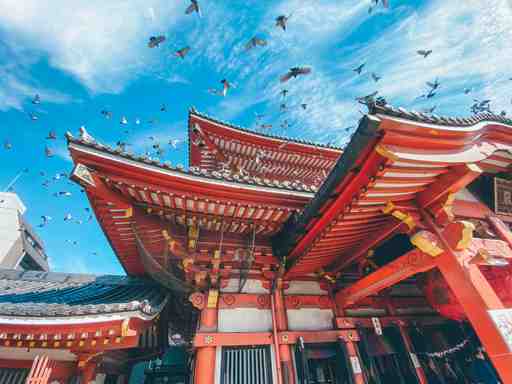


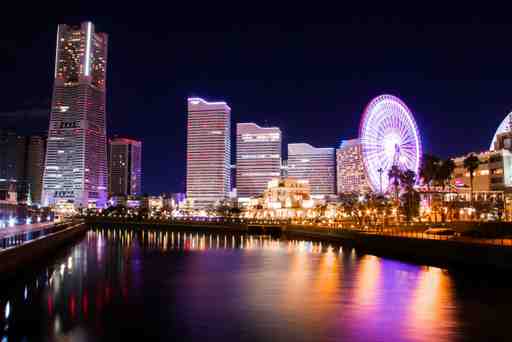

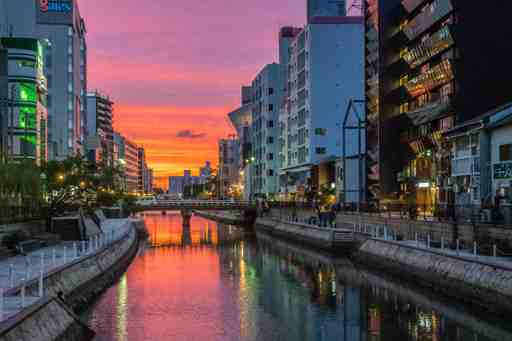
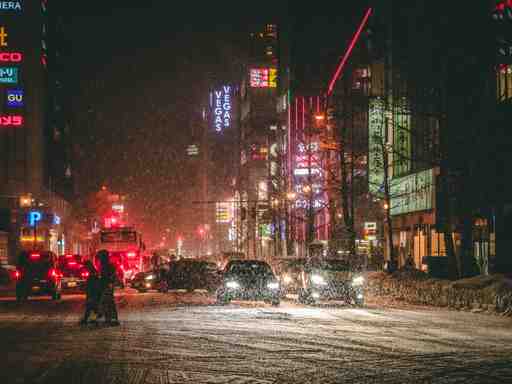
世界中の旅行者に愛されています数千のツアーが始まった。
数千のツアーが始まった。
みんなの感想。
App StoreとGoogle Playで総合4.8。何度も読み返したくなるレビューを集めました。


download アプリを入手 ヘッドフォンを付けて。


ヘッドフォンを付けて。
外へ出よう。
ダウンロード無料。世界中の都市でツアー体験。60秒で開始 — アカウント不要、カード不要。

headphones
約4分 最初のツアーが始まるまで
public
1,000+ 世界中の都市
all_inclusive
AudaTours
Unlimited
すべてのツアー。すべての都市。 ひとつのサブスク。
3096 ツアー2272 都市138 国50+ 言語
$39 /年
all_inclusive アンリミテッドを探索