
50以上の言語

 ティラナ · アルバニア
 ティラナのオーディオツアー
セルフガイド式オーディオウォーキングツアーでティラナを発見
headphones
1 ツアー
pin_drop
20 ランドマーク
translate
主要ランドマーク
みんなが知っているティラナ。
ガイドブックに載っているランドマークと、ガイドブックには書いていないことを教えてくれるツアー。
ティラナについて少し
Half a million bunkers and a future being painted on top.
Albania under Enver Hoxha built roughly 173,000 concrete bunkers between 1967 and 1986, one for every four citizens, a project of such paranoid scale that the landscape is still studded with them. Tirana has found uses for some, turning them into cafes, art studios, and storage rooms, which is both practical and a useful metaphor for what the city has been doing since 1991. After decades of the most isolated communist regime in Europe, Tirana opened to the world and did not stop. Mayor Edi Rama, himself an artist before becoming prime minister, spent the early 2000s covering the city's communist-era apartment blocks in vivid color, which remains one of the more cheerful urban policies in post-communist Europe.
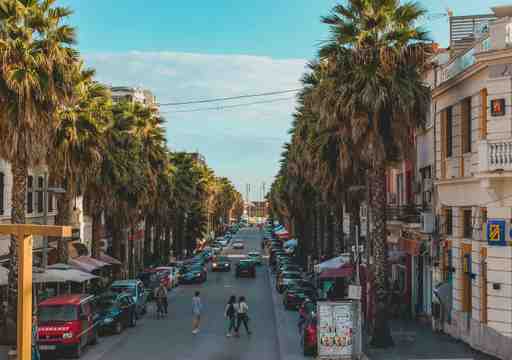
Skanderbeg Square at the centre of the city is one of the largest pedestrian squares in the Balkans, recently redesigned and generally pleasant to sit in.
The National History Museum on the square's north end is worth a visit for its spectacular Soviet-style mosaic mural covering the entire facade. The Blloku neighborhood, once the exclusive residential area of the communist elite where ordinary citizens were forbidden to enter, is now the city's best area for cafes, bars, and restaurants. The National Gallery of Arts has an interesting collection that includes socialist realist works alongside contemporary Albanian art.
ティラナ
ティラナ FAQ
Before you walk.
ティラナのすべてのツアーを、あなたの言語で。
50以上の言語すべて、すべての予約に込み。
🇬🇧 English🇫🇷 Français🇪🇸 Español🇩🇪 Deutsch🇮🇹 Italiano🇯🇵 日本語🇨🇳 中文🇰🇷 한국어+ 41言語
star AudaTours Unlimited
複数の都市を訪問しますか? サブスクしましょう。
ティラナのすべてのツアーをアンロック — さらに世界中の何千ものツアーも。いつでもキャンセル可能。
$4.99/週 · いつでもキャンセル




世界中の旅行者に愛されています数千のツアーが始まった。
数千のツアーが始まった。
みんなの感想。
App StoreとGoogle Playで総合4.8。何度も読み返したくなるレビューを集めました。


download アプリを入手 ヘッドフォンを付けて。


ヘッドフォンを付けて。
外へ出よう。
ダウンロード無料。世界中の都市でツアー体験。60秒で開始 — アカウント不要、カード不要。

headphones
約4分 最初のツアーが始まるまで
public
1,000+ 世界中の都市
all_inclusive
AudaTours
Unlimited
すべてのツアー。すべての都市。 ひとつのサブスク。
3096 ツアー2272 都市138 国50+ 言語
$39 /年
all_inclusive アンリミテッドを探索