
50+ lingue

 Tashkent · Uzbekistan
 Tour Audio a Tashkent
Scopri Tashkent con tour audio a piedi autoguidati
headphones
1 tour
pin_drop
20 monumenti
translate
Monumenti principali
La Tashkent che tutti conoscono.
I monumenti in ogni guida — e i tour che ti dicono quello che le guide non dicono.
Qualche parola su Tashkent
Silk Road city. Soviet blueprint. Central Asian spirit.
Tashkent's name comes from the Turkic for stone and the Persian for city -- a stone city, settled since at least the 3rd century BC, known then as Chach. It prospered on the Silk Road, was destroyed by Genghis Khan in 1219, recovered, thrived under the Timurids, was conquered by Tsarist Russia in 1865, and then became capital of Soviet Uzbekistan. A 1966 earthquake that killed 78,000 people and left 300,000 homeless gave Soviet planners the opportunity to rebuild the entire center from scratch -- which they did, with wide tree-lined avenues, enormous parade squares, and Modernist civic buildings that remain in use today.
The Chorsu Bazaar, the sprawling domed market in the old city, predates the Soviet reconstruction by centuries.
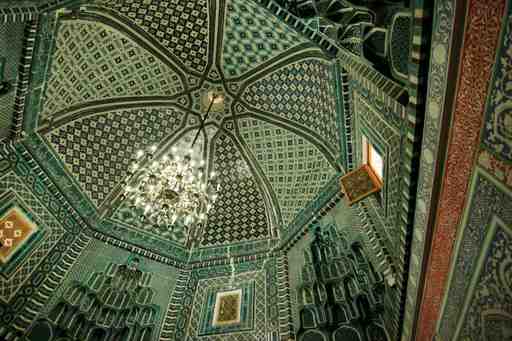
Blue-tiled domes mark the entrances to sections selling bread, spices, dried fruit, meat, and bolts of ikat silk. The Kukeldash Madrasa, a 16th-century Islamic school adjacent to the bazaar, was repurposed as a caravanserai under Russian rule and is now being slowly restored. The Alisher Navoi Opera and Ballet Theatre, completed in 1947, was built by Japanese prisoners of war from World War II and remains one of the finest examples of Soviet Orientalist architecture anywhere.
Tashkent
Tashkent FAQ
Before you walk.
Ogni tour di Tashkent, nella tua lingua.
Tutte le 50+ lingue, incluse con ogni prenotazione.
🇬🇧 English🇫🇷 Français🇪🇸 Español🇩🇪 Deutsch🇮🇹 Italiano🇯🇵 日本語🇨🇳 中文🇰🇷 한국어+ 41 altre
star AudaTours Unlimited
Visiti più di una città? Abbonati.
Sblocca tutti i tour di Tashkent — più migliaia di altri in tutto il mondo. Disdici quando vuoi.
$4.99/settimana · Disdici quando vuoi

Altro in Uzbekistan
Esplora Uzbekistan arrow_forwardAltre città da camminare in Uzbekistan.


Amato dai viaggiatori di tutto il mondoMigliaia di tour iniziati.
Migliaia di tour iniziati.
Un sacco di opinioni.
4.8 su App Store e Google Play. Ecco alcune recensioni a cui torniamo spesso.
starstarstarstarstar
Questo tour è stato un ottimo modo per vedere la città. Le storie erano interessanti senza sembrare troppo scriptate, e mi è piaciuto poter esplorare al mio ritmo.

Jess
Tour Tbilisistarstarstarstarstar
Un ottimo modo per conoscere Brighton senza sentirsi un turista. La narrazione aveva profondità e contesto, senza esagerare.

Christoph
Tour Brightonstarstarstarstarstar
Ho iniziato questo tour con un cornetto in mano e zero aspettative. L'app ti accompagna tranquillamente, niente pressione, solo tu, le tue cuffie e delle storie interessanti.

John
Tour Marseilledownload Scarica l'app Metti le cuffie.


Metti le cuffie.
Esci fuori.
Gratis da scaricare. Tour in ogni città. Parti in 60 secondi — senza account, senza carta.

headphones
~ 4 min al tuo primo tour
public
1.000+ città nel mondo
all_inclusive
AudaTours
Unlimited
Ogni tour. Ogni città. Un abbonamento.
3096 tour2272 città138 paesi50+ lingue
$39 /anno
all_inclusive Esplora Illimitato