AudaTours logoAudaTours

Wembley Audio Tour: Icone, Leggende ed Eredità nel Cuore di Wembley Park

Audioguida12 tappe

Nascosto dietro le luci scintillanti di Wembley Park si trova un paesaggio ricco di storie dove palazzi di vetro, arene di cemento fatiscenti e leggende della TV si scontrano. Questo tour audio autoguidato svela la superficie lucida, conducendo attraverso corridoi di fama e potere a segreti che la maggior parte dei passanti non nota mai. Quale mossa politica si concluse con un inaspettato allarme bomba sotto lo scintillante Brent Civic Centre? Quale superstar della musica affrontò uno scandalo che definì la sua carriera all'interno delle sale echeggianti del scomparso Wembley Conference Centre? E un testo perduto dei Beatles è davvero svanito per sempre nel caos dei Fountain Studios? Cammina tra sale riunioni e passaggi dietro le quinte dove drammi dell'Eurovision, ribellioni del consiglio, bobine di film dimenticate e risse leggendarie hanno lasciato il segno. Scopri Wembley come un luogo non solo di stadi, ma di esperimenti audaci, reinvenzioni coraggiose e storie che vibrano sotto i tuoi piedi. La curiosità crepita qui. Premi play per svelare i momenti inediti di Wembley che ti aspettano in bella vista.

Anteprima del tour

map

Informazioni su questo tour

  • schedule
    Durata 40–60 minsVai al tuo ritmo
  • straighten
    3.7 km di percorso a piediSegui il percorso guidato
  • location_on
  • wifi_off
    Funziona offlineScarica una volta, usa ovunque
  • all_inclusive
    Accesso a vitaRiascolta quando vuoi, per sempre
  • location_on
    Parte da Centro Congressi di Wembley

Tappe di questo tour

  1. You’re looking for a large, curved building with chunky concrete walls and the words “Wembley Conference Centre” boldly written across the front-just look up and you can’t miss…Leggi di piùMostra meno

    You’re looking for a large, curved building with chunky concrete walls and the words “Wembley Conference Centre” boldly written across the front-just look up and you can’t miss it, especially near the big brick plaza. Alright, welcome to the legendary Wembley Conference Centre! Imagine yourself back in the late 1970s, walking up Empire Way. There’s a hum in the air, the excitement of something brand new being unveiled. This place didn’t just have regular doors-it had glassy entrances topped with jet-age canopies, as if welcoming everyone into the future. It all started in May 1973, when construction began for the British Electric Traction Company. It was an era when every major city wanted its own gleaming conference centre-Wembley’s was the very first of its kind! The Duke of Kent himself showed up on a chilly January day in 1977 to open those doors officially, and just like that, 2,500 red-orange seats waited in the Grand Hall for the next historic moment. Just glance around and you can practically hear the echoes of clinking glasses, the thrum of banquets and graduation applause, and the excited cheers from sports fans. Those Greenwich Rooms next door? Perfect for classy banquets or tense annual meetings-just hope your company’s results were good before facing the crowd! If you looked across, you’d spot Elvin House, a triangular office block so futuristic it felt like a spaceship had landed in Wembley. This wasn’t just a spot for boring meetings. The Conference Centre hosted the 1977 Eurovision Song Contest, where glitter and sequins rivaled even the architecture’s shine-and the UK almost stole victory with a second-place finish. Produced in a haze of light and laughter, the Brit Awards also had their debut here, so you could say pop history was made inside these walls. And let’s not forget, this place was a sporting arena too: snooker, darts, and even the rough-and-tumble of cage fighting filled the schedule. Do you fancy yourself a music lover? The National Youth Orchestra gave it a go, although rumor has it the acoustics weren’t the best-those violins had to work extra hard! During Live Aid in 1985, the centre buzzed behind the scenes, dressing up rock stars for their time on Wembley Arena’s stage. It’s almost like the place never slept. Imagine the ringing bell at a Ricky Hatton boxing match, the house lights flashing, the crowd stomping their feet as Hatton triumphed three times over! There was even a night in 1999 when two of the world’s best dart players, Phil Taylor and Raymond van Barneveld, battled on stage as the clock counted down-sounds like a tense game night at home, but with thousands watching! And just to add a bit of sci-fi sparkle, this building starred in a 1979 episode of Blake’s 7 as a futuristic conference centre on a far-off planet, and Superman himself passed through these doors in Superman IV. But alas, every grand tale has its final act. In 2006, this icon met the wrecking ball, making way for a new development called Quadrant Court. If you listen closely, you might just catch the distant hum of the past, a swirl of clapping, cheering, and the unstoppable energy that once made Wembley Conference Centre the beating heart of Wembley Park. So, what do you think-a building worthy of superheroes, rock stars, and even a few disco-dancing champions?

    Apri pagina dedicata →
  2. Right in front of you, you’ll spot a striking glass building with sharp, clean lines and a massive, round timber structure in its heart-just look for the shimmering, modern palace…Leggi di piùMostra meno

    Right in front of you, you’ll spot a striking glass building with sharp, clean lines and a massive, round timber structure in its heart-just look for the shimmering, modern palace with “Wembley Library” written on the ground floor windows. Now, as you stand here, take a moment to soak up the buzz; there’s a real sense of activity about this place. But just over a decade ago, this was a very different scene! Instead of the super-modern glass palace you see today, the spot was home to the old Palace of Industry from 1924, a relic from the roaring British Empire Exhibition. All that’s left now is a whisper of history… and maybe a stray lost top hat or two-not that we’ve found one yet! Fast forward to November 2010: the site crackled with the sound of drills and heavy machinery. The council decided their old headquarters up at Brent Town Hall just wouldn’t do anymore. They needed somewhere bright and central enough to serve the entire borough-a true heart for Brent, built for the 21st century. By 2013, they’d brought in the big guns-Hopkins Architects and builders from Skanska-and spent a whopping £75 million to create something that looks almost like a futuristic parliament for a small nation. And honestly, the feeling isn’t far off! Inside, the air is filled with light thanks to the massive glass atrium, so tall it could give a giraffe a nosebleed-98 feet, to be exact! That huge staircase in the atrium? Not just for going up and down: it’s built as grandstand seating, so you can watch events like you’re at your own private show. And that giant round drum in the middle, covered in warm timber? That’s where all the decisions happen, with the council chamber, community hall, and library tucked inside. What’s really cool is the centre’s green credentials. It’s so energy-efficient that it cuts carbon emissions by a third-partly thanks to a system that actually recycles waste fish oil for energy. You could say they’re running on fish and chips… well, at least the chips part! But even the fanciest buildings have their adventures. In 2015, construction nearby uncovered something truly explosive-an old 50 kilogram Luftwaffe bomb from World War II. Cue the dramatic music! The whole place had to be evacuated until the experts made sure all was safe. So here you are, in front of the beating heart of Brent, a modern hub buzzing with locals-whether they’re here to get married in the wedding garden, grab a coffee, join a community event, or just enjoy that parade of sunlight dancing in the great glass atrium above you. Welcome to the future-friendly, fish-powered, and ever-so-slightly dramatic Brent Civic Centre!

    Apri pagina dedicata →
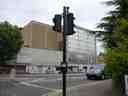
  3. To spot Fountain Studios, look for a large, beige, boxy building with wide, square glass windows on its upper floors and a big sign on the wall that says “Fountain Studios”-it’s…Leggi di piùMostra meno

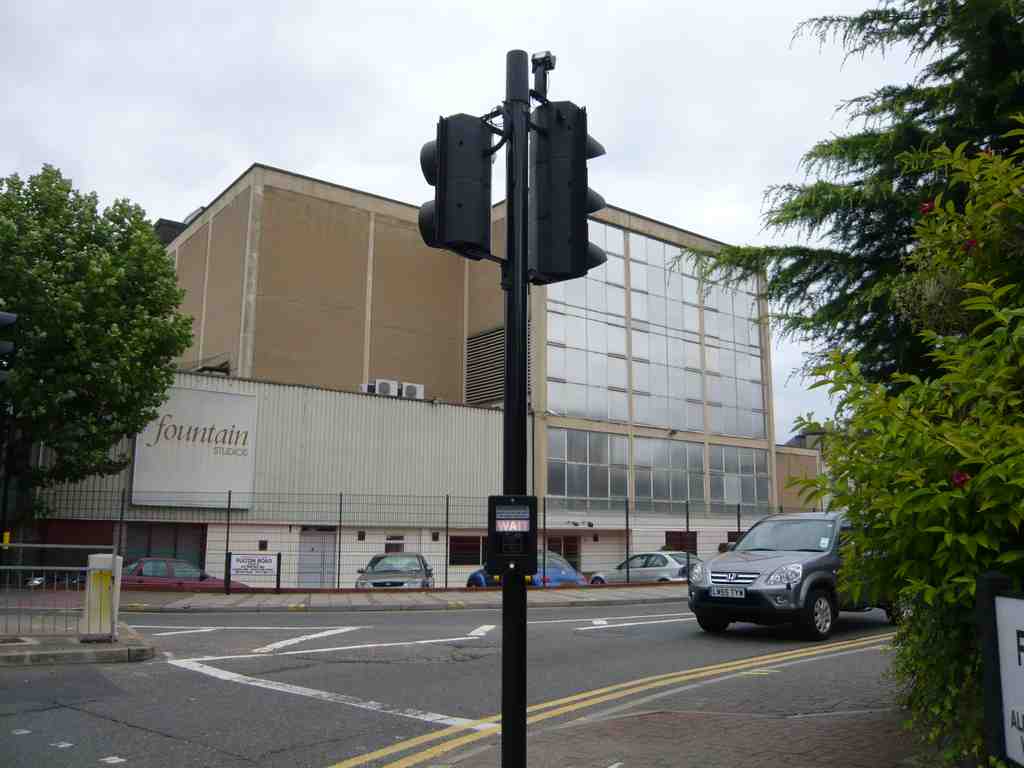
    To spot Fountain Studios, look for a large, beige, boxy building with wide, square glass windows on its upper floors and a big sign on the wall that says “Fountain Studios”-it’s right across the road, just past the traffic lights. Now, as you’re standing here, picture yourself just outside the front doors of what was once one of Britain’s great TV factories! This is Fountain Studios, and its story is far more dramatic than your average episode of The X Factor. Let’s walk back in time-no singing required, unless you really feel the urge. Our tale begins in the late 1920s-imagine the air thick with the excitement of the movies’ golden age. It’s 1927: men in sharp suits and ladies in flapper dresses are dreaming up the most modern film studio Britain’s ever seen. There’s a lot of hustle and bustle, investors shaking hands, birds chirping outside. But all their grand plans nearly unravel when the money suddenly vanishes! Within months, their dreams are passed on to Victor Sheridan, who vows to pour half a million pounds-a king’s ransom back then-into making this place the most fabulous, high-tech studio Europe has ever seen. The original Wembley Studios opened in 1929 and, believe it or not, it was Britain’s very first purpose-built sound studio. Think of it: the sweet hiss of new cameras, the first electric words echoing around these cavernous spaces. There were setbacks, plenty of high drama, and-because no Hollywood tale is complete without a bit of chaos-a fire that almost ruined everything. Even so, the studios managed to attract the big guns: American Fox Films came over looking for a slice of the action, converting the complex into their own hub for ‘quota quickies’-snappy productions meant to fill cinema schedules and keep British films alive. When World War II stormed through Europe, this place swapped starlets and scripts for soldiers and film crews in uniform. For a time, it became an outpost of the Army Kinematograph Service and RAF Film Unit, churning out movies for the war effort-imagine smoky reels rolling late into the night, officers arguing about the best camera angle, and the tension of keeping morale high in tough times. Up through the 1950s, those old careers kept rolling, through crime flicks and comedy shorts-right up until television started muscling in. At the dawn of the TV era in 1955, the studios switched gears and flickered to life as the home of Associated-Rediffusion, the first company to bring commercial TV to London. Think rubble and ruins outside from the war, but glowing studio lights inside and live broadcasts beaming out to homes across Britain. Studio 5, built in 1960, was the largest TV studio in Europe-big enough to swallow an entire quiz show audience, a full orchestra, and maybe a couple of quizmasters too (just don’t tell them I said that). In the swinging sixties, this place was a wild hub-a parade of pop stars, groovy variety shows, and, oh yes, occasional Beatlemania when John, Paul, George, and Ringo dropped by for a bit of TV magic. The Beatles! Here, right where you stand, music history was literally echoing off the walls. As the decades rolled on, Fountain Studios weathered its ups and downs. When ITV handed its keys over to other networks in the 1970s, the glamour faded, and the site went through a rough patch. It was nearly forgotten, battered by competition and the wrecking ball of history. But-a second act! In 1993, the Fountain group took over, renovated, and brought the grand old studios roaring back to life. Suddenly, this was where TV dreams were made: The X Factor, Britain’s Got Talent, and countless other hits. You could say it went from black-and-white echoes to full technicolour, complete with pop stars, judges’ glares, and more confetti than you could sweep in a weekend. The lights finally went down in 2016, but not forever. Now, the building has been reborn as the Troubadour Wembley Park Theatre, still echoing with drama, laughs, and the applause of new audiences. So, while you’re here, listen hard-maybe you’ll catch the ghostly whisper of a Beatles harmony, or the distant roar of a talent show crowd. This plain-looking building is Wembley’s very own Hollywood, where the magic of showbiz never truly fades.

    Apri pagina dedicata →
Mostra altre 9 tappeMostra meno tappeexpand_moreexpand_less
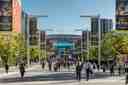
  1. You can spot Wembley Park right in front of you-a broad, bustling avenue lined with banners and trees, stretching up towards the legendary Wembley Stadium arch overhead, creating…Leggi di piùMostra meno

    You can spot Wembley Park right in front of you-a broad, bustling avenue lined with banners and trees, stretching up towards the legendary Wembley Stadium arch overhead, creating a grand pathway you simply can’t miss. Now, as you stand in the heart of Wembley Park, let’s take you on a whirlwind journey-no passport required, but having comfortable shoes definitely helps! Imagine for a moment, the late 1700s: the air is crisp, there’s a gentle hush, and instead of today’s modern buzz, there are rolling fields stretching as far as the eye can see. This area was once a luxurious country estate, transformed by the famous landscape designer Humphry Repton, who apparently liked to call every patch of trees he worked on a “park”-which is handy, since that’s where Wembley Park gets its name. He designed it as a dreamy, tree-lined escape, so much so that he claimed it was “as quiet at seven miles from London as it could be at seventy.” But Wembley Park’s story isn’t all peace and greenery-cue the drama! Fast-forward to the late 1800s when the railway rolled in, and along came Sir Edward Watkin with a seriously tall ambition. He wanted to build Britain’s answer to the Eiffel Tower right here. Picture the scene: band music wafting on the breeze, cricket balls cracking, tea being served in elegant pagodas, crowds bustling around merry-go-rounds and a huge, partly-built iron tower reaching for the sky. Watkin’s Tower, as he called it, didn’t quite live up to its French rival, though. It opened to much fanfare, but by 1902, the tower-now known as “Watkin’s Folly”-was declared unsafe, shut down, and eventually blown apart. All that’s left now? A great story, and some holes in the ground! But Wembley Park was determined to keep the spark alive. Even without the mighty tower, pleasure gardens and sports swept through the area, from rowing and athletics to ice skating on the frozen lake in winter. You could have run into film crews-by the early 1900s, the park included a film studio, and eventually, studios here welcomed stars from the Beatles to big TV productions. Now, brace yourself as the roaring 1920s arrive! Wembley Park was picked as the site for the British Empire Exhibition, and suddenly, this leafy suburb transformed into a global showcase. Wembley Stadium, then called the Empire Stadium, was built here, and the world came running-literally-for sports, pavilions, restaurants (including one that would lead to London’s famous Veeraswamy Indian restaurant), and even a working replica of a coal mine. The whole area buzzed with the hum of excitement and the clang of builders-don’t worry, the steak and kidney pies were probably less thrilling. From there, Wembley Park didn’t just become a famous address; it became the face of West London, drawing people to work, play, and live. Large houses sprouted up in “Metroland,” the new suburbs that made commuting to the city trendy-and made Wembley a household name. After all, who wouldn’t want to swap smoggy city air for weekends at Wembley Park, complete with golf, cinemas, and, eventually, some of London’s best concerts? And the adventure didn’t end there. Wembley Park’s venues played a starring role in the 1948 Olympics-the so-called “Austerity Games,” where athletes got extra rations and medals weren’t quite as shiny as usual. There were celebrations, sports records, and the air must’ve been absolutely electric on those early summer evenings. As the decades rolled on, Wembley Park just kept changing with the times. The Empire Pool, now the SSE Arena, turned from an Olympic pool to an ice rink, and then into a music hotspot hosting everyone from Bowie to Madonna. Wembley Stadium itself became hallowed turf for football, speedway, religious gatherings, and one of the most legendary concerts of all time-Live Aid in 1985. And today? Look around: there’s gleaming new architecture, the gentle rustle of leaves lining the walkways, banners fluttering, shops, restaurants, and that world-famous stadium beckoning at the end. There’s still a pulse of excitement running through Wembley Park, reminding us that whether it’s cricket or concerts, future plans or histories past, this place has always been about bringing people together for a good time-or at the very least, some truly memorable stories. Ready to delve deeper into the redevelopment, geography or the notable places? Join me in the chat section for an enriching discussion.

    Apri pagina dedicata →
  2. Take a look around-hard to imagine, but you’re standing on what was once the hallowed turf of the Wembley Park Cricket Ground. Picture the scene more than a century ago: it’s…Leggi di piùMostra meno

    Take a look around-hard to imagine, but you’re standing on what was once the hallowed turf of the Wembley Park Cricket Ground. Picture the scene more than a century ago: it’s 1896, and the freshly cut grass smells sweet under the summer sun. The crowd’s a little smaller than you’d expect today, but everyone’s wearing their best hats, waving handkerchiefs, and chatting about the big match-the only first-class game ever played here! Back then, Wembley hadn’t heard the roar of football fans or the thrum of stadium concerts. It was all about cricket. On this very spot, the Wembley Park Cricket Club faced off against none other than the touring Australian team. There must have been a real sense of excitement-imagine the locals gossiping: “Will our boys beat those tough Aussies?” Spoiler alert: they gave it their best shot, but the Australians were as tough as overcooked steak. After that legendary match, cricket here quietly faded away. This bit of green was eventually gobbled up by the grand plans for the British Empire Exhibition, and then Wembley Stadium took center stage. Today, it’s all shops and parking lots-no trace of the pitch remains. Sometimes, I wonder if wandering shoppers ever feel an urge to bowl a quick over by the tills. If so, now you know why!

    Apri pagina dedicata →
  3. You’re looking for a grand, old-fashioned structure with striking white towers and domes, so shift your gaze slightly upward and to the front-the place that once buzzed louder…Leggi di piùMostra meno

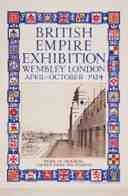
    You’re looking for a grand, old-fashioned structure with striking white towers and domes, so shift your gaze slightly upward and to the front-the place that once buzzed louder than a cricket match on finals day. Now, picture it: the year is 1924, and Wembley Park has been transformed from quiet pleasure gardens into a bustling wonderland, buzzing with the excited voices of visitors from every corner of the mighty British Empire. You’re surrounded by vast palaces built in reinforced concrete-the first “concrete city” in the world-with buildings that look like Roman temples, Mughal palaces, and even Burmese pagodas. Nearly 2,000 men are on site, hauling materials to raise this city almost overnight. This was no small garden fete; it was a magnificent, global show-and-tell meant to prove Britain still ruled the world-or at least, to convince the British audience that it did. The dream was hatched after World War I, at a time when Britain was nursing its wounds and worried it couldn’t keep up with fast-rising powers like the USA and Japan. Wembley’s local council thought this idea sounded about as sensible as holding a beach party in winter, but the British Government pressed on. Why Wembley? Well, apparently Central London was too "ordinary" for something this ambitious! The opening day, on Saint George’s Day, was attended by King George V himself, who sent a telegram all the way around the world-just to have it handed back to him after 80 seconds. Imagine that! It was also the first time the King’s voice was broadcast live over BBC Radio, reaching more than six million listeners. The Empire Stadium-known today as Wembley Stadium-was built right here, slicing out 250,000 tons of earth to make room for 125,000 spectators. Not just for football, but for everything from massed choirs to rodeos and air displays that made the pigeons nervous! The Exhibition itself was a sensation, with 56 out of 58 Empire territories building their very own pavilions. Each was a mini-embassy, dripping with local flavor: the Indian pavilion had towers and domes, the West African block looked like an Arab fort, and Australia boasted a whopping 16-foot ball of wool-and, because the Empire loved a bit of competitive butter, a sculpture of Jack Hobbs, the cricket hero, made entirely out of butter. Canada came with a butter sculpture too-of the Prince of Wales, no less! You could stroll from a Maltese fortress to a South African Dutch-style manor, and then sneak off to the amusement park for dodgems or a peek at a replica of Tutankhamun’s tomb. Here, nearly 27 million people wandered among the cutting-edge wonders of engineering-giant cranes and futuristic train carriages-plus palaces of industry, arts, and government. Roads were named by none other than Rudyard Kipling-no pressure there!-and the bus station could handle a tidal wave of 100,000 passengers daily. The “Never-Stop Railway” zipped visitors around the grounds, and there was even a coal mine where, for once, you could descend into the dark for fun. Of course, there were snags. Historians chuckled at the spectacle, and author Virginia Woolf thought the whole thing was rather old hat. Edward Elgar, who composed the rousing “Empire March” for the pageant, said all the pomp was a bit over the top. Even P. G. Wodehouse’s Bertie Wooster would rather sneak away for a cocktail than gawk at jars of seeds or stuffed fish. But the crowds loved it, queuing for the Palace of Beauty to see famous beauties of history-well, actresses in glass boxes-or trying to spot themselves on the commemorative stamps and postcards that marked the occasion. By the time it ended, the British Empire Exhibition had cost a fortune-about £6 million-and rumors flew that Variety magazine called it the world’s greatest outdoor “flop.” Yet Wembley was forever changed. The stadium survived, the crowds discovered the joys of suburban living, and thousands of houses soon popped up to welcome the new residents. So as you stand here, imagine the electric excitement of that time: dances and fireworks, roaring planes overhead, railway whistles, and 18 million visitors in a single year. Wembley became a household name-thanks to an exhibition as fabulous, noisy, and full of dreams as you could ever imagine. And who knows? Maybe, if you listen closely, you can still hear the echo of marching bands, the laughter from the funfair, and the steady thump of footsteps that once filled these grounds. Seeking more information about the background, empire stadium or the exhibition station? Ask away in the chat section and I'll fill you in.

    Apri pagina dedicata →
  4. To spot the landmark, look straight ahead for a towering bronze statue of a footballer in classic kit, arms folded and foot confidently resting on a ball, standing on a tall stone…Leggi di piùMostra meno

    To spot the landmark, look straight ahead for a towering bronze statue of a footballer in classic kit, arms folded and foot confidently resting on a ball, standing on a tall stone base with “BOBBY MOORE” inscribed-in front of the modern glass facade of Wembley Stadium. Alright, time to stand tall in the shadow of a giant-twice life-size, to be exact! You’re face-to-face with the commanding figure of Bobby Moore, forever immortalized in bronze, watching over the throngs on Wembley Way. If you listen closely, you can almost hear the echo of a cheering crowd rolling down the avenue as matchday excitement builds. But let’s rewind the tape to the golden age of English football. It’s 1966-the air buzzing with hope, the world watching, and at the very heart of England’s defensive line stands Bobby Moore: captain, legend, a man so calm under pressure it seemed like his veins ran with iced tea. Here, at the old Wembley, Moore led England to its only ever World Cup win by toppling mighty Germany 4-2 in a clash that became a nation’s favourite bedtime story. When the final whistle blew, Moore did what no Englishman had done before-he lifted the Jules Rimet trophy high, a glint in his eye and a muddy shirt that now seems as good as royal regalia. Fast forward to 2007. The old stadium was gone, replaced by the glistening new Wembley, but something was missing-a guardian, a symbol. So the Football Association decided-it was time for an official tribute. The sculptor chosen? Philip Jackson, also known as the Royal Sculptor, who’d already created one grand tribute to Moore, near West Ham’s old Boleyn Ground. But this time, Jackson’s task was bigger-twice as big, in fact. This bronze Bobby towers at a whopping 20 feet from his plinth, weighing as much as two small cars. And just in case you wondered how much the sculptor admired Moore’s football boots, Jackson went ahead and made eight separate casts of Bobby’s right foot-now that’s commitment! Now take a look at this statue-arms folded, foot on ball, gaze to the north as if he’s forever checking to see if the team’s shaped up for a big kick-off. It’s heroic, larger-than-life, and oozes the quiet confidence Moore always showed on the pitch. The location isn’t random-it’s placed at the very end of Wembley Way, the main pedestrian approach-so he welcomes every supporter, every dreamer, every whistle-blower marching toward the stadium gates. Look closely at the plinth: there’s a plaque showing the whole squad from that glorious ‘66 team, like a bronze family photo, and on the side, a sculpted England cap inscribed “World Championship, Jules Rimet Cup, 1970.” Moore wasn’t just a captain; he was the captain. Now, here’s a little secret about the spirit behind the sculpture. Moore wasn’t just known for crunching tackles or bone-dry tactical speeches. As his widow Stephanie and closest teammates-names like Sir Bobby Charlton and Sir Geoff Hurst-would tell Jackson, Bobby’s power came from his calm presence. He inspired confidence, loyalty, and unity-qualities Jackson tried to distill into every fold of bronze. The creative team, from architects to faithful fans, all agreed: this statue had to show integrity, humility, and the power of silent leadership. When it was unveiled in 2007 by Sir Bobby Charlton, with the stadium glistening in the sun and dignitaries flocking from every corner, the statue was described as the “finishing touch” to the new Wembley. If you listen carefully, you might catch the rustle of an England flag nearby or the shudder of thousands of feet as supporters stop, snap a photo, and tip an imaginary hat to Moore. This spot, with Moore standing guard, has become a Wembley ritual-everyone pauses, bats away a nostalgic tear, and perhaps lets out a laugh, imagining those “old-fashioned” shorts and Moore keeping a watchful eye so no one dares bring muddy boots inside his stadium. The inscription says it all: Immaculate footballer, Imperial defender, Immortal hero of 1966. The finest legend of West Ham, the master of Wembley, captain extraordinary, and, if you ask the crowds who gather here, a true gentleman of all time. So next time you find yourself swept up in a wave of fans heading in for the big game, give a nod to Bobby-he’s still making sure everyone’s ready for history, just like he did back in ‘66. And remember, only in England would a giant bronze defender be the first thing standing between you and the stadium snacks.

    Apri pagina dedicata →
  5. Take a good look around you - you’re standing right where history was sung, shouted, and danced into the night! The air here once buzzed with sheer excitement, hope, and just a…Leggi di piùMostra meno

    Take a good look around you - you’re standing right where history was sung, shouted, and danced into the night! The air here once buzzed with sheer excitement, hope, and just a dash of nervous energy. Step back with me to April 16th, 1990, two months after Nelson Mandela’s release from a South African prison, when Wembley Stadium turned itself into the stage for the world’s welcome party - but not any ordinary party! This was “Nelson Mandela: An International Tribute for a Free South Africa,” a concert so huge that it didn’t just play to the crowds - it beamed out to over 60 countries. I guess you could say Wembley was trending globally that night, and not just with the pigeons. The road to this concert was as dramatic as any stadium show. Mandela’s freedom was still fresh, and many believed the epic 70th birthday concert for him back in 1988 actually helped pile on the pressure that forced the South African regime’s hand. Organizers, Mandela’s lawyer, and leaders of the Anti-Apartheid Movement worked behind the scenes, debating, negotiating, and, yes, probably having a few sleepless nights. Mandela, ever the perfectionist, had his demands: if he was going to speak, he wanted to go on as long as he liked, and he absolutely, positively did not want TV editors chopping up his words - after all, editing Mandela is probably the only thing more dangerous than editing your grandma’s secret sauce recipe. There was, however, a twist - certain folks around Mandela thought he shouldn’t show up at a concert in “Thatcher's country,” since they believed the British Prime Minister was cozy with the apartheid government. Mandela hesitated, almost backing out. Luckily, Archbishop Trevor Huddleston stepped in and gently convinced him: “Nelson, you’ve got to go - this isn’t about politics; it’s about the people.” And so, he did. Picture the moment: Mandela on stage for 45 minutes, taking in a standing ovation that lasted nearly eight minutes straight. The applause must have felt like a tidal wave! He called for continued sanctions against his former captors and demanded the world keep up the pressure to end apartheid for good. And then, the music! Imagine hearing the likes of Peter Gabriel, Tracy Chapman, Lou Reed, Simple Minds, and even Denzel Washington making appearances, right where you’re standing. Swing, soul, rock, rap - all combined for one epic reason: to celebrate freedom and shout down injustice. Wembley has seen epic football matches, but on that night, it played host to the heart of the world beating for change. So, listen closely - you might just hear the echo of hope in the wind!

    Apri pagina dedicata →
  6. As you stand here, take a deep breath-and maybe a moment to stretch your imagination-because right at this spot once stood the legendary Wembley Stadium of 1923, known back in the…Leggi di piùMostra meno

    As you stand here, take a deep breath-and maybe a moment to stretch your imagination-because right at this spot once stood the legendary Wembley Stadium of 1923, known back in the day as the Empire Stadium. Now, if you listen closely, you can almost hear the roar of a hundred thousand fans, the patter of excited footsteps, and maybe even the distant echo of a brass band tuning up. The tale of this place is one of drama, glory, and the odd bit of chaos-and not just on the pitch! The stadium was built in a whirlwind-only 300 days, which in construction terms is like putting up a house in a weekend. Its opening event was the 1923 FA Cup Final, forever remembered as the "White Horse Final." That day, the organizers totally misjudged the popularity of football. When game day arrived, the official capacity was about 127,000, but estimates say over 240,000 fans flooded in-many without tickets. They poured right onto the pitch, eager for a spot. The chaos was so intense, it seemed the match would be cancelled… until a single police constable, George Scorey, mounted on his trusty white horse Billy, bravely nudged the massive crowd back, step by step. It took 45 nerve-wracking minutes, but finally the match could begin-and Bolton beat West Ham 2-0. In honour of Billy, a bridge by the new stadium is called the White Horse Bridge. Sometimes, even at home, I wish I had a white horse to clear the sofa before kickoff. Wembley became the heart, capital, and as Pelé once said, the cathedral of football. It was a place that teams yearned to reach. The 66 World Cup final-where England defeated West Germany 4-2-was here. Imagine, the stands shaking, the voice of the crowd carried on the wind, and a nation celebrating. But Wembley wasn’t all about football. From 1948, it hosted the Summer Olympics-the world’s best athletes ran, jumped, and raced for glory on the very ground beneath your feet. Rugby league’s greatest, like the Challenge Cup Final, and rugby union matches echoed here when Twickenham was getting a facelift. Wembley even held the finals of the Speedway World Championship-motorcycles tearing around the track, their engines growling like hungry lions. If you fancy more horsepower, there were also attempts at stock car racing-though the groundskeeper wasn’t thrilled about protecting his precious turf. I mean, who knew a blade of grass could be such a diva? And speaking of unique events, how about Evel Knievel? In 1975, 90,000 people watched as he tried to jump over thirteen double-decker buses-spoiler alert, he didn’t quite make it. Even daredevils couldn’t always beat Wembley’s magic and madness. Wembley welcomed greyhound racing, speedway bikes, American football with the NFL and USFL, Gaelic football for homesick Irish expats… If anything had a ball, wheels, or could be cheered for, it probably happened here. Even the wrestling world came for WWE’s SummerSlam in 1992-a true show of muscle and bravado. And when there weren’t sports, music legends took centre stage. Queen, Live Aid with David Bowie and U2, Michael Jackson performing in front of Princess Diana, Madonna, the Rolling Stones, Elton John-any superstar you can imagine graced this grass. Michael Jackson broke a Guinness World Record here for the most people at a single artist's show. Seven sold-out gigs. At Wembley, even moonwalking reached new heights. But the stadium wasn’t always secure. At one point, it was nearly demolished after the British Empire Exhibition ended, declared a ‘white elephant’ and considered a failed investment. But a man named Arthur Elvin, who had started by selling tobacco at the venue, managed to buy and save it, bringing in greyhound racing and making Wembley not only famous but financially stable. From near-demolition to packed stands, he gave Wembley its second wind. Let’s not forget those famous Twin Towers, the stadium’s proud sentinels, or the 39 steps up to the Royal Box. If only those steps could talk, they’d share whispers of victories, heartbreaks, and perhaps a few blisters from nervous feet before big moments. When old Wembley was finally closed in 2000 and demolished in 2003, it wasn’t just a stadium that vanished; it was an era. But its spirit lingers-hear the echoes, see the images in your mind, the unforgettable drama that defined so many lives. So, give a nod to where you’re standing now-the old Wembley, where history was written in mud, sweat, cheers, and a bit of British rain. Ready to move on? There’s plenty more Wembley magic ahead! To delve deeper into the football, other sports or the music, simply drop your query in the chat section and I'll provide more information.

    Apri pagina dedicata →
  7. Just ahead of you, you’ll spot the Wembley Stadium railway station by its long, sweeping white footbridge arching high above the tracks, and the modern platforms sitting right…Leggi di piùMostra meno

    Just ahead of you, you’ll spot the Wembley Stadium railway station by its long, sweeping white footbridge arching high above the tracks, and the modern platforms sitting right beneath it-just look for the distinctive curved structure that almost looks like it’s flexing its muscles for a big event. Welcome to a place where the clatter of train tracks has echoed through decades of history and excitement. Imagine the scene: chilled London air, the low rumble of trains in the distance, the scent of popcorn and anticipation swirling around you as thousands have flocked here for some of the UK’s greatest sporting and musical moments. Here at Wembley Stadium railway station, you’re standing on the railway’s front row for drama, celebration, and the occasional soggy football fan dashing for shelter when it rains. But did you know this wasn’t the first Wembley Stadium station? The story begins back in 1923, when trains would wind their way to “The Exhibition Station,” the original stop about half a mile east from where you’re standing now. Picture roaring crowds in black and white, waving hats and handkerchiefs as they poured off the trains for the British Empire Exhibition. The air buzzed with the shouts of street vendors and the steady chug of steam engines. Only one platform back then, but what it lacked in size, it made up for in atmosphere, with lines snaking round to let trains run straight to London without anyone having to fuss with reversing. This old station went through more name changes than a pop star reinventing themselves: eventually, it settled on “Wembley Stadium station” in 1928. Its last bow came in 1968, right after an FA Cup final between Everton and West Bromwich Albion-a match so grand it was like the stadium’s swan song. After that, the station closed, but if you study old maps or peek at aerial photos, you can still spot traces of those lost tracks, like ghostly footprints of Wembley’s railway past. Meanwhile, the present station’s roots go back even further-to the age of coal and steam, when the Great Central Railway opened up a new line in 1905 for freight trains, with passenger services rolling in just a year later. Wembley Hill, as this spot was once known, opened its doors to crowds in 1906. By 1978, it was called “Wembley Complex,” a name meant to show off just how close you were to the action at both the stadium and the newly built conference centre. Finally, in 1987, it got its superstar name-Wembley Stadium station. Over the years, it’s seen everything: slips of landslide in 1918 left the tracks closed for a whole week, while modern crowds today bustle between London Marylebone, Oxford, and points beyond, especially when the stadium's lights shine bright for a big game or concert. Buses zoom by on Harrow Road, while banners flap in the wind and tannoy announcements call out in cheerful chaos. Whether you’re a football fanatic, a music lover, or just someone with a nose for history, this station is the beating pulse of Wembley’s comings and goings. So take a moment here on the platform, let your mind wander through the years, and imagine all the stories-old and new-zipping past with every train. Wembley’s spirit is always on the move-and for a moment, you are part of its journey.

    Apri pagina dedicata →
  8. Right in front of you is the White Horse Bridge-look for its sweeping white arches rising above the railway tracks, almost like a giant leap over the trains below. Alright, let’s…Leggi di piùMostra meno

    Right in front of you is the White Horse Bridge-look for its sweeping white arches rising above the railway tracks, almost like a giant leap over the trains below. Alright, let’s step into the story of this striking bridge. Imagine for a moment the buzz of match day, crowds pouring out of Wembley Stadium, and the old concrete footbridge buckling under the pressure. Luckily, now you’ve got this bold, modern bridge designed by Steve Chilton for Marks Barfield, strong enough to handle twelve thousand people an hour-no sweat! But let’s rewind to why it’s called the White Horse Bridge. Picture the chaos in 1923: over two hundred thousand football fans-yes, that’s not a typo-spilled into the new stadium, so eager for the FA Cup Final that the pitch itself was hidden by people. Suddenly, a police horse named Billy, not even white but grey, trots calmly onto the field. Thanks to the black-and-white newsreels of the time, Billy looked positively dazzling! With Billy at work, the fans parted like the Red Sea, order was restored, and the match could actually begin. Jump back to 2005, and the bridge needed a name. BBC Five Live asked the world, and votes came flooding in, with wild ideas and a few cheeky suggestions from Germany! But in the end, Billy the “white” horse, still legendary, won the day. It’s a tribute not just to a famous football match but to how one unflappable horse stole the show. So when you make your way across, just imagine all the excitement and history under your feet-fans hurrying past, the sound of trains rumbling beneath, and somewhere in the air, the echo of a gentle horse snorting, ready to keep the peace if the crowd gets too lively!

    Apri pagina dedicata →
  9. Look straight ahead for a tall, brown-brick church with a square tower, a narrow arched window in the centre, and a simple cross on top-just past the hedge and the car park, you…Leggi di piùMostra meno

    Look straight ahead for a tall, brown-brick church with a square tower, a narrow arched window in the centre, and a simple cross on top-just past the hedge and the car park, you can’t miss its sturdy and peaceful presence. Welcome to St Joseph’s Church, a place where the bricks seem to hum with stories and the very air feels thick with decades of hope and community spirit. Imagine you’re here in Wembley over a century ago, when the idea of a Catholic church in this spot would have seemed almost like a wish whispered on the wind. Back then, if you needed to attend Mass, it meant a good walk all the way to Harlesden-quite a journey for families, especially if it was raining, which, let’s face it, is a safe bet in London! The first church here wasn't even built on site. It was a little chapel from Harley Place in Marylebone, taken carefully apart, brick by brick, then reassembled over on Wembley Green. It was supposed to be for a Catholic cemetery that never quite materialized-most of the land got sold off, so the chapel became the main meeting place for local Catholics. It was tiny, just a humble redbrick building dedicated to St Joseph. In 1918, if you slipped inside for Mass, you’d probably have known everyone by name-only around 120 Catholics lived here back then. Fast forward a few decades and the Catholic flock in Wembley grew faster than you can say “Sunday Roast”! By the 1950s, more and more families-many with Irish roots-were making this area their home. Suddenly, that little church seemed to shrink overnight. It was time for something bigger…and sturdier. Enter Reynolds and Scott, two of Britain’s architectural dynamos after World War II. In 1955, they rolled up their sleeves and got to work, determined to create a church that would stand out-but not just for its size. Look around now and you can see their love for Romanesque arches, mixed with a splash of Neo-Byzantine boldness. When St Joseph’s threw open its doors in 1957, it could fit 680 people, a true home for the faithful. Although paying for its construction was, let’s say, an “epic pilgrimage” of its own-nineteen years of fundraising and community effort before it was finally consecrated in 1976. Even now, it’s not just a building. It’s a living, breathing part of Wembley’s heart. As you stand here, just breathe in the history-whispers of dedication, resilience, and the quiet determination of a community that always finds its way home. And hey, if you listen closely, you might even hear echoes of laughter from children at St Joseph’s Junior School next door-proof that this sacred spot is all about looking forward, just as much as it honors the past.

    Apri pagina dedicata →

Domande frequenti

Come inizio il tour?

Dopo l'acquisto, scarica l'app AudaTours e inserisci il tuo codice di riscatto. Il tour sarà pronto per partire immediatamente – tocca play e segui il percorso guidato dal GPS.

Ho bisogno di internet durante il tour?

No! Scarica il tour prima di iniziare e goditelo completamente offline. Solo la funzione chat richiede internet. Ti consigliamo di scaricare tramite WiFi per risparmiare dati mobili.

È un tour guidato di gruppo?

No – è un tour audio autoguidato. Esplori in autonomia al tuo ritmo, con la narrazione audio riprodotta dal tuo telefono. Nessuna guida, nessun gruppo, nessun orario.

Quanto dura il tour?

La maggior parte dei tour richiede 60–90 minuti, ma sei tu a controllare il ritmo. Metti in pausa, salta le tappe o fai pause quando vuoi.

E se non riesco a finire il tour oggi?

Nessun problema! I tour hanno accesso a vita. Metti in pausa e riprendi quando vuoi – domani, la prossima settimana o il prossimo anno. I tuoi progressi vengono salvati.

Quali lingue sono disponibili?

Tutti i tour sono disponibili in oltre 50 lingue. Seleziona la lingua preferita quando riscatti il codice. Nota: la lingua non può essere cambiata dopo la generazione del tour.

Dove accedo al tour dopo l'acquisto?

Scarica l'app gratuita AudaTours dall'App Store o Google Play. Inserisci il codice di riscatto (inviato via email) e il tour apparirà nella tua libreria, pronto per essere scaricato e avviato.

verified_user
Soddisfazione garantita

Se il tour non ti piace, ti rimborseremo l'acquisto. Contattaci a [email protected]

Pagamento sicuro con

Apple PayGoogle PayVisaMastercardPayPal

AudaTours: Tour Audio

Tour a piedi autoguidati, coinvolgenti e convenienti

Prova l'app arrow_forward

Amato dai viaggiatori di tutto il mondo

format_quote Questo tour è stato un ottimo modo per vedere la città. Le storie erano interessanti senza sembrare troppo scriptate, e mi è piaciuto poter esplorare al mio ritmo.
Jess
Jess
starstarstarstarstar
Tour Tbilisi arrow_forward
format_quote Un ottimo modo per conoscere Brighton senza sentirsi un turista. La narrazione aveva profondità e contesto, senza esagerare.
Christoph
Christoph
starstarstarstarstar
Tour Brighton arrow_forward
format_quote Ho iniziato questo tour con un cornetto in mano e zero aspettative. L'app ti accompagna tranquillamente, niente pressione, solo tu, le tue cuffie e delle storie interessanti.
John
John
starstarstarstarstar
Tour Marseille arrow_forward

Tour Audio Illimitati

Sblocca l'accesso a OGNI tour nel mondo

0 tour·0 città·0 paesi
all_inclusive Esplora Illimitato