Tour Audio di Swansea: Castelli, Cultura e Gemme Nascoste di Mount Pleasant
Un castello malconcio si erge sopra il centro città, i suoi archi in pietra custodiscono segreti di battaglie dimenticate e complotti notturni. Poco oltre, un vecchio cinema con un sorriso romanico nasconde bobine di film scandalosi e storie di sopravvivenza attraverso le notti più buie di Swansea. Dietro l'angolo, l'audace facciata della Glynn Vivian Art Gallery risplende con un secolo di ribellione artistica. Fai questo tour audio autoguidato per svelare storie che la maggior parte dei visitatori si lascia sfuggire: racconti che si annidano nei vicoli, dipinti sui mattoni e sussurrati nelle sale delle gallerie. Chi ha rischiato tutto in un assedio disperato sotto le ombre del Castello di Swansea? Quale leggendaria opera d'arte è scomparsa dalle pareti della Glynn Vivian senza lasciare traccia? E quale film infame ha causato tale tumulto al Castle Cinema che i funzionari lo hanno bandito del tutto? Avventurati lungo strade tortuose e sale echeggianti dove un tempo scoppiarono ribellioni e si covarono scandali moderni. Vedi Swansea in un'ondata di nuovo colore, dramma e intrigo ad ogni svolta. Pronto a seguire le pietre e le storie che modellano la città? Premi play e scopri cosa si nasconde sotto.
Anteprima del tour
Informazioni su questo tour
- scheduleDurata 40–60 minsVai al tuo ritmo
- straighten3.5 km di percorso a piediSegui il percorso guidato
- location_onPosizioneAbertawe, Regno Unito
- wifi_offFunziona offlineScarica una volta, usa ovunque
- all_inclusiveAccesso a vitaRiascolta quando vuoi, per sempre
- location_onParte da Castello di Swansea
Tappe di questo tour
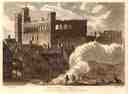
If you look up ahead, you’ll spot Swansea Castle rising over the city square-the stone looks aged and proud, with arches at the top and old towers determined not to let go of…Leggi di piùMostra meno
If you look up ahead, you’ll spot Swansea Castle rising over the city square-the stone looks aged and proud, with arches at the top and old towers determined not to let go of their secrets. The walls have a rugged, almost worn charm-picture the castle like a grand old storyteller, still standing after centuries of drama. To find it, just look towards Castle Square, right in the heart of the city centre. Stand back and let your eyes climb those tall, weathered walls, especially the L-shaped fragment with bold stone blocks and arched windows. Welcome to Swansea Castle! Can you feel the weight of history in the very air? Over 900 years ago, brave Norman knights in chainmail hurried across this ground, swords clanging and banners fluttering. Henry de Beaumont claimed this patch of land in 1107, building his wooden fortress right here, where the River Tawe once flowed. Imagine the rush of the river as it defended one side, while bustling market stalls and old Welsh cottages crowded around the other. But life wasn’t all grand feasts here. Just a few years later, Welsh warriors swept in, turning the place upside down, smoke clouding the sky and people shouting in the chaos. The motte-like a giant mound beneath the earth-was once nearly as wide as Cardiff’s! That’s bigger than a dragon’s wingspan, I’d say, and very handy in a siege. After many wild battles, desperate starvations, whispered betrayals, and even the odd bottle factory and workhouse, Swansea Castle became more of a tough old survivor than a mighty fortress. Imagine the Great Hall filled not with kings and queens, but with workers, and later anxious journalists tapping their typewriters. Dylan Thomas even strolled through here on lunch breaks, probably daydreaming. So as you stand here, let your imagination roam. Picture the cold stones echoing with marching feet, gossiping townsfolk, and the swirling mists of Wales creeping in by dawn. If walls could talk, I reckon these castle blocks would say, “Pull up a seat-I’ve got some stories you wouldn’t believe.” And if you see a crow perch on the ramparts, don’t worry-it’s probably just looking for the owner of a lost sandwich.
Apri pagina dedicata →To spot the Castle Cinema, look for an old, proud building just off the corner of a cobbled street-it's right next to Swansea Castle! The front is grand and classical, almost like…Leggi di piùMostra meno
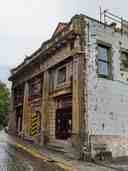
To spot the Castle Cinema, look for an old, proud building just off the corner of a cobbled street-it's right next to Swansea Castle! The front is grand and classical, almost like something from Roman times, with thick columns and ornate carvings. The main doors are now painted with vivid “Lazerzone” signs and yellow caution stripes, but if you look up, just above eye level, you’ll spot the history still clinging to this place, from the detailed stonework to the big, slightly crumbling white-brick wall wrapping around the side. Alright, you're standing right in front of Swansea’s Castle Cinema-or as it’s known to many today, Lazerzone. Imagine the crunch of your shoes on this wet pavement--as you step closer to a building that’s seen more drama than a Hollywood blockbuster. Picture it: the year is 1913, and the doors swing open for the very first time. Folks in hats and long coats queue up, clutching their precious tickets, eager for the magic of the big screen. Back then, everything here was brand-new and full of hope-unlike my granddad’s old car, which is mostly full of old receipts and questionable smells. During the Second World War, bombs fell all around Swansea, but this building somehow survived it all. Imagine the roar and rumble as the city shook -yet when the dust settled, the Castle Cinema was still standing, like the last custard cream in the biscuit tin. Over the years, they jazzed the place up-a new screen, new seats, even some double seats at the back for, let’s say, ‘very close friends.’ In the 1970s, things got a bit cheeky with risqué films-but don’t worry, we’re keeping this tour family-friendly! When bigger, flashier cinemas opened nearby, the Castle tried to compete, showing every blockbuster they could get their hands on, with the sound booming from new Dolby Stereo speakers-though, fun fact, Monty Python’s “Life of Brian” wasn’t allowed here, either. Swansea City Council just didn’t have a sense of humor. In its later years, the cinema fought bravely, but bigger screens and comfier seats in multiplexes finally won the day. The last film ever shown here was “Doc Hollywood,” before the doors closed on cinema-goers for good. Now, Castle Cinema serves as Lazerzone-a place where echoes of laughter and shouts of victory still bounce off the old walls. So, while you stand here, picture: flickering film reels, crowds spilling from the doors, and maybe, just maybe, a laser gun battle happening inside. History with a hint of sci-fi adventure-only in Swansea!
Apri pagina dedicata →Look just ahead-there it is! The Glynn Vivian Art Gallery stands out with its grand red-brick facade and bold stone trim, crowned with a classic triangular pediment above the…Leggi di piùMostra meno
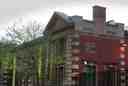
Look just ahead-there it is! The Glynn Vivian Art Gallery stands out with its grand red-brick facade and bold stone trim, crowned with a classic triangular pediment above the entrance. The gallery’s name is spelled out clearly in white letters on the side, so you can’t miss it. As you face it, take in those tall windows with ornate golden details and the sturdy black fence tracing the edge-this building definitely isn’t shy about showing off its personality. Now, imagine it’s the early 1900s, and the streets crackle with the energy of steam trains and horse-drawn carts. Glynn Vivian, a passionate art collector, surprises the city with a gift-his collection of paintings, drawings, and delicate china, plus a whopping £10,000 endowment. That’s a lot of paintbrushes! He personally lays the foundation stone in 1909, probably not expecting that the real party would come after he’d left the stage for good. When the doors finally swung open in 1911, the excitement must have been electric-Swansea had never seen anything quite like it. Designed in a bold Edwardian Baroque style by Glendinning Moxham, this gallery was built to impress. Locals gathered with bright eyes and fancy hats, ready to be swept away by a world of art. The first director, William Grant Murray, took the reins, making sure Glynn Vivian’s collection wasn’t just a dust-gathering bunch of curiosities. Inside, you’ll find treasures from European masters-paintings, drawings, even a vase from Meissen that’s so early, it almost didn’t know it was supposed to be porcelain. The gallery brims with Swansea china, European glass, and works by legends like Monet, Richard Wilson, Gwen John, Lucien Pissarro, and many more. Imagine, right here, you’re standing within arm’s reach of centuries of creativity and history. Of course, the life of an old gallery is never just stillness and quiet. A £6 million facelift in 2011 meant the doors stayed shut while builders clanged and hammered away, extending the excitement for years. But when it reopened in 2016, the streets outside echoed once again with the buzz of eager visitors-and probably a curator or two sighing in relief! So, next time you look at those solid stone columns, remember: this is Swansea’s own palace of creativity, built on one man’s love of art and kept alive by people itching to discover something wonderful. Now, shall we see what masterpieces are waiting inside or keep exploring? The adventure continues!
Apri pagina dedicata →
Mostra altre 10 tappeMostra meno tappeexpand_moreexpand_less
Look ahead and you’ll spot Parc Tawe North right in front of you! You can’t miss it-there’s a tall sign by the roadside, topped with green roofs that stick out at sharp angles,…Leggi di piùMostra meno
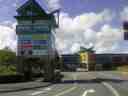
Look ahead and you’ll spot Parc Tawe North right in front of you! You can’t miss it-there’s a tall sign by the roadside, topped with green roofs that stick out at sharp angles, almost like they're calling you in for a bit of shopping or an adventure. The sign is stacked with colourful shop names like Homebase, JD Sports, and Lidl, and just behind it you’ll see a big building with a matching green trim. If you're still unsure, look for the bright yellow and blue Lidl sign, shining like a beacon of bargains under the wide, open sky. Now, just imagine you're standing where, not so long ago, you’d need your sea legs. Right under your feet was the old North Dock, opened in 1852. Back then, this place echoed with the sound of ship horns, clanging chains, and sailors shouting orders as Swansea buzzed with trade and the smell of salt, steam, and coal drifting through the air. But times changed, ships got bigger, and slowly the old dock got quieter-until one day, all you’d find here was an empty stretch, weeds pushing through the tarmac, and the wind howling like it missed the hustle. But Swansea knows how to bounce back! In the late 1980s, Parc Tawe rose from the remains, swapping rusty warehouses and empty cranes for the colourful blur of shops and families out for a good time. And just when you thought things couldn’t get more interesting, Plantasia popped up-a gigantic triangular greenhouse packed with tropical plants, bringing a touch of the jungle to rainy Wales. If it feels a bit warmer nearby, it's probably just all those palm trees doing their thing! Parc Tawe’s got everything from bargain hunting at Home Bargains to pet-shopping at Pets at Home. Hungry? You’ll find the UK’s first Denny’s here, along with a Costa drive-thru for that quick caffeine boost. And if you listen closely, maybe in the hum of the traffic or the chatter from the shops, you’ll hear the ghostly echo of dockworkers and ships, reminding you that Swansea’s always been a place on the move. And hey, if you get lost in here, just blame it on the old dock spirits-everyone needs an excuse for buying one more thing at B&M Bargains!
Apri pagina dedicata →If you’re looking ahead, you can’t miss it-the Weaver building was a giant grey colossus on the Swansea skyline. Just picture a tall, six-storey, concrete fortress that stretches…Leggi di piùMostra meno
If you’re looking ahead, you can’t miss it-the Weaver building was a giant grey colossus on the Swansea skyline. Just picture a tall, six-storey, concrete fortress that stretches lengthways along the road, with WEAVER & COMPANY LIMITED painted boldly in white letters right across the very top. It towers over the old docklands, looking like it could shrug off a hurricane and still be ready in the morning to store another mountain of flour. Alright, let’s hop back in time! We’re standing now in front of this enormous structure-it’s 1897, the air is thick with the smell of grain and the distant tang of seawater. Dockworkers bustle in and out, their footsteps echoing around the strange new building, the talk of the town: the Weaver building. Built by a French engineer with a very fancy name-François Hennebique-this place was one of Europe’s earliest reinforced concrete buildings. People would stare and scratch their heads, wondering, "Concrete? For a building? Surely it’s not strong enough!" Well, Hennebique proved them wrong. The Weaver building rose up, its lower floor almost floating over the loading bays like a magician’s trick-ten feet above ground, just hanging there! At its busiest, the sound of carts, grain sliding through chutes, and the thump of workers’ boots filled the air. And during World War II, when bombers came roaring over Swansea, the Weaver building stood its ground. It took a few knocks, but it wouldn’t fall down. Even as the docks changed, the other buildings vanished, and the old half-tide basin was filled in, the Weaver stood firm-like the last stubborn grain in a miller’s sack! But eventually, time caught up. In 1984, the building gave way to a new Sainsbury’s. But don’t worry, bits of the Weaver live on. There’s a column in the Science Museum, another in Amberley, and even a chunk here in Swansea down by the river, next to a plaque remembering the clever man who helped build it. So next time you see a plain old concrete car park or shopping centre, just remember-the future began right here, with a little bit of daring, a lot of concrete, and a name painted bold across the sky. Now, let’s stride on-there’s more of Swansea’s stories just around the next corner!
Apri pagina dedicata →Look ahead and you’ll spot the Swansea Museum right in front of you. To help you find it, keep an eye out for a solid, grand building shaped like an ancient Greek temple. Four…Leggi di piùMostra meno
Look ahead and you’ll spot the Swansea Museum right in front of you. To help you find it, keep an eye out for a solid, grand building shaped like an ancient Greek temple. Four tall stone columns tower across the front, holding up a big triangle of roof, and long rectangular windows are framed by neat, straight lines. Flower boxes sit at the windows, adding pops of color. If you see old cars parked along the road and a sign pointing to history inside, you’ve made it! Now, take a moment to imagine what it must have felt like to stand here in 1841, when this building first opened its doors. The museum is the oldest in all of Wales, and it’s still standing proud. Picture the excitement of the art and science lovers who created it, bustling in with their odd treasures, filling the halls with footsteps and whispers of discovery. Back then, Swansea was an industrial powerhouse. Inside these stone walls, you’ll find the museum's six galleries jammed full of all sorts of wonders: from an ancient mummy’s tomb that might just give you goosebumps, to objects showcasing the city’s copper-smelting days, and even a whiff of adventure from shipwrecked treasures. It’s not just old artifacts either; there are sometimes brilliant modern displays, celebrating what’s happening today. There’s even a bit of drama-did you know that just a few years ago, the museum nearly closed for good? But not to worry, Swansea Council swooped in like superheroes and saved its treasures. And in 2016, they found a lost masterpiece worth millions tucked away in here. If you listen closely, you can almost hear the collective gasp from art lovers everywhere. And just when you think you’ve seen it all, the museum keeps a few wild stories up its sleeve. Ever heard of the Swansea Devil? That rather mischievous carving is now safe inside. Plus, the museum controls several fascinating spots across the city-a rolling mills warehouse, the old tramshed by the marina with a double-decker tram inside, and even some retired boats. So, as you stand outside and look at the museum’s mighty columns, imagine the secrets and stories waiting behind those doors. Whether you’re after ancient mysteries, copper kings, or the legend of the world’s first passenger railway, Swansea Museum is a place where past and present come together-and who knows, maybe your own adventure is just waiting inside!
Apri pagina dedicata →You’re nearly at the National Waterfront Museum-look for a building that looks super modern with long stretches of shiny glass windows. Its sharp angles and sleek lines make it…Leggi di piùMostra meno
You’re nearly at the National Waterfront Museum-look for a building that looks super modern with long stretches of shiny glass windows. Its sharp angles and sleek lines make it hard to miss, and you’ll probably spot those bold red logos with little figures before anything else. The museum sits right in front of you, waiting to be explored. Alright, picture yourself standing outside this striking building. Can you hear the faint echo of your footsteps on the slate tiles beneath you? This isn’t just any museum-it’s a real blend of old and new. On one side, you’ve got this shiny slate and glass, perfectly modern, reflecting the clouds drifting by. But attached right to it is an old Grade II listed warehouse-a little shout-out to Swansea’s dockside past. It’s almost like the present and the past are arm wrestling each other right in front of you. Inside, the National Waterfront Museum is like a time-travel portal to Wales’ industrial age. Imagine roaring engines, clanking metal, and the chatter of inventors-these were the sounds of Swansea’s heyday as the copper capital of the world. The place is packed with stories of incredible gadgets and brave workers, all wrapped up in cool touchscreen displays and lively videos. This museum is actually an anchor point on the European Route of Industrial Heritage. Not a bad pit stop, right? Wilkinson Eyre and Land Design Studio made sure that every corner is full of surprises-one minute you’re looking at a steam train, the next you’re learning history from a screen that seems just as eager to chat as I am. People sometimes worry about getting around in new museums, and while NWMS still has some steps to climb when it comes to accessibility, it’s actually one of the first in the UK to offer every exhibit with multilingual voiceovers-and even British Sign Language captions on all the digital stuff! So if your Welsh is a bit rusty, don’t worry. And if you’re like me and your hands create more chaos than sign language, you can always just press a button and listen. If you stand quietly for a moment, you might almost hear the distant whistle of an old steam engine, as if Swansea’s industrial ghosts are saying, “Don’t forget about us!” Ready to see how Wales changed the world? Let’s step inside-or, if you like, imagine it-and find your favourite innovation story. Just remember: no riding on the historic locomotives, even if they’re begging for a race!
Apri pagina dedicata →Alright, you’re at stop number 3! If you look ahead, you’ll spot a strikingly modern building that seems to stretch for ages, with tall vertical windows framed by bright white…Leggi di piùMostra meno
Alright, you’re at stop number 3! If you look ahead, you’ll spot a strikingly modern building that seems to stretch for ages, with tall vertical windows framed by bright white panels. The sunlight bounces off the glass, making the whole place shimmer on a clear day like today. The sign at the corner says “LC2,” with a playful blue and green logo perched up high-definitely hard to miss! Now, as you stand in front of the LC, try to imagine what this spot used to be-once a bustling railway station, then transformed into the ultimate fun zone Swansea had ever seen. If you’d been here back in the 70s, you’d have seen the Queen herself opening the doors to the original Swansea Leisure Centre. People traveled from all over Wales just to catch a ride on the legendary wave machine. Picture the echo of delighted shouts as water whooshes by-. After a while, the old centre needed a breather. It shut its doors, leaving the building waiting in silence. But Swansea’s love for adventure brought it roaring back with a £32 million makeover. Concrete panels were swapped out for all this sleek glass you see before you, and even the Queen came back for round two in 2008! Inside, you’ll find more excitement than you can shake a pool noodle at-crazy water slides, a wave pool, a surf simulator, and even a climbing wall that stretches up 30 feet. It’s not just water and walls, either: there’s a massive sports hall, exercise zones, and even a soothing spa. Word is, Olympic athletes trained here for London 2012. Imagine the buzz! The logo overhead is a mystery all by itself. Is the LC2 meant to look like a wave? A mountain? Or maybe-if you squint-a swan in disguise? The answer’s up to you. Whatever you see, one thing’s for sure: this place is where Swansea comes to play, splash, and dive into new adventures. Ready to see where the next wave takes you?
Apri pagina dedicata →Look straight ahead for a large stone church with a tall, steeply-pitched roof and a big cross right at the very top. The front is decorated with five tall, narrow windows, and…Leggi di piùMostra meno
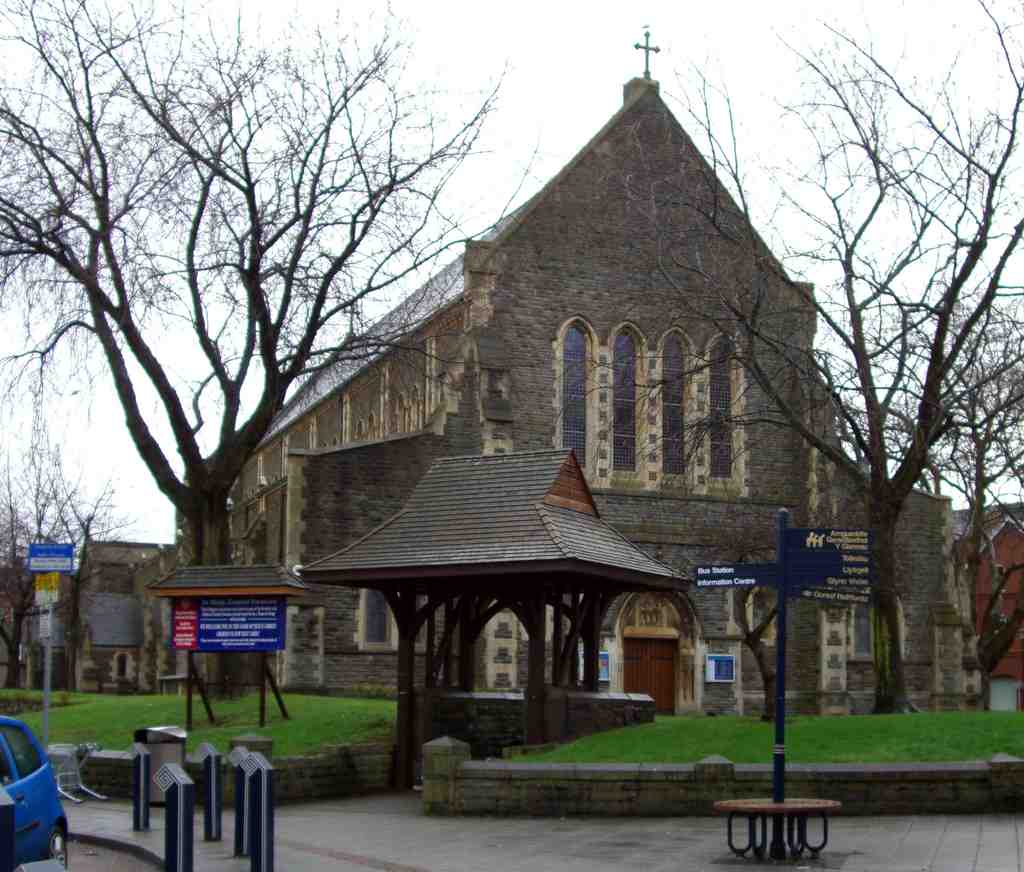
Look straight ahead for a large stone church with a tall, steeply-pitched roof and a big cross right at the very top. The front is decorated with five tall, narrow windows, and you’ll also see wooden shelter structures and signs out front. The church is set back a little from the street, with bare trees surrounding it, making it stand out even more against the sky. If you spot a building that looks like it could weather any storm, with walls of honest stone and peaceful stained glass, you’ve found the Swansea Minster. Take a second to imagine you’re stepping back through the centuries, standing right where generations of townsfolk have gathered for nearly 700 years. Swansea Minster-if you want to sound super posh, you can call it the Minster Church of St. Mary with Holy Trinity-isn’t just any church. This is the grand old heartbeat of Swansea. It’s seen everything from medieval bishops to modern city festivals, even getting officially named Wales’ first ever minster in 2024-so it literally just made history. Picture this: it’s a Sunday morning in the year 1739. Folks are waiting outside for church to begin, hats neatly in place. Suddenly, a rumble overhead--the entire roof of the nave gives way and comes tumbling down before the service even starts. Now, that's what I call an unexpected renovation! Amazingly, nobody inside was hurt (talk about heavens intervening). Over the years, the church kept being rebuilt and improved, getting gas lights with thirty-six lamps in 1822, a grand renovation in Victorian times, and a rather dramatic Blitz during World War II-when bombs nearly flattened it and the survivors had to pick up the pieces, brick by brick, in the 1950s. You see that sturdy tower? It holds eight great bells, as heavy as a small car, which were cast specially in 1959. When they ring out across the city, it’s like Swansea’s soul is singing. And for a bit of local mischief, there was once a creepy statue called the Swansea Devil peering over at the church from across the street, thanks to an architect who was incredibly grumpy about losing the church project. That’s right, even churches get their own local rivalries! For centuries, people have come here for comfort, for joy, and maybe for a peek at some truly quirky local history. And now you’re part of the story too. Soak up the peace, admire the old stones, and if you listen very carefully, you just might hear a distant bell calling out as it has for hundreds of years-. Ready to move on? Let’s see what adventures await just around the corner!
Apri pagina dedicata →You’re nearly at Swansea Market now-just look ahead for the bright entrance canopy with a colourful splash of flowers, Welsh shirts, CDs, and fresh produce pictured right above…Leggi di piùMostra meno
You’re nearly at Swansea Market now-just look ahead for the bright entrance canopy with a colourful splash of flowers, Welsh shirts, CDs, and fresh produce pictured right above the doors. It’s hard to miss, and there’s a digital sign above showing the time, date, and temperature. If you spot people flowing in and out with shopping bags and maybe even sneaking a snack, you’re in the right spot! Now, take a moment-can you feel the buzz? This is Swansea Market, the heart and soul of the city for generations. It’s the biggest indoor market in all of Wales, wrapped in an arched roof of steel and glass that keeps the rain out and the energy in. The whole place was rebuilt in the 1960s after the old market was sadly bombed during World War II. So next time you complain about a queue at the cheese counter, remember-it used to be just rubble here! Imagine yourself walking in here back in the 1600s. There’d be muddy streets, simple stalls, and folks calling out their wares in thick Swansea accents. Over the years, the market’s seen everything from roofless structures battered by the wind and rain, to brand new red brick halls sparkling with electric lighting-a real sign of the times! Inside, the smells hit you first: fresh bread, sizzling bacon, salty sea air carrying the scent of cockles and laverbread. There are butchers busy chopping Welsh Black beef, fishmongers arranging the catch of the day, and stallholders selling just about anything you could want-from a hot coffee to a pair of warm socks. Be sure to try something local: how about some famous Gower Saltmarsh lamb, or maybe Penclawdd cockles? This place isn’t just about shopping. It’s about the history, the laughter, a bit of bargaining, and always a friendly face behind the counter. You might say, if you haven’t visited Swansea Market, you haven’t really tasted Swansea at all. So take a deep breath, dive in, and see if you can sniff out the secret to the city-just don’t get lost among the stalls, unless you fancy staying for lunch and supper!
Apri pagina dedicata →Alright, have a look straight ahead-do you see the tall, gothic towers rising up, looking a bit like something out of an old detective novel? That building in front of you, with…Leggi di piùMostra meno
Alright, have a look straight ahead-do you see the tall, gothic towers rising up, looking a bit like something out of an old detective novel? That building in front of you, with its rows of pointed windows and dramatic stonework, is the future home of Swansea Mosque. It’s pretty hard to miss-just look for the twin towers poking up into the sky, almost as if they’re having a competition to see who can reach the clouds first. Right now, you’ll notice the stone façade looks weathered and grand, almost as if it’s hiding centuries of stories. Here’s where things get interesting. Swansea Mosque isn’t what you might expect-it’s not a domed building with a minaret, but instead, it’s tucked inside these two old terraced commercial buildings nearby on St. Helen’s Road. This place has been the heart of the Muslim community in Swansea since the 1980s, always adapting, always growing. But the real plot twist happens in front of the building you’re looking at now. This is the old St. Andrew’s Church, built in 1864 by Scottish immigrants-folk who packed their bags and crossed the border so long ago, carrying with them their faith, their hopes, and, apparently, a love for impressively tall towers. Over time, St. Andrew’s changed hands, shifting from the Scottish Presbyterians to the United Reformed Church, then falling into a bit of a sad state. There was even a fire back in 1964! Imagine the chaos-smoke curling out of those timber rafters, neighbours gasping out on St. Helen’s Road. The rear hall had to be rebuilt, so it got a bit of a facelift, too. Fast forward to 1997, and a Muslim charity steps in. It’s almost like the building gets a second chance at life-bought from a private owner, and little by little, plans for a new mosque take shape. Not everyone was thrilled about this new chapter, though. Back in 2004, things got heated when the British National Party decided to stir up trouble, handing out leaflets and objections. But Swansea’s spirit-always a little stubborn-kept things moving forward. So, as you stand here, imagine those first Scottish settlers with their drapery shops, the clang of church bells on a Sunday morning, the crackle of fire, and finally, today’s hopes for a welcoming mosque at the heart of the community. Funny how one building-just stone and glass-can hold so many different dreams across the years. Keep your eyes peeled as you walk; who knows what secrets those towers have heard?
Apri pagina dedicata →If you look ahead, you can’t miss it: straight across the square, rising up near that modern glass tower, is a huddle of old, weathered stone. That’s Swansea Castle! It’s not your…Leggi di piùMostra meno
If you look ahead, you can’t miss it: straight across the square, rising up near that modern glass tower, is a huddle of old, weathered stone. That’s Swansea Castle! It’s not your storybook castle with tall flags and grand gates, but these walls have stories baked deep into their gritty stones. You’ll see rough, ancient stonework topped by a single, stubby round tower. It’s almost camouflaged by the city around it-imagine a medieval survivor taking a breather amongst the busy shops, fountains, and the buzz of city life. Now, just pause right in front of it. Let the sound of the fountain behind you fade, and picture what this place has seen. The area you’re standing in is called Castle, or Castell in Welsh-a community and ward that is absolutely central to Swansea life. The castle itself once watched over the heart of the city, and even now, the entire district revolves around it. This isn’t just a spot on the map; it’s the centrepiece of city life, the historic anchor in a changing place. If you close your eyes, you might hear echoes of old city council meetings, fierce debates about local shops, maybe even a cheer from long-forgotten election victories. These stones have witnessed hundreds of years of decisions-some as simple as who mends the roads, others as dramatic as choosing new leaders. These days, the Castle ward is a lively mix of places: from the bustle of Swansea city centre and Brynmelin, to little corners of Greenhill and Mount Pleasant. The population is a patchwork, with almost half considering themselves Welsh... and 100% of the locals eager to argue about who's got the best rugby team. Politics here? Well, Castle Ward is famous for Labour Party loyalty. Councillors have come and gone, but let's be honest-if you want to win an election here, you’d better like red roses and a good doorstep chat. Even when the boundaries changed in 2022 and some areas moved to a new community called Waterfront, Castle stuck to its guns, still sending four councillors to city hall. That’s a lot of meetings. Imagine all the tea and biscuits consumed! So, as you stand in front of these ancient ruins, surrounded by 21st-century hustle, know that you’re right in the middle of Swansea’s living history. Next time someone asks you where the centre of action is in this city, you can tell them: it’s right here, swirling around these tough old stones. And who knows-maybe the ghost of an ancient councillor still watches the votes roll in, just for old time's sake!
Apri pagina dedicata →Look ahead and you’ll spot the remains of a piece of real Swansea history: the famous Vetch Field. If you’re standing out front, you’ll notice a wide-open patch where grass used…Leggi di piùMostra meno
Look ahead and you’ll spot the remains of a piece of real Swansea history: the famous Vetch Field. If you’re standing out front, you’ll notice a wide-open patch where grass used to be, framed by what’s left of old stands. On one side, there’s a big, sloped roof-almost like a giant barn -and the remains of the steel floodlight tower reaching into the sky. It’s a place that might seem quiet now, but once, this field roared with life. Close your eyes for a moment and imagine it: the crowd’s excited chatter, the distant call of the vendors, and the thick smell of chips drifting on the wind. For nearly a century-from 1912 until 2005-this was the beating heart of Swansea football. This is where the Swans soared, the dreams of fans flew high, and the stands shook with every goal. But Vetch Field was more than just a home for Swansea City A.F.C. It was the place where Wales took on the world, with 18 national games played here, and a ground that even made room for rugby league and legendary boxing matches-like the night in 1960 when local lad Brian Curvis flattened a mighty Aussie to win the Commonwealth title. Don’t forget the music! Imagine The Who tearing up the night in ‘76 or Stevie Wonder hitting the high notes in ‘84. Maybe you’d even see your grandparents dancing where the penalty spot was. You might laugh to know it wasn’t named after a vegetable patch gone wild, but actually a vetch-a little legume. The pitch was so tough at first, players needed knee pads to survive. But the Vetch was always full of characters, noise, and some of the most passionate supporters anywhere in the league. As you look around, picture the Bank-the big terrace where the loudest fans stood-echoing with song and stamping feet. After 2005, when it was time to say goodbye, supporters claimed their little pieces of history-seats, bits of turf-anything to remember the magic. Legend has it you could still hear chants swirling in the Swansea air when the wind was right. This place may be quieter now, boarded up and memories buried beneath the grass, but for those who stood here, the Vetch was alive-more than bricks, more than wood, more than grass. It was Swansea’s soul on a Saturday afternoon, and you can almost hear those last cheers if you listen hard enough. If you're curious about the stands, redevelopment or the other uses, the chat section below is the perfect place to seek clarification.
Apri pagina dedicata →
Domande frequenti
Come inizio il tour?
Dopo l'acquisto, scarica l'app AudaTours e inserisci il tuo codice di riscatto. Il tour sarà pronto per partire immediatamente – tocca play e segui il percorso guidato dal GPS.
Ho bisogno di internet durante il tour?
No! Scarica il tour prima di iniziare e goditelo completamente offline. Solo la funzione chat richiede internet. Ti consigliamo di scaricare tramite WiFi per risparmiare dati mobili.
È un tour guidato di gruppo?
No – è un tour audio autoguidato. Esplori in autonomia al tuo ritmo, con la narrazione audio riprodotta dal tuo telefono. Nessuna guida, nessun gruppo, nessun orario.
Quanto dura il tour?
La maggior parte dei tour richiede 60–90 minuti, ma sei tu a controllare il ritmo. Metti in pausa, salta le tappe o fai pause quando vuoi.
E se non riesco a finire il tour oggi?
Nessun problema! I tour hanno accesso a vita. Metti in pausa e riprendi quando vuoi – domani, la prossima settimana o il prossimo anno. I tuoi progressi vengono salvati.
Quali lingue sono disponibili?
Tutti i tour sono disponibili in oltre 50 lingue. Seleziona la lingua preferita quando riscatti il codice. Nota: la lingua non può essere cambiata dopo la generazione del tour.
Dove accedo al tour dopo l'acquisto?
Scarica l'app gratuita AudaTours dall'App Store o Google Play. Inserisci il codice di riscatto (inviato via email) e il tour apparirà nella tua libreria, pronto per essere scaricato e avviato.
Se il tour non ti piace, ti rimborseremo l'acquisto. Contattaci a [email protected]
Pagamento sicuro con