
50+ lingue

 Danzica · Polonia
 Tour Audio a Danzica
Scopri Danzica con tour audio a piedi autoguidati
headphones
2 tour
pin_drop
20 monumenti
translate
Monumenti principali
La Danzica che tutti conoscono.
I monumenti in ogni guida — e i tour che ti dicono quello che le guide non dicono.
Qualche parola su Danzica
Where World War II started, and communism began to end.
Gdansk was first documented in 997 AD when Saint Adalbert of Prague passed through a settlement at the Baltic coast. It became one of the great Hanseatic ports, exporting grain and timber through the Middle Ages at a scale that made it one of the wealthiest cities in northern Europe. Then history took turns that few other cities have experienced as intensely: Prussian annexation in 1793, then the Free City of Danzig under League of Nations oversight from 1920, then the German invasion on September 1, 1939, which began at the Westerplatte military transit depot at the city's harbour. World War II started here, at a garrison that held out for seven days before surrendering.
By March 1945, 90 percent of the city centre had been destroyed.
The Poles who moved in after the war rebuilt the old town brick by brick from 17th-century engravings, creating a reconstruction so complete that visitors often assume the Long Lane, the Artus Court, and the massive Gothic facade of St Mary's Church are original. St Mary's is one of the largest brick churches in the world, capable of holding 25,000 people. The Medieval crane on the waterfront, the Zuraw, was rebuilt and still works. Neptune's Fountain in the Long Market is original.
Danzica
Danzica FAQ
Before you walk.
Ogni tour di Danzica, nella tua lingua.
Tutte le 50+ lingue, incluse con ogni prenotazione.
🇬🇧 English🇫🇷 Français🇪🇸 Español🇩🇪 Deutsch🇮🇹 Italiano🇯🇵 日本語🇨🇳 中文🇰🇷 한국어+ 41 altre
star AudaTours Unlimited
Visiti più di una città? Abbonati.
Sblocca tutti i tour di Danzica — più migliaia di altri in tutto il mondo. Disdici quando vuoi.
$4.99/settimana · Disdici quando vuoi

Altro in Polonia
Esplora Polonia arrow_forwardAltre città da camminare in Polonia.
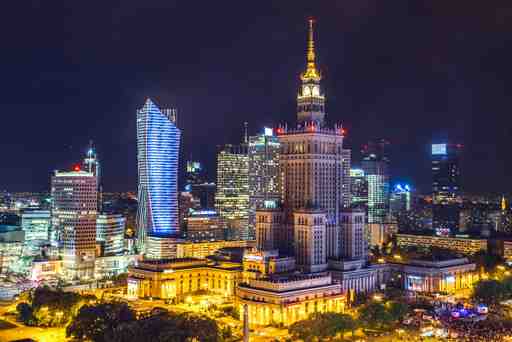

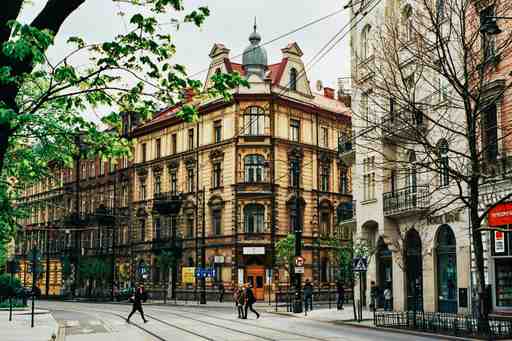
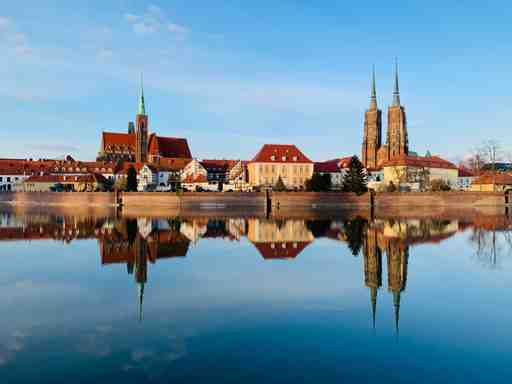
Amato dai viaggiatori di tutto il mondoMigliaia di tour iniziati.
Migliaia di tour iniziati.
Un sacco di opinioni.
4.8 su App Store e Google Play. Ecco alcune recensioni a cui torniamo spesso.
starstarstarstarstar
Questo tour è stato un ottimo modo per vedere la città. Le storie erano interessanti senza sembrare troppo scriptate, e mi è piaciuto poter esplorare al mio ritmo.

Jess
Tour Tbilisistarstarstarstarstar
Un ottimo modo per conoscere Brighton senza sentirsi un turista. La narrazione aveva profondità e contesto, senza esagerare.

Christoph
Tour Brightonstarstarstarstarstar
Ho iniziato questo tour con un cornetto in mano e zero aspettative. L'app ti accompagna tranquillamente, niente pressione, solo tu, le tue cuffie e delle storie interessanti.

John
Tour Marseilledownload Scarica l'app Metti le cuffie.


Metti le cuffie.
Esci fuori.
Gratis da scaricare. Tour in ogni città. Parti in 60 secondi — senza account, senza carta.

headphones
~ 4 min al tuo primo tour
public
1.000+ città nel mondo
all_inclusive
AudaTours
Unlimited
Ogni tour. Ogni città. Un abbonamento.
3096 tour2272 città138 paesi50+ lingue
$39 /anno
all_inclusive Esplora Illimitato