AudaTours logoAudaTours

Tour Audio di San Paolo: Echi dell'Impero nel Cuore di Sé

Audioguida12 tappe

Un tempo il tuono scuoteva il cuore di San Paolo in Piazza Sé, mentre fortune e destini mutavano sotto le imponenti guglie della Cattedrale. Ogni pietra qui nasconde tracce di ribelli scomparsi e intrighi notturni. Questo tour audio autoguidato ti porta oltre le istantanee turistiche, svelando potenti segreti dalla svettante Cattedrale di San Paolo alle silenziose sale del Mosteiro de São Bento. Cammina sulle orme di rivoluzionari, banchieri, monaci e sognatori—ogni passo svela un altro strato che la maggior parte dei visitatori non vede mai. Chi tramò una fuga attraverso le cripta ombrose della Cattedrale quando San Paolo era sull'orlo della rivolta? Quale scandalo di borsa paralizzò i corridoi di marmo della B3 in una notte? E perché i rintocchi delle campane echeggiano ancora storie di tradimento tra le mura del monastero? Muoviti attraverso politiche fragorose, sussurri di santi dimenticati e leggende cittadine scoppiettanti. Scopri come il quartiere più antico di San Paolo pulsa di storie irrequiete. I segreti ti aspettano. Ascolta e scopri cosa si agita nell'ombra.

Anteprima del tour

map

Informazioni su questo tour

  • schedule
    Durata 40–60 minsVai al tuo ritmo
  • straighten
    3.3 km di percorso a piediSegui il percorso guidato
  • location_on
    PosizioneSan Paolo, Brasile
  • wifi_off
    Funziona offlineScarica una volta, usa ovunque
  • all_inclusive
    Accesso a vitaRiascolta quando vuoi, per sempre
  • location_on
    Parte da Monastero di São Bento

Tappe di questo tour
  1. If you’re searching for the Monastery of São Bento, just look ahead for the grand, stone-faced church with two tall square towers topped by pointy roofs and a long ochre building…Leggi di piùMostra meno

    If you’re searching for the Monastery of São Bento, just look ahead for the grand, stone-faced church with two tall square towers topped by pointy roofs and a long ochre building beside it, all crowned with rows of reddish tiles-standing proudly over the broad stone square. Here you are, right in front of the Monastery of São Bento-one of São Paulo’s oldest and most intriguing living treasures! Imagine São Paulo over 400 years ago: wild rivers flowed down these hills, and at the very spot you stand, the first simple chapel was built in 1598, thanks to a monk and a generous captain. The monastery quickly became more than just a spiritual outpost: it was the city’s stronghold, perched on high ground between the Anhangabaú and Tamanduateí rivers, overlooking land that once belonged to Chief Tibiriçá. Now, try to picture the anxious crowd outside these gates in 1641. The people were furious, the city was in chaos, and a man named Amador Bueno had just turned down the offer to become “King of São Paulo”! Seeking safety, he rushed inside these very walls, finding shelter thanks to the Benedictine monks. With chanting monks mediating the rowdy crowd outside, calm was eventually restored, and São Paulo vouched loyalty to the new king of Portugal. No need for Netflix-São Bento had all the royal drama. Time marched forward, and in the 1600s, the Monastery expanded, helped by Fernão Dias Pais, known as “the emerald hunter.” For his generosity, his bones, along with those of his descendants, remain resting inside, just beneath the main altar-kind of like the VIP lounge for the afterlife. Also inside, you’ll find original clay statues of Saint Benedict and Saint Scholastica from the 1600s, created by a monk with the wonderfully spooky name Frei Agostinho de Jesus. By the 1800s, this place almost faded away; a law from the emperor meant no more new monks! The community shrank to just a handful, and São Bento teetered on the edge of turning into government property. That is, until a certain German monk, D. Miguel Kruse, strode in during the early 1900s, revived the place, and decided: if you want something done right, build it from scratch! So, the old building was demolished, and what you see before you-a magnificent structure designed by a real Munich professor-arose between 1910 and 1914. The bells from 1922 still chime, and the German-made clock once held the title as the city’s most accurate timepiece. Step a little closer to the doors and soak in the mix of powerful stone and sweeping European arches. Inside, you’d find decoration by artists from Belgium, Portugal, and Germany-so international it should probably have its own passport. Along with the church, the monastery hosts São Bento College, a top school (and, believe it or not, a hub for Chinese students), and a prestigious philosophy faculty. Their vast library hides rare treasures, some printed before 1500, and even micro-books smaller than your thumb! Sorry, not open to the public, unless you’re a scholar or an extremely curious monk. Also, don’t miss their legendary bakery and shop. The monks bake bread, cakes, cookies, and chocolate with recipes refined over centuries-there’s even a secret Benedictine beer! The aroma drifting out the side door is enough to convert anyone to the gospel of pastries. And, if you’re curious-yes, Pope Benedict XVI spent the night here in 2007, after the monks spruced up the place for their very special guest. The monks continue to live by three words: “pray, work, and read”-which also sounds like the daily routine of a student during finals. So whether you’re here for history, creativity, a spiritual pause, a moment of calm, or just a delicious croissant, you’re standing at the heart of centuries of São Paulo’s memory. Ready for the next stop? Let’s head to the legendary Rua 25 de Março! If you're curious about the architecture, painting and decoration, conservation and restoration or the st. benedict's college and faculty, the chat section below is the perfect place to seek clarification.

    Apri pagina dedicata →
  2. Right ahead, you’ll spot Rua 25 de Março by its packed sidewalks, rows of shops squeezed into tall, plain buildings, and the big yellow street signs; just look where the crowd…Leggi di piùMostra meno

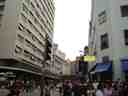
    Right ahead, you’ll spot Rua 25 de Março by its packed sidewalks, rows of shops squeezed into tall, plain buildings, and the big yellow street signs; just look where the crowd dives into the canyon of stores! Now, welcome to one of the liveliest commercial arteries in all of Brazil-Rua 25 de Março! If you feel like you’ve landed inside a shopping tornado, you’re not far off. Listen to the soundtrack: vendors calling deals, shoppers haggling, the crinkling of shopping bags-you’re in the heart of São Paulo’s bargain paradise! But believe it or not, if you’d stood here around 150 years ago, you’d be swatting mosquitoes, not sales-this whole district used to be part of the Tamanduateí River, until engineers got ambitious and shifted the rivers, pushing the muddy port further east. That’s why a nearby street is called Ladeira Porto Geral, named after the old port itself. Back then this was “Rua de Baixo”-the street down low, because the posher quarters-think fancier parties-were uphill. It wasn’t until 1865 that things got their present name, celebrating March 25th: the day Brazil signed its very first constitution in 1824. The riverbanks, once muddy, soon became busy paths for new dreams. In rolled waves of immigrants, many from the Middle East. Picture 1887: Benjamin Jafet, a Lebanese pioneer, sweeps open the shutters on the first store here. What did he sell? Let’s just say, probably not bulk fidget spinners. Other merchants-Greek, Korean, Chinese, Portuguese-followed, each adding their own flavor to this melting pot of a street. The river might have been tamed, but the street became famous for a different kind of flood: crowds! In the 1960s, real floods soaked merchandise, forcing desperate shopkeepers into massive discounts. Shoppers fell for the deals-and never looked back. That’s why today, whether you’re here for sneakers, toys, fans, watches, or all of the above, you’ll find them spilling out of open storefronts and three massive shopping malls, including the legendary Galeria Pagé. Sure, with all these deals you might feel like you’re hunting treasure, but watch your pockets-while crime is rare, pickpockets do love the crowds. And once in a while, police sweep through, chasing after fake electronics, but the spirit of energetic, chaotic hustle remains untouched. So dive in, try to resist buying ten pairs of sunglasses, and enjoy the living, surging energy of São Paulo’s greatest marketplace!

    Apri pagina dedicata →
  3. Founded by a visionary named Emilio Rangel Pestana, the “Bolsa de Valores de São Paulo” started out about as glamorous as a dusty library-but with a lot more shouting and,…Leggi di piùMostra meno

    Founded by a visionary named Emilio Rangel Pestana, the “Bolsa de Valores de São Paulo” started out about as glamorous as a dusty library-but with a lot more shouting and, frankly, questionable coffee. Back then, the place was controlled by the government, and brokers. Imagine having your job picked by someone’s uncle at the Secretary of Finances. It was the state-owned wild west until the mid-1960s, when a wave of reforms turned the Brazilian stock market into the fast-paced, world-class institution you see today. Picture the scramble in the 1970s as computers first entered the mix. Suddenly, instead of just yelling, people started trusting mysterious “online terminals” to tell them the latest values, and São Paulo’s exchange was first in Brazil to go digital with real-time information. That’s like upgrading your horse to a Formula 1 car! Soon enough, a telephone trading system was set up-imagine calling in your orders, desperately hoping your line didn’t cross with someone trying to order a pizza. The transformation didn’t stop. By the 1990s, investors had moved on from hand signals to the electronic “CATS” trading system running alongside the classic “open outcry” floor-where deals were sealed as fast as someone could shout “Buy!” Eventually, shouting lost out completely. Now, everything here is lightning quick, happening in cyberspace where the only thing yelling is your smartphone’s notification. But B3 isn’t just quick-it’s smart. In 2000, they created special “Novo Mercado” segments. Sound fancy? Well, it basically meant companies had to play by stricter rules so you, friendly visitor, can trust what’s happening behind those glassy towers. The standards raised the bar for transparency and good governance, making Brazil’s market not just bigger, but better. And big it got! In 2008, the São Paulo Stock Exchange merged with the Mercantile and Futures Exchange, becoming one of the planet’s largest. What do you get when you blend the thrill of stocks and the wild gamble of futures? An exchange that can move mountains-or at least, move billions of dollars each day. B3’s massive trading floor isn’t just for Brazilian companies: it lists heavyweights like Vale, Embraer, Gerdau, and even international players thanks to their innovative investment channels. Maybe your favorite airline or bank took off from here! The exchange also inspired the “Home Broker” system in 1999, letting everyday folks trade from their pajamas at home. (Warning: stocks might go down if you spill coffee on your laptop.) Look up at the data scrolling past the screens and think of the “Ibovespa”-the benchmark index, pulsing with the value of Brazil’s top companies. In 2021, the index reached a record-shattering 130,776 points, which is about 130,000 points more than my last bowling game. B3 is also a trailblazer for sustainability, helping shape a greener future by encouraging companies to care as much about their environmental impact as they do about their profits. Wonder what time things heat up here? Trading days dance from 10:00 a.m. to 5:30 p.m.-plus the secretive “pre-market” and even an after-hours party for those who just can’t stop bidding. So as you stand here, know that you’re looking at more than glass, steel, and numbers-you’re eye-to-eye with the place where fortunes are made, dreams are risked, and Brazil’s economy pulses at full speed. And don’t worry-no shouting required anymore. Unless, of course, the market is up and you just want to celebrate!

    Apri pagina dedicata →
Mostra altre 9 tappeMostra meno tappeexpand_moreexpand_less
  1. To spot the Martinelli Building, look for a tall, light-pink stone skyscraper rising above the intersection of Rua São Bento, Avenida São João, and Rua Líbero Badaró-it’s hard to…Leggi di piùMostra meno

    To spot the Martinelli Building, look for a tall, light-pink stone skyscraper rising above the intersection of Rua São Bento, Avenida São João, and Rua Líbero Badaró-it’s hard to miss with its elegant, old-world design and towering presence in the city’s historic center. Now, standing right here in front of the Martinelli Building, you’re catching a glimpse of São Paulo’s very first race for the clouds! Imagine the year is 1924, and this part of the city is mostly low, squat buildings. But here comes Giuseppe Martinelli, an Italian immigrant with a dream as tall as his hat, determined to give São Paulo a reason to look up-way up. He partnered with Vilmos Fillinger, a Hungarian architect with just enough flair to match the ambition. Together, they sketched, they planned, and they laid the first bricks of what would soon make everyone on the street crane their necks. Construction started in 1924, but money was tighter than a drum. Martinelli, lacking government support, had to strike deals and even sold part of his dream to an Italian credit institute, gathering enough cash to continue. Each new floor was a victory in a city not quite sure if it wanted to be New York or still a charming town. The building started with just 12 floors, enough for Martinelli to pop some champagne in 1929, but hang on-his rival in Rio, the Edifício A Noite, was making waves and claiming to be the tallest. São Paulo citizenship pride was at stake. So Martinelli said, “Let’s go bigger!” Yet people squinted up at the rapidly rising floors with more doubt than hope-some swore the whole thing would collapse. How did Martinelli respond? He built a pink granite palazzo, a miniature Italian villa, right on the rooftop, packed up his family, and moved in, as if to prove, “If it falls, I’m going down with it!” Now, that’s taking real estate investment personally. By 1934, when the dust finally settled (and trust me, there was plenty), the Martinelli had 30 stories and stood at a whopping 105 meters. In a city where birds had never dodged anything taller than a church spire, it was a shock. But soon, the Martinelli became the go-to address for high society. Marble staircases, golden statues-at one point, you could catch a movie in the glamorous Cine Teatro Rosário, seen as luxurious as the great Municipal Theater. Politicians plotted, clubs mingled, and the upper crust salsa’d the nights away. There was even a wild episode in 1932: during the Revolution, machine guns appeared on the rooftop to guard against Roosevelt’s feared “little red” planes. But, nothing lasts forever. By the 1950s, glamour gave way to hardship. The lifts stopped lifting, the lights went out, and far too many people called it home for all the wrong reasons. Some floors saw more mystery than a noir movie-unsolved crimes, dark corners, and stories of corruption echoed through the hallways. Still romantic? Maybe in a gritty way! But instead of a fall, the Martinelli found a comeback. In 1975, the city government stepped in. The building was cleaned up, given a fresh coat-think of a fairy godmother with a big city budget. The Martinelli rose again, turning from crumbling legend to a home for city offices, shops, and unions. Today, on sunny days, the 26th floor opens its doors to visitors like you, letting you gaze from the terrace and spot the Vale do Anhangabaú, the antennas of Avenida Paulista, and, if you squint, maybe the ambitions of Mr. Martinelli himself still floating in the São Paulo breeze. So, gaze up now… you’re not just looking at a building. You’re looking at a skyscraper that changed the very meaning of “up” in São Paulo, one brick, one bet, and one brave Italian family at a time. And if you listen carefully, among the city’s hum, you might just hear their laughter echoing from the rooftop villa!

    Apri pagina dedicata →
  2. Look for a pale cream-colored building with a tall, pointed tower topped with a cross, nestled tightly between much taller modern structures-if you spot a church that looks like…Leggi di piùMostra meno

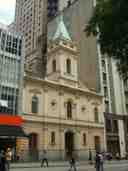
    Look for a pale cream-colored building with a tall, pointed tower topped with a cross, nestled tightly between much taller modern structures-if you spot a church that looks like it’s squeezing in for a group photo, you’ve found the Igreja de Santo Antônio! Now, let me sweep you back to the year 1592-imagine São Paulo as just a dusty village on the edge of the unknown, with thick forests all around and hardly a café in sight. Right here at the end of old Direita Street, a humble chapel to Saint Anthony first appeared, built by worshippers whose names got lost in the centuries like socks in a washing machine. As the centuries ticked by, the chapel grew and changed almost as much as São Paulo itself. Picture the 1600s, when bearded Franciscan friars stomped in from Rio de Janeiro, their sandals clapping on the chapel steps. They made this spot their spiritual home, even after building a big convent down at Largo São Francisco-loyal, or just unwilling to let go of a good real estate deal? Through the 1700s, this chapel was more popular than the city’s best pastry shop. With the help of the bishop and local devotees, it was renovated and expanded so often you’d think the city’s main hobby was redecorating churches. The Brotherhood of Our Lady of the Rosary of the White Men came along, added their style to the facade, and made it their HQ-which is like giving your house a makeover every twenty years, but with a lot more incense. Tragedy struck in 1891, when a fire in the neighborhood singed the church’s back and forced a dramatic facelift. Local nobles-the Baron of Tatuí and the Count of Prates-threw in their hats (and wallets) to rebuild the bell tower and front. Imagine scaffolds rising, workers shouting, the sound of hammers bouncing off stone, and by 1919, a grand new eclectic facade emerged, blending styles like a history teacher’s favorite smoothie. Inside, this church has witnessed more drama than a soap opera. In 2005, while dusting off the high altar during restoration, workers uncovered hidden 16th-century mural paintings that had survived-not one, but two fires! Layers of paint peeled away to reveal a colorful cast of angels, sparkling with reds, yellows, and golds the way Baroque São Paulo always liked to party. Today, it’s São Paulo’s oldest surviving church, and it’s so beloved it was officially protected in 1970. Recent restorations bring new life to everything from its foundation to its proud bell tower. So, next time you stare at this little cream church squeezed between the city’s giants, remember: it’s survived fire, facelifts, and centuries of urban hustle. That’s more resilience than most superheroes!

    Apri pagina dedicata →
  3. To spot the Matarazzo Building, just look for a large cube-shaped, cream-colored stone building with lots of evenly spaced windows and, if you look up, a surprising burst of…Leggi di piùMostra meno

    To spot the Matarazzo Building, just look for a large cube-shaped, cream-colored stone building with lots of evenly spaced windows and, if you look up, a surprising burst of greenery peeking out from the rooftop garden on top! Now, as you stand here, take a deep breath and imagine the clock winding back to 1935. Picture this very spot filled with the dust and commotion of construction workers, and architects in sharp suits pointing at blueprints, while the smell of fresh travertine stone fills the air. This is no ordinary office block. The Matarazzo Building, or as locals call it, “Banespinha,” is an urban legend in itself-each floor hides a story, a scandal, and maybe even a mystery or two. It all began with Francisco Matarazzo Junior, a man who wanted a headquarters that would dazzle the city and his business rivals. He didn’t just want a building-he wanted a Roman palace in the heart of São Paulo! The design that won the private competition was not too old-fashioned, not wildly modern, but a perfectly vertical slice of neoclassical style, by the famous Oficina Ramos de Azevedo, Severo & Villares. But just as construction began, an Italian twist entered the story-Marcello Piacentini, a real celebrity architect from Rome, came to Brazil. Picture him arriving, suitcase probably a bit too full of design magazines, shaking hands and shaking up the plans. He ditched heavy columns, creating smooth vertical faces defined by the play of light and shadow, and covered the masses in luxurious travertine, making the building shine every morning as sunlight hit those polished surfaces. And here's the first quirky detail: superstition ruled in old São Paulo, so you won’t see a 13th floor here-just a silent gap in the elevators. And if you think the exterior looks solid, you should see the rooftop! Since the 1960s, there’s been a garden up there with over 400 different plant species and a pond of lazy, well-fed carp. It’s like a secret park in the sky, right above the busiest heart of the city. If you listen closely, maybe you’ll even hear the distant splash of a fish. Or maybe that’s just the mayor watering the plants. Speaking of mayors, this building became the city hall in 2004. But before politicians set up shop, it saw the rise and fall of fortunes-literally. For many years, it was the throne room of the Matarazzo industrial empire. Then it was grabbed by Nagib Audi’s chemicals company, and after some wild and not-so-legal adventures on the stock market, it changed hands again. It was owned by Banespa bank, and at one point was a bustling branch called “Banespinha.” In fact, the city only got the building thanks to a major debt negotiation-São Paulo’s version of Monopoly, with the Matarazzo in place of Boardwalk. Since 2015, the city has been opening up this spectacular landmark for guided tours, letting everyone enjoy a peek inside, stroll through the rooftop garden, and maybe dream up their own secret stories. And remember, right in front of you stands not just a building, but a living memory of São Paulo’s dreams, dramas, and a little bit of Italian flair-plus a rooftop garden any superhero would envy. Shall we keep exploring?

    Apri pagina dedicata →
  4. Looking ahead, you’ll spot a striking colonial facade with cream and yellow walls, green shuttered windows, and beautiful palm trees flanking the entrance-just look for the…Leggi di piùMostra meno

    Looking ahead, you’ll spot a striking colonial facade with cream and yellow walls, green shuttered windows, and beautiful palm trees flanking the entrance-just look for the building with a large cross on top and those elegant baroque curves above the door. Welcome to the Church of the Wounds of the Seraphic Father Saint Francis-a name so long, I hope you packed a snack before reading it! Now, imagine yourself in the heart of colonial São Paulo, back when this city was more farmland and forest than skyscrapers and samba. Here, in the peaceful Largo de São Francisco, this impressive church has stood since 1787, watching over the city as it grew from a tiny village where everyone probably knew each other’s business and possibly their chickens’ names. This isn’t just any church. It’s the last surviving piece of eighteenth-century architecture in all of São Paulo’s center, making it a true time machine made from rammed earth, brick, and walls woven with bamboo-talk about eco-friendly before it was trendy. The church was built by an Afro-Brazilian architect, Joaquim Pinto de Oliveira, or Tebas, who began life as a slave but left behind a masterpiece of colonial design. Just picture Tebas up on the scaffold, guiding the construction while horses clopped down dusty streets and merchants haggled over coffee, gold, and-you guessed it-sugar. Now, let’s rewind to the 1600s. The Franciscan friars were already setting up shop here, driven not just by faith but by the classic colonial urge to occupy, educate, and, of course, preach! By the 18th century, the Third Order of Saint Francis-a group of devout businessmen and prominent “good men”-decided their tiny chapel inside the Franciscan church was too small for their big ideas. So, like anyone who needs more closet space, they expanded, transforming their octagonal chapel into a cross-shaped church, still snug beside the original convent. Step inside (in your imagination… or soon in reality!), and you’ll be greeted by light pouring through windows, dancing across centuries-old paintings and golden altars. There’s an altar dedicated to Saint Michael and a dazzling rococo altarpiece featuring Atlantean angels-yes, angelic bodybuilders!-propping up swirling columns. Overhead, an octagonal dome painted with Saint Francis soaring toward heaven on a flaming chariot, because saints clearly had the coolest rides. But don’t be fooled by the calm. This church has seen drama! For many years, it was the final resting place of some of São Paulo’s most important citizens-from daring military men to society’s elite, all now resting quietly underfoot (so watch your step!). These hallowed halls also rang with the debates of powerful families and, more recently, classical music during live performances-can you imagine those grand notes filling the nave? More recently, the church itself needed some TLC after all those centuries. Closed in 2007, its walls finally got some pampering-new roofs, polished altars, sparkling stained glass, and modern touches like elevators for accessibility. After seven years, it reopened in a celebration fit for the ages, proving this church knows how to make an entrance. Today, tradition is still alive-masses are held every week, and on the eighth day of every month, a special mass venerates Saint Anthony of Categeró, a tradition over 300 years old. And if you’re a treasure hunter at heart, remember: during restorations, hidden artifacts and forgotten artwork were rediscovered, reminding everyone that this church still has secrets to share. So, while you gaze up at the facade-yellow and white against the city’s bustle-listen for the echoes of merchants, friars, and faithful souls, all woven into the stones. Who knows? Maybe you’ll catch a whisper from centuries past, inviting you inside for your own chapter in this living history.

    Apri pagina dedicata →
  5. To spot the São Paulo Cathedral, look ahead for two towering green-topped spires and a massive stone facade framed by palm trees in the large plaza right in front of you. Now let…Leggi di piùMostra meno

    To spot the São Paulo Cathedral, look ahead for two towering green-topped spires and a massive stone facade framed by palm trees in the large plaza right in front of you. Now let me tell you the story of this enormous, awe-inspiring place standing at the very heart of São Paulo! Imagine standing in 1589, when the city was just a humble collection of huts surrounded by thick forests and the sound of tropical birds everywhere. That’s when the decision was made to build the first main church here-though honestly, if you could have fast-forwarded to today and told those early settlers what their little church would become, they might have dropped their hammers out of shock! Fast-forward a few centuries, and São Paulo has become a real city. The “Matriz” church gets rebuilt in the fancy baroque style, and then-just like when you upgrade your phone right after buying a new case-they knock it down again in 1911 to make way for something even grander. Enter a German architect who has big dreams: a Neo-Gothic masterpiece complete with soaring towers, a five-aisled nave, and a dome that tips its hat to the Cathedral of Florence. Construction on this mammoth project kicks off in 1913. Years pass, and by “years,” I mean four decades. They finally get it ready in time for São Paulo’s fourth centenary bash in 1954-even if the twin towers are still a little bald at the top. But don’t fret; they give the towers their elegant final peaks by 1967. If this cathedral were a person, it would definitely have had a dramatic teenage phase: think scaffolding, marble dust everywhere, builders muttering in Italian, and, of course, some very impatient cardinals waiting for their new church. Walk inside, and you’d see over 800 tons of gorgeous marble, some carved into pineapples, coffee branches, and armadillos-yes, the very animals that dig up backyards and, apparently, church motifs. The crypt below isn’t just a basement; it’s an entire underground church lined with sculptures, and it’s the final resting place for bishops, archbishops, and even Chief Tibiriçá, whose diplomacy helped Jesuit priests found São Paulo in the first place. Up above, the bells in the east tower can play a concert all their own, thanks to a carillon of 61 bells-truly, a workout for whoever’s in charge of the melody. And if you hear an organ, it’s not just any organ-it’s one of Latin America's largest, with 12,000 pipes. You could play “Happy Birthday” on it and probably shake the windows of the next neighborhood. After a rough patch in the 1900s-think leaks, cracks, and fading paint-the cathedral was beautifully restored at the turn of the 21st century, just as builders originally planned. So today, what you’re looking at isn’t just a church, and it’s not just a landmark-it’s 400 years of São Paulo’s dreams, dramas, and daily life, all wrapped up in stone, marble, and music. When you stand here, those stories rise around you, as tall and proud as the twin spires overhead.

    Apri pagina dedicata →
  6. To spot Praça da Sé, just look for the grand palm trees surrounding a wide open square with a star-like design at your feet, right in front of the towering twin spires of São…Leggi di piùMostra meno

    To spot Praça da Sé, just look for the grand palm trees surrounding a wide open square with a star-like design at your feet, right in front of the towering twin spires of São Paulo Cathedral. Welcome to the beating heart of São Paulo-Praça da Sé! If city squares were superheroes, this one would be wearing a cape, because every single road in São Paulo uses this spot as its “Kilometer Zero.” Over a century ago, this place grew up around a small church, with its open space attracting everything from cheerful crowds to passionate protests-oh, if these palm trees could talk! Picture the square decades ago: buildings were torn down, streets reshaped, and the whole landscape redesigned in the 1970s by imaginative architects who might’ve been inspired by California dreams-straight lines, fountains, geometric levels, and all. But the drama didn’t end there! In 2007, the square got a glamorous makeover for São Paulo’s birthday-think of it as a facelift with extra flower boxes and playful overpasses above shimmering pools. But even new squares can spark old tensions, as locals debated how best to share this iconic space. Today, as you listen to the hum of footsteps and traffic, you’re standing at a crossroads of history-where joyful celebrations, powerful protests, and everyday stories meet beneath the palms, right in the center of it all.

    Apri pagina dedicata →
  7. To spot the Pátio do Colégio, look for a complex of whitewashed colonial-style buildings with brown-tiled roofs and tall palm trees framing an open courtyard-just ahead is the…Leggi di piùMostra meno

    To spot the Pátio do Colégio, look for a complex of whitewashed colonial-style buildings with brown-tiled roofs and tall palm trees framing an open courtyard-just ahead is the heart of where São Paulo was born. Now, take a moment to soak in the scene around you-because you’re not just standing in any old plaza. You’re at the very birthplace of São Paulo! Imagine the year is 1554. The busy streets, the honking horns, the high-rises, and all the city commotion you hear today? None of that existed. Instead, you’d hear the soft rustling of palm leaves, perhaps the distant call of a bird, and the murmurs of a group of Jesuit priests, led by Father Manuel da Nóbrega and the then-novice José de Anchieta, as they gathered up here on a hilltop, right between the Tamanduateí and Anhangabaú rivers. Back then, it was all about palm leaves-not Wi-Fi or cappuccino. The Jesuits and Indigenous people raised a simple hut out of mud and palm fronds-roughly the size of a classroom. Picture a handful of priests and local villagers squeezed inside to hold their very first mass, surrounded by thick forest. That’s right where you stand now, at the spot known as the Real Colégio de São Paulo de Piratininga. On January 25, 1554, this was officially the start of what would become one of the biggest megacities in the world. And it wasn’t just prayers and lessons going on here. The city’s drama really got rolling quickly! Over the decades, more sturdy buildings were put up with rammed earth and stone, led by Father Afonso Brás-a true pioneer of Brazilian architecture. But as the city grew, tempers flared. Tensions exploded between colonists, who were all about using Indigenous labor, and the priests, who tried to defend the locals. It got so heated that, by 1640, the Jesuits were booted out-though, spoiler alert, they made a comeback 13 years later. These guys were nothing if not persistent! As you look around, try to imagine how the Pátio do Colégio transformed alongside the city. During the late 1700s into the 20th century, this place saw more costume changes than a pop star. It stopped being just a religious hub. When the Jesuits got expelled (again) by order of the Marquis of Pombal in 1759, the state snatched it up. Suddenly, it was the palace of governors, the city’s political HQ, and later, the grand “Largo do Palácio.” Laws were made here, big decisions were hammered out, and if the walls could talk, I think even they’d ask for a nap. In 1770, the literary crowd swooped in, too, holding the very first session of the “Academy of the Happy,” a group of writers with some serious bookworm energy. And yet, the physical space did not stand still. Over the centuries, the buildings were remodeled, expanded, and sadly sometimes bulldozed-for government offices, the governor’s palace, and more. The old colonial mansion from earlier days was whacked apart and rebuilt so many times you’d hardly recognize it. Then in 1896, came the worst blow: a major demolition. By the early 1950s, the original was gone completely. But São Paulo never forgets its roots. In the mid-1900s, locals rebuilt the Pátio, inspired by old plans and fragments. Yes, there are still bits of a wall from all the way back in 1585 hidden inside if you know where to look! But let’s not forget the mysteries and treasures you can find here today! This whole spot is a living museum. It holds the Anchieta Museum with over seven hundred artifacts, six different exhibit rooms, a beautiful church, a crypt with ancient mysteries, sacred art collections, concert spaces, a library with thousands of old books-and, because even saints got hungry, a café named after the Canary Islands. Even the femur of José de Anchieta, the Jesuit founder, is kept as a relic here. If you’re a fan of quirky facts: in December 1936, the last gas lamp in São Paulo was turned off here-imagine the ghosts of the past sighing as electricity finally won out. And just to keep things interesting, in 2018, local artists staged a bold art protest on these walls, reminding everyone to pay attention not just to history but also to each other. So breathe in the atmosphere, hear the echoes of centuries past, and take a moment to imagine all the layers of drama, faith, politics, and even a little bit of stubbornness that make this tiny courtyard the true heart of São Paulo. If these stones could talk, I bet they’d say, “Move along, city-just don’t forget where you started!”

    Apri pagina dedicata →
  8. Look for a creamy-white church with elegant curved facades and arched windows, standing slightly raised and fenced off, with a compact bell tower and tall modern buildings…Leggi di piùMostra meno

    Look for a creamy-white church with elegant curved facades and arched windows, standing slightly raised and fenced off, with a compact bell tower and tall modern buildings towering behind it. Right in front of you stands the Igreja da Ordem Terceira do Carmo, a place where São Paulo’s centuries-old stories seem to linger in the very air-a church that’s weathered every twist history could throw at it, and still manages to keep its head (and its bell tower) held high. Imagine yourself here nearly 350 years ago: instead of the office towers in the background, this part of the city was filled with the sounds of carts, the chatter of laypeople, and the hopes of a group who just wanted a place to call their spiritual home. The story begins in the late 1600s when a band of determined layfolk-no monks’ robes or vows needed-started gathering coins and good will to build themselves a humble side chapel near the Carmelite convent, which had opened way back in 1592. Their first little temple grew up alongside the big convent church, but with time, ambition (and maybe a little rivalry), they decided their 'starter' chapel needed an upgrade. By 1747, with more coins and more ambition, they set to work building the structure you see today. Picture craftspeople mixing earth and straw beneath the hot Brazilian sun to make the solid rammed-earth walls. It took over a decade before the facade and structure were finished-a true crowd-funded project even before crowdfunding was cool. Just as the dust settled, they hired a master carpenter (who doubled as one of their own brothers), Antonio Ludovico, to make a glorious altar. Gold leaf shimmered, side altars rose, and a painter named João Pereira da Silva brought color and sacred scenes to every corner he could reach. By the late 1700s, São Paulo itself was changing-growing, flexing its muscles with new churches and bigger dreams. The Carmo chapel, determined not to be outshined, brought in Joaquim Pinto de Oliveira, nicknamed Tebas, a skilled architect who’d become something of a legend. Tebas was tasked to bring the church into the city’s new era, designing a grand new front with three striking stone arches. Imagine the sound of chisels and hammers echoing through narrow streets, as hopes for a truly impressive facade rose alongside the walls. Of course, as any good saga goes, there was a hiccup: part of the renovation didn’t meet expectations, and poor stonemason Antonio Francisco de Lemos got an unwanted lesson in project management when his work was rejected. Tebas had to fix it and finish what he started, threading together brick, stone, and tradition into a harmonious whole. And the inside? That became a baroque wonderland, with dazzling altarpieces and paintings by Friar Jesuíno do Monte Carmelo-24 vivid panels telling stirring stories overhead, almost like the world’s first animated ceiling, minus the popcorn. As the years passed, artistic flair mixed with gentler touches. In 1785, José Patrício da Silva Manso painted a vision of Our Lady and Saint Teresa on the sacristy ceiling-a visual prayer in colors and light. The church kept collecting layers of beauty, even as São Paulo’s skyline changed around it. There were later renovations, some paintings hidden under others and rediscovered centuries later, mysterious as hidden treasure-imagine curators peeling back dusty layers to reveal splendors lost and found beneath faded paint. Don’t miss the sense of living memory here: the ornate altars, the flutter of candlelight, and nearly 124 holy relics, works of faith, artistry, and even a library. In 1928, just across the way, part of the original Carmo convent was abruptly demolished to make room for modern government, so don’t be surprised if the church seems to stand here with a determined glint, as if daring the city to try to erase it entirely! Today, all this beauty and resilience is preserved by heritage organizations, who see in these walls far more than architecture-they see a symbol of Sao Paulo’s spirit: always changing, never giving up its heart. As you stand in front of it, you’re right at the crossroads where the city’s past and present hold each other tight. And hey, if you feel like whispering your own hopes toward those arched windows, you’ll be in good company-generations have done the same before you. Curious about the architectural features, historical and cultural importance or the gallery? Don't hesitate to reach out in the chat section for additional details.

    Apri pagina dedicata →
  9. Congratulations - you’ve arrived at our final stop, the striking Palace of Justice of São Paulo. Go on, take a good look: isn’t it dramatic? The building’s facade, a blend of…Leggi di piùMostra meno

    Congratulations - you’ve arrived at our final stop, the striking Palace of Justice of São Paulo. Go on, take a good look: isn’t it dramatic? The building’s facade, a blend of neoclassical lines and baroque flourishes, seems almost ready to lay down the law - or at least give you a stern talking-to about jaywalking. Now, let me take you on a little journey through time, where judges shared offices with toilets and construction delays were longer than a Brazilian samba. It’s the 1920s, and São Paulo is buzzing. The city is growing by leaps and bounds, and justice is in high demand. Court hearings were once held in old mansions nearby, but as São Paulo boomed, seven solemn judges started feeling a bit cramped. They probably dreamed of a grand palace for their important work - one with marble, granite, sweeping staircases, and definitely more than one bathroom for an entire judiciary. So, the city called in the great architect Ramos de Azevedo and said, “Can you give us something worthy of Rome?” And Ramos replied, “I’ll see your Roman palace and raise you a São Paulo masterpiece.” With inspiration from the grand Palace of Justice in Rome, Ramos de Azevedo, with the help of Domiziano Rossi, drafted an extravagant plan in 1911. Construction began in 1920 on the site of some old cavalry barracks, and progress was slow - a bit like waiting for a court verdict when you’re double parked. Funds trickled in, and construction often stalled. So much so, people started calling it the “unfinished symphony.” Thirteen years later, and several headaches for city accountants, the Palace was opened in grand style in January 1933. If you listen hard, you might imagine the metallic clangs of work crews and the chatter of Italian and Spanish immigrant workers, busy fitting together one of Brazil’s first metal structures. The building was so lavish that it almost upstaged the cases being argued inside - caryatids and judicial emblems carved with precision, stained glass windows catching sunlight, and murals glowing softly under the arches. There’s even a room on the fifth floor - the Portrait Room - where every president of the Court of Justice guards the halls, eyes following you like an inquisitive jury. The central hall, charmingly called the Hall of Lost Steps, once served as the anxious waiting ground for those about to hear their fates. Picture it: nervous clients pacing, whispered legal advice, and the steady shuffle of court officials - like a salsa of suits and paperwork. However, São Paulo was growing fast, and before long, the Palace was bursting at the seams. By the 1940s, the population had soared so much that they were turning bathrooms into offices and sending judges to work next door. Paperwork on the toilet? Now that’s multitasking. The judiciary had to scatter to nearby buildings just to keep up with the caseload. This was the great decentralization - judges outnumbered by legal briefs, clients, and interns all squeezed into a palace fit for a king, or at least a very stressed-out court clerk. Inside, marble and granite floors still shimmer, and grand halls are filled with stories both grand and somber. In the Noble Saloon, elections and new judge ceremonies light up the room with anticipation and pride. Meanwhile, the Jury Court dazzles with Renaissance touches where headline cases, from notorious musicians to famed officers, have played out - proving the Palace is just as much a stage as a courthouse. By 1981, this grand Palace was officially listed as a historic landmark, recognizing not just its legal might, but its cultural heart. Today, it stands at the crossroads of São Paulo’s justice system - surrounded by fellow titans like the Municipal Chamber, City Hall, the famous Law School, and the headquarters of the Order of Attorneys and Public Prosecutor’s Office. So as you stand here, imagine the roll of wheels on marble, voices rising with passion, and the hopes of a city carried between these ornate walls. The Palace of Justice isn’t just a building - it’s São Paulo’s courtroom of dreams, complete with drama, determination, and a touch of architectural mischief to remind us that even the laws of construction are sometimes made to be broken. And hey, at least now every judge gets their own office - and, thankfully, their own bathroom.

    Apri pagina dedicata →

Domande frequenti

Come inizio il tour?

Dopo l'acquisto, scarica l'app AudaTours e inserisci il tuo codice di riscatto. Il tour sarà pronto per partire immediatamente – tocca play e segui il percorso guidato dal GPS.

Ho bisogno di internet durante il tour?

No! Scarica il tour prima di iniziare e goditelo completamente offline. Solo la funzione chat richiede internet. Ti consigliamo di scaricare tramite WiFi per risparmiare dati mobili.

È un tour guidato di gruppo?

No – è un tour audio autoguidato. Esplori in autonomia al tuo ritmo, con la narrazione audio riprodotta dal tuo telefono. Nessuna guida, nessun gruppo, nessun orario.

Quanto dura il tour?

La maggior parte dei tour richiede 60–90 minuti, ma sei tu a controllare il ritmo. Metti in pausa, salta le tappe o fai pause quando vuoi.

E se non riesco a finire il tour oggi?

Nessun problema! I tour hanno accesso a vita. Metti in pausa e riprendi quando vuoi – domani, la prossima settimana o il prossimo anno. I tuoi progressi vengono salvati.

Quali lingue sono disponibili?

Tutti i tour sono disponibili in oltre 50 lingue. Seleziona la lingua preferita quando riscatti il codice. Nota: la lingua non può essere cambiata dopo la generazione del tour.

Dove accedo al tour dopo l'acquisto?

Scarica l'app gratuita AudaTours dall'App Store o Google Play. Inserisci il codice di riscatto (inviato via email) e il tour apparirà nella tua libreria, pronto per essere scaricato e avviato.

verified_user
Soddisfazione garantita

Se il tour non ti piace, ti rimborseremo l'acquisto. Contattaci a [email protected]

Pagamento sicuro con

Apple PayGoogle PayVisaMastercardPayPal

AudaTours: Tour Audio

Tour a piedi autoguidati, coinvolgenti e convenienti

Prova l'app arrow_forward

Amato dai viaggiatori di tutto il mondo

format_quote Questo tour è stato un ottimo modo per vedere la città. Le storie erano interessanti senza sembrare troppo scriptate, e mi è piaciuto poter esplorare al mio ritmo.
Jess
Jess
starstarstarstarstar
Tour Tbilisi arrow_forward
format_quote Un ottimo modo per conoscere Brighton senza sentirsi un turista. La narrazione aveva profondità e contesto, senza esagerare.
Christoph
Christoph
starstarstarstarstar
Tour Brighton arrow_forward
format_quote Ho iniziato questo tour con un cornetto in mano e zero aspettative. L'app ti accompagna tranquillamente, niente pressione, solo tu, le tue cuffie e delle storie interessanti.
John
John
starstarstarstarstar
Tour Marseille arrow_forward

Tour Audio Illimitati

Sblocca l'accesso a OGNI tour nel mondo

0 tour·0 città·0 paesi
all_inclusive Esplora Illimitato