AudaTours logoAudaTours

तलावरा दे ला रीना ऑडियो टूर: तलावरा दे ला रीना की समृद्ध विरासत की खोज

ऑडियो गाइड11 स्टॉप

शूरवीरों और कुलीनों का शहर, तलावरा दे ला रीना अपने रहस्यों को किले जैसी पत्थरों और भव्य अग्रभागों में छिपाए हुए है, जिन्होंने सदियों की साज़िशों को देखा है। यह स्व-निर्देशित ऑडियो टूर उन कहानियों की कुंजी है जो सामान्य यात्रा गाइडों से परे हैं, आपको उन पलों को उजागर करने के लिए आमंत्रित करता है जब किसी महल में घोटाला हुआ था, या संगीत ने एक विद्रोह को शांत कर दिया था। वह रहस्यमयी आकृति कौन थी जिसके बारे में अफवाह थी कि वह देर रात सैंटियागो एल न्यूवो की दीवारों में गायब हो जाती थी? किस गुप्त पुनर्जन्म ने वर्षों के परित्याग के बाद मार्क्वेस के महल को बर्बादी से बचाया? क्या विक्टोरिया थिएटर में एक आकस्मिक नृत्य ने वास्तव में एक राजनीतिक अभियान का रुख बदल दिया था? गूंजते हुए गिरजाघरों से गुजरें, भव्य महलों के पास टहलें और उन थिएटरों की जीवंत हवा में खड़े हों जहाँ कभी हंसी और नाटक ने भीड़ को मंत्रमुग्ध कर दिया था। ईंट, संगमरमर और मंच की रोशनी से इतिहास को उभरते हुए देखें, जैसे हर कदम एक और परत खोलता है। जिज्ञासा को आगे बढ़ने दें—तलावरा की छिपी हुई कहानियाँ उस ऐतिहासिक पत्थर के ठीक परे इंतजार कर रही हैं। अपनी यात्रा अभी शुरू करें।

टूर पूर्वावलोकन

map

इस टूर के बारे में

  • schedule
    अवधि 30–50 minsअपनी गति से चलें
  • straighten
    2.2 किमी पैदल मार्गगाइडेड पथ का पालन करें
  • location_on
  • wifi_off
    ऑफ़लाइन काम करता हैएक बार डाउनलोड करें, कहीं भी उपयोग करें
  • all_inclusive
    लाइफ़टाइम एक्सेसकभी भी, हमेशा के लिए फिर सुनें
  • location_on
    सैंटियागो एल न्यूवो का गिरजाघर से शुरू होता है

इस टूर के स्टॉप

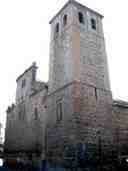
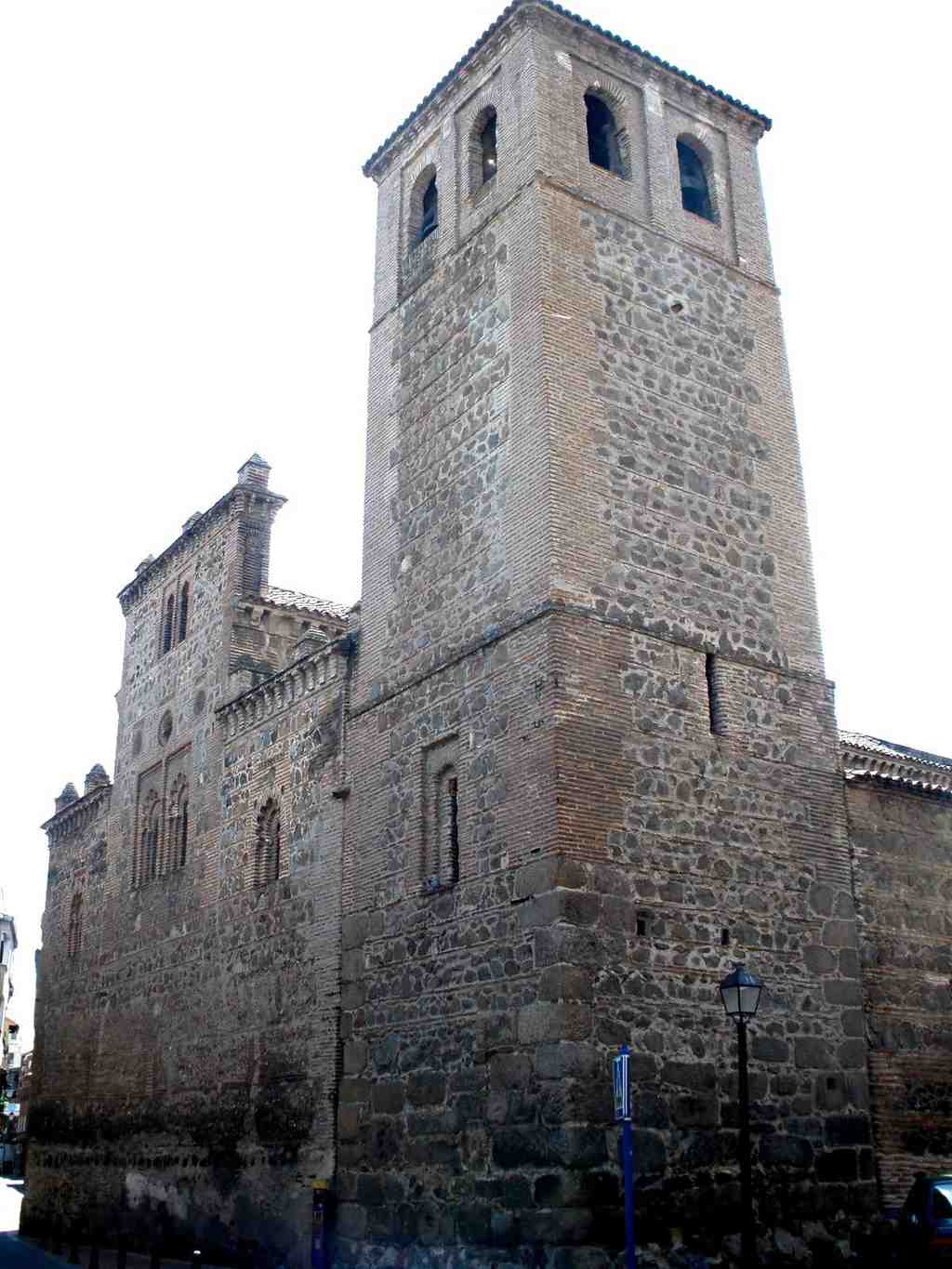
  1. To spot the Church of Santiago el Nuevo, just look for a large, fortress-like building with thick stone walls and a tall bell tower. The church stands out with its mix of sturdy…और पढ़ेंकम दिखाएँ

    To spot the Church of Santiago el Nuevo, just look for a large, fortress-like building with thick stone walls and a tall bell tower. The church stands out with its mix of sturdy grey stones and reddish-brown bricks, forming neat geometric patterns all over the facade. If you see a building that looks like it wouldn’t really mind if a medieval knight banged on its door, you’ve found it. The western facade is especially eye-catching with its rounded rose window and beautiful arches-so keep your eyes up as you walk by. Now that you’re standing in front, imagine you’re in the bustling outskirts of Talavera in the 1300s. This church was built after the 14th century, and if you listen closely… -you can almost hear the generations of townsfolk and pilgrims who’ve passed through these doors. This place isn’t just old, it’s legendary. Crafted mostly from brick, but with touches of Roman and Visigothic marble and stone scavenged from even older buildings, the church is like a patchwork quilt of Talavera’s own history. Don’t be fooled by its tough exterior-the details around the windows and doors are pure Mudejar magic. The arches are a mix: some pointed and some with multiple leaf-like lobes. It’s like the architect couldn't quite decide on a favorite! Step back and have a look at the rose window on the western facade, made with brick tracery. It’s almost a smile, winking at passersby since the days when knights and merchants filled these narrow streets. Two side doors-one north, one south-look like brick rainbows gently pointing skyward. Now, here’s a secret: there’s a Renaissance-Mudejar gallery on the south side, just waiting for you to daydream about market days and musicians bringing the old courtyard to life. And within these walls is a grand 18th-century organ-a powerhouse of sound, though, no free concerts today, I’m afraid! Famous not only for its beauty but for those who walked here, this was the parish of Juan de Ferreras-a man so scholarly he probably scared off the mice with long speeches about Spanish history. And in 1931, the whole church was protected as a National Artistic Treasure. Today, it’s recognized as a Bien de Interés Cultural-that’s Spanish for: “Hands off, this one’s ours!” So, take a moment, breathe it in. Imagine all the secrets hidden in this stonework. Now, ready for our next stop? You’re off to a great start-let’s see what other treasures Talavera has in store!

    समर्पित पेज खोलें →
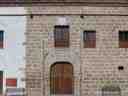
  2. Look straight ahead and you’ll spot the Palace of the Marquises of Villatoya quite easily. It’s the impressive building with a facade made from large, light-brown stone blocks,…और पढ़ेंकम दिखाएँ

    Look straight ahead and you’ll spot the Palace of the Marquises of Villatoya quite easily. It’s the impressive building with a facade made from large, light-brown stone blocks, topped by a row of small stone balls right under the tiled roof. In the very center there’s a grand wooden door with iron studs, framed by an arch of stone. On either side, you’ll notice thick columns with ribbed details and small decorative pinnacles sitting on top, almost like birthday candles that never got blown out. Now, picture yourself in a Talavera plaza, centuries back. You’re not just in front of any old building-the Palace of the Marquises of Villatoya was the home of real Spanish nobility. Back in the 15th and 16th centuries, this place was the talk of Toledo province: a perfect blend of late Gothic drama and new Renaissance style. Nobles walked through that very arch you see, cloaks sweeping, probably worrying if their hair looked regal enough for visitors. Step closer and notice the stonework-so neat you might suspect the palace was built by giants with very precise hands. The entrance is especially grand, with fluted columns and two little pinnacles above, looking a bit like fancy chess pieces. The cut-stone archway over the door almost dares you to step through and be part of history. And look up: above the door is a band of stone balls and some chunky corbels-imagine them holding up stories of parties, secrets, and maybe even a ghost or two. Far from being all glitz and glamour, this palace has lived many lives: a fancy home, a bustling center for arts and crafts before the civil war, a school, humble apartments, and sadly, it even fell into ruin. Imagine it abandoned, windows dark, the echo of footsteps from centuries past. Finally, in 1992, it was rescued, given the official title of “Cultural Interest.” Now it stands proud again, sharing its stories with anyone curious enough to stop and listen. And don't worry, standing out here, you’re in good company: the Marquises would be delighted to see their palace still catching eyes after so many centuries. Just don’t try knocking-it’s more used to nobles than tourists!

    समर्पित पेज खोलें →
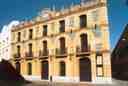
  3. Take a good look at what’s in front of you-the Victoria Theatre. Isn’t she a beauty? It almost feels like you’re about to step onto a movie set, except instead of movie stars,…और पढ़ेंकम दिखाएँ

    Take a good look at what’s in front of you-the Victoria Theatre. Isn’t she a beauty? It almost feels like you’re about to step onto a movie set, except instead of movie stars, you’re about to meet the dramatic spirit of Talavera! Imagine it’s the early 20th century. People are hurrying over in their finest outfits, little girls in flowered dresses, men with perfectly combed mustaches, everyone buzzing about the latest show. The lights flicker as the doors open, and you can almost hear the crowd shuffling inside, their voices echoing in anticipation. The Victoria Theatre has always been a spark of creativity in this city. Over the decades, it’s hosted comedies, tragedies, musical recitals, and even the occasional political meeting-those were probably dramatic in their own way! Actors sweating under the lights, the orchestra warming up, the hush just before the curtain rises... It’s enough to make you want to grab a feathered hat and audition. Here’s a fun fact: rumor has it that in the 1930s, an actor once forgot his lines in the middle of a performance but turned the moment into an improvised tap dance, making the audience laugh so hard people talked about it for weeks. Now that’s what I call a plot twist. Even today, Talavera locals flock here for plays and concerts. You can almost feel the old velvet seats waiting for stories to unfold and applause bouncing off the golden walls. So, keep your ears open-you just might hear a whisper from the past saying, “Break a leg!” Ready to head off to the next stop? I promise there’ll be less drama, unless you’re planning on breaking into song… but don’t worry, I won’t judge your singing voice!

    समर्पित पेज खोलें →
8 और स्टॉप दिखाएँकम स्टॉप दिखाएँexpand_moreexpand_less
  1. You’re now standing in front of the Town Hall of Talavera de la Reina, the heart of the city’s government and perhaps the only place where you’ll see more handshakes than in a…और पढ़ेंकम दिखाएँ

    You’re now standing in front of the Town Hall of Talavera de la Reina, the heart of the city’s government and perhaps the only place where you’ll see more handshakes than in a bakery on King’s Day. This grand building is where all the city’s most important decisions are made, from how to repair the streets to how many carnations to use on festival floats-though no word yet on a law for mandatory extra vacation days! This is the headquarters for the mayor, currently José Julián Gregorio, who was elected in 2023. Imagine the excitement in this plaza, the cheers and chatter every four years as neighbors vote to choose their city leaders. If you were a citizen here, you would join thousands of others in selecting council members-almost like a local talent show, except the prize is running the city and nobody has to sing unless someone misplaces the microphone. Look above at those elegant facades and balconies. If these walls could talk, they’d surely have endless stories about debates, celebrations, and maybe a few nervous glances before big announcements. Today, the Town Hall stands as a symbol of democracy, responsibility-and honestly, quite a few paperwork headaches for anyone who’s ever tried renewing a permit here. As you take in the lively square, imagine the Town Hall not just as a building, but as the city’s command center, where every council meeting shapes the future of Talavera. Ready for your next adventure? Let’s go where decisions can be a little less official and a lot more colorful!

    समर्पित पेज खोलें →
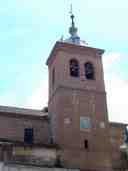
  2. Look just ahead-the building you see with its solid, reddish-brown brick walls and a sturdy bell tower reaching up to the sky, that’s the Church of San Francisco. To spot it, keep…और पढ़ेंकम दिखाएँ

    Look just ahead-the building you see with its solid, reddish-brown brick walls and a sturdy bell tower reaching up to the sky, that’s the Church of San Francisco. To spot it, keep your eyes peeled for the tall square tower with arched windows at the top, where the bells sit, waiting to ring out across the city. There are beautiful, colorful tiles decorating the walls, adding a splash of color against all that brick. The rooftop is covered in worn, curved tiles, hinting at just how old this place is. The whole church stands calmly, quietly telling stories from hundreds of years ago. Now that you’re standing right in front of it, just imagine it’s the 1500s. Talavera’s streets are full of chatter and the smells of fresh bread; the town’s buzzing with excitement, but here, among these thick walls, everything feels a lot calmer. The Church of San Francisco was built in the Herrerian style-think big, strong shapes and very little decoration, sort of like the Spanish answer to a superhero’s fortress, only older and with fewer capes involved. It’s more than just a pretty face. This church is protected as a “Bien de Interés Cultural,” which means it’s officially treasured in Spain. And its layout is a clever one: it’s shaped like a Latin cross, with most of the action centered around the main altar inside. As you walk around, you’ll see spots dedicated to different saints-there’s even a special area for Francis of Assisi himself. The church is also home to some stunning images of the Virgin Mary and other saints, so it’s like an art gallery and a place for peace all in one. If you look extra closely, you’ll spot a unique “viacrucis”-a set of hand-painted ceramic tiles, crafted by Francisco Arroyo. Each one tells a dramatic part of Jesus’s journey with more color and drama than a soap opera. Don’t forget, this church’s story was officially honored in 1993-finally getting the respect it deserved after nearly five centuries. So, take a breath, soak up the history, and try not to let the tower’s watchful bells make you jump. They haven’t rung for ghosts in years… or have they? All right, onward adventurer, let’s keep going through time!

    समर्पित पेज खोलें →
  3. Stop right there, traveler! Take a moment to soak in the atmosphere-you’re standing in front of the House-Palace on Calle del Sol. Imagine horses’ hooves clopping on the old…और पढ़ेंकम दिखाएँ

    Stop right there, traveler! Take a moment to soak in the atmosphere-you’re standing in front of the House-Palace on Calle del Sol. Imagine horses’ hooves clopping on the old cobblestone street, people rushing by in 17th-century clothes, and the sun casting dramatic shadows on these grand stone walls. This isn’t just any old house-it’s a real Baroque palace from the 1600s. Above the entrance, if you squint, you might see two mysterious stone ovals in the patio, carved to tell us when it was built and finished. Now, that’s what I call an ancient builder’s diary! But here’s the real twist: the front door has medieval pilasters, and historians aren’t sure which century those pillars really belong to… It’s like an architectural episode of “Who Wants to Be a Millionaire”-final answer: It’s old! Above the door, look for the shield on the lintel. Once, it proudly displayed the family’s coat of arms. Today it’s been replaced by a simple house number painted on a tile. Not quite Game of Thrones, but hey, at least you won’t forget the address! Look up, and you’ll see two elegant iron balconies-perfect for dramatic greetings, Juliet style, or maybe just spying on the neighbors. The white and blue ceramic tiles are classic for this era, almost echoing the famous Talavera pottery style. As you cross the doorway, you might imagine the huge wooden door creaking open, with its original iron studs. Inside, the granite pebbles on the entrance floor would crunch beneath your boots, leading to rooms where carriages were parked, and horses stabled-yes, you might’ve heard a neigh or two echoing off these very walls. The lush courtyard has two floors with wooden boards, fancy moldings, and strong columns-Toscan style below, Corinthian style above. Talk about architectural show-off! Don’t miss the staircase open to the courtyard, winding up dramatically with granite steps and a solid railing. At every bend, look for granite posts crowned by stone spheres, like silent sentinels watching your every step. If these walls could talk, they’d have endless tales-feasts, secrets, and maybe a few noisy parties. For now, though, they just listen as you pass by. Ready to move on? Let’s discover what secrets the next stop holds!

    समर्पित पेज खोलें →
  4. You’re standing right in front of Calle de Carnicerías. To spot it, look for the arched brick gateway on your left as you walk down the street-the one that looks like it’s trying…और पढ़ेंकम दिखाएँ

    You’re standing right in front of Calle de Carnicerías. To spot it, look for the arched brick gateway on your left as you walk down the street-the one that looks like it’s trying to keep a secret from the passing cars! The arch is sturdy and historic, with a crest set into the brickwork above, like an eyebrow raised in suspicion. It’s flanked by leafy trees, stretching over the road in a green tunnel, and casts dappled shadows on the pavement. This spot is perfect for a quick photo if you want to look dramatically mysterious-or just a bit medieval. Now, take a moment and imagine the hum of centuries past. Calle de Carnicerías has a story that stretches back to the days just after the first Christian conquest of Talavera. Originally, it was one of the main arteries bursting from the plaza-the heart of commerce. In fact, this street was once the superstar of local trade, with sellers shouting, deals being struck, and the smells of fresh produce and, yes, plenty of meat (it is named the “Butcher’s Street” after all) drifting through the air. The market energy must have been electric! And if the air feels thick with history, there’s a reason for that. The ancient city walls run right beside you, and this street once leaned against the backbone of old Talavera. Look at the arch again-just on the other side stood the Puerta de Sevilla, built in 1579. Imagine travelers and traders coming and going through that gateway, spilling stories and news from distant lands. This street has also worn many names-some noble, some tragic, some just plain mysterious, like “Calle del Cuerno” during the 19th century. It even became infamous during the Spanish Civil War when the city was filled with tension and sorrow. But after all the drama, the official name came back to Carnicerías in 1979, like an old friend returning home. So as you stand here now, you’re not just on a street-you’re on a crossroads of Talavera’s memory, where the ordinary and the extraordinary mix like sunlight and shade. Care for a little time travel? Ready for our next stop? Let’s keep walking!

    समर्पित पेज खोलें →
  5. To spot the Walls of Talavera de la Reina, just look ahead for a massive, rugged stone structure rising above you. You’ll see thick, old walls with a square tower on your right…और पढ़ेंकम दिखाएँ

    To spot the Walls of Talavera de la Reina, just look ahead for a massive, rugged stone structure rising above you. You’ll see thick, old walls with a square tower on your right and an arched gateway to your left. The stones might look a bit uneven, some with reddish bricks, showing how different periods added their own touch. The walls stretch along the path, so you can’t miss them-just follow the line of ancient rocks and the shadows they cast. Alright, welcome to one of Talavera’s most impressive survivors: the city walls! Go ahead and imagine yourself as a medieval guard, peeking out from these very stones, squinting at the horizon for a sign of invading armies. These walls are nearly a thousand years old. They were first built by order of Abderramán III back in the 9th and 10th centuries-so you’re literally standing in the shadow of history! Can you feel the weight of the stone? Some of these rocks were borrowed from the Romans, and if you listen close enough, maybe the walls are trying to whisper their stories. Every time the city changed hands-from Romans to Visigoths to Muslims and then Christians-someone added their own layer. That’s like historical lasagna-just with a lot more stone and a lot less cheese. Look at the towers, square and semi-circular, gripping the wall like fists bracing for battle. The oldest ones have been here since the 800s! Later on, the Christians built extra towers in the 13th and 14th centuries, making this place almost impossible to sneak into. Unless, of course, you’re a cat on a mission. Picture the scene centuries ago, crowds of travelers and merchants trying to get through one of the city gates-Puerta de San Pedro, Puerta de Mérida, Puerta del Sol-none of which survived, sadly. Some gates are remembered only in street names, while others disappeared when people fancied having more open streets. Urban planning, medieval style! What’s left is still impressive: out of 17 towers, 8 are still here, serious and silent. You can still find bits of the older enclosures along nearby streets, and even discover reused Roman tombstones in the stonework. It’s like walking through a jigsaw puzzle where every piece has its own legend. So as you stand here, let yourself imagine the echo of footsteps on cobblestones, the distant call from a tower, and all the lives this wall has seen go by. Next stop: the Old Bridge, just ahead-let’s cross into the next chapter! For further insights on the first enclosure, second and third enclosures or the the doors of the enclosures, feel free to navigate to the chat section below and inquire.

    समर्पित पेज खोलें →
  6. Look straight ahead, and you’ll see a striking building made from reddish-brown brick, with beautiful curving shapes and little spires on top. That’s the Ruiz de Luna Ceramics…और पढ़ेंकम दिखाएँ

    Look straight ahead, and you’ll see a striking building made from reddish-brown brick, with beautiful curving shapes and little spires on top. That’s the Ruiz de Luna Ceramics Museum! Notice the sturdy, old wooden doors and the two parts of the building - one has a more grand entrance, while the other section feels like it’s guarding its secrets behind thick brickwork. If you hear your footsteps echoing on the cobbles, you’re in just the right spot. Now that you’re here, imagine you’ve stepped back in time: the sixteenth-century walls around you were once filled with the hush of monks from the Order of Augustinian Recollects. Later, bits of clay and bursts of laughter took over, when it became home to the incredible ceramics workshop of Juan Ruiz de Luna. This museum was actually born from Ruiz de Luna’s passion. He started it to show off his own deliciously colorful ceramics, and after he passed away, the city took over. The museum moved here in 1996, so you’re standing at the crossroads of centuries - between holy hush and the joyful clatter of pottery wheels. Step closer and you might catch a whiff of old stone and maybe even the faintest memory of wet clay. Inside, you’ll discover an amazing treasure trove: gleaming tiles, plates, and vases that tell the story of Talavera’s artistry. Some of these designs were shaped by Roman and Arab hands, centuries ago! Others sparkle with the gold and blues of the city’s glory days in the 1400s and 1500s, and then there are more modern pieces, like those made by Ruiz de Luna himself, determined to bring Talavera’s ceramics back into the spotlight. That’s devotion - and a little bit of stubbornness, too. And keep your eyes peeled! The museum even has objects dug up when this very building was restored - little mysteries from under your feet. There’s a corner for Mexican ceramics too, showing off how Talavera’s creative spirit traveled across the sea. Alright, take it all in - the grand old brick, the air of ancient secrets, and whispers of artists who refused to let Talavera’s pottery fade away. Ready to move on? Let’s keep our adventure rolling!

    समर्पित पेज खोलें →
  7. Look ahead for a large, impressive stone building with a mix of colors: sandy beige walls, deep reddish rooftops, and a rounded dome that rises up above everything else. It stands…और पढ़ेंकम दिखाएँ

    Look ahead for a large, impressive stone building with a mix of colors: sandy beige walls, deep reddish rooftops, and a rounded dome that rises up above everything else. It stands behind palm trees and smaller white and red-roofed structures, so you might need to look up and past the leaves to catch it in full view. It has thick walls with old marks and cracks-a real survivor! You’ll see tall spires and a grand, almost fortress-like presence that definitely says, “I’ve got stories to tell.” Alright, here you are standing in front of the Colegio de San Prudencio, though calling it just a ‘school’ is like calling the ocean a puddle! This is actually a whole complex: monastery, church, and college-all bundled together and wrapped up in history. Picture it: It's the late 1300s, and Archbishop Pedro Tenorio decides to plant a monastery here. Imagine monks swirling about, their footsteps echoing through square courtyards with archways in the classic gothic style. The church was started in 1455-yes, that's older than most vampire stories-and took more than a decade to finish. At one point, the new chapel was so close to collapse they called in the legendary architect Juan de Herrera to save the day. Spoiler alert: he succeeded… mostly. Some of the giant cracks he couldn’t quite fix are still there, so if you’re feeling brave, peek inside and see if you can spot a bit of medieval “oops!” Back then, the inside was all about hushed voices, flickering candlelight, and the sound of the choir singing from high above-up a special staircase that almost floats, glued only to the wall. Over time, the place changed hands so often it could give you whiplash! Monks ruled the roost until the 1800s, then came the Jesuits, and finally, in 1909, a foundation turned it into a home and school for poor children. So while its stones are ancient, its heart has always been about shelter-protecting souls from rain, hardship, and even a little architectural drama. Stand here for a second and try to imagine the smells: old stone mixed with incense, maybe a touch of chalk dust and children’s laughter drifting from the classrooms. Even the walls seem to whisper secrets. So yes, the Colegio de San Prudencio isn’t just a building, or even a group of buildings-it’s a living memory of Talavera, standing tall through crack, collapse, and centuries of change!

    समर्पित पेज खोलें →
  8. Look ahead and you’ll spot the Old Bridge stretching across the Tajo River. Picture a series of big, sturdy stone arches sitting close to the water, with plants and grass…और पढ़ेंकम दिखाएँ

    Look ahead and you’ll spot the Old Bridge stretching across the Tajo River. Picture a series of big, sturdy stone arches sitting close to the water, with plants and grass sometimes peeking from the cracks. Its stones look patchy, almost like a giant medieval tapestry that’s been repaired-because, believe it or not, each arch is a bit different. If you see those mismatched arches forming a long, gentle hump over the river, you’re in the right spot! Now, take in the view and imagine you’re standing where merchants, travelers, and even the odd sheep once crossed for centuries. This bridge is officially called the “Puente Viejo,” but locals, with a wink and a shrug, often call it the “Bridge of a Thousand Patches.” And with all its repairs, you can see why. It’s got the proud wrinkles of someone who’s lived through a lot-floods, repairs, arguments over who should pay for the next patch-up job, even shaky planks and boats filling in the gaps when things got rough! What’s wild is that under these medieval bricks and stones, there are parts built on old Roman foundations. So when you step onto the bridge, you’re treading where Roman sandals once clacked and where carts rolled over the stones, carrying who-knows-what into old Talavera. You know, if this bridge could talk, it’d probably complain about aching arches-but also tell a few heroic tales. Imagine the winters of 1625 and 1626, when floods smashed bits of the bridge and everyone scrambled to fix it with whatever money they could scrounge up. Even archbishops got involved in chipping in, and left their mark right here, in the form of a heraldic shield over one arch nicknamed the “Arch of Arms.” I bet the bridge secretly enjoyed all the drama. For a long time, the poor thing was so battered that people worked around it-laying down temporary boards, even rowing by boat across the broken sections. You’d think it was a never-ending trampoline of repairs, and the old bridge would creak and sigh during every patch job. Today, luckily, the Old Bridge doesn’t have to deal with thundering carts or heavy traffic. It’s just you, the sound of water, maybe a few cyclists or walkers, and the feeling of centuries running deep underfoot. So, pause for a moment, close your eyes, and listen for echoes of old footsteps-or the faint grumbling of the bridge, hoping for a little peace and quiet at last.

    समर्पित पेज खोलें →

अक्सर पूछे जाने वाले प्रश्न

मैं टूर कैसे शुरू करूँ?

ख़रीदारी के बाद, AudaTours ऐप डाउनलोड करें और अपना रिडेम्पशन कोड दर्ज करें। टूर तुरंत शुरू करने के लिए तैयार होगा - बस प्ले टैप करें और GPS-गाइडेड रूट का पालन करें।

क्या टूर के दौरान मुझे इंटरनेट चाहिए?

नहीं! शुरू करने से पहले टूर डाउनलोड करें और पूरी तरह ऑफ़लाइन इसका आनंद लें। केवल चैट फ़ीचर को इंटरनेट की ज़रूरत है। मोबाइल डेटा बचाने के लिए WiFi पर डाउनलोड करने की सिफ़ारिश है।

क्या यह एक गाइडेड ग्रुप टूर है?

नहीं - यह एक सेल्फ-गाइडेड ऑडियो टूर है। आप अपनी गति से स्वतंत्र रूप से खोजते हैं, आपके फ़ोन से ऑडियो कथन बजता है। कोई टूर गाइड नहीं, कोई ग्रुप नहीं, कोई शेड्यूल नहीं।

टूर में कितना समय लगता है?

अधिकांश टूर पूरा करने में 60-90 मिनट लगते हैं, लेकिन गति पूरी तरह आपके नियंत्रण में है। जब चाहें रुकें, स्टॉप छोड़ें, या ब्रेक लें।

अगर मैं आज टूर पूरा नहीं कर सकता/सकती तो?

कोई समस्या नहीं! टूर की लाइफ़टाइम एक्सेस है। जब चाहें रोकें और फिर शुरू करें - कल, अगले हफ़्ते, या अगले साल। आपकी प्रगति सेव रहती है।

कौन सी भाषाएँ उपलब्ध हैं?

सभी टूर 50+ भाषाओं में उपलब्ध हैं। अपना कोड रिडीम करते समय अपनी पसंदीदा भाषा चुनें। नोट: टूर जेनरेट होने के बाद भाषा बदली नहीं जा सकती।

ख़रीदारी के बाद मैं टूर कहाँ एक्सेस करूँ?

App Store या Google Play से मुफ़्त AudaTours ऐप डाउनलोड करें। अपना रिडेम्पशन कोड (ईमेल द्वारा भेजा गया) दर्ज करें और टूर आपकी लाइब्रेरी में दिखेगा, डाउनलोड और शुरू करने के लिए तैयार।

verified_user
संतुष्टि गारंटी

अगर आपको टूर पसंद नहीं आया, तो हम आपकी ख़रीदारी वापस करेंगे। हमसे संपर्क करें [email protected]

सुरक्षित चेकआउट

Apple PayGoogle PayVisaMastercardPayPal

AudaTours: ऑडियो टूर

मनोरंजक, किफ़ायती, सेल्फ-गाइडेड वॉकिंग टूर

ऐप आज़माएँ arrow_forward

दुनिया भर के यात्रियों द्वारा पसंद

format_quote शहर को देखने का यह बहुत अच्छा तरीका था। कहानियाँ रोचक थीं बिना ज़्यादा स्क्रिप्टेड लगे, और मुझे अपनी गति से खोजने का बहुत मज़ा आया।
Jess
Jess
starstarstarstarstar
Tbilisi टूर arrow_forward
format_quote बिना पर्यटक जैसा महसूस किए Brighton को जानने का यह एक शानदार तरीका था। कथन में गहराई और संदर्भ था, लेकिन ज़रूरत से ज़्यादा नहीं।
Christoph
Christoph
starstarstarstarstar
Brighton टूर arrow_forward
format_quote इस टूर की शुरुआत एक हाथ में क्रोसॉन्ट और शून्य उम्मीदों के साथ की। ऐप बस आपके साथ बहता है, कोई दबाव नहीं, बस आप, आपके हेडफ़ोन, और कुछ बढ़िया कहानियाँ।
John
John
starstarstarstarstar
Marseille टूर arrow_forward

अनलिमिटेड ऑडियो टूर

दुनिया भर के हर टूर तक पहुँच अनलॉक करें

0 टूर·0 शहर·0 देश
all_inclusive अनलिमिटेड खोजें