
50+ languages

 अराद · रोमानिया
 अराद Audio Tours
Discover अराद with self-guided audio walking tours
headphones
1 tours
pin_drop
20 landmarks
translate
Top landmarks
The अराद everyone knows.
The landmarks in every guidebook — and the tours that tell you what guidebooks don't.
A few words on अराद
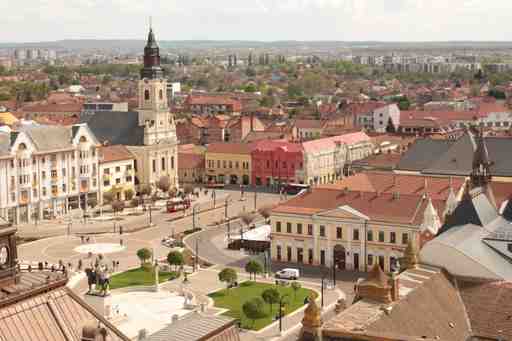
Habsburg grandeur on Romania's forgotten boulevard
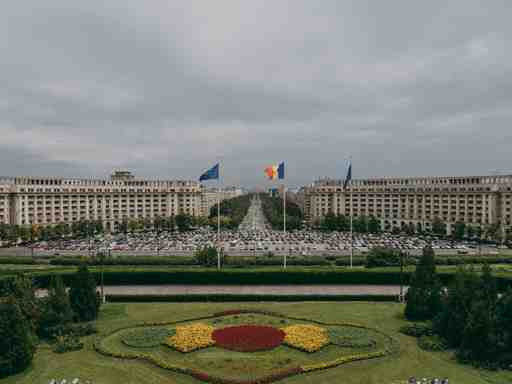
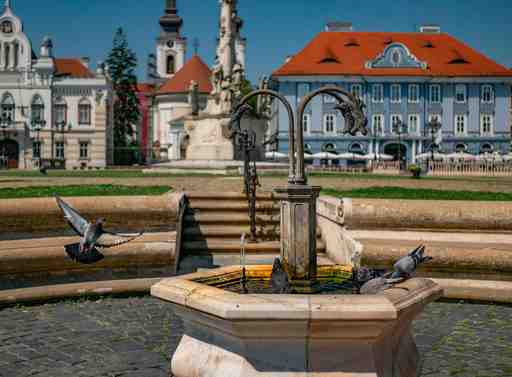
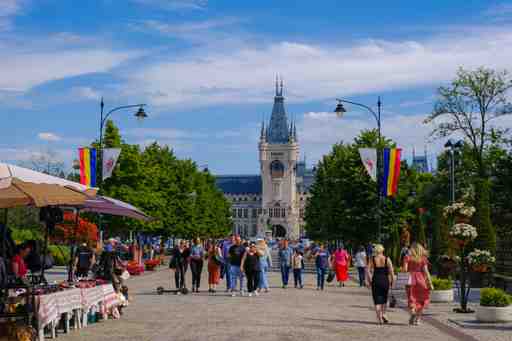
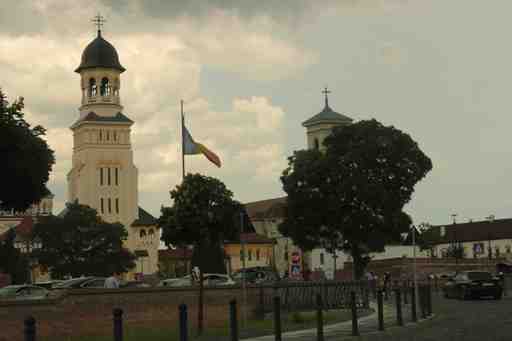
Arad spent the better part of three centuries under Habsburg rule, and the Austro-Hungarian Empire left its signature all over the city center before the borders shifted westward in 1920 and Arad became Romanian. Bulevardul Revolutiei, the main boulevard, is lined with Art Nouveau and Secessionist facades built in the late 19th and early 20th centuries that draw genuine comparisons to Vienna or Prague, though Arad attracts a fraction of those cities' visitors. The Neuman Palace, the Palace of Culture completed in 1913, and the city hall from 1876 represent three different architectural moments in a single compact downtown.
The city has an older and darker layer beneath the Habsburg veneer.
The Ottoman Empire controlled Arad from 1551 to 1699, using it as a significant garrison and trading post along the Mures River. The Arad Fortress, built by the Habsburgs in the 18th century in the shape of a six-pointed star and now partially accessible, held the 13 Hungarian generals executed here after the failed 1848 revolution, an event commemorated by a large monument and still felt in the Hungarian minority's relationship to the city.
अराद
अराद FAQ
Before you walk.
Every अराद tour, in your language.
All 50+ languages, included with every booking.
🇬🇧 English🇫🇷 Français🇪🇸 Español🇩🇪 Deutsch🇮🇹 Italiano🇯🇵 日本語🇨🇳 中文🇰🇷 한국어+ 41 more
star AudaTours Unlimited
Visiting more than one city? Subscribe.
Unlock every अराद tour — plus thousands more worldwide. Cancel any time.
$4.99/week · Cancel anytime



Loved by travellersThousands of tours started.
Thousands of tours started.
Plenty of opinions.
4.8 across the App Store and Google Play. Here's a few we keep coming back to.
starstarstarstarstar
This tour was such a great way to see the city. The stories were interesting without feeling too scripted, and I loved being able to explore at my own pace.

Jess
Tbilisi Tourstarstarstarstarstar
This was a solid way to get to know Brighton without feeling like a tourist. The narration had depth and context, but didn't overdo it.

Christoph
Brighton Tourstarstarstarstarstar
Started this tour with a croissant in one hand and zero expectations. The app just vibes with you, no pressure, just you, your headphones, and some cool stories.

John
Marseille Tourdownload Get the app Pop your headphones in.


Pop your headphones in.
Step outside.
Free to download. Tours in every city. Start in 60 seconds — no account, no card.

headphones
~ 4 min until your first tour starts
public
1,000+ cities worldwide
all_inclusive
AudaTours
Unlimited
Every tour. Every city. One subscription.
3096 tours2272 cities138 countries50+ languages
$39 /year
all_inclusive Explore Unlimited