
50+ languages

 डांस्क · पोलैंड
 डांस्क Audio Tours
Discover डांस्क with self-guided audio walking tours
headphones
2 tours
pin_drop
20 landmarks
translate
Top landmarks
The डांस्क everyone knows.
The landmarks in every guidebook — and the tours that tell you what guidebooks don't.
A few words on डांस्क
Where World War II started, and communism began to end.
Gdansk was first documented in 997 AD when Saint Adalbert of Prague passed through a settlement at the Baltic coast. It became one of the great Hanseatic ports, exporting grain and timber through the Middle Ages at a scale that made it one of the wealthiest cities in northern Europe. Then history took turns that few other cities have experienced as intensely: Prussian annexation in 1793, then the Free City of Danzig under League of Nations oversight from 1920, then the German invasion on September 1, 1939, which began at the Westerplatte military transit depot at the city's harbour. World War II started here, at a garrison that held out for seven days before surrendering.
By March 1945, 90 percent of the city centre had been destroyed.
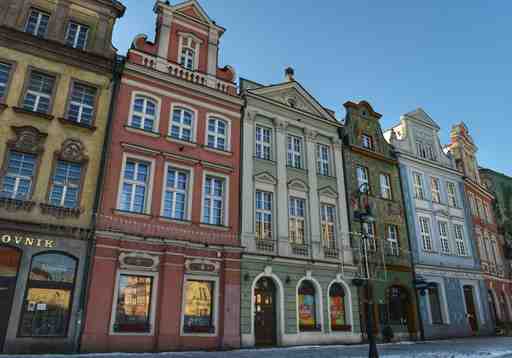
The Poles who moved in after the war rebuilt the old town brick by brick from 17th-century engravings, creating a reconstruction so complete that visitors often assume the Long Lane, the Artus Court, and the massive Gothic facade of St Mary's Church are original. St Mary's is one of the largest brick churches in the world, capable of holding 25,000 people. The Medieval crane on the waterfront, the Zuraw, was rebuilt and still works. Neptune's Fountain in the Long Market is original.
डांस्क
डांस्क FAQ
Before you walk.
Every डांस्क tour, in your language.
All 50+ languages, included with every booking.
🇬🇧 English🇫🇷 Français🇪🇸 Español🇩🇪 Deutsch🇮🇹 Italiano🇯🇵 日本語🇨🇳 中文🇰🇷 한국어+ 41 more
star AudaTours Unlimited
Visiting more than one city? Subscribe.
Unlock every डांस्क tour — plus thousands more worldwide. Cancel any time.
$4.99/week · Cancel anytime

More in पोलैंड
Explore पोलैंड arrow_forwardOther cities to walk in पोलैंड.


Loved by travellersThousands of tours started.
Thousands of tours started.
Plenty of opinions.
4.8 across the App Store and Google Play. Here's a few we keep coming back to.
starstarstarstarstar
This tour was such a great way to see the city. The stories were interesting without feeling too scripted, and I loved being able to explore at my own pace.

Jess
Tbilisi Tourstarstarstarstarstar
This was a solid way to get to know Brighton without feeling like a tourist. The narration had depth and context, but didn't overdo it.

Christoph
Brighton Tourstarstarstarstarstar
Started this tour with a croissant in one hand and zero expectations. The app just vibes with you, no pressure, just you, your headphones, and some cool stories.

John
Marseille Tourdownload Get the app Pop your headphones in.


Pop your headphones in.
Step outside.
Free to download. Tours in every city. Start in 60 seconds — no account, no card.

headphones
~ 4 min until your first tour starts
public
1,000+ cities worldwide
all_inclusive
AudaTours
Unlimited
Every tour. Every city. One subscription.
3096 tours2272 cities138 countries50+ languages
$39 /year
all_inclusive Explore Unlimited