
50+ languages

 वियनतियाने · लाओस
 वियनतियाने Audio Tours
Discover वियनतियाने with self-guided audio walking tours
headphones
1 tours
pin_drop
15 landmarks
translate
Top landmarks
The वियनतियाने everyone knows.
The landmarks in every guidebook — and the tours that tell you what guidebooks don't.
A few words on वियनतियाने
The quietest capital city you will ever walk through.
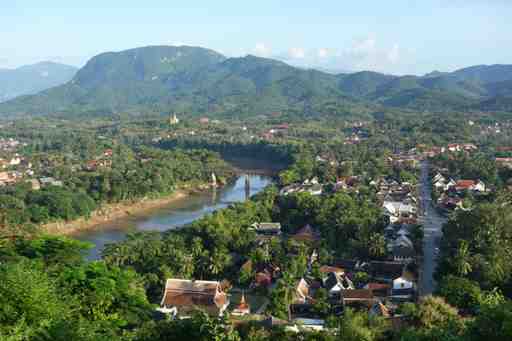
Vientiane sits on the banks of the Mekong River, looking across at Thailand, and has the relaxed pace of a provincial town despite being the capital of Laos. That quality is not accidental. The city was sacked and nearly erased by the Siamese in 1828, leaving only ruins, and much of what exists today was built or rebuilt in the French colonial era and in the decades since 1975 when the communist Pathet Lao took power. The main boulevard, Lane Xang Avenue, was modelled on the Champs-Elysees, and at its end stands Patuxai, a Victory Gate that residents call the vertical runway because it was built using cement meant for a new airport.
The most important sight is Pha That Luang, the Great Golden Stupa built first in the 16th century by King Setthathirath and considered the national symbol of Laos.
It is entirely different from the monastery complexes of Bangkok or Angkor, a singular golden tower rising from its own compound that at sunset turns a deep amber. Wat Si Saket, which survived the 1828 destruction because the Siamese used it as their headquarters, has thousands of tiny Buddha images in niches around its cloister walls, a quantity that makes a strange impression. Vientiane is a city for people who like their history without crowds.
वियनतियाने
वियनतियाने FAQ
Before you walk.
Every वियनतियाने tour, in your language.
All 50+ languages, included with every booking.
🇬🇧 English🇫🇷 Français🇪🇸 Español🇩🇪 Deutsch🇮🇹 Italiano🇯🇵 日本語🇨🇳 中文🇰🇷 한국어+ 41 more
star AudaTours Unlimited
Visiting more than one city? Subscribe.
Unlock every वियनतियाने tour — plus thousands more worldwide. Cancel any time.
$4.99/week · Cancel anytime

More in लाओस
Explore लाओस arrow_forwardOther cities to walk in लाओस.

Loved by travellersThousands of tours started.
Thousands of tours started.
Plenty of opinions.
4.8 across the App Store and Google Play. Here's a few we keep coming back to.
starstarstarstarstar
This tour was such a great way to see the city. The stories were interesting without feeling too scripted, and I loved being able to explore at my own pace.

Jess
Tbilisi Tourstarstarstarstarstar
This was a solid way to get to know Brighton without feeling like a tourist. The narration had depth and context, but didn't overdo it.

Christoph
Brighton Tourstarstarstarstarstar
Started this tour with a croissant in one hand and zero expectations. The app just vibes with you, no pressure, just you, your headphones, and some cool stories.

John
Marseille Tourdownload Get the app Pop your headphones in.


Pop your headphones in.
Step outside.
Free to download. Tours in every city. Start in 60 seconds — no account, no card.

headphones
~ 4 min until your first tour starts
public
1,000+ cities worldwide
all_inclusive
AudaTours
Unlimited
Every tour. Every city. One subscription.
3096 tours2272 cities138 countries50+ languages
$39 /year
all_inclusive Explore Unlimited