
50+ languages

 रियो डी जनेरियो · ब्राज़ील
 रियो डी जनेरियो Audio Tours
Discover रियो डी जनेरियो with self-guided audio walking tours
headphones
2 tours
pin_drop
20 landmarks
translate
Top landmarks
The रियो डी जनेरियो everyone knows.
The landmarks in every guidebook — and the tours that tell you what guidebooks don't.
A few words on रियो डी जनेरियो
Mountains in the city, ocean at its feet, and an appetite for spectacle.
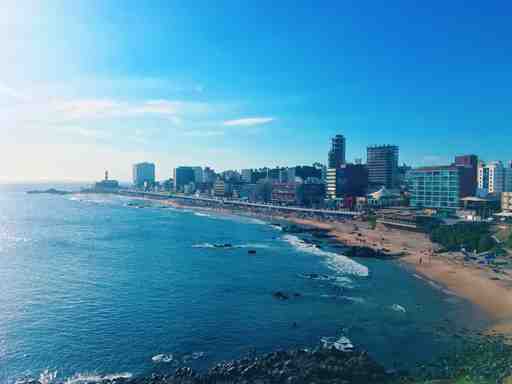
Rio de Janeiro was founded on March 1, 1565, by Portuguese explorer Estacio de Sa on a bay so sheltered and so beautiful that European sailors had assumed for decades it was the mouth of a great river. They named it River of January. The surrounding geography is freakish in its drama: the granite peaks of Corcovado (with Christ the Redeemer at 710 meters, completed 1931) and Sugarloaf Mountain at the mouth of the bay frame a city built on the narrow strips of land between mountains and ocean. The beaches of Copacabana, Ipanema, and Leblon are not incidental to Rio; they are where the city conducts much of its public life.
From 1808 to 1821, Rio was something unprecedented: the capital of a European monarchy operating from its colony.
The Portuguese royal court, fleeing Napoleon's invasion, established here the National Library, the Military Academy, the Botanical Garden, and the Imperial Academy of Fine Arts. The city became what only capitals can become, the place where institutions accumulate and architecture states intentions. The Valongo Wharf, now a UNESCO World Heritage Site, received between 500,000 and one million enslaved Africans between 1811 and 1831, making it the largest port of entry for enslaved people in the Americas. Both histories belong to the same city.
रियो डी जनेरियो
रियो डी जनेरियो FAQ
Before you walk.
Every रियो डी जनेरियो tour, in your language.
All 50+ languages, included with every booking.
🇬🇧 English🇫🇷 Français🇪🇸 Español🇩🇪 Deutsch🇮🇹 Italiano🇯🇵 日本語🇨🇳 中文🇰🇷 한국어+ 41 more
star AudaTours Unlimited
Visiting more than one city? Subscribe.
Unlock every रियो डी जनेरियो tour — plus thousands more worldwide. Cancel any time.
$4.99/week · Cancel anytime





Loved by travellersThousands of tours started.
Thousands of tours started.
Plenty of opinions.
4.8 across the App Store and Google Play. Here's a few we keep coming back to.
starstarstarstarstar
This tour was such a great way to see the city. The stories were interesting without feeling too scripted, and I loved being able to explore at my own pace.

Jess
Tbilisi Tourstarstarstarstarstar
This was a solid way to get to know Brighton without feeling like a tourist. The narration had depth and context, but didn't overdo it.

Christoph
Brighton Tourstarstarstarstarstar
Started this tour with a croissant in one hand and zero expectations. The app just vibes with you, no pressure, just you, your headphones, and some cool stories.

John
Marseille Tourdownload Get the app Pop your headphones in.


Pop your headphones in.
Step outside.
Free to download. Tours in every city. Start in 60 seconds — no account, no card.

headphones
~ 4 min until your first tour starts
public
1,000+ cities worldwide
all_inclusive
AudaTours
Unlimited
Every tour. Every city. One subscription.
3096 tours2272 cities138 countries50+ languages
$39 /year
all_inclusive Explore Unlimited