
50+ langues

 Olsztyn · Pologne
 Audioguides Olsztyn
Découvrez Olsztyn avec des tours à pied audioguidés en autonomie
headphones
1 tours
pin_drop
20 monuments
translate
Monuments incontournables
Le Olsztyn que tout le monde connaît.
Les monuments de tous les guides — et les tours qui te racontent ce que les guides taisent.
Quelques mots sur Olsztyn
Copernicus Lived Here and Left His Equations on the Wall
From 1516 to 1521, Nicolaus Copernicus administered the castle at Olsztyn for the Warmia cathedral chapter, and when Teutonic Knights besieged the city in 1520 he organized its defense successfully. During those years, working out the details of what would eventually become his heliocentric theory, Copernicus scratched an astronomical table directly into the plaster of the castle cloister wall. It is the only surviving astronomical instrument he made with his own hands, and it remains there today in the same corridor where he worked.
The city was founded by the Teutonic Knights in 1348 as Allenstein, and after the Partitions of Poland in 1772 it became thoroughly German, returning to Poland only in 1945 after World War II.
The transition was violent and complete: the German population fled or was expelled, and Polish settlers, many displaced from Lwow and Wilno in the east, moved into a city they had to rebuild and make their own. The result is a place with medieval Teutonic architecture, a Polish identity formed within living memory, and a castle courtyard bearing the actual handwriting of the astronomer who moved the Earth.
Olsztyn
Olsztyn FAQ
Before you walk.
Tous les tours de Olsztyn, dans ta langue.
50+ langues, incluses avec chaque réservation.
🇬🇧 English🇫🇷 Français🇪🇸 Español🇩🇪 Deutsch🇮🇹 Italiano🇯🇵 日本語🇨🇳 中文🇰🇷 한국어+ 41 autres
star AudaTours Unlimited
Tu visites plus d'une ville ? Abonne-toi.
Débloque tous les tours de Olsztyn — et des milliers d'autres partout dans le monde. Annule quand tu veux.
$4.99/semaine · Annule quand tu veux

Encore en Pologne
Explorer Pologne arrow_forwardD'autres villes à parcourir en Pologne.


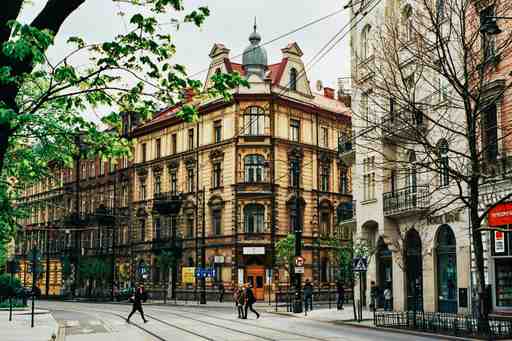
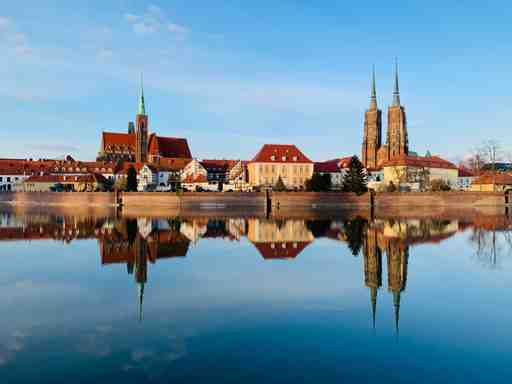

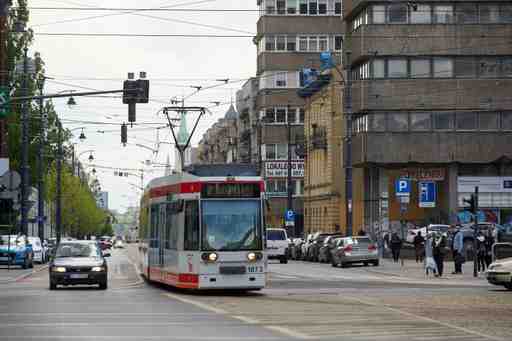
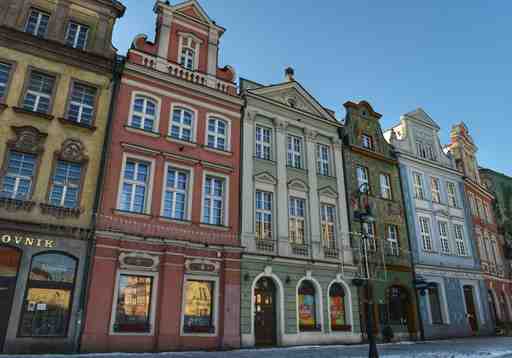
Adoré par les voyageurs du monde entierDes milliers de tours commencés.
Des milliers de tours commencés.
Plein d'avis.
4,8 sur l'App Store et Google Play. En voici quelques-uns qu'on adore relire.
starstarstarstarstar
Ce tour était un excellent moyen de voir la ville. Les histoires étaient intéressantes sans paraître trop scénarisées, et j'ai adoré pouvoir explorer à mon propre rythme.

Jess
Tour de Tbilissistarstarstarstarstar
C'était un bon moyen de découvrir Brighton sans se sentir comme un touriste. La narration était profonde et contextuelle, sans en faire trop.

Christoph
Tour de Brightonstarstarstarstarstar
J'ai commencé ce tour avec un croissant dans une main et zéro attente. L'application vibre tout simplement avec vous, pas de pression, juste vous, vos écouteurs et quelques histoires sympas.

download Télécharger l'appli Mets tes écouteurs.


Mets tes écouteurs.
Sors te promener.
Gratuit à télécharger. Des tours dans chaque ville. Commence en 60 secondes — sans compte, sans carte.

headphones
~ 4 min avant ton premier tour
public
1 000+ villes dans le monde
all_inclusive
AudaTours
Unlimited
Chaque visite. Chaque ville. Un abonnement.
3096 tours2272 villes138 pays50+ langues