
Colorado Springs Audiotour: Kunst, Geist & Champions in den Wahrzeichen der Innenstadt
Unter der Pracht des Cheyenne Mountain birgt Colorado Springs Geheimnisse, die zwischen Galeriescheinwerfern und schattigen Gassen flimmern. Entdecken Sie die unsichtbare Seite der Stadt mit einer selbstgeführten Audiotour, die Geschichten und Sehenswürdigkeiten enthüllt, die die meisten Besucher verpassen – wo Kunst, Skandal und Ehrgeiz auf historischen Straßen aufeinandertreffen. Welche unausgesprochene Spannung erschütterte einst die Bühne des Pikes Peak Centers und änderte über Nacht das Schicksal einer Stadt? Welche verbotene Romanze fegte durch die eleganten Hallen des Boulder Crescent Place Historic District? Warum treibt ein verborgener Pinselstrich im Fine Arts Center Kunstdetektive noch Jahrzehnte später in den Wahnsinn? Verfolgen Sie den Aufstieg und die Rebellion von Visionären und Außenseitern. Jeder Schritt zieht Sie tiefer in Legenden, Verrat und Momente, die die Seele dieser Stadt prägten. Spüren Sie das Drama unter Ihren Füßen vibrieren, während vergessene Flüstern Block für Block lebendig werden. Bereit, unter die Oberfläche zu blicken und die dramatischsten Geheimnisse von Colorado Springs für sich zu entdecken? Ihr Abenteuer beginnt jetzt.
Tourvorschau
Über diese Tour
- scheduleDauer 30–50 minsEigenes Tempo
- straighten4.3 km FußwegDem geführten Pfad folgen
- location_onStandortColorado Springs, Vereinigte Staaten
- wifi_offFunktioniert offlineEinmal herunterladen, überall nutzen
- all_inclusiveLebenslanger ZugriffJederzeit wiederholen, für immer
- location_onStartet bei Colorado Springs Fine Arts Center
Stopps auf dieser Tour
You’ll spot the Colorado Springs Fine Arts Center by its towering, boxy facade made of pale, smooth concrete and its series of dramatic, vertical windows framed by five deep-set…Mehr lesenWeniger anzeigen
You’ll spot the Colorado Springs Fine Arts Center by its towering, boxy facade made of pale, smooth concrete and its series of dramatic, vertical windows framed by five deep-set columns-just look for an impressive modern block with colorful mural panels above each doorway. Now, while you’re standing here, imagine stepping back in time to 1936, right in the middle of the Great Depression. The city is alive with excitement as workers, newly employed by this grand project, swarm the construction site. You can almost hear the sound of hammers on concrete, echoing across the empty block. Alice Bemis Taylor, a passionate philanthropist with a big dream, has just poured in $600,000 to build this arts center-and, just for good measure, she throws in another $400,000 to make sure art keeps flowing here for generations. In an era when money was tight and spirits were low, Taylor imagined a place where absolutely anyone could find inspiration. No tickets, no gates, just art-everywhere. She filled the center not only with her collections of Indian, Hispanic, and Americana treasures, but also with the hope that people of all walks of life could step inside and find something magical. But magic isn’t just inside! Architect John Gaw Meem designed this building as an epic mashup of styles. Picture sturdy Pueblo massing, like a desert fortress, but with sharp, modernist lines and flashes of Art Deco. The result is what folks call “Santa Fe Style”-so uniquely Southwestern, yet futuristic for its day, that it even won a silver medal at the Fifth Quadrennial Pan American Congress of Architecture in 1940. Back then, when the doors first swung open, the stars came out to play-or at least, to perform! Inside, the legendary Martha Graham took to the stage for a haunting, unforgettable dance. Frank Lloyd Wright, not one to miss an architectural party, gave a talk about the building’s design. And there was music, drama, and even an opera complete with life-sized marionettes-talk about a grand opening! To this day, the Fine Arts Center keeps buzzing with creativity: galleries packed with pieces by the likes of John Singer Sargent, Georgia O’Keeffe, and Ansel Adams, plus shimmering Dale Chihuly chandeliers that dangle like glassy icicles. If you peek through the windows, you might catch rehearsals from the theatre company or artists deep in concentration in the Bemis School of Art. With sweeping views toward Monument Valley Park and Pikes Peak in the distance, this building is more than just concrete and glass-it’s a living, breathing tribute to culture and community. Still firmly anchored on the edge of Colorado College, and now officially part of the campus, the center’s walls carry all the stories, laughter, and inspiration of almost a century. So, take a deep breath and soak in the history. Whether you’re a lover of paintings, music, theater, or just great stories, this is a place where art truly belongs to everyone-and where the next masterpiece might be imagined by someone just like you. Curious about the description, arts center or the theater? Don't hesitate to reach out in the chat section for additional details.
Eigene Seite öffnen →To spot Cutler Hall, look straight ahead for a striking stone building with pointed Gothic arches, tall narrow windows, and a bell tower perched proudly on its rooftop. Welcome…Mehr lesenWeniger anzeigen
To spot Cutler Hall, look straight ahead for a striking stone building with pointed Gothic arches, tall narrow windows, and a bell tower perched proudly on its rooftop. Welcome to Cutler Hall, the oldest survivor of Colorado College-this stone giant has more stories than your average campus tour guide, and trust me, I’ve had some long-winded colleagues! Imagine it’s the late 1800s: tumbleweeds drift by, horse hooves echo on unpaved roads, and on this very ground stands the brand-new “College”-not just a building, but an entire campus under one roof: classrooms, library, auditorium, even a chemistry lab that made local prospectors think, “maybe I should know what’s actually in these rocks.” When you look at the impressive Gothic spires, think about the strain and suspense the builders felt trying to get it all together. The story goes that construction slowed to a crawl at one point as money ran out faster than a student dodging finals, until William Jackson Palmer-railroad baron, city founder, and, apparently, superhero-rode in with funding. So, every stone locked in place was a little victory for determination and belief in education. For decades, this was the beating heart of student life: the science classes filled with early “mad scientists,” including those eager to play with the latest and strangest new tech-x-ray photography! Metallurgy and assaying attracted rough-and-ready miners, while future artist Artus Van Briggle poked around the earth for local clay, destined to become world-famous pottery. And up on the roof, the bell rang out to call students to class or to rabble-rouse after athletic wins. During World War II’s end, imagine that bell being rung so hard by Marine students that it fell and couldn't be fixed. No worries, the Navy lent a bell from the U.S.S. Geneva. Now that’s resourceful! As the years ticked on, Cutler Hall changed from vibrant classrooms to bustling administrative offices, weathering remodels (and probably a few wild alumni reunions). Thanks to careful restoration, the glow of its tall windows remains, earning it recognition as one of the top 20 buildings in the Pikes Peak Region. Today, it’s where anxious students seek financial aid and admissions help, but if you listen closely, you might just hear echoes of chalk on blackboards, vigorous debates, and the distant clang of a very famous bell. Cutler Hall stands as a living memory of Colorado Springs’ resilient spirit and the joy of learning-just don’t try to ring the bell yourself, or you might set off a campus scavenger hunt!
Eigene Seite öffnen →Look ahead for a grand, reddish-brown stone house with a steep gabled roof and a front porch framed by thick pillars-Edgeplain stands with its distinctive patterned stonework…Mehr lesenWeniger anzeigen
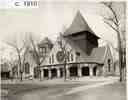
Look ahead for a grand, reddish-brown stone house with a steep gabled roof and a front porch framed by thick pillars-Edgeplain stands with its distinctive patterned stonework right next to the sidewalk. Welcome to Edgeplain, also known as the Arthur House! Take a good look at those beautiful, chunky stones-the blocks are all different colors, some rough, some smooth, and they look like they were pieced together by a very picky, very artistic giant. Picture yourself stepping back to the 1880s, the wind whistling across open prairie, when this house was brand new and literally at the edge of untouched plains. It all began with Lyman Bass: a hotshot lawyer from New York, partner to no less than Grover Cleveland (yes, the President!) and trusted by the mighty railroad builder William Jackson Palmer. Bass came to Colorado Springs for his health-back then, people believed the crisp, dry air could cure tuberculosis. It worked for Buffalo Bill, so why not Lyman? Wanting to make the most of the fresh mountain air, he wanted a house that was just as special. He picked the spot, hired architect A.C. Williard, and spared no expense-$115,000, which, in today’s money, could probably buy you a pretty fancy spaceship. Edgeplain was a showstopper: colored masonry, shiny tinted mortar, jeweled glass windows, luxurious paneling-imagine fireplaces tiled with intricate designs, and the gentle hum of a pianist at a soiree inside while carriages clatter past outside. After Bass passed away, the house changed hands until it landed in the next chapter of its remarkable life-owned by Chester Alan Arthur II. His father had been President, but Chester Jr. took to luxury like a duck to water. He was called "the Prince of Washington" for a reason: fancy receptions, presidents popping by for dinner (even Theodore Roosevelt!), and Colorado’s socialites jostling to get inside Edgeplain’s doors for lavish parties. Chester Jr. came for his health too, struggling with asthma and bronchitis, but he brought style-and even a love of polo, making it the sport to watch in town. Edgeplain passed to families like the Abrahams and the Shavers, who brought their own stories and painted another layer of history in these walls-Charlotte Shaver, for instance, was a keen gardener and painter, filling the house with green smells and splashes of color. But when the Shaver daughters sold it to Colorado College in 1962, Edgeplain found a new purpose as a home for students-probably less formal wear these days, a lot more pizza. Where music and laughter once echoed from high society, you’re more likely to hear the shouts of roommates arguing over whose turn it is to do dishes. That’s Edgeplain-full of life, stories, and just a tiny bit of presidential sparkle.
Eigene Seite öffnen →
7 weitere Stationen anzeigenWeniger Stationen anzeigenexpand_moreexpand_less
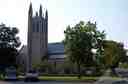
Look for a grand stone building with a tall, castle-like tower and pointed spires just above the trees-if you spot that, you’ve found Grace and St. Stephen’s Episcopal…Mehr lesenWeniger anzeigen
Look for a grand stone building with a tall, castle-like tower and pointed spires just above the trees-if you spot that, you’ve found Grace and St. Stephen’s Episcopal Church! Picture yourself in the early 1920s, standing at the heart of Colorado Springs as two distinct parishes-Grace Church and St. Stephen’s-were facing a crossroads. Imagine the whispers of decision and a bit of friendly rivalry floating through the crisp mountain air, until in 1923, under the steady hand of Reverend Arthur Taft, they chose unity over competition and merged right here. Now, if these old stones could talk, they might let slip a few stories about the original St. Stephen’s, which still stands, just a stone’s throw away as the parish hall! While you gaze up at the dramatic Gothic Revival tower-so tall it looks like it’s trying to high five the sky-you’re actually admiring the work of E. Donald Robb, whose firm also helped design none other than the National Cathedral in Washington, D.C. This place is more than handsome arches and stained glass; it’s decades of joy, sorrow, singing, and the echo of footsteps from generations past. So, stand for a moment in the shadow of history and enjoy a dash of medieval flair-no passport to England required!
Eigene Seite öffnen →Take a look right ahead-First Congregational Church is hard to miss, with its mighty stone walls, chunky square tower, and a row of proud pillars holding up a dramatic front…Mehr lesenWeniger anzeigen
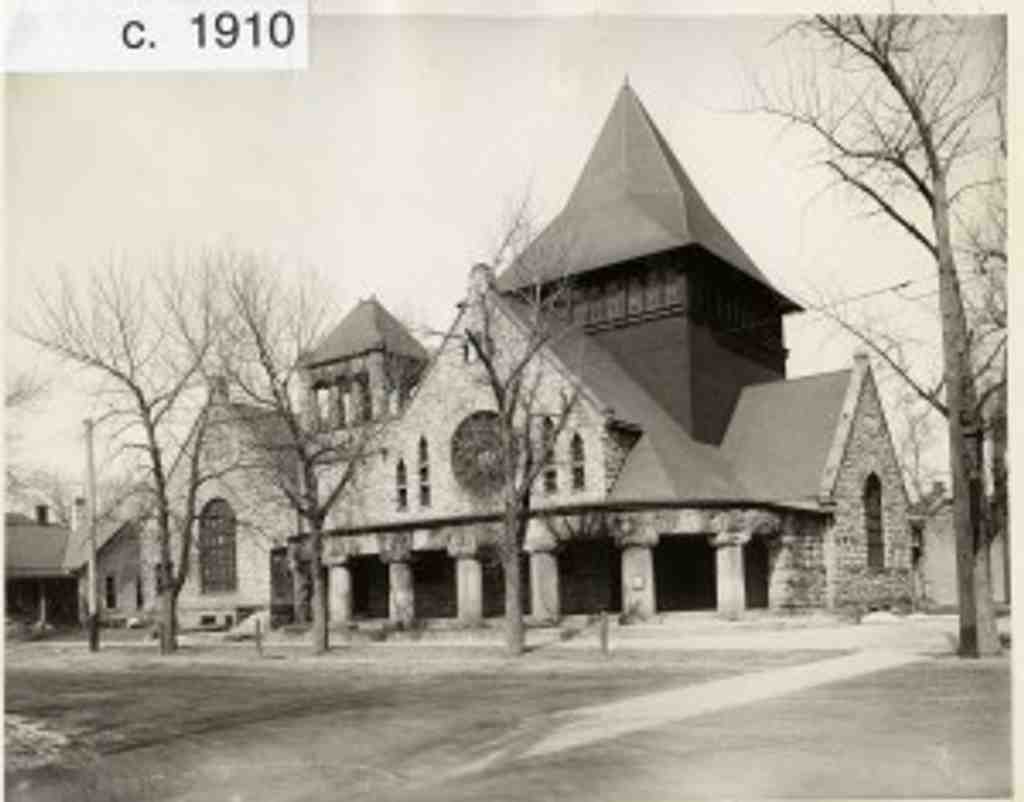
Take a look right ahead-First Congregational Church is hard to miss, with its mighty stone walls, chunky square tower, and a row of proud pillars holding up a dramatic front portico, looking a bit like a medieval castle dropped right here in Colorado Springs. Now, imagine yourself standing here in 1889, with the scent of fresh-cut stone and the echo of hammers filling the air. This church isn’t just a building; it’s the oldest one in Colorado Springs still used by the same congregation! When it was finished, folks actually stopped in their tracks to gawk-one old newspaper called it “unique” and said it attracted so much admiration, you’d think the stones themselves had started singing. Built from blocks of rhyolite hauled in from Castle Rock, this place rose up just fifteen years after both the congregation and Colorado College were founded-back when the area looked a lot more like open prairie than city blocks. The church’s first two ministers, Rev. Jonathan Edwards and Rev. James Dougherty, wore more hats than you’ll see at a derby-they taught at Colorado College and preached right here. The whole community was buzzing, and when the corner stone was laid in 1888, you could almost taste the anticipation. By the time the first service rang out under this roof in July 1889, every pew and pillar seemed to carry a sense of new beginnings. Its architect, Henry Rutgers Marshall, was no local handyman. He’d studied under the famous Henry Hobson Richardson, and his new church followed the Richardsonian Romanesque style: thick walls, bold arches, cozy curves, and, of course-those pillars! Dr. James Gregg, a beloved early pastor, once joked that there were so many pillars out front, they seemed like spiritual guardians standing watch. Don’t forget to peek through the windows-inside, the sanctuary is laid out like a Greek cross, capped with an octagonal dome that gives the whole space a peaceful glow. The walls, lined with golden oak, almost twinkle with history, and vibrant stained glass brings in pools of colorful light. Now, here’s a fun bit of trivia: the original pipe organ, all the way from Boston, is still singing today and holds the title as the oldest continuously played organ in Colorado Springs. Over time, the church grew a few more rooms and wings-like the Founders Room, a Christian Education Building, and a sunny Atrium. Meanwhile, the Gregg Library started just as a shelf in the sacristy but eventually got its own little house thanks to a generous donation. In 2002, the whole place scored a spot on the National Register of Historic Places-pretty fancy for a church that’s seen more than a century of changing skylines. So as you stand here today, just listen; maybe, if you’re quiet, you’ll hear echoes of old hymns, laughter from community gatherings, and the low, gentle thrum of stories that have been cherished beneath these tall stone arches for over 130 years.
Eigene Seite öffnen →Look for a striking red-brick church with two tall, pointed spires topped with golden crosses, a large circular rose window at the center, and elegant arched doorways-it's…Mehr lesenWeniger anzeigen
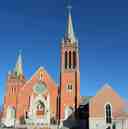
Look for a striking red-brick church with two tall, pointed spires topped with golden crosses, a large circular rose window at the center, and elegant arched doorways-it's standing right in front of you! Take a deep breath and imagine yourself back in the wild Colorado frontier of 1873. Horses clatter on dirt streets, and Catholic families gather wherever they can-barns, back rooms, and borrowed spaces. There’s barely a building in sight, yet they dream of something grand. Fast forward to 1888, when a small but determined group pools $3,100-not exactly pocket change back then!-to grab this very slice of land where you’re standing. They hire Pease and Barber, two architects with a passion for Gothic Revival flair. The lower level of St. Mary’s is ready in 1891, but the real magic-the soaring upper church-takes another seven years. Time well spent, because in 1898, this cathedral bursts onto the Colorado Springs skyline with its pointed arches and intricate stonework. As the sun sets, you can almost hear workers in the early 1900s, scrambling up ladders to add those bell towers and finish the spires. Electric lights flicker on, casting shadows on brand-new Gothic arches and windows. In 1916, music lovers rejoice-a mighty pipe organ fills the sanctuary with thunderous notes. But St. Mary’s isn’t finished changing. Stained glass windows-each one a splash of color-are added in the 1920s. The grand rose window you see now got a makeover in 1930, so it shines like a jeweled eye watching over downtown. Then, in 1983, Pope John Paul II picks St. Mary’s to be the new seat of the Diocese of Colorado Springs, and Bishop Hanifen is installed with all the pomp and circumstance you’d expect. Renovations come again, and by the 2000s, St. Mary’s looks fresher than ever, with a new entrance, gathering plazas, and meeting spaces. And fun fact-this cathedral even makes a cameo in a video game, Horizon: Zero Dawn, where its ruins hint at mysteries of the past. St. Mary’s truly is the heart and soul of Colorado Springs’ story, echoing with the voices, prayers, and yes-probably a few off-key organ notes-of generations gone by.
Eigene Seite öffnen →To spot the Wells Fargo Tower, just look up at the tallest cream-colored building with a distinctive greenish roof rising above all others in the area right in front of you-it…Mehr lesenWeniger anzeigen
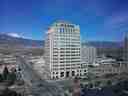
To spot the Wells Fargo Tower, just look up at the tallest cream-colored building with a distinctive greenish roof rising above all others in the area right in front of you-it dominates the skyline and practically waves hello! Alright, welcome to the mighty Wells Fargo Tower! Imagine the year is 1990-big hair, wild music, and right here in the heart of Colorado Springs, the tallest building in town is taking its final steps to completion. As workers put on those last finishing touches up above, you might hear the steady. Towering at the corner of 90 South Cascade Avenue, this giant became the king of the city’s business world, reaching high enough to almost swipe the clouds and definitely catch everyone’s eye. But, here’s a twist: before 2000, folks didn’t call it Wells Fargo Tower. Nope, it was the Norwest Bank Tower-a name change that probably sent a few letters to the wrong address! Some say the local pigeons are still confused. It’s more than just an office block-being part of the Palmer Center complex, it’s like the quarterback for a whole team of downtown buildings. And as you stand here today, imagine all the stories, deals, and maybe a little bit of bank drama swirling through those hallways. On windy days, you can almost hear the mid-90s gusts swirling around the roof, just trying to peek in on the action. So, as you gaze up, you’re looking at a true Colorado Springs legend-one that will keep reaching for the sky, one floor at a time.
Eigene Seite öffnen →To spot the Pikes Peak Center for the Performing Arts, just look for the tall, blocky building with cream-colored concrete, big vertical ridges, and a modern digital marquee sign…Mehr lesenWeniger anzeigen
To spot the Pikes Peak Center for the Performing Arts, just look for the tall, blocky building with cream-colored concrete, big vertical ridges, and a modern digital marquee sign right out front by the sidewalk. Welcome to the Pikes Peak Center for the Performing Arts, where the air is thick with stories, creativity, and-if you look closely-maybe even a few phantom stage whispers. Right now, you’re standing at the heart of Colorado Springs’ cultural scene, beneath soaring concrete walls that have echoed with applause and laughter for over four decades. Let’s travel back to 1982. Picture it: The city buzzing with excitement, local leaders standing proudly as crowds gathered for the grand opening, the doors swinging wide to reveal a music-lover’s paradise. That very first night, the Colorado Springs Symphony’s notes soared through the hall, every sound crisp and magical, as if the building itself were holding its breath. But this wasn’t just any concert hall-they built Pikes Peak Center as a bold piece of a citywide rejuvenation. Downtown Colorado Springs needed some pep, and what better way to stir things up than with a place that brings everyone together, from casual locals to roaring symphony fans, and even that one guy who always forgets to turn off his phone. With seating for more than 1,900 guests spread across orchestra, loge, mezzanine, and balcony, you could practically host a small parade inside. The main floor alone holds over a thousand eager listeners, and the upper levels offer box seats fit for royalty-or at least for someone who likes a good view and comfy cushions. If you step into the hall, you’ll find yourself surrounded by acoustic wizardry, thanks to the legendary Russell Johnson and Artec Consultants, the sound magicians who designed spaces from Dallas to New York. Want to hear a pin drop in the back row? Or maybe experience a rock concert that shakes your socks loose, but not your eardrums? The Center’s retractable banners, curtains, and even floating sound towers do the trick, expertly shaping every echo and note so audiences get perfect sound, every time. They’ve got a “canopy” above the stage that can glide down to focus the music, or soar high for the biggest, boldest events. It’s like the Batcave of concert halls-just with fewer capes and maybe a bit more tuba. Behind those impressive stage curtains lie secrets of their own: giant loading docks that can gobble up two tractor-trailers at once, and freight elevators big enough to haul a grand piano-or maybe a very dramatic diva or two-right up to the orchestra pit. They have a stage large enough to make a Broadway troupe feel small, with its maple floor perfect for ballet leaps (but woe to the stagehand who tries to hammer in a nail!) The front of the stage even transforms-lifts rise and fall to create everything from a classic orchestra pit to special tiers for unique shows. In the wings, actors and musicians find sleek greenrooms and dressing spaces, each with showers, mirrors, and that all-important pre-show ritual: nervous pacing. Over the years, this place has been more than a hall. It’s been a launchpad for talent, a temple of sound, and sometimes, the best place in town to escape a surprise Colorado hailstorm. Performers and critics from around the world have praised its design, and you might just bump into a traveling troupe or world-famous musician around any corner. With more than 200 events a year-symphonies, plays, rock shows, lectures, and who knows what else-the Center is always humming, filling the streets with music and excitement. So let yourself imagine the standing ovations, the magic of the stage transforming before your eyes, and the countless moments that began right here. Just try not to burst into song on the sidewalk-unless, of course, inspiration strikes!
Eigene Seite öffnen →To spot the United States Olympic & Paralympic Museum, just look for the futuristic silver building in front of you, shaped almost like it’s swirling in motion with shimmering,…Mehr lesenWeniger anzeigen
To spot the United States Olympic & Paralympic Museum, just look for the futuristic silver building in front of you, shaped almost like it’s swirling in motion with shimmering, diamond-shaped panels wrapping around its sides. Alright, let’s transport ourselves to a place where dreams are measured not just in seconds or centimeters, but in courage and perseverance-welcome to the United States Olympic & Paralympic Museum! Imagine you’re standing at the foot of a building that looks ready to sprint off its foundation, designed to capture the kinetic energy of a discus thrower in mid-release. Each of the 9,000 sparkling aluminum panels cladding this stunning museum is unique, reflecting the sunlight like medals waiting for a champion’s neck-maybe bring your sunglasses, or risk competing in the “squinting relay.” Back in 2017, when ground was broken right here, the scent of possibility hung in the air along with the dust. Colorado Springs was already the heart of Team USA, with the Olympic Training Center and countless national sports bodies calling this city home. But it was only in 2020, in a world eager for hope, that these doors swung open to the public, undaunted by the challenges of the moment. Inside, you’ll discover a $91 million tribute to American greatness: no stairs, only a ramp inspired by the Guggenheim, swirling you gently through the stories. Imagine the parade of nations, the clash of archery bows, or the shouts of sled hockey, all brought to life in galleries made for everyone-yes, absolutely everyone, regardless of ability. The building itself is like an innovation athlete, loaded with tech: speak your language, enlarge the text, listen to descriptive audio. It’s as accessible as a high five after scoring the winning goal. See those torches? They’re from every Games since 1936! Medals shimmer in cases, artworks dazzle on walls, and interactive events let you race, shoot, and dream alongside the best. It’s part museum, part theme park, and pure Olympic spirit. Here, you’re not just standing outside; you’re on the starting line of an unforgettable journey. The real question is: are you ready to go for gold?
Eigene Seite öffnen →
Häufig gestellte Fragen
Wie starte ich die Tour?
Laden Sie nach dem Kauf die AudaTours-App herunter und geben Sie Ihren Einlösecode ein. Die Tour ist sofort startbereit – tippen Sie einfach auf „Play“ und folgen Sie der GPS-geführten Route.
Benötige ich während der Tour Internet?
Nein! Laden Sie die Tour vor dem Start herunter und genießen Sie sie vollständig offline. Nur die Chat-Funktion benötigt Internet. Wir empfehlen den Download über WLAN, um mobiles Datenvolumen zu sparen.
Handelt es sich um eine geführte Gruppentour?
Nein – dies ist ein selbstgeführter Audioguide. Sie erkunden unabhängig in Ihrem eigenen Tempo, wobei die Audioerzählung über Ihr Telefon abgespielt wird. Kein Reiseleiter, keine Gruppe, kein Zeitplan.
Wie lange dauert die Tour?
Die meisten Touren dauern 60–90 Minuten, aber Sie kontrollieren das Tempo vollständig. Pausieren Sie, überspringen Sie Stopps oder machen Sie Pausen, wann immer Sie wollen.
Was, wenn ich die Tour heute nicht beenden kann?
Kein Problem! Touren haben lebenslangen Zugriff. Pausieren Sie und setzen Sie sie fort, wann immer Sie möchten – morgen, nächste Woche oder nächstes Jahr. Ihr Fortschritt wird gespeichert.
Welche Sprachen sind verfügbar?
Alle Touren sind in über 50 Sprachen verfügbar. Wählen Sie Ihre bevorzugte Sprache beim Einlösen Ihres Codes. Hinweis: Die Sprache kann nach der Tour-Generierung nicht mehr geändert werden.
Wo greife ich nach dem Kauf auf die Tour zu?
Laden Sie die kostenlose AudaTours-App aus dem App Store oder von Google Play herunter. Geben Sie Ihren Einlösecode (per E-Mail gesendet) ein, und die Tour erscheint in Ihrer Bibliothek, bereit zum Download und Start.
Wenn Ihnen die Tour nicht gefällt, erstatten wir Ihnen den Kaufpreis. Kontaktieren Sie uns unter [email protected]
Sicher bezahlen mit 


