Guildford Audio-Tour: Eine historische Klanglandschaftsreise
Eine Stadt alter Geheimnisse und dröhnender Motoren, Guildford verbirgt ihre dramatischsten Geschichten direkt vor unseren Augen. Blicken Sie über die Einkaufsmassen hinaus und spüren Sie, wie die Geschichte unter Ihren Füßen vibriert mit dieser selbstgeführten Audio-Tour – einem Spaziergang, bei dem Seitenstraßen von Skandalen, Legenden und verschwundenen Revolutionen widerhallen, die nur wenigen bekannt sind. Warum hätte Feuer die jahrhundertealte Justiz beinahe zum Verhängnis werden lassen? Welche entscheidende Erfindung in den Rodboro Buildings veränderte die britischen Straßen für immer? Und welcher Bussteig bot einst einem Flüchtigen Unterschlupf, während die Stadt schlief? Begeben Sie sich durch lebendige Ecken – wo Gerichte von Gerichtsdramen widerhallen, Fabrikmauern industrielle Durchbrüche bewachen und Busmotoren mit dem Versprechen der Flucht summen. Bewegen Sie sich durch Vergangenheit und Gegenwart, während Guildfords unerzählte Geschichten jedes Wahrzeichen entzünden und die Art und Weise verändern, wie Sie jeden Ziegelstein und jede geschäftige Menschenmenge sehen. Einstecken, Wiedergabe drücken und Guildfords schlagendes Herz Geheimnis für Geheimnis entdecken.
Tourvorschau
Über diese Tour
- scheduleDauer 40–60 minsEigenes Tempo
- straighten3.2 km FußwegDem geführten Pfad folgen
- location_onStandortGuildford, Vereinigtes Königreich
- wifi_offFunktioniert offlineEinmal herunterladen, überall nutzen
- all_inclusiveLebenslanger ZugriffJederzeit wiederholen, für immer
- location_onStartet bei Rodboro Gebäude
Stopps auf dieser Tour

To spot the Rodboro Buildings, look for a large, curved corner building with rows of tall, grid-patterned windows and a mix of brown and red bricks-it's right at the junction of…Mehr lesenWeniger anzeigen
To spot the Rodboro Buildings, look for a large, curved corner building with rows of tall, grid-patterned windows and a mix of brown and red bricks-it's right at the junction of Bridge Street and Onslow Street, and its bold “The Rodboro Buildings” sign makes it hard to miss! Welcome to the very heart of Guildford’s industrial adventure-where history and horsepower meet! Take a moment to look up at this impressive building, with its brickwork glowing orange-brown in the daylight and its rows of gigantic windows gleaming like the eyes of an old, friendly giant. Imagine the year is 1901: the air outside is thick with the scent of coal smoke and the nervous excitement of invention. Here you stand, where John Dennis and his brother Raymond decided that Guildford was the perfect place to build… well, just about everything on four wheels. Back then, the Dennis brothers were running a bustling car and cycle workshop, but apparently, they were more cramped than a pair of socks after a tumble in the dryer! So, what did they do? They built this very factory-one of the world’s very first purpose-made car factories. That’s right, you’re looking at the origins of motor manufacturing magic and a proud, Grade II listed beacon of British ingenuity. Now, let your imagination wander inside. Down in the basement, crates were stacked high with spare parts and anticipation. On the ground floor, serious men with starched collars argued over engine parts, while across the curved corner (just where the building bends snugly with the street), shiny cars gleamed in the showroom, each whispering promises of adventure and speed. Electricity, still a novelty at the time, was pumped through the building by a Crossley engine and dynamo humming in the background. Let’s not forget the fantastic lift at the south-eastern end-every car’s first ride, before it ever hit the road! By 1902, Dennis was making 300 vehicles a year. Mind you, in those days, seeing one car was a surprise-imagine watching rows of them assembled floor by floor, only to be whisked away by lift, ready for the world outside. It was inside these walls that something quietly remarkable was invented: the worm-driven rear axle. Sounds like something a cunning earthworm might dream up, but trust me, it changed cars forever-out went the rattling chains, in came smooth rides. But the story picks up speed: by 1904, Dennis wasn’t just making cars anymore. Buses and vans joined the line-up; soon enough, in 1908, the very first Dennis fire engine rolled out these very doors, ready to take on the blazes of Britain! Demand was so high that the operation eventually moved up to Woodbridge Hill, and though production shifted away by 1913, these sturdy walls became the nerve centre of the company’s operations. Now, if you think the Rodboro Buildings were going to settle down after their automotive heyday, think again. In 1919, a boot and shoe company took over, importing skilled workers and putting the “rod” and “boro” into local legend. The name stuck. By the 1930s, the building had more stories than a double-decker bus: trolley manufacturing, a pet shop, a barbers, and even a car showroom! During World War II, it thumped with urgency once more, with Red Cross parcels packed for POWs and munitions assembled for the war effort. Post-war, cricket sweaters for national heroes were knitted here, sweets were stacked to the rafters for wholesale, dancers twirled on shiny floors, and the beat of nightclubs pulsed into the small hours. By the 1980s, it nearly met the wrecking ball, but in a plot twist worthy of any movie, English Heritage gave it protected status in 1986, saving it forever for us to enjoy. Today, as you look in, you might catch some live music or the clink of glasses from the pub-a far cry from the whir of engines, but every bit as lively. And upstairs? The Academy of Contemporary Music keeps the creative spirit alive. So, if these walls could talk, I bet you’d need to pull up a chair and order a drink-it’s a tale that would last well into the night!
Eigene Seite öffnen →To spot the Guildford Crown Court, just look for a low, wide building made of red brick with a long row of square columns and a large, triangular-roofed section rising in the…Mehr lesenWeniger anzeigen
To spot the Guildford Crown Court, just look for a low, wide building made of red brick with a long row of square columns and a large, triangular-roofed section rising in the middle-it’s right across Bedford Road, easy to spot with its clean, modern lines and garden bushes out front. Now that you’re standing outside Guildford Crown Court, let’s travel back in time together-way back to 1257, when King Henry III himself decided that Guildford was to be the place for Surrey’s most serious court cases. You can almost imagine the air buzzing with the sound of town criers, the shuffle of horses, and the occasional clang of a knight’s armour! In those days, justice wasn’t decided in buildings like this; instead, people gathered at a corn exchange and a busy hall known as Tunsgate up on the High Street. Well, as you might expect with an old hall packed full of agitated lawyers in wigs, Tunsgate quickly became “grossly inadequate”-people needed more space for all that drama! So, the court moved to County Hall in North Street. That place had its own twist in the tale-it was originally a mechanics’ institute, meant to teach trades but quickly got a second life as a court thanks to a clever redesign by Thomas Goodchild in 1862. But, as with all good stories, disaster struck in 1963, when a terrible fire left the old hall in ruins, and the town had to start from scratch once again. For a while, people made do with newer buildings, but by the 1980s, it was clear that Guildford deserved a proper modern courthouse-a place where people could face judges and juries, tell their side of the story, and hear the gavel fall. And so, this striking building was born! Built on land that once hosted a cricket ground and a gas works (quite a leap from wickets to wigs!), it opened in 1986: bold brickwork, big windows, and a colonnade that seems to invite you in-unless you’ve been naughty, of course. Inside, the building is a hive of activity, with four courtrooms handling some of Surrey’s most important criminal cases. And trust me, Guildford Crown Court has seen its share of drama, including the high-profile case of Sally Challen, whose trial and eventual conviction for the murder of her husband became national news-and later, a landmark case in British law. So, as you look at the crisp rows of bricks and the sunlight bouncing off the glass, just think: behind those doors, real-life dramas unfold every day-some tense, some tearful, all part of a building shaped by centuries of hope, tragedy, and maybe just a dash of courtroom comedy. Now, onward to the next stop!
Eigene Seite öffnen →Straight ahead, you’ll spot a wide, bustling open area lined with rows of bus stands and a blocky, brick modern building behind it-just follow the rumble of engines and the blue…Mehr lesenWeniger anzeigen
Straight ahead, you’ll spot a wide, bustling open area lined with rows of bus stands and a blocky, brick modern building behind it-just follow the rumble of engines and the blue and cream buses parked in a neat line. Now, plant yourself right here, because you’re standing outside the legendary hub of Guildford’s comings and goings-Guildford bus station, or as seasoned travelers prefer to call it, the Friary bus station. Imagine yourself here back in 1980, when this place burst onto the scene, replacing the old, slightly more chaotic bus stops that once graced Farnham Road and Onslow Street. People must’ve been both excited and a little bewildered-after all, buses now had their own grand home, complete with 22 stands that could have even the keenest commuters scratching their heads, trying to figure out where their bus was hiding! Breathe in for a moment and listen: the engine hums, the flip of tickets, the distant beep of a reversing bus, and echoes of lively conversations-this station brings together folks from Woking, Aldershot, Godalming, and beyond, making it the heart of journeys in Surrey. The red-brick surrounds might not look ancient, but trust me, there’s a charm to the place if you can imagine the stories rattling around on every bus. It even had a glow-up in 2010, thanks to a makeover funded by the Borough and County Councils. Suddenly, the Friary was back, slick, clean, and ready for new adventures. Keep your eyes peeled for electric buses operated by Stagecoach-yep, Guildford is charging into the future. And watch out, the station is still at the heart of change; there are plans afoot to shrink the bus area and breathe new life into North Street and Commercial Road. Fewer stands perhaps, but who knows what new stories might start here? Standing here, among the buses comings and goings, you’re part of Guildford’s moving mosaic-one that’s been connecting people, places, and stories for over forty years. If bus stations could talk, this place would have enough tales for a whole double-decker!
Eigene Seite öffnen →
10 weitere Stationen anzeigenWeniger Stationen anzeigenexpand_moreexpand_less
Take a look ahead and you’ll spot St Nicolas Church standing proud above the riverside-its stone tower in two colours rises beside the Town Bridge, while stained-glass windows…Mehr lesenWeniger anzeigen
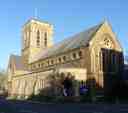
Take a look ahead and you’ll spot St Nicolas Church standing proud above the riverside-its stone tower in two colours rises beside the Town Bridge, while stained-glass windows glimmer just above the path, and there’s a handsome cross atop its west end roof; look out for the building’s beautiful yellow-brown Bargate stone, and if the sunlight’s just right, you’ll catch the roundel windows shining like little portholes in its walls. Alright, let’s linger a moment, because you’re standing before one of Guildford’s oldest stories-St Nicolas Church, a building that’s played both guardian and gossip for more than a thousand years. Picture the left bank of the River Wey, way back before tarmac and mobile phones. Imagine muddy boots squelching up what would one day become the High Street, traders hauling sacks of spices, and children daring each other to run across the old Town Bridge. This has always been the beginning and ending of the town: both a threshold and, if you ask the ghosts, a bit of a crossroads. Now, you’re not just looking at one building, but the third to stand on this very spot. The first church here was built so long ago that people used to spell “St Nicholas” with an “h.” Fun fact: it wasn’t until the early 1900s that the “h” got quietly dropped-maybe the sign-makers wanted to save on paint. Since being consecrated in 1876, the current St Nicolas has watched Guildford grow across the river, from a tight-knit little cluster of homes huddled on the east bank to a town stretching west for miles. This isn’t just a church for the city centre; its original parish once reached out with long arms all the way toward Godalming, wrapping in villages, rural tithings, and even the legendary Loseley Park, home to the More family since Henry VIII’s days. Speaking of the More family-imagine tiptoeing to the south side of the church, where a centuries-old memorial chapel holds their stories. Maybe you’ll hear a whisper on the wind: secrets of court intrigue, feasts, and, who knows, perhaps a little bit of harmless ghostly mischief on misty Surrey nights. But this isn’t just the resting place of local nobility! Here’s a twist worthy of a Christmas carol: St Nicolas has musical bragging rights. One deacon, John Mason Neale, wrote “Good King Wenceslas” and “O happy band of pilgrims” right out of the church’s heart. And the rector, John Samuel Bewley Monsell, composed “Fight the Good Fight” (which, let’s be honest, sounds like something sung before a football match) and “O worship the Lord in the Beauty of Holiness.” If you listen closely, you might almost catch echoes of Victorian hymns fluttering up to the vaulted ceiling. On the secular side, the world-famous P.G. Wodehouse-creator of mischievous Jeeves and Wooster-was baptised right here, in water drawn from the very font inside. Maybe a splash of holy water is all it takes to inspire comic genius! Before you go, soak in the view of its striking two-tone stone tower with crisp quoining, the elegant arches and trefoil windows, and the apse with marble floors and mosaics glowing under the sunlight-each detail the handiwork of Victorian architects with an eye for drama and whimsy. Even the ten round windows grouped in pairs look like eyes watching over Guildford’s riverbank hustle. As we move on, let’s leave St Nicolas standing guard at the river’s edge, echoing with a thousand voices-some singing hymns, some telling tales, and a few cracking jokes, just for good measure.
Eigene Seite öffnen →Look for a tall, rounded building with huge glass windows and white pillars, right by the riverside-if you see lots of reflections and maybe a few tables outside, that’s the…Mehr lesenWeniger anzeigen
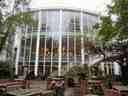
Look for a tall, rounded building with huge glass windows and white pillars, right by the riverside-if you see lots of reflections and maybe a few tables outside, that’s the Yvonne Arnaud Theatre! Now, take in the sight of this impressive building, because you’re standing before the heart of Guildford’s live performance-where spotlights have shone on laughter, drama, and every little bit of backstage chaos for decades. The Yvonne Arnaud Theatre is named after a famous actress, but really, it could have been named “The Phoenix” since it rose from the ashes of its predecessor-a much-loved repertory theatre that caught fire in 1963. You can almost imagine the crackling flames back then! When this new theatre opened in 1965, it wasn’t just any building: it was anchored on the river, glittering with modern glass and full of promise. Sir Michael Redgrave kicked off construction by driving in the first pile, and Vanessa Redgrave celebrated with a rather unusual touch-she cast her own foot in concrete! Just picture a crowd gathering as she made her mark, actors swapping jokes, and the future echoing all around. Once finished, this place dropped the old-fashioned rules of repertory, choosing a pick-and-mix approach to casting-whatever suited the show, that’s what they did! Many big names took to its stage: imagine Ingrid Bergman herself performing “A Month in the Country” during the opening festival, as anticipation buzzed through the audience like electricity. And who wrote the very first prologue spoken on this stage? None other than Dirk Bogarde, with Michael Redgrave orchestrating the festival lineup. Inside, the theatre’s no ordinary performance space. It was built with adaptability in mind-no bulky arch separating audience and actors, so you get more stage for your money! The stage is a mighty 95 feet wide, with a clever revolve big enough to spin a whole ballroom. If you listen closely, you might even hear the echo of a moving set or the faint notes of an orchestra tuning up in the pit below. Let’s not forget the hidden corners: the Mill Studio, inside the old Town Mill, where the theatre’s creative energy flows into youth performances and experimental shows. It was given a brand new lease of life with a National Lottery grant in 1997, making room for even more aspiring stars and curious audiences. Today, the Yvonne Arnaud Theatre is a living, breathing part of Guildford. Whether you’re here for opera, ballet, or classic British pantomime (oh yes, they do!), you’ll find a celebration of the arts on every level. There’s even a restaurant and bar-one of those rare places where you might spot an actor nibbling chips before their entrance. So next time you wander past, imagine spotlights, swirling skirts, and the sound of applause bouncing off the river. You’re witnessing a local legend that’s cast a spell over Guildford for generations-and if you’re lucky, you might just feel a little showbiz magic in the air!
Eigene Seite öffnen →To spot Guildford Museum, look straight ahead for a charming cluster of old brick buildings with scalloped rooflines and a canopy held up by dark wooden pillars, set right on…Mehr lesenWeniger anzeigen
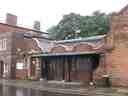
To spot Guildford Museum, look straight ahead for a charming cluster of old brick buildings with scalloped rooflines and a canopy held up by dark wooden pillars, set right on Quarry Street-almost like you’ve stumbled onto the set of a Victorian detective story. Alright, traveler, you’ve found yourself in front of Guildford Museum-no ordinary stash of old dusty things, but a doorway into centuries of fascinating local adventure. Picture yourself back in the late 1800s: a narrow, cobbled street, rain pattering on the tiled roof, and museum volunteers darting back and forth, carrying mysterious boxes under their arms. Now, this building stands on ground that has seen royalty, Roman priests, and medieval archers-all within a stone’s throw of Guildford Castle’s gatehouse. The museum got its start from a merry band of amateur archaeologists in 1854, the Surrey Archaeological Society. They gathered everything from ancient coins to curious lumps of flint, but for decades, their collection wandered more than a backpacker without a map-transferring from one Honorary Secretary’s front room to another, finally ending up in Croydon. Unfortunately, the Croydon Literary and Scientific Institute promised sparkling glass cases for their treasures but delivered more of a mystery novel: cabinets smashed, locks broken, and precious objects sneaking out the door. Not ideal, unless you’re hoping for a chapter called “The Case of the Missing Antiquities.” When Croydon said, “Time to move out!” the collection was homeless, until Guildford Borough Council, proud new owners of the castle, offered a row of cottages right where you’re standing to house the town’s history-and at only £12 a year, a real bargain! Fredrick H. Elsley took charge soon after, earning a tiny wage to curate artefacts and keep everything in shipshape. Imagine the smell of old books, the creak of floorboards, and Elsley keeping a brave face through world wars and changing times. As you look at the museum now, try to hear the echoes of its expansion-first Castle Arch, with its ancient stones still hiding secrets from medieval days, then a glamorous garden extension in 1911 just to fit all of Gertrude Jekyll’s treasures from “Old Surrey.” This wasn’t just any collection; we’re talking Queen Elizabeth I’s own napkin, thoughtfully embroidered with her portrait (hopefully only used for special occasions). There were fragments of German Zeppelin bombs-hot off a terrifying raid above Surrey during the First World War-and even a green velvet suit snatched from the mad fashions of Carnaby Street in the 1970s. Let’s just say, the Velvet Revolution hit Guildford too. You might think, “A museum about a quiet English town? How exciting could that be?” But here, you’ll find ancient scepters from Romano-British temples, gold coins dug from fields, and a lending quilt that’s traveled from church to cottage, gathering stories and prayers. The Reigate Hoard-thousands of sparkling medieval coins, once clinking in the pockets of knights or perhaps nervous merchants-waits quietly behind glass. If only coins could talk, right? But the story doesn’t end in the past. In 2009, the museum married the Art Gallery, so now you’ll meet local masterpieces alongside ancient tools-look for the dazzling colors of John Russell, Guildford’s own celebrated painter. Oh, and if you’re feeling brave, you can ask to see even the objects not on display; there’s a hidden world of reserves, closed to most… unless you book ahead. You never know what jewel or oddity could be lurking in those storerooms. Schools bring students here for a Victorian classroom experience. Imagine stiff collars, chalk dust, the distant echo of a teacher’s cane striking the desk--while visitors puzzle over artefacts with the museum’s “finds identification” service. Every season brings fresh spectacle-haunting glimpses into ordinary lives through a program of lively exhibitions. Some delve into “Hidden House Histories,” finding objects hidden under floorboards for luck, or shining a spotlight on the daring women of the Royal Army Corps when Guildford was at the heart of military innovation. So, stop here and listen to the walls. Mysterious, humorous, and sometimes emotional, the Guildford Museum is a living tapestry-woven from bomb fragments, royal napkins, stubborn curators and centuries of stories. And the best part? Behind that humble door, the adventure is free. But watch out, you just might want to stay until closing time! Intrigued by the collections, location and building or the other sites managed by the museum? Make your way to the chat section and I'll be happy to provide further details.
Eigene Seite öffnen →To spot Guildford Castle, look just ahead and slightly above eye level-you’ll see a tall, weathered stone tower with strong corners and thick, timeworn walls, rising out of…Mehr lesenWeniger anzeigen
To spot Guildford Castle, look just ahead and slightly above eye level-you’ll see a tall, weathered stone tower with strong corners and thick, timeworn walls, rising out of beautiful flower gardens and surrounded by ruined stonework. Now, let’s step back in time-right where you’re standing, about a thousand years ago, this very ground would have echoed with the heavy boots and nervous whispers of Norman soldiers. After the dramatic events of 1066, when William the Conqueror earned his catchy nickname by stomping across England, he-or one of his trusty barons-picked this hilltop in Guildford to build a castle. Not bad for location, eh? Just imagine: this spot would’ve smelled of fresh earth, churned up to make the giant mound, or motte, and the clang of hammers on wood and stone would have filled the air as they slapped up a wooden palisade and lookout. At first it was just a mound and a wooden fence, but by the early 1100s, those Normans were thinking ahead. They heaved heavy blocks of Bargate stone up from nearby Godalming, packing the walls with mortar so thick it made the tower as sturdy as a medieval sandwich-just with less ham. Up went the stone shell-keep, then, a little later, the mighty tower keep you see today. Climbing the spiral stairs inside, the only way in was up on the first floor, keeping out enemies-or nosy neighbors with cake-alike! The rooms were surprisingly fancy: one for the king to snooze, with a lead roof overhead, plastered and whitewashed walls, and even a two-seater latrine for medieval multitasking. Yes, you heard right-a royal throne inside the throne room, if you catch my drift. In the 1200s, as the castle got posher, Henry III wanted Guildford Castle to feel less fortress, more palace. He painted his chamber green with silver and gold stars (imagine all the jealous Pinterest boards!), and built grand windows, gardens lined with marble columns, and a glorious great hall with colored glass and flickering candlelight. Sadly, a fire in 1254 tried to ruin the party, but repairs and fancy upgrades carried on. Henry even bought extra land to build new rooms just for his son Edward, future king and, spoiler alert, not exactly an easy houseguest to shop for. Although built to withstand sieges, the castle’s walls never actually faced battering rams or clouded battle skies-Louie, the French prince, did take over in 1216, but the townsfolk wisely left the swords at home that weekend. Instead, Guildford Castle acted more as a royal residence, a stately mustering point for armies, and (a little less glamorously) a prison for the county’s worst troublemakers. Over the years, it served a revolving door of constables, sheriffs, and jailers, with the occasional dramatic moment-like when future king Edward I dragged a captured rebel here. Imagine the thunk of armoured boots as that poor fellow was hauled inside. But time marched on, and royals eventually fancied plusher digs across the river. By the 1300s, this once-grand palace became more like a very overbuilt lock-up-cold, draughty, crumbling. For centuries, prisoners grumbled in the cells, while, outside, sheep quietly grazed and the townsfolk went about their day. By the Victorian era, Guildford Castle crumbled into a stately ruin, and the gardens outside-not all that different from today-filled with flowers and Sunday picnics. In 1888, the newly restored tower and pleasure gardens were opened to celebrate Queen Victoria's Golden Jubilee. If you look around the grounds, you might even spot a wonderland touch: the life-size statue of Alice Through the Looking Glass is here as a nod to nearby resident Lewis Carroll, who visited this spot as often as you might drop by the shops. In the 21st century, a careful conservation project brought the castle’s upper floor and rooftop back to life. Inside, if you climb up, you can spot models of what the castle looked like centuries ago, plus breathtaking views across Guildford’s rooftops-a royal panorama if there ever was one. So as you walk the paths here, imagine knights in armor, kings sighing with boredom behind thick walls, artists painting in sunlight, and children running between statues and flowerbeds-because this castle, I can assure you, has seen it all. And just remember: if a royal ghost offers you directions, maybe stick with your phone’s GPS, just in case!
Eigene Seite öffnen →To spot the Guildford Guildhall, just look up on the right side of the High Street for a striking white building with a grand balcony, iron railings, and-most unmissable of all-a…Mehr lesenWeniger anzeigen
To spot the Guildford Guildhall, just look up on the right side of the High Street for a striking white building with a grand balcony, iron railings, and-most unmissable of all-a huge, ornate gold and black clock jutting out above your head. Alright explorer, now that you’ve found the Guildhall, imagine yourself standing here in the late 1500s. The smells of fresh bread and vegetables waft around you from the bustling market on the ground floor, and the murmur of townsfolk fills the air. Overhead, a wooden structure holds a courtroom where weighty decisions are made-perhaps with a judge trying very hard to look more serious than sleepy. The original building dates from around 1550, but it got a makeover in 1683, so think of it as the Guildhall’s version of a fancy new haircut: the snazzy facade, the iron balcony, and the show-stopping clock you see today were all added then. Fun fact: that impressive clock was gifted by John Aylward, a London clockmaker. In return, he wanted permission to trade here-honestly, quite the barter, because hundreds of years later, it’s still the talk of the High Street! Step inside the Guildhall today and you can almost hear echoes of fierce debates from old council meetings… or maybe it’s just the tour group wandering around. Upstairs, the resplendent council chamber features wood panelling rescued from the grand Stoughton Manor before it was torn down-a piece of history inside another piece of history. But the Guildhall’s not just about law and order; it’s a treasure trove! Royals gaze at you from the walls-King James, King Charles, Queen Mary, and more, all captured in grand portraits. There’s even a painting of Vice-Admiral Sir Richard Onslow, proudly accepting the Dutch flag after battle. So, as you stand before the crackling charm of the Guildford Guildhall, know you’re at the heart of centuries of decisions, celebrations, and stories. Fancy taking a peek inside? Guided tours happen twice a month, though if you do sneak in, do try not to start your own town meeting!
Eigene Seite öffnen →To spot Holy Trinity Church in front of you, look for a massive, red-brick building with tall arched windows and a square clock tower rising above the street, just at the crest of…Mehr lesenWeniger anzeigen
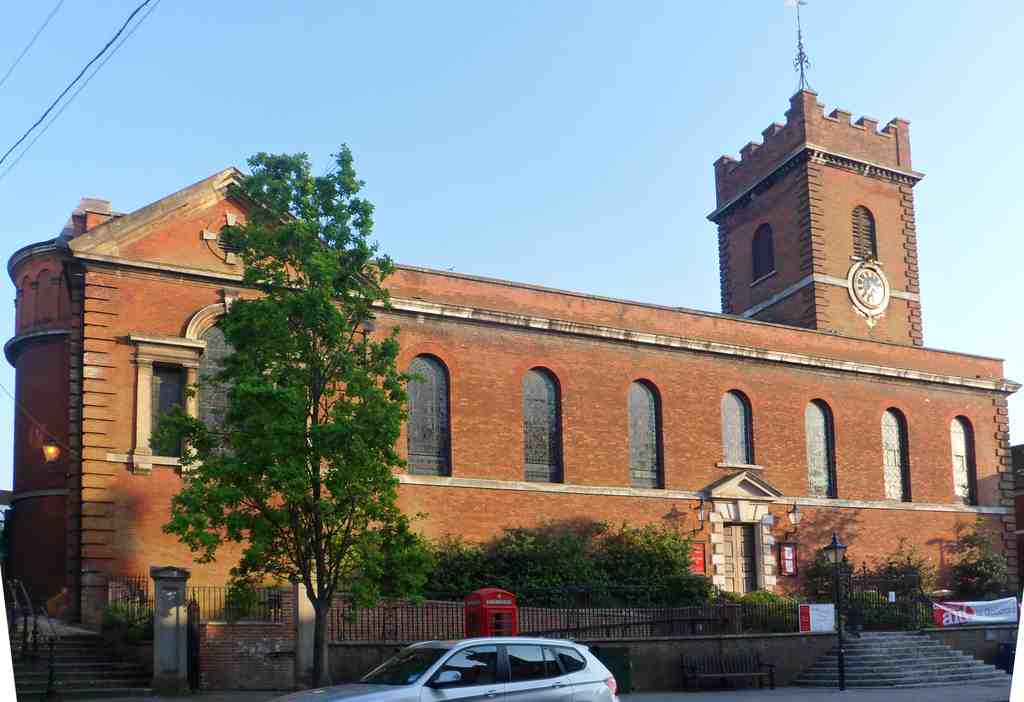
To spot Holy Trinity Church in front of you, look for a massive, red-brick building with tall arched windows and a square clock tower rising above the street, just at the crest of Guildford’s High Street. Now, take a moment to stand and let this view soak in-this grand church has stood through centuries of drama, faith, and a bit of architectural mayhem! Holy Trinity’s story stretches back to the age of knights, kings, and the occasional clumsy construction. The original church on this spot was medieval, possibly dating all the way back to Norman times-imagine local villagers tromping through mud and rain to a stone church, with the Weston family’s mysterious and chequerboard-patterned chapel standing guard on the south side. Let’s step into the 16th century for a moment-a time of tapestries, flickering candles, and secrets behind every corner. Richard Weston, from nearby Sutton Place, wanted to make sure he’d get a prime spot for his eternal rest. He had his own chapel built, where he planned to nap forever-well, in theory. The Weston Chapel became his family’s special corner, even during the storms of the Reformation, when being Catholic was almost as risky as storing fireworks near the altar. The family clung to their faith, dodging suspicious officials and giving up public office, but holding tight to their chequerboard-walled treasure. Inside, you’ll still find their monuments, including a chest tomb with a ruffled lady atop-Anne Pickering, whose first husband, Sir Francis Weston, was executed for getting a little too close to Anne Boleyn. If you think your family reunions are awkward, imagine trying to explain that relationship at the pearly gates! But hold on-on a thundery April day in 1740, disaster struck. The steeple came tumbling down, smashing most of the old medieval church. Townsfolk probably gasped and pointed from the High Street, wondering if Guildford’s bells would ever ring again. They salvaged what they could, including the Weston Chapel and a few iron railings, but most of what you see now was built in the early 1760s-a handsomely solid, red-brick marvel designed by James Horne. This was the Georgian era, so imagine the church bustling with silk skirts, powdered wigs, and not a single mobile phone in sight. Inside, things get even more spectacular. The church boasts one of the largest unsupported ceilings in southern England, so if you ever have the urge to try your luck with a frisbee indoors, well, you’d have plenty of space! The interior bursts with vivid frescos-look out for the dramatic Crucifixion, surrounded by saints, kings, and prophets, all presided over by a gloriously painted Ascended Lord in Heaven. Holy Trinity isn’t just about beautiful art and historic chapels. It’s also home to eight bells-four of which have been ringing since 1769, joined by others cast in 1912. For nearly forty years, this church acted as Guildford’s pro-cathedral, filling in until the grand new cathedral was finally finished in 1961-talk about being the understudy who saves the show! And because Guildford loves a good tradition, Holy Trinity remains its civic church. It’s here that the mayor is installed, and every year, townsfolk gather for the Act of Remembrance. If you wander inside, you’ll find the tomb of George Abbot-the guy who founded Abbot’s Hospital just across the street-and even a pulpit designed so the preacher could gaze disapprovingly at everyone in the balcony. Don’t worry, it’s been shortened since then, so you’re safe from stern Victorian glances! So, as you stand here listening, imagine the centuries of footsteps-pilgrims, priests, mayors, mourners, and maybe even the odd nervous choirboy-echoing through these brick walls. Holy Trinity Church isn’t just a building; it’s a living piece of Guildford’s soul, with a past as dramatic as any theatre. And remember, if a steeple ever falls again, just shout, “Not again!” and duck.
Eigene Seite öffnen →To spot Abbot's Hospital, look right ahead for a grand red brick building with tall towers, golden weather vanes, and a proud Union Jack waving on the rooftop, almost like a…Mehr lesenWeniger anzeigen
To spot Abbot's Hospital, look right ahead for a grand red brick building with tall towers, golden weather vanes, and a proud Union Jack waving on the rooftop, almost like a little castle right on the High Street! Now, step into the world of the early 1600s-imagine the gentle clatter of horse hooves on cobblestone right outside. This striking Jacobean building wasn’t a hospital for the sick as we think of them today, but a home for Guildford's elderly, built thanks to the generosity of George Abbot, Archbishop of Canterbury. Fancy title, but he was really just a local lad who made it big and never forgot his roots! On his 60th birthday, in 1622, instead of buying himself a fancy hat or a fast carriage, he welcomed the very first residents here. Picture single men and women bustling around the beautiful Oxford-and-Cambridge-style courtyards, each with rooms of their own-and not a married couple in sight! Abbot’s Hospital was-and still is-a place brimming with life and community spirit. Only those with ties to Guilford, good health, and rather modest bank accounts could move in, so gossip about new residents might have buzzed like bees in springtime. Over the centuries, the hospital has survived wars, royal visits, and even a massive fundraising effort, when folks dug deep to restore its old glory-half a million pounds’ worth! Nowadays, couples can share a home here, along with singles and widows, all watched over by a resident master. And if you’re wondering who keeps the rules straight-well, the Mayor, some clergy, a school head, and even the Archbishop of Canterbury himself drop by, making sure it’s all running smoothly. So next time you peer through those old windows, imagine the stories they've seen: celebrations, laughter, and maybe a resident or two sneaking in an extra pudding at dinner. If only those weather vanes on the rooftops could talk!
Eigene Seite öffnen →To spot Bethel Chapel, look just over the wooden fence for a small, red-brick building with arched white windows and a large dormer window peeking out from the roof-plus a bold…Mehr lesenWeniger anzeigen
To spot Bethel Chapel, look just over the wooden fence for a small, red-brick building with arched white windows and a large dormer window peeking out from the roof-plus a bold blue sign that says “Bethel Chapel”. Now, let’s step back in time and bring Bethel Chapel’s story to life! Imagine it’s the late 1800s, right here in Guildford. A group of determined locals wanted more than just a standard church service, so they left the old chapel on Castle Street, rolling up their sleeves for a spiritual adventure. They started gathering in the basement of the Ward Street Halls. Just picture those first meetings-echoing footsteps on stone floors, chilly drafts sneaking under the door, and a few nervous voices ready to sing the first hymn. Soon, they got hold of a patch of ground on Martyr Road and built a temporary chapel. But wait-this wasn’t your traditional church. No, it was made out of corrugated iron, and everyone called it “the Tin Chapel.” And, believe it or not, they had a revolving door of hopeful pastors, but nobody wanted the top spot, so visiting preachers kept things lively. If only they offered free biscuits! By the start of the 1900s, however, that little tin chapel looked more weathered than wise. The congregation needed somewhere sturdier, so they snapped up land nearby on The Bars. There was excitement in the air as bricks were laid, arched windows framed, and the Bethel Chapel you see now took shape, its red and grey brickwork catching sunlight among the other buildings. When the doors finally opened in June 1910, the very first sermons rang out-imagine the echo of voices filling the new hall, mixing with the buzz of a hopeful crowd. The inside glows with light from that big dormer above the door, and even the original wooden pews and pulpit are still there, whispering stories of a century’s worth of prayers and songs. The arts-and-crafts style makes it feel warm and handcrafted-perfect for sheltering Guildford’s faithful through wind, rain, and perhaps the occasional snoring parishioner. If you could step in, you might spot a small memorial to the chapel’s first devoted pastor, Jabez Wiltshire, who served here faithfully until his last breath in 1953, leaving behind a legacy-and four children probably well-schooled in patience! Today, under Pastor James Taylor, Bethel Chapel still stands strong-a lasting symbol of finding your own way and building something to last.
Eigene Seite öffnen →To spot the Guildford Synagogue, look for a low, red-brick building with a cream corrugated roof behind a rugged old stone wall, tucked along York Road. So here you are, standing…Mehr lesenWeniger anzeigen
To spot the Guildford Synagogue, look for a low, red-brick building with a cream corrugated roof behind a rugged old stone wall, tucked along York Road. So here you are, standing outside Guildford Synagogue-a building that looks unassuming from the street, but is absolutely bursting with stories inside its quiet walls. Fancy listening to a tale that stretches all the way from medieval mystery to modern-day community? Let’s begin! Picture yourself in Guildford during the 12th century. You’d hear the market traders shouting, the clop of horses’ hooves on cobblestones, and-if you followed the smell of fresh bread-you’d pass what was then the Jewish quarter. People arrived here with big hopes, and by 1180, it’s believed they built England’s oldest synagogue, right on the High Street, just past Waterstones bookshop today. Now, the only thing marking that ancient spot is a tiny plaque-amazing to think you could walk right past it! Centuries later, in 1995, archaeologists dug beneath the surface and uncovered a secret stone chamber. Imagine the hush of excitement as they brushed dust from a patterned floor, an alcove still marked by the scorch of a lamp that never went out. The experts scratched their heads, but the clues were clear: Guildford was home to a medieval synagogue, its walls witnessing prayers, hopes, and maybe even a grumpy rabbi or two fretting about bad soup. But back to the present-fast forward to the 1940s. After World War II, Guildford’s Jewish community re-formed, small in number but big in heart. For years, they borrowed rooms around town to worship. Finally, in 1979, they turned this humble building into their very own synagogue. When it opened, almost every seat was filled, and Chief Rabbi Immanuel Jakobovits himself came to celebrate. And here’s a twist-inside, you’ll find a stone from that original medieval synagogue, linking today’s prayers with those of nearly a thousand years ago! The story doesn’t stop here. Not far away, the University of Surrey has built a Multifaith Centre, making space for friendships, games of interfaith football, and moments of reflection for people of all backgrounds. So next time you walk past this brick and stone building, remember, it’s not just a synagogue: it’s a bridge between centuries, between people, and between the silent wonders of the past and the laughter of today. Now, how’s that for a hidden gem? Eager to learn more about the medieval synagogue, modern synagogue or the surrey multifaith centre? Simply drop your inquiries in the chat section and I'll provide the details you need.
Eigene Seite öffnen →To spot G Live, look for a striking building with a wide glass front and colourful banners draped over the upper windows, right along London Road-just ahead, gleaming in the light…Mehr lesenWeniger anzeigen
To spot G Live, look for a striking building with a wide glass front and colourful banners draped over the upper windows, right along London Road-just ahead, gleaming in the light and hard to miss! Welcome to the sparkling finale of our Charlotteville adventure-G Live! Right now, you’re standing in front of Guildford’s glitziest hub of music, laughter, and community spirit. Take a deep breath; you might already sense the excitement buzzing through those huge glass windows, promising a world of entertainment just inside. Now, if these modern panes and sleek lines could talk, they’d have plenty of stories to tell. But let’s spin the tale back-before orchestras, comedians, and families queued up outside G Live, this spot was Guildford’s trusty Civic Hall. Imagine, years ago, the anticipation as locals flocked in, ready for concerts, dances, and gatherings. After decades of memories, the Civic Hall took its final bow in 2004, making way for the next big act. Fast forward, and here comes G Live, built almost like a phoenix out of the old Hall’s bones-80% of the original material still lives in these walls. Quite the thrifty builder, wasn’t it? And let’s just say, at £26 million for the transformation, Guildford wasn’t messing around. It officially opened with some real royal fanfare in February 2012, thanks to Prince Edward, Duke of Kent. So, your shoes are standing on the same ground as royalty-just hopefully with less polished toes! G Live really lives up to its name, doesn’t it? Fun fact: this was the result of a local naming contest. Imagine the suggestions-“Venue McVenueface” must’ve narrowly missed out. And since that ribbon-cutting, the stage has barely cooled! The London Symphony Orchestra kicked things off, and not long after, the likes of stand-up stars Jimmy Carr, Dawn French, and Tim Minchin had audiences howling here. If variety is the spice of life, G Live is a very spicy building! Comedy, dance spectaculars, West End tours-from The Rocky Horror Show to Lord of the Dance, even Strictly Ballroom-it’s all graced this stage. You might even feel your feet tapping to phantom music as you stand here. But, let’s not forget, G Live is more than just a star-studded showstopper. When the world took a turn and the COVID pandemic swept in, these glass doors became gateways for hope-serving as a vaccination centre for the community. It joined forces with Guildford Spectrum next door, quietly swapping cheering crowds for the hum of crucial public service. Now, peek in through the windows and imagine-over 1,000 velvet seats stretching around an adaptable stage big enough to host not just concerts but glittering dances, galas, and even massive receptions. There’s the Bellerby Studio, perfect for more intimate gigs and comedy, and the Glass Room, drenched in sunlight thanks to those floor-to-ceiling windows. Even upstairs, there are private dining rooms-after all, who doesn’t want to talk shop somewhere a little bit posh? Of course, what makes G Live shine is its promise of “Arts for All.” Each year 12,000 locals-yes, 12,000!-get swept up in creative learning workshops. Family fun days take over with crafting, face painting, drumming, dance and enough games to keep even the antsiest kids entertained. There’s “memory cinema” for the grown-ups, sensory spectaculars for the little ones, and events that spark the imagination at every turn. And, let’s not forget the young dreams being made every summer during the famous “Summer Youth Project.” Kids from 8 to 17 leap onto the professional stage, lights beaming, friends cheering-from Oliver! to Bugsy Malone, you name it, they’ve performed it. In 2023 alone, 71 bright young stars took to the boards, filling these halls with giggles, nerves, and triumphant applause. Yet, every theatre has its shadows. In 2013, a tragic accident struck when a heavy door claimed two lives, shaking the G Live community. Safety became paramount, and from sorrow came lessons, reminding everyone how precious each show, each laugh, truly is. Your view right now is also the view that’s snared plenty of awards! A regional Downland Award from the Royal Institute of British Architects sits proudly on G Live’s mantelpiece, praised as an “anchor” for Guildford’s culinary and creative life. In 2023, it even took home the “Best Live Music Venue” from the Surrey Rocks Awards-no small feat in a county bursting with culture. Today, as you gaze through the sweeping glass, imagine the clatter of an orchestra tuning up, the rumble of applause, the crackle of anticipation. G Live still thrums with music and laughter-a living, breathing symbol of Guildford’s creativity, resilience, and pure zest for fun. Thanks for joining me; who knows, next time you might be stepping inside to make some memories of your own! Curious about the background, guildford international concert series (gics) or the creative learning programme? Don't hesitate to reach out in the chat section for additional details.
Eigene Seite öffnen →
Häufig gestellte Fragen
Wie starte ich die Tour?
Laden Sie nach dem Kauf die AudaTours-App herunter und geben Sie Ihren Einlösecode ein. Die Tour ist sofort startbereit – tippen Sie einfach auf „Play“ und folgen Sie der GPS-geführten Route.
Benötige ich während der Tour Internet?
Nein! Laden Sie die Tour vor dem Start herunter und genießen Sie sie vollständig offline. Nur die Chat-Funktion benötigt Internet. Wir empfehlen den Download über WLAN, um mobiles Datenvolumen zu sparen.
Handelt es sich um eine geführte Gruppentour?
Nein – dies ist ein selbstgeführter Audioguide. Sie erkunden unabhängig in Ihrem eigenen Tempo, wobei die Audioerzählung über Ihr Telefon abgespielt wird. Kein Reiseleiter, keine Gruppe, kein Zeitplan.
Wie lange dauert die Tour?
Die meisten Touren dauern 60–90 Minuten, aber Sie kontrollieren das Tempo vollständig. Pausieren Sie, überspringen Sie Stopps oder machen Sie Pausen, wann immer Sie wollen.
Was, wenn ich die Tour heute nicht beenden kann?
Kein Problem! Touren haben lebenslangen Zugriff. Pausieren Sie und setzen Sie sie fort, wann immer Sie möchten – morgen, nächste Woche oder nächstes Jahr. Ihr Fortschritt wird gespeichert.
Welche Sprachen sind verfügbar?
Alle Touren sind in über 50 Sprachen verfügbar. Wählen Sie Ihre bevorzugte Sprache beim Einlösen Ihres Codes. Hinweis: Die Sprache kann nach der Tour-Generierung nicht mehr geändert werden.
Wo greife ich nach dem Kauf auf die Tour zu?
Laden Sie die kostenlose AudaTours-App aus dem App Store oder von Google Play herunter. Geben Sie Ihren Einlösecode (per E-Mail gesendet) ein, und die Tour erscheint in Ihrer Bibliothek, bereit zum Download und Start.
Wenn Ihnen die Tour nicht gefällt, erstatten wir Ihnen den Kaufpreis. Kontaktieren Sie uns unter [email protected]
Sicher bezahlen mit