AudaTours logoAudaTours

Calella Audio-Tour: Calellas Kulturreise

Audioguide9 Stopps

Unter dem sonnigen Treiben Calellas liegt eine Stadt, die von Kaisern, Intrigen und geheimen Rebellionen geprägt wurde. Auf den ersten Blick mögen diese Straßen friedlich erscheinen – doch Jahrhunderte vergrabenen Dramas pulsieren direkt unter Ihren Füßen. Machen Sie diese selbstgeführte Audio-Tour und entdecken Sie Geschichten, an denen die meisten Besucher einfach vorbeigehen: die verborgene Welt unter dem Krankenhaus, Geflüster in den steinernen Hallen von Can Galceran und antike römische Ruinen, die vor den Augen der Öffentlichkeit geschützt sind. Warum löste eine 2.000 Jahre alte Villa Empörung über einen Supermarktplan aus? Welche Geheimnisse schweben unter modernen Krankenwagen in Sant Jaume de Calella? Und wessen leise Rivalität hallte einst durch die bescheidenen Fenster von Can Galceran? Folgen Sie verwinkelten Gassen von vergessenen römischen Werkstätten zu lebenden Legenden. Spüren Sie, wie die Geschichte zwischen Sonnenlicht und Schatten flimmert, während jeder Schritt Schichten von Skandal, Überleben und Erbe enthüllt. Bereit, auf Play zu drücken und in das wahre Calella einzutauchen? Der vergrabene Puls der Stadt wartet – fangen Sie jetzt an zu hören.

Tourvorschau

map

Über diese Tour

  • schedule
    Dauer 30–50 minsEigenes Tempo
  • straighten
    1.5 km FußwegDem geführten Pfad folgen
  • location_on
    StandortCalella, Spanien
  • wifi_off
    Funktioniert offlineEinmal herunterladen, überall nutzen
  • all_inclusive
    Lebenslanger ZugriffJederzeit wiederholen, für immer
  • location_on
    Startet bei Regionales Krankenhaus Sant Jaume de Calella

Stopps auf dieser Tour
  1. To spot the Sant Jaume de Calella Regional Hospital, look ahead for a contemporary building with clean lines and a modern vibe-you're likely standing near its entrance as you…Mehr lesenWeniger anzeigen

    To spot the Sant Jaume de Calella Regional Hospital, look ahead for a contemporary building with clean lines and a modern vibe-you're likely standing near its entrance as you listen! Now, while you stand before this modern hospital, let me take you on a journey beneath your feet. Close your eyes for a moment and imagine: almost two thousand years ago, you’re standing on bustling Roman soil. Instead of the hum of ambulances, you’d hear the clink of ceramics and the chatter of Roman craftsmen. This very spot, long before bandages and beeping monitors, was home to a grand Roman villa! People here were busy crafting amphorae-those tall, pointy jars made famous by ancient wine traders, along with elegant pitchers and all sorts of pottery. The air would have been heavy with the scent of wet clay and wood-fired kilns, the ground warm from all that ceramic action. In fact, archaeologists discovered that beneath the hospital and the surrounding area, this region was one of the hot spots for wine amphora production in Roman times. If you listen closely, you might imagine the echo of cheerful shouts as workers hurried between stacks of newly baked jars. Things might have stayed hidden-in true Roman-mystery style-if it weren’t for an accidental discovery back in 1947 when the road was being modernized. Suddenly, Roman walls started popping out of nowhere; even more amphorae appeared in the 1950s, unexpectedly unearthed right where hotels and houses popped up for tourists. Fast-forward to recent years and, just when you thought Roman history here was safe, a supermarket was planned atop the old villa. This caused a fair bit of uproar-“Not on our ancient pottery!” came the cry-but don’t worry, the site remains protected underneath. So as you stand by the hospital, remember: just below, the secrets of Roman Calella still rest, waiting for future generations of history sleuths and time travelers like you!

    Eigene Seite öffnen →
  2. To spot the Sant Jaume de Calella Regional Hospital, look ahead for a contemporary building with clean lines and a modern vibe-you're likely standing near its entrance as you…Mehr lesenWeniger anzeigen

    To spot the Sant Jaume de Calella Regional Hospital, look ahead for a contemporary building with clean lines and a modern vibe-you're likely standing near its entrance as you listen! Now, while you stand before this modern hospital, let me take you on a journey beneath your feet. Close your eyes for a moment and imagine: almost two thousand years ago, you’re standing on bustling Roman soil. Instead of the hum of ambulances, you’d hear the clink of ceramics and the chatter of Roman craftsmen. This very spot, long before bandages and beeping monitors, was home to a grand Roman villa! People here were busy crafting amphorae-those tall, pointy jars made famous by ancient wine traders, along with elegant pitchers and all sorts of pottery. The air would have been heavy with the scent of wet clay and wood-fired kilns, the ground warm from all that ceramic action. In fact, archaeologists discovered that beneath the hospital and the surrounding area, this region was one of the hot spots for wine amphora production in Roman times. If you listen closely, you might imagine the echo of cheerful shouts as workers hurried between stacks of newly baked jars. Things might have stayed hidden-in true Roman-mystery style-if it weren’t for an accidental discovery back in 1947 when the road was being modernized. Suddenly, Roman walls started popping out of nowhere; even more amphorae appeared in the 1950s, unexpectedly unearthed right where hotels and houses popped up for tourists. Fast-forward to recent years and, just when you thought Roman history here was safe, a supermarket was planned atop the old villa. This caused a fair bit of uproar-“Not on our ancient pottery!” came the cry-but don’t worry, the site remains protected underneath. So as you stand by the hospital, remember: just below, the secrets of Roman Calella still rest, waiting for future generations of history sleuths and time travelers like you!

    Eigene Seite öffnen →
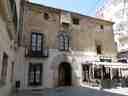
  3. To spot Can Galceran, look for a solid old stone house with a weathered facade and round arched doorway right next to a busy café terrace-it’s the one in the middle with small…Mehr lesenWeniger anzeigen

    To spot Can Galceran, look for a solid old stone house with a weathered facade and round arched doorway right next to a busy café terrace-it’s the one in the middle with small windows and a balcony above the entrance. Now, while you’re standing outside Can Galceran, imagine this: years ago, this building was not just another house on the street, but the home of a curious mind-Albert Giol y Galceran. He wandered these halls long before there was a bar downstairs, delving into the mysteries and stories of Calella itself. His family history is woven into the very stones, each block carefully placed and crowned with a four-sided, albeit now battered, roof. The house passed through generations-a mix of sorrow and inheritance-until it stood firm as part of the town’s memory. Take a look above the round entrance; see that balcony? No fancy Gothic work here, but you’ll notice a single capitel clinging to the lintel like it’s hanging on for dear life. Beneath the worn-out tiles and stone, the stories are locked away, with the ground floor now echoing with laughter and clinking coffee cups from the bar. So, as you stand here, you’re sharing space with centuries-who knows, maybe Albert himself is peeking out through those little windows, secretly judging your choice of coffee!

    Eigene Seite öffnen →
6 weitere Stationen anzeigenWeniger Stationen anzeigenexpand_moreexpand_less
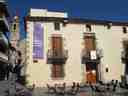
  1. To spot Can Salvador de la Plaza, just look ahead in the square for a cream-colored building with big wooden doors, charming balconies, and a distinctive balcony with ornate…Mehr lesenWeniger anzeigen

    To spot Can Salvador de la Plaza, just look ahead in the square for a cream-colored building with big wooden doors, charming balconies, and a distinctive balcony with ornate gothic arches above the entrance. Now that you’ve arrived at Can Salvador de la Plaza, take a deep breath and imagine yourself stepping back in time - but don’t worry, no time machines or suspicious mustaches required! Right in front of you is a grand old house with three proud façades, each one facing a different street or the main square, as if it’s watching everyone come and go. The main entrance, with its slightly lowered stone arch, invites you in, while above it sits a unique balcony with decorative gothic arches and nifty stone reliefs - a real showstopper back in the day. If you listen closely, you might even hear the soft echo of old town chatter. Way back in the 14th century, this house was just getting settled in, accompanied by the buzz of medieval Calella. Its roof has heard centuries’ worth of secrets, laughter, and probably a few arguments over who ate the last fig. The building became home to the illustrious Salvador family, whose members weren’t just anyone - they were superstar botanists and pharmacists, and frankly, they put the “herb” in “superb.” Picture Juan Salvador Boscà and his son Jaume, both major VIPs of Barcelona’s Council of One Hundred, studying plants and mixing potions right where you’re standing now. One Salvador even wrote an entire book on the art of fishing in Catalonia, so if you’re a fan of fishing or just reading about it, you’re standing on very scholarly ground. Fast forward to the 19th century, and you’d find Dr. José Salvador and his wife Socorro here, until Socorro packed her bags for Girona after her husband’s passing, moving in with her brother, who just happened to be the local bishop. It’s almost like a soap opera, but with fancier titles! Soon after, the house was rented by the Palmada family who turned it into a grocery shop. Imagine the delicious smell of fresh fruit and wine wafting out of these windows. By the time the late 20th century rolled around, the poor old place was looking a little worse for wear - so much so, the town nearly decided to demolish it when they needed a new library. But, never underestimate the power of a determined community! The people of Calella, along with local civic groups, fought tooth and nail to save their beloved landmark. After much debate (and probably a few impassioned speeches), the plan changed. Instead of knocking it down, they breathed new life into the building and turned it into the municipal library it remains today, opening its doors in 2006. Now, this library houses some 45,000 treasures - books, documents, and even a special stash on local tourism - and fills its three stories not just with words, but with activities, workshops, and events all year round. So, whether you’re here to marvel at gothic details, soak up centuries of local history, or find a good story inside, remember this: Can Salvador de la Plaza is proof that buildings, like the best stories, are worth preserving, sharing, and cherishing.

    Eigene Seite öffnen →
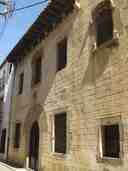
  2. Right in front of you, you’ll see a large house with a creamy stone façade, small sculpted windows, and a roof with big wooden beams jutting out-just look for the building with an…Mehr lesenWeniger anzeigen

    Right in front of you, you’ll see a large house with a creamy stone façade, small sculpted windows, and a roof with big wooden beams jutting out-just look for the building with an arched stone door and a grand tower sticking up beside it, and you’ve found Can Bartrina. Now, as you stand here, close your eyes and listen for a moment-can you hear the echo of footsteps from centuries ago? Can Bartrina is more than just a house; it’s a local legend wrapped in stone and secrets. Imagine the bustle outside this grand entrance, local townsfolk darting past, while behind those thick walls, the Bartrina family watched the world unfold. If you look up at the old windows, you might spot hints of mystery in the gothic stone carvings peeking out, as if they’re winking at you with stories they can’t quite tell. The tower beside the house looms protectively, one story higher than the rest, with its lookout holes-perfect for spotting snooping neighbors or, let’s be real, maybe an overzealous tax collector. The ground floor door is so wide and arched, you could imagine someone sneaking in at midnight with a cloak pulled over their head and a secret tucked under their arm. The family crest still sits proudly above the door, daring anyone to question the house’s importance. And while today the façade is fresh and bright from restoration, the house keeps a few of its old gothic windows, whispering reminders that history always leaves its mark. So, what secrets do you think have been spilled inside these walls? Maybe if you listen closely, Can Bartrina will tell you one… but only if you promise not to wake the ghosts!

    Eigene Seite öffnen →
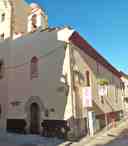
  3. To spot the Chapel of San Quirce and Santa Julita, look for a simple, sand-colored building with a perfectly smooth facade, a small arched stone doorway on one side, and a bell…Mehr lesenWeniger anzeigen

    To spot the Chapel of San Quirce and Santa Julita, look for a simple, sand-colored building with a perfectly smooth facade, a small arched stone doorway on one side, and a bell atop a modest tower right above an alcove holding a statue-you can’t miss the little bell watching over the street like a sleepy sentry! Now, picture yourself standing right where fishermen and townsfolk used to gather long, long ago-before smartphones, before street signs, before even the potato reached Europe! This humble chapel has survived countless storms, both from the wild Mediterranean sea and the ever-changing tides of history. Originally built even before the 15th century-imagine that, over 600 years ago-the building’s thick stone walls and rectangular shape promised safety when things got rough. And rough they did get! The chapel hugs the town’s old edge, partly thanks to some very superstitious fishermen. Worried about angry waves and sudden tempests, they built it next to the sea as a sort of “divine insurance policy.” Forget seat belts-back then, saints were the best security you could get! The fishermen were especially fond of San Telmo, the protector of sailors. The air here was once thick with salt, seaweed, and prayers for safe returns, as locals huddled inside, candlelight flickering across the stone pillars that divide the single open nave into three sturdy sections. But the uses didn’t stop at faith. At times, this chapel became the town’s “plan B” for emergencies: it’s been a temporary parish, a warehouse for the University’s goods, and even a makeshift school. You could say this little chapel has more job titles than a modern freelancer. Eventually, the church was dedicated to Saints Quirce and Julita, after the original chapel of the town’s patron saints disappeared. Don’t forget to peek at those three modern windows on the side letting sunlight flood the peaceful interior-once the only warmth during cold winter prayers. So as you stand here, think of the stories that were whispered behind these ancient, silent walls and imagine the laughter, fears, and hopes that filled this street for centuries.

    Eigene Seite öffnen →
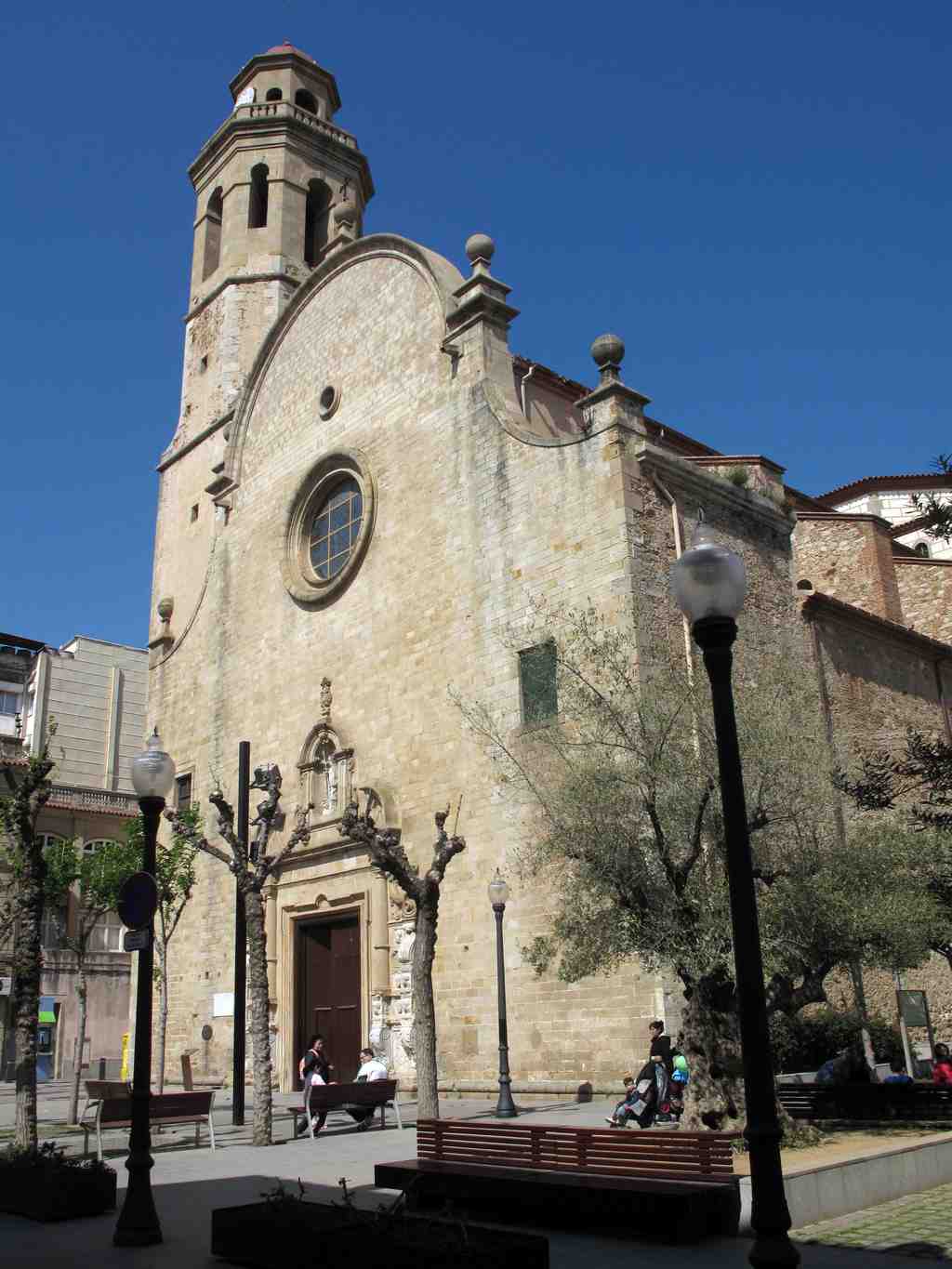
  4. To spot the Church of Santa María and San Nicolás, look for the large stone building with a tall, square bell tower that changes to an octagonal shape at the top, a round…Mehr lesenWeniger anzeigen

    To spot the Church of Santa María and San Nicolás, look for the large stone building with a tall, square bell tower that changes to an octagonal shape at the top, a round stained-glass window above a richly decorated baroque doorway, and sculptures around the entrance. Now, as you stand before this grand church, let me take you back in time-imagine the year is 1747, and the townspeople of Calella are going about their day when-boom!-the campanile, that tall bell tower you see to your left, comes crashing down, making a noise that would startle even the bravest cat in town. The old church, which had stood proudly since the 1500s, was left badly damaged. But Calella’s people weren’t ones to give up easily. They rallied together, and under the clever hand of architect Josep Morató, started building this very church you see in front of you. Can you picture the sound of hammers and chisels echoing through the square as the new neoclassical design rose up, its long single nave stretching almost 50 meters, and those thick walls curving into the shape of a Latin cross? Over time, the church grew grander, with chapels tucked between its sturdy buttresses and a soaring dome lighting up the crossing. Still, no matter how new and beautiful things got, the old church left something behind-a magnificent baroque doorway carved with the heads of the twelve apostles and plenty of other decorative surprises, including a saint watching over you from a little alcove. But wait, don’t get too cozy-history had more drama in store! In 1936, disaster struck again when the inside of the church was destroyed by fire. The whole town must have let out a collective sigh-maybe even a little grumble-at their bad luck. Still, just as before, the people refused to give up. Workers rebuilt from the ashes, and finally, in 1951, the church reopened its doors, proud and standing tall. Today, those thick stone walls keep their secrets, but if you look closely, those twelve stone faces above the doorway might just be smiling at another visitor who loves a good comeback story. So, take a moment here-enjoy the light streaming through the great rose window and the peaceful square outside. This church is proof that even when life comes crashing down, you can always build something beautiful again.

    Eigene Seite öffnen →
  5. To spot the Calella Municipal Market, look for a long, red-and-cream building with big, arched windows and a wavy baroque-style façade, right on the corner where the main street…Mehr lesenWeniger anzeigen

    To spot the Calella Municipal Market, look for a long, red-and-cream building with big, arched windows and a wavy baroque-style façade, right on the corner where the main street bends. Now, imagine yourself standing here in 1927, the sun beating down and the excited bustle of townsfolk filling the Plaza del Rey, which once served as the outdoor heart of Calella's market life. But then came a touch of magic: architect Jeroni Martorell designed this single-hall market building to mimic the grand baroque farmhouses of the region, with terracotta decorations and enormous windows that look like they've borrowed the hats from the area’s oldest barns. The wide porch out front became a sort of local stage where people gathered, gossiped, and sometimes even haggled just a little too loudly-yes, you might even have heard the occasional. Walking inside, you’d smell fresh bread, ripening tomatoes, and hear the click-clack of polished shoes on tiled floors. But here’s the twist: locals at first thought, “A market inside? Not under the open sky?” Some grumbled, but pretty soon, rain or shine, people flocked here, drawn by the market’s warmth and the wonderful mess of colors and voices. Today, the building stands not just as a place to buy your vegetables, but as a vivid reminder that good design-and a roof-can make everyone in town feel right at home. So, if you hear the echo of old bargaining voices or a mischievous laugh, don’t worry. It’s just the market telling its story.

    Eigene Seite öffnen →
  6. Right in front of you, you’ll spot the Costa i Fornaguera Popular Library by its creamy stone facade, decorative curved windows, and the sturdy three-arch entrance that looks a…Mehr lesenWeniger anzeigen

    Right in front of you, you’ll spot the Costa i Fornaguera Popular Library by its creamy stone facade, decorative curved windows, and the sturdy three-arch entrance that looks a bit like something you might find on a grand old manor-if that manor was on a sunny street in Calella! Now, take a deep breath and imagine the year is 1931. The streets are buzzing with excitement-not just for any old town party, but because today, Calella is opening its very first public library. And not just any library, but one designed by the talented architect Jeroni Martorell, who had a real knack for making buildings look both strong and elegant. He chose stone and plaster for the walls, shaping them to echo the grand baroque houses of the neighboring countryside. Those castle-like curves on the roof? That’s a nod to tradition-Martorell just couldn’t resist blending the new with a taste of the old world. But this wasn’t just about pretty buildings. Imagine the urgency in the air. The city’s leaders rushed to gather every coin, save every lightbulb, and even begged for heating and water to make sure every child in Calella could have the magic of books. The town wrote letter after letter, arguing their case for a library all the way to the Mancomunidad-the regional government. For years, they waited and hoped, keeping a special room empty in the school, just in case the dream came true. And then, at last, that magical day! On the opening day, you can picture nervous young students casting curious glances at the brand new shelves while the powerful and important-mayors, councilors, and even the director of libraries-gathered proudly outside, dressed up for the fiesta of Sant Quirze and Santa Julita. Even the most serious grown-ups probably lost themselves a bit, dizzy with excitement over all those shining new books. Two trailblazing women, Luisa Rivas Papaseit as director and María Luisa Barrera Rosell as assistant, were named to lead the library, their names announced in the official papers. Imagine Luisa with her arms crossed, determined not just to loan books, but to bring the world to every student, every grandparent, every dreamer, right here under these arches. Though the library eventually moved in 2006, for decades these walls were a cradle for stories and laughter, a training ground for curious minds. Every stone carries the echo of eager footsteps and whispered secrets between the pages. So take another look-not just at a building, but at the beating heart of Calella’s love of learning. And remember, a little persistence and a lot of teamwork can turn even the most unlikely dreams into real, living history. Now, who’s up for checking out a ghost story and seeing if the library ghosts still linger?

    Eigene Seite öffnen →

Häufig gestellte Fragen

Wie starte ich die Tour?

Laden Sie nach dem Kauf die AudaTours-App herunter und geben Sie Ihren Einlösecode ein. Die Tour ist sofort startbereit – tippen Sie einfach auf „Play“ und folgen Sie der GPS-geführten Route.

Benötige ich während der Tour Internet?

Nein! Laden Sie die Tour vor dem Start herunter und genießen Sie sie vollständig offline. Nur die Chat-Funktion benötigt Internet. Wir empfehlen den Download über WLAN, um mobiles Datenvolumen zu sparen.

Handelt es sich um eine geführte Gruppentour?

Nein – dies ist ein selbstgeführter Audioguide. Sie erkunden unabhängig in Ihrem eigenen Tempo, wobei die Audioerzählung über Ihr Telefon abgespielt wird. Kein Reiseleiter, keine Gruppe, kein Zeitplan.

Wie lange dauert die Tour?

Die meisten Touren dauern 60–90 Minuten, aber Sie kontrollieren das Tempo vollständig. Pausieren Sie, überspringen Sie Stopps oder machen Sie Pausen, wann immer Sie wollen.

Was, wenn ich die Tour heute nicht beenden kann?

Kein Problem! Touren haben lebenslangen Zugriff. Pausieren Sie und setzen Sie sie fort, wann immer Sie möchten – morgen, nächste Woche oder nächstes Jahr. Ihr Fortschritt wird gespeichert.

Welche Sprachen sind verfügbar?

Alle Touren sind in über 50 Sprachen verfügbar. Wählen Sie Ihre bevorzugte Sprache beim Einlösen Ihres Codes. Hinweis: Die Sprache kann nach der Tour-Generierung nicht mehr geändert werden.

Wo greife ich nach dem Kauf auf die Tour zu?

Laden Sie die kostenlose AudaTours-App aus dem App Store oder von Google Play herunter. Geben Sie Ihren Einlösecode (per E-Mail gesendet) ein, und die Tour erscheint in Ihrer Bibliothek, bereit zum Download und Start.

verified_user
Zufriedenheit garantiert

Wenn Ihnen die Tour nicht gefällt, erstatten wir Ihnen den Kaufpreis. Kontaktieren Sie uns unter [email protected]

Sicher bezahlen mit

Apple PayGoogle PayVisaMastercardPayPal

AudaTours: Audioguides

Unterhaltsame, budgetfreundliche, selbstgeführte Stadtrundgänge

App ausprobieren arrow_forward

Beliebt bei Reisenden weltweit

format_quote Diese Tour war eine großartige Möglichkeit, die Stadt zu sehen. Die Geschichten waren interessant, ohne zu konstruiert zu wirken, und ich liebte es, in meinem eigenen Tempo erkunden zu können.
Jess
Jess
starstarstarstarstar
Tbilisi-Tour arrow_forward
format_quote Das war eine solide Art, Brighton kennenzulernen, ohne sich wie ein Tourist zu fühlen. Die Erzählung hatte Tiefe und Kontext, übertrieb es aber nicht.
Christoph
Christoph
starstarstarstarstar
Brighton-Tour arrow_forward
format_quote Habe diese Tour mit einem Croissant in der einen Hand und null Erwartungen gestartet. Die App schwingt einfach mit einem mit, kein Druck, nur man selbst, Kopfhörer und ein paar coole Geschichten.
John
John
starstarstarstarstar
Marseille-Tour arrow_forward

Unbegrenzte Audioguides

Schalten Sie Zugriff auf JEDE Tour weltweit frei

0 Touren·0 Städte·0 Länder
all_inclusive Unlimited erkunden