
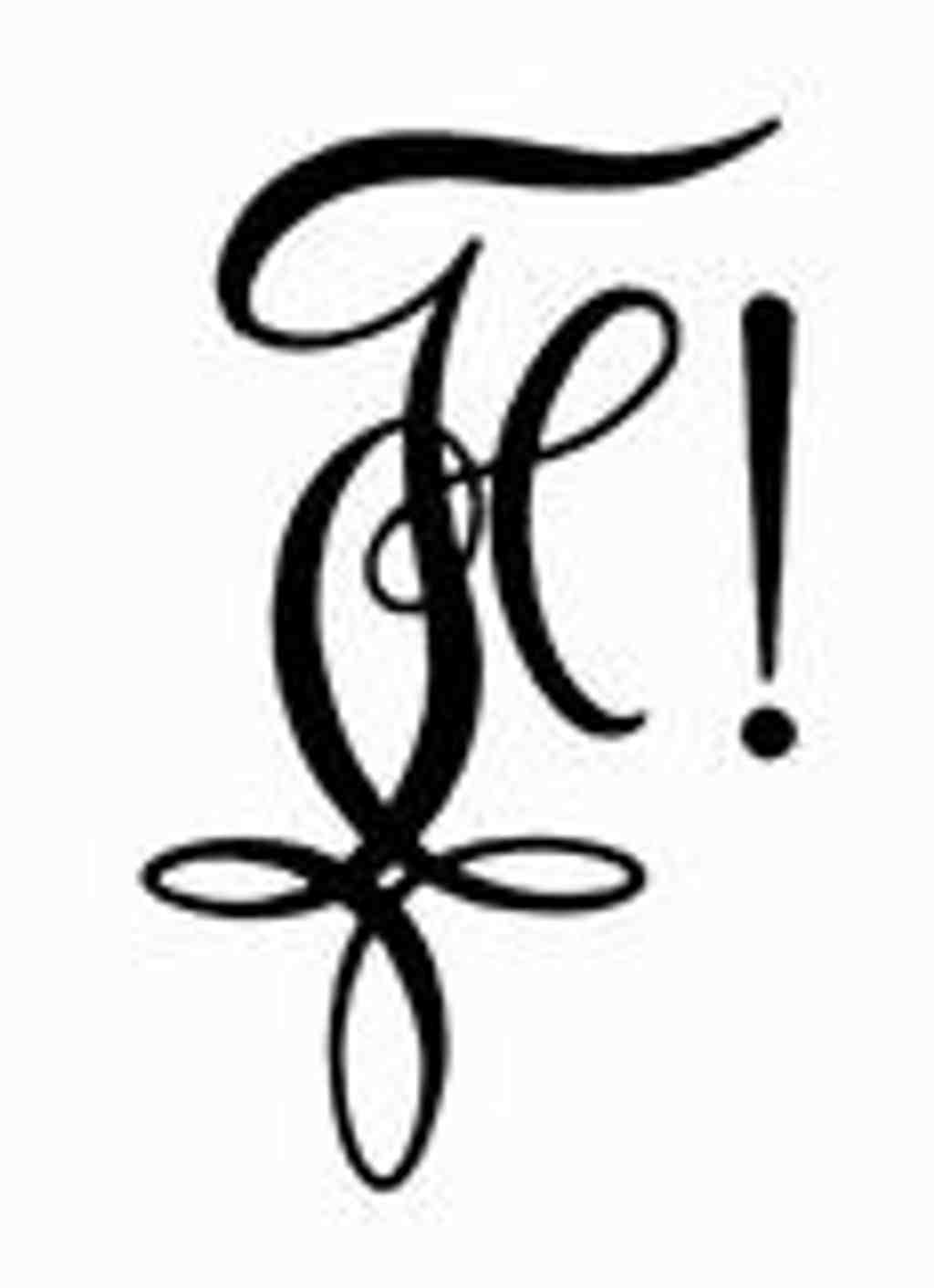
Look for the distinctive emblem representing the fraternity, an elaborate black cursive monogram formed by intertwined looping letters that finishes with a sharp exclamation mark. You are standing before the home of Corps Friso-Cheruskia, a traditional student fraternity with roots stretching back to 1860.
This organization is what Germans call pflichtschlagend, meaning its members are required to participate in academic fencing. It is a highly regimented form of dueling with sharp blades where the participants are essentially rooted to the spot and flinching is strictly forbidden. Relaxing stuff.
But the real fascination of this place is how it has navigated the extreme turbulence of German history. Behind these walls is a masterclass in bureaucratic problem-solving. During the National Socialist era, independent student fraternities were pressured, banned, or absorbed into party organizations, and their properties were routinely confiscated. The members of this fraternity realized they needed a shield, and they found one in corporate law. They transferred the ownership and operation of this building into a standard limited liability company, or GmbH. By legally transforming their fraternity home into a corporate asset, they built an impenetrable administrative firewall. This brilliant legal chess move prevented the regime from seizing the property, making this entity the oldest surviving GmbH in the Baden region today.
The fraternity's history, however, is not without its deep stains. One of its most historically controversial members was an engineer named Wilhelm Keppler. In 1932, at Adolf Hitler's direct request, he formed the Keppler Circle, a group of industrialists meant to advise the economically illiterate dictator. Keppler played a fatal role behind the scenes, brokering the secret meetings that led directly to the handover of power in 1933. He eventually found himself sitting on the defendants bench at the Nuremberg trials.
Decades later, the fraternity experienced a rather different cultural milestone. In 1993, in an environment known for deep-seated conservatism, an engineering student of Turkish descent named Aydin Karaduman was elected as the national chairman of the umbrella organization. He successfully navigated complex internal power struggles, steering the historically rigid institution toward a slightly more adaptable future.
If you are wondering what life inside looks like, a pair of filmmakers asked the same question in the late nineties. They were granted rare access to film a documentary called No Closed Season for Foxes. It followed the new pledges, known as foxes, exposing the brutal peer pressure, the strict rules of conduct, and the intense physical training required for those fencing duels. They learned quickly that conformity here is earned the hard way.
The building is generally accessible to members from eight in the morning to seven fifteen in the evening on weekdays, and remains open twenty four hours a day over the weekend.
Let us keep moving toward another monument shaped by strict traditional demands, as we head to St. Bernard, which is about an eight minute walk from here.




