Brisbane Audio-Tour: Kulturelle Odyssee-Tour durch South Brisbane
Unter dem üppigen Schatten violetter Bougainvillea und dem Summen der Fähren entlang des Brisbane River verbirgt South Bank Geschichten, die so lebendig sind wie seine Parkanlagen. Diese selbstgeführte Audio-Tour lädt Sie ein, die ausgetretenen Pfade zu verlassen und in verborgene Schichten der Hauptstadt Queenslands einzutauchen – wo geheime Skandale, trotzige Comebacks und kühne Visionen jeden Torbogen und jede Allee prägen. Warum hat eine katastrophale Flut den Fähranleger von South Bank beinahe aus der Geschichte getilgt? Welches Geheimnis hallte einst unter den blühenden Stahlknochen des Grand Arbour wider? Und wie wurde ein einfaches Amphitheater zum Mittelpunkt olympischer Träume und stadtweiter Feierlichkeiten? Verfolgen Sie dramatische Wiederherstellungen am Fluss, lüften Sie Geheimnisse, die in sonnenverwöhnte Bögen gewebt sind, und beobachten Sie, wie Brisbanes Geheimnisse beim Gehen aufblühen. Erleben Sie unerwartetes Drama, farbenfrohen Charme und sehen Sie vertraute Sehenswürdigkeiten in einem völlig neuen Licht. Beginnen Sie jetzt und lassen Sie South Bank seine außergewöhnlichsten Geschichten direkt vor Ihren Füßen enthüllen.
Tourvorschau
Über diese Tour
- scheduleDauer 40–60 minsEigenes Tempo
- straighten4.7 km FußwegDem geführten Pfad folgen
- location_onStandortBrisbane, Australien
- wifi_offFunktioniert offlineEinmal herunterladen, überall nutzen
- all_inclusiveLebenslanger ZugriffJederzeit wiederholen, für immer
- location_onStartet bei Fähranleger South Bank
Stopps auf dieser Tour
You're approaching the lively South Bank ferry wharf. Look for the sleek structure jutting into the Brisbane River with signs labeled "South Bank" above. The white canopies…Mehr lesenWeniger anzeigen
You're approaching the lively South Bank ferry wharf. Look for the sleek structure jutting into the Brisbane River with signs labeled "South Bank" above. The white canopies provide a modern touch to the scene-spot them to know you're at the right place. Now, onto the fun part! South Bank ferry wharf is your gateway to the Brisbane River's charm! Nestled in South Brisbane, this little transport hub is like a water taxi stand for the iconic CityCat and CityHopper. Did you know it took quite a dip during the January 2011 floods? But, like a true Aussie, it bounced back and reopened on Valentine's Day 2011. A romantic comeback, don’t you think? It's right at the heart of action! Walk over to Streets Beach after, or spin on the Wheel of Brisbane. Oh, and the Queensland Performing Arts Centre is just a stone's throw away. Best part? You can dock and ditch at the same time, thanks to its capacity for 3-4 vessels! Keep an eye out for the Victoria Bridge nearby. It's like the wharf’s trusty neighbor. Enjoy the riverside vibes and hop on!
Eigene Seite öffnen →As you approach the South Bank Grand Arbour, look for a series of tall, curving steel structures, resembling giant, elegant tendrils reaching up to the sky. These arches are…Mehr lesenWeniger anzeigen
As you approach the South Bank Grand Arbour, look for a series of tall, curving steel structures, resembling giant, elegant tendrils reaching up to the sky. These arches are draped in vibrant, purple Bougainvillea, creating a stunning, colorful canopy overhead. Welcome to the South Bank Grand Arbour! This impressive kilometre-long walkway winds through the South Bank Parklands and serves as a floral parade in one of Brisbane’s most beloved spots. It connects the Griffith Film School all the way to the Cultural Forecourt near QPAC. Fun fact-this arboreal archway used to follow the path of the Expo 88 boat canal! Designed by the creative minds at Denton Corker Marshall, it boasts 443 steel arches that stretch up to ten meters high. When it first opened in 2000, people thought it looked a bit odd-like a naked steel skeleton. But oh, look at it now! The lush Bougainvillea has transformed it into a natural wonderland. You could say it had a bit of a "growth spurt"!
Eigene Seite öffnen →As you're walking, keep an eye out to your left for an impressive structure with a large, modern overhang. You’ll notice it looks a bit like a giant, sleek sound shell, embracing…Mehr lesenWeniger anzeigen
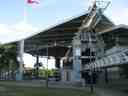
As you're walking, keep an eye out to your left for an impressive structure with a large, modern overhang. You’ll notice it looks a bit like a giant, sleek sound shell, embracing the space like a warm hug from an architect! Welcome to the South Bank Piazza-a versatile venue nestled in Brisbane's vibrant South Bank Parklands. Originally known as the Suncorp Piazza, this lively spot is also nicknamed after The Courier-Mail from 2013. It's not just central, being close to the South Brisbane railway station and the Cultural Centre Busway Station, but also super functional! The amphitheatre seats over 2,000 people under a stylish covering, and a sizable screen hangs ready to entertain. Imagine the lively buzz here during the opening night of the Brisbane Festival in 2022. And mark your calendars-the Piazza will host 3x3 Basketball during the 2032 Olympic Games! So, whether you're here for a show or just admiring the architecture, the South Bank Piazza is ready to dazzle you with its blend of style, space, and excitement. Enjoy your visit!
Eigene Seite öffnen →
12 weitere Stationen anzeigenWeniger Stationen anzeigenexpand_moreexpand_less
As you approach the Plough Inn, look to your right for a grand two-storey building with a beautifully detailed facade. You'll see intricate iron lacework on its verandahs and a…Mehr lesenWeniger anzeigen
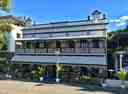
As you approach the Plough Inn, look to your right for a grand two-storey building with a beautifully detailed facade. You'll see intricate iron lacework on its verandahs and a sign proudly displaying "PLOUGH INN" on top. It’s hard to miss with its charming old-world vibes and decorative parapet. Now, let's dive into its story! The Plough Inn, built in 1885, is like the wise old grandfather of South Bank. It began as a replacement for an earlier, much humbler inn from 1864-so you could say it got a big makeover during South Brisbane’s bustling days! Designed by Alexander Brown Wilson and extended in 1922, the Plough Inn was a hotspot for merchants and sailors, thanks to its proximity to the wharves. Imagine it being the trendy hit of the late 19th century, like the place to be seen! With modifications over the years, especially during Expo '88, it now serves as a hotel while keeping much of its historic charm. Listed on the Queensland Heritage Register in 1992, it stands as a rare glimpse into the commercial heart of South Brisbane in its heyday. So, why not take a break, step in, and maybe feel like a time-travelling guest from the 1800s?
Eigene Seite öffnen →As you're strolling along, look to your right to spot the Allgas Building. It stands proudly with a charmingly ornate facade, featuring intricate decorations above its windows and…Mehr lesenWeniger anzeigen
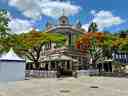
As you're strolling along, look to your right to spot the Allgas Building. It stands proudly with a charmingly ornate facade, featuring intricate decorations above its windows and a grand pediment inscribed with the date 1885. You can't miss the fluted pilasters and the deep cornice that add to its character. The building is flanked by vibrant trees, their brilliant red flowers creating a picturesque contrast. Now, onto the fun part! The Allgas Building, originally erected in 1885, has had a lively history almost as busy as Stanley Street was back in the day. Imagine it bustling with Victorian-era shoppers buying fancy outfits or later, shirt and pajama negotiations inside those walls. Once South Brisbane's commercial hotspot, it even survived the floods of 1893 and kept its cool facade in style. The building has worn many hats-or should I say facades?-from a national bank to a gas company office, and even a bank again during World Expo '88! It's like the ultimate vintage chameleon of Brisbane, always adapting to the times. Today, it stands as a piece of living history, a little glimpse into Queensland's dynamic past. So, give it a nod, because this building's got more stories than a library!
Eigene Seite öffnen →As you walk towards the Gondwana Rainforest Sanctuary, look to your right for what is now a lush green space amid the stores. It’s a beautiful reminder of what once was a vibrant…Mehr lesenWeniger anzeigen
As you walk towards the Gondwana Rainforest Sanctuary, look to your right for what is now a lush green space amid the stores. It’s a beautiful reminder of what once was a vibrant zoo teeming with life. Back in the day, from 1992 to 2005, this place was bustling with around 700 animals. Imagine a massive bird aviary echoing with the calls of fairy wrens, kingfishers, and parrots! It was like a live Aussie concert. The sanctuary also had adorable koalas, cheeky wallabies, and even the iconic Tasmanian devils. For the reptile fans, there were snakes, turtles, and even freshwater crocodiles-thankfully all behind glass! There were also animated dinosaurs for a jurassic blast from the past. Natureworks, led by David Joffe, created this wonder post-Expo 88. Despite its incredible setup, the sanctuary faced challenges and ultimately closed in 1998, making way for retail and office spaces. So as you stroll by, picture a time when this place roared, chirped, and croaked with life-Brisbane’s very own wild kingdom!
Eigene Seite öffnen →As you approach the Bulwer Island Light, look to your right and you'll spot a charming lighthouse with a white conical shape, capped with a bright red dome. Its modest size and…Mehr lesenWeniger anzeigen
As you approach the Bulwer Island Light, look to your right and you'll spot a charming lighthouse with a white conical shape, capped with a bright red dome. Its modest size and distinctive color should catch your eye easily against the urban backdrop. Now, let's dive into its story! The Bulwer Island Light, also known as the Bulwer Island Range Rear Light, is an inactive lighthouse that originally stood on Bulwer Island in Brisbane. Established in 1909, its current structure was built in 1912 to guide ships safely at the mouth of the Brisbane River. This lighthouse is a bit of a wanderer. In 1983, it moved house to the Queensland Maritime Museum, where it proudly displays its maritime heritage. Made of hardwood and clad in corrugated iron, it's the last of its kind-a true vintage gem in lighthouse history. In 2005, it got a makeover with some fresh timber and paint, ensuring it remains in shipshape condition. If you ever want to visit, its ground floor is open to the public at the museum, ready to shine a light on Brisbane’s nautical past. Quite a luminous character, isn’t it?
Eigene Seite öffnen →As you're walking, look to your right, and you'll spot a grand structure with a striking red brick facade and a tall, elegant clock tower reaching for the sky. This is the Old…Mehr lesenWeniger anzeigen
As you're walking, look to your right, and you'll spot a grand structure with a striking red brick facade and a tall, elegant clock tower reaching for the sky. This is the Old South Brisbane Town Hall. The clock tower is not only impressive but was quite a technological marvel in its day, being the first electrically-driven clock in Australia! Opening its doors in 1892, this building was the administrative heart of the Borough of South Brisbane, though it never actually hosted any town hall meetings. Instead, it served as a hub for municipal officials, all wrapped up in an ornate package that certainly looked the part of a town hall! During World War II, it even played host to American armed services, adding a touch of international flair to its storied history. Later, it was transformed into music and educational spaces and now serves as a part of Somerville House school. So, while it might not have been the town hall in the traditional sense, it’s wore many hats over the years, showing off Brisbane’s knack for adaptability and style! Keep an eye on that charming clock, because this building might just be a timeless classic!
Eigene Seite öffnen →As you're approaching St Andrews Anglican Church on your left, look out for its impressive Gothic-style architecture. The building is made from Brisbane tuff, giving it a…Mehr lesenWeniger anzeigen
As you're approaching St Andrews Anglican Church on your left, look out for its impressive Gothic-style architecture. The building is made from Brisbane tuff, giving it a distinct, rugged stone appearance with a steeply pitched slate roof. You’ll notice a large stained glass window that's a real eye-catcher, especially at the chancel end. Now, let's delve into a bit of history-picture yourself in the late 1800s. St Andrews was a grand vision by the flamboyant Italian architect Andrea Stombuco. He had big plans for a tower and spire that never quite came to be, like an epic novel missing the last chapter! The church’s construction was a saga of heroic proportions, starting in 1878 but hitting a few bumps-or should I say “stone walls”-along the way. It wasn't until 1932 that the nave was completed by architect Lange Leopold Powell, sans tower. This spot was born from necessity after the floods of the 1860s, whisking away the community from the soggy river flats to this handsome hill. Besides being a church, it stands as a historical witness to the booming development of South Brisbane as a commercial and residential hub. It’s more than just a place of worship; it’s a monument to resilience and growth, one brick at a time!
Eigene Seite öffnen →As you walk towards Musgrave Park, you'll spot a beautiful expanse of green framed by large, magnificent trees. The park is quite spacious, with pathways leading through the tall,…Mehr lesenWeniger anzeigen
As you walk towards Musgrave Park, you'll spot a beautiful expanse of green framed by large, magnificent trees. The park is quite spacious, with pathways leading through the tall, leafy canopies. Sunlight filters through the branches, casting gentle patterns on the ground. Now, let's dive into the story behind this serene spot! Musgrave Park is not just a pretty face; it's a living tapestry of culture and history. Covering about 63,225 square meters, it's a cherished space for both leisure and significance, particularly for the Aboriginal community. This park is a remnant of the old Kurilpa camping ground, historically significant to the Indigenous people. Once a place for working and gathering, it still pulses with cultural importance. The Jagera Arts Centre, formerly a bowls clubhouse, stands as a testament to the vibrant Aboriginal heritage here. In the past, the site was a hub for community life, where feasts and ceremonies celebrated traditions. It even played a significant role in Aboriginal protests during the Commonwealth Games in 1982. Throughout the year, Musgrave Park hosts festivals like the Paniyiri Greek Festival and NAIDOC Park Day, continuing its legacy as a place of gathering and celebration. So, as you enjoy the tranquility of Musgrave Park, remember it's not just a park, but a place where history, culture, and community spirit intertwine. Watch out for the hidden stories among the trees!
Eigene Seite öffnen →As you walk, look to your right to spot a tall, slender tower piercing the skyline. This is the Skyneedle, an impressive structure with a distinctively thin and elongated profile.…Mehr lesenWeniger anzeigen
As you walk, look to your right to spot a tall, slender tower piercing the skyline. This is the Skyneedle, an impressive structure with a distinctively thin and elongated profile. At the top, you'll notice bright rainbow rings that add a splash of color to its otherwise gray exterior. Now, here's the fun scoop on the Skyneedle! Originally constructed for the World Expo '88, this towering 88-meter structure was almost whisked away to Tokyo Disneyland! But Brisbane hairdresser Stefan Ackerie swooped in and bought it, giving it a new home right here. Those rainbow rings? Yep, they're his signature touch. While it used to shine a beam visible from 60 kilometers away, it rarely lights up now due to safety concerns for nearby flight paths. And here's a quirky tale: the tower caught fire not once but twice, thanks to bird droppings causing electrical faults! In 2009, it got a fancy technology upgrade, though its spotlight has occasionally dimmed since. Today, it’s set to become part of a residential complex, with a café underneath-imagine sipping coffee beneath such a piece of history! As you admire it, just think of it as Brisbane’s stylishly tall hairdo getting a trim.
Eigene Seite öffnen →As you stroll down the street, look to your left, and you'll spot a sleek, expansive structure taking up nearly an entire block. That’s the Brisbane Convention & Exhibition Centre…Mehr lesenWeniger anzeigen
As you stroll down the street, look to your left, and you'll spot a sleek, expansive structure taking up nearly an entire block. That’s the Brisbane Convention & Exhibition Centre (BCEC). Its architectural lines are a modern marvel, with a complex roof design that might remind you of hyperbolic paraboloids or, as I like to say, upside-down Pringles. BCEC is nestled between Grey, Melbourne, Merivale, and Glenelg Streets in South Brisbane. Known affectionately as "the place where all the action happens," this centre is like Brisbane's version of a Swiss Army knife-there's a bit of everything going on here! From grand weddings and expos to landmark events like hosting the 2014 G20 summit, which turned the centre into a buzzing hive of global activity, welcoming over 2,500 journalists. But it's not all serious business here. Throughout its history, BCEC has also been in the thick of dramatic protests, like the '2021 Fake Blood Incident.' Were the protesters just too much into Halloween, or was it a strong political message? Who knows! Completed in 1995, this $170 million building (though today, you'd need double that amount after inflation) emerged after demolishing the World Expo Park. It’s a massive complex, stabilized by concrete shear walls and clad in steel, laying claim to 450 meters in length and 24 meters in height. The centre isn’t just about looks-it's got some serious accolades too! It was named the World’s Best Convention Centre from 2016 to 2018. And if that isn’t enough, it's a frequent stage for concerts and shows, including hosting Kraftwerk in 2023. So, whether you're here for a wedding expo, a graduation ceremony, or to catch your favorite band in action, BCEC proves that it truly is at the heart of what's happening in Brisbane. Keep your eyes peeled for the striking artwork along Grey Street, and who knows, you might even catch some event excitement as you walk by!
Eigene Seite öffnen →As you're approaching stop number 13, glance right, and you'll see the distinctive, geometric architecture of the Queensland Performing Arts Centre (QPAC). The building features a…Mehr lesenWeniger anzeigen
As you're approaching stop number 13, glance right, and you'll see the distinctive, geometric architecture of the Queensland Performing Arts Centre (QPAC). The building features a series of angular, tiered structures, with clean lines and a light stone façade. It’s a standout amidst the greenery and nearby streets, thanks to its modern, sculptural design. Now, let's dive into the fun facts about QPAC! This landmark was opened in 1985 and has been a hive of cultural activity ever since. It's part of the Queensland Cultural Centre and was brought to life by the wizardry of architect Robin Gibson. Originally named the Queensland Performing Arts Complex, it eventually embraced its more popular misnomer and became the Centre we know today. Inside, you've got the Lyric Theatre, Concert Hall, Playhouse, and Cremorne Theatre. These stages have hosted everything from ballet and opera to stand-up comedy and rock concerts. Think of QPAC as Brisbane's own cultural buffet, offering a smorgasbord of artistic flavors. Plus, it even has a gigantic organ with 6,566 pipes-talk about pulling out all the stops! QPAC regularly welcomes a star-studded lineup of local and international talent, making it a backstage pass to the world. It has even co-produced some of Australia's most innovative shows. With over 1,200 performances each year, there’s always something happening under its architecturally striking roof. Enjoy the show!
Eigene Seite öffnen →As you approach the Wheel of Brisbane, look to your right and you'll spot a giant, glowing circular structure reaching into the sky. It's like a colossal, illuminated bicycle…Mehr lesenWeniger anzeigen
As you approach the Wheel of Brisbane, look to your right and you'll spot a giant, glowing circular structure reaching into the sky. It's like a colossal, illuminated bicycle wheel, rotating gracefully with its distinctive white framework and evenly spaced capsules. This stunning landmark is especially bright at night, making it hard to miss. Now, let me introduce you to the Wheel of Brisbane, also known as the Brisbane Eye. Standing proud at 60 meters tall, this observation wheel was set up in 2008 to mark the 20th anniversary of World Expo 88 and the 150th anniversary of Queensland's statehood. During its opening in August, it joined the annual Riverfire festivities, offering breathtaking panoramic views across the city. Each of its 42 air-conditioned capsules can seat up to six adults and two kids, giving a total capacity of 336 passengers. The ride is a delightful 12-minute journey of about four rotations, offering stunning 360-degree views. Originally from Sea World, the wheel found its permanent home in South Bank Parklands in 2008. Interestingly, the Wheel has had its fair share of adventures, from surviving the 2011 Brisbane floods to undergoing maintenance where all the capsules were removed for an overhaul. It’s a spin-tastic ride with a dose of history thrown in!
Eigene Seite öffnen →As you approach the last stop, the Nepalese Peace Pagoda will be on your right. Look for a stunning three-tiered structure, gleaming with intricate wooden carvings, illuminated…Mehr lesenWeniger anzeigen
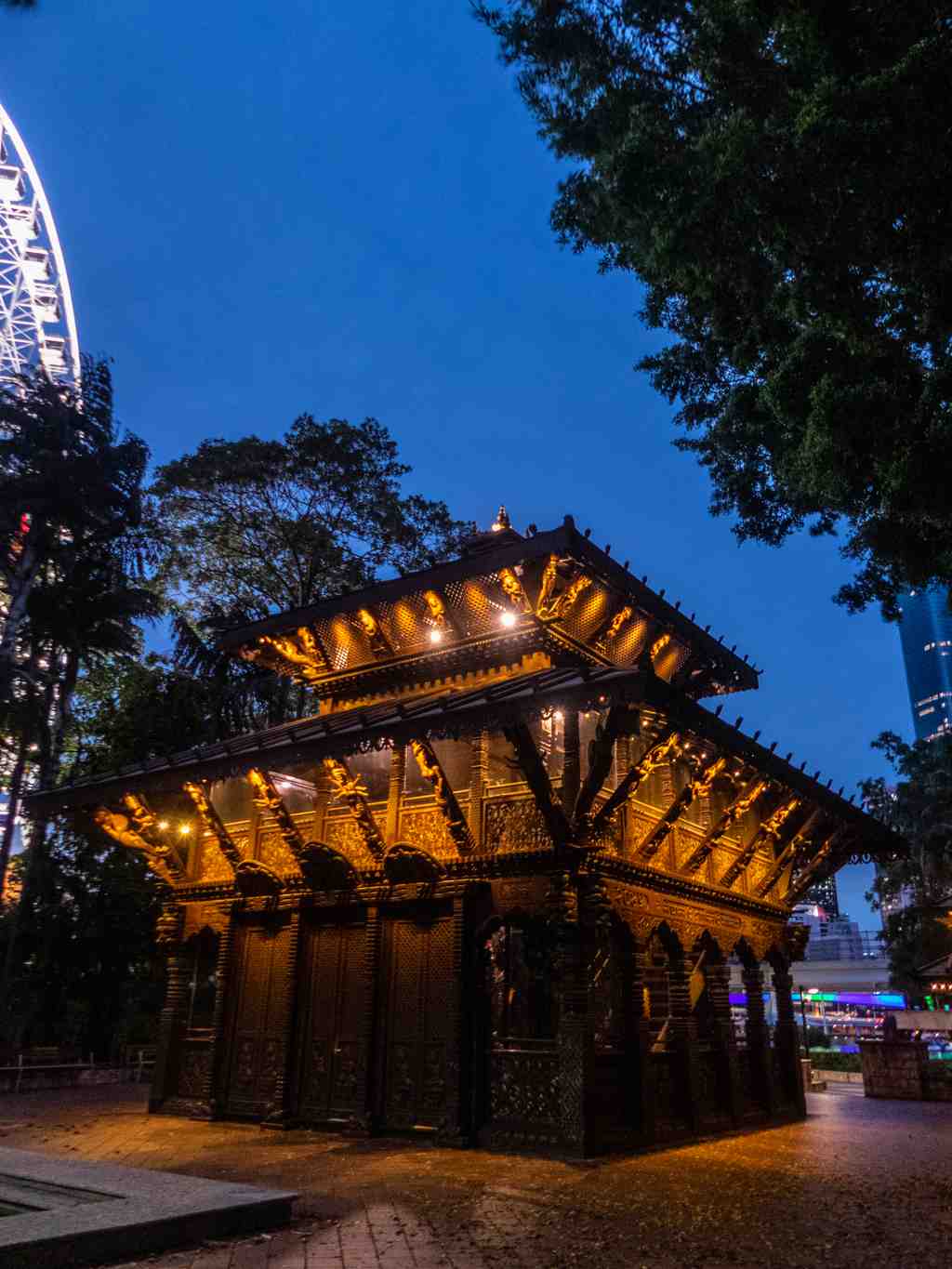
As you approach the last stop, the Nepalese Peace Pagoda will be on your right. Look for a stunning three-tiered structure, gleaming with intricate wooden carvings, illuminated beautifully as the day turns into night. The Nepal Peace Pagoda, nestled in South Bank Parklands, is a treasured relic from the Brisbane World Expo '88. It’s the only international exhibit still standing here, giving it VIP status in Brisbane's heart! Built by 160 Nepalese families using 80 metric tons of timber from Nepal’s Terai jungle, this pagoda traveled in style all the way to Australia. Over six months, a team assembled it right here under the watchful eyes of its creators. Imagine the craftsmanship-it’s like a giant wooden jigsaw puzzle! This pagoda isn't just a structure; it's an artwork with rich iconography of Shiva and Buddha, all hand-crafted. And it’s got neighbors-two smaller pavilions, a Buddhist stupa, and the serene Peace Bell chiming a call for global unity. While it doesn’t serve as a traditional religious center, it's a popular spot for meditations, weddings, and, yes, even book launches. The pagoda's journey to its permanent home was a community effort, showcasing Brisbane’s love affair with this enchanting structure. Standing here, with the Wheel of Brisbane in the backdrop, you’re not just at a park, but on a cultural journey bridging Australia and Nepal with just one glance. Keep your eyes open for those carved stories and maybe you'll hear a whisper of its history in the breeze! Wondering about the construction, during the expo or the artistic and religious heritage? Feel free to discuss it further in the chat section below.
Eigene Seite öffnen →
Häufig gestellte Fragen
Wie starte ich die Tour?
Laden Sie nach dem Kauf die AudaTours-App herunter und geben Sie Ihren Einlösecode ein. Die Tour ist sofort startbereit – tippen Sie einfach auf „Play“ und folgen Sie der GPS-geführten Route.
Benötige ich während der Tour Internet?
Nein! Laden Sie die Tour vor dem Start herunter und genießen Sie sie vollständig offline. Nur die Chat-Funktion benötigt Internet. Wir empfehlen den Download über WLAN, um mobiles Datenvolumen zu sparen.
Handelt es sich um eine geführte Gruppentour?
Nein – dies ist ein selbstgeführter Audioguide. Sie erkunden unabhängig in Ihrem eigenen Tempo, wobei die Audioerzählung über Ihr Telefon abgespielt wird. Kein Reiseleiter, keine Gruppe, kein Zeitplan.
Wie lange dauert die Tour?
Die meisten Touren dauern 60–90 Minuten, aber Sie kontrollieren das Tempo vollständig. Pausieren Sie, überspringen Sie Stopps oder machen Sie Pausen, wann immer Sie wollen.
Was, wenn ich die Tour heute nicht beenden kann?
Kein Problem! Touren haben lebenslangen Zugriff. Pausieren Sie und setzen Sie sie fort, wann immer Sie möchten – morgen, nächste Woche oder nächstes Jahr. Ihr Fortschritt wird gespeichert.
Welche Sprachen sind verfügbar?
Alle Touren sind in über 50 Sprachen verfügbar. Wählen Sie Ihre bevorzugte Sprache beim Einlösen Ihres Codes. Hinweis: Die Sprache kann nach der Tour-Generierung nicht mehr geändert werden.
Wo greife ich nach dem Kauf auf die Tour zu?
Laden Sie die kostenlose AudaTours-App aus dem App Store oder von Google Play herunter. Geben Sie Ihren Einlösecode (per E-Mail gesendet) ein, und die Tour erscheint in Ihrer Bibliothek, bereit zum Download und Start.
Wenn Ihnen die Tour nicht gefällt, erstatten wir Ihnen den Kaufpreis. Kontaktieren Sie uns unter [email protected]
Sicher bezahlen mit